Change or rekey · Wilmot
Lock Rekeying
The builder handed over your new home with a stack of identical keys, and you know the framing crew, the painters and the flooring installers all used a construction key during the build.
In plain words
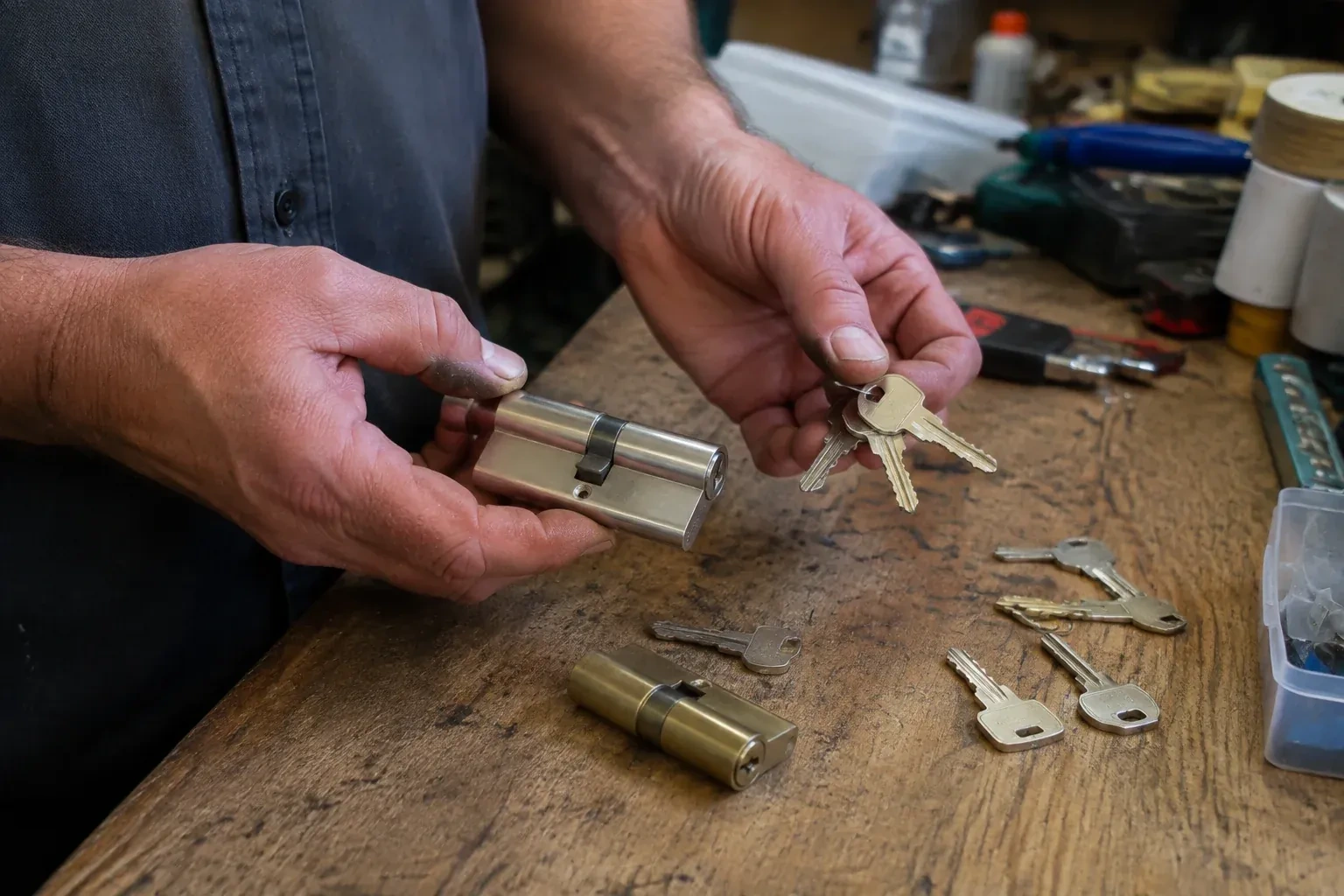
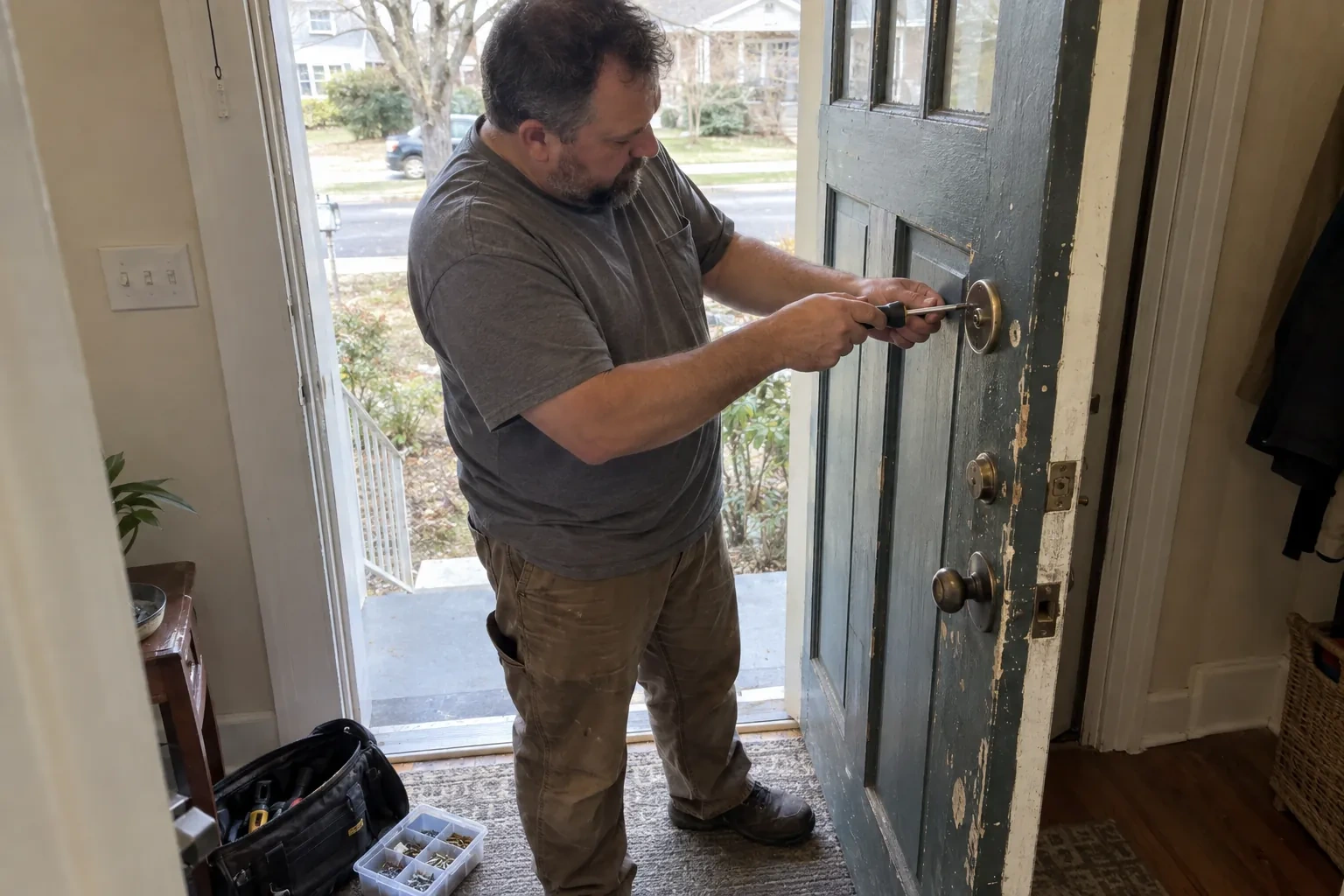
Moving into a home is the moment most people first hear about rekeying, and it is the most sensible time to do it. A resale house has usually passed through owners, real estate agents, home inspectors, cleaners and trades, each of whom may have held a key at some point. Rekeying every exterior cylinder on move-in day means the only keys that work are the ones cut for you, and the same visit is a chance to put every door on one key so the coffee tin of mystery keys can go in the recycling.
How the visit goesOne key for the front door, another for the back, a third for the side door into the garage, and a fourth for the shed. You stand on the step every evening flipping through them in the dark, trying each one until something turns.
Inside the lock
What a rekey changes
01
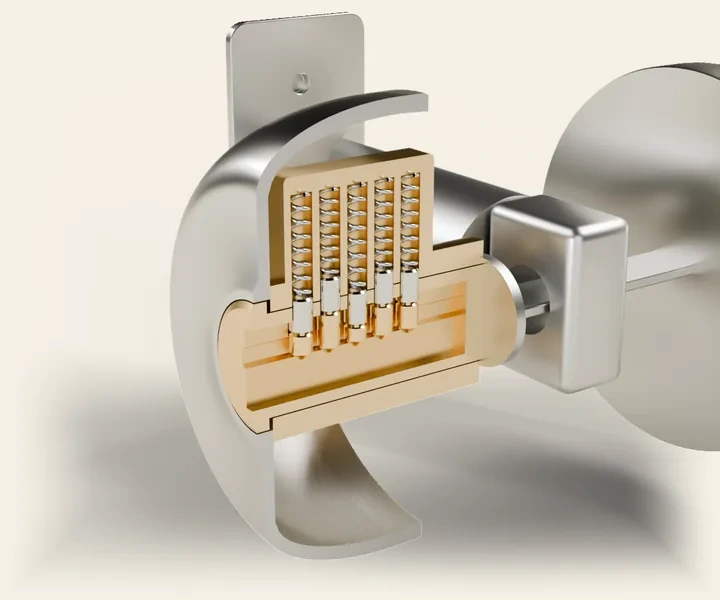
The lock you already have
02
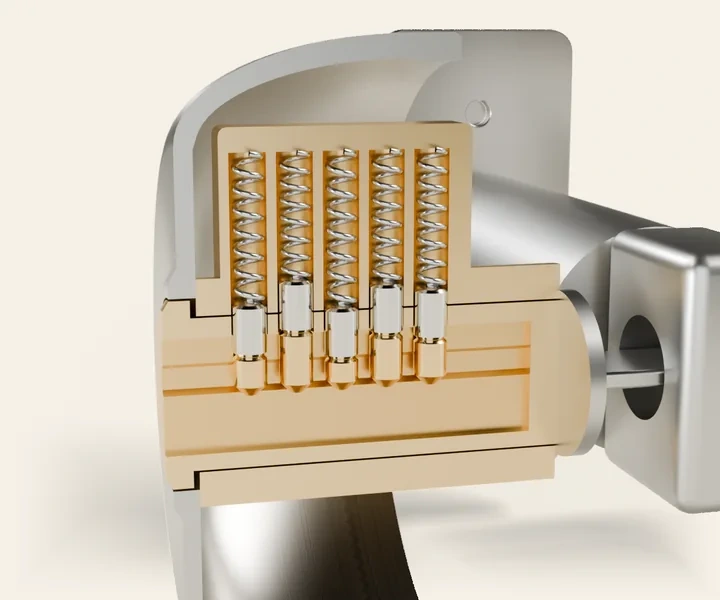
Inside the cylinder
03
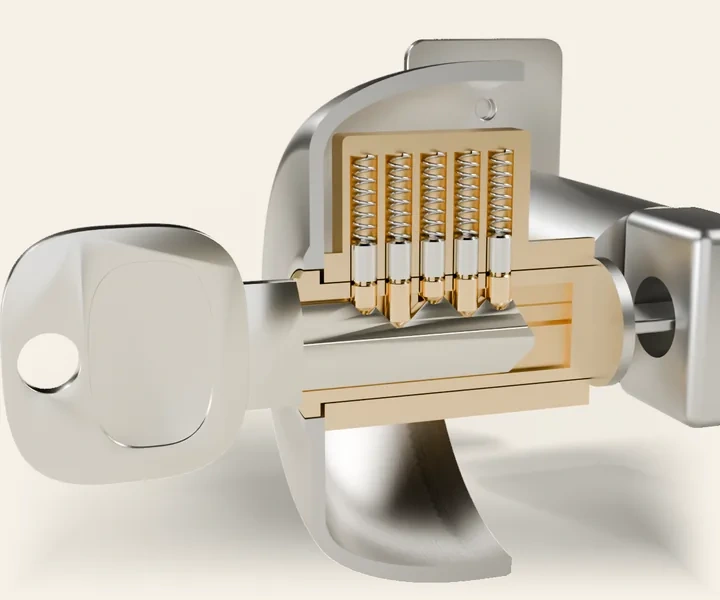
Pins, springs and the shear line
04
A new key, new pins
Lock Rekeying
How the visit goes
Deciding the key groups
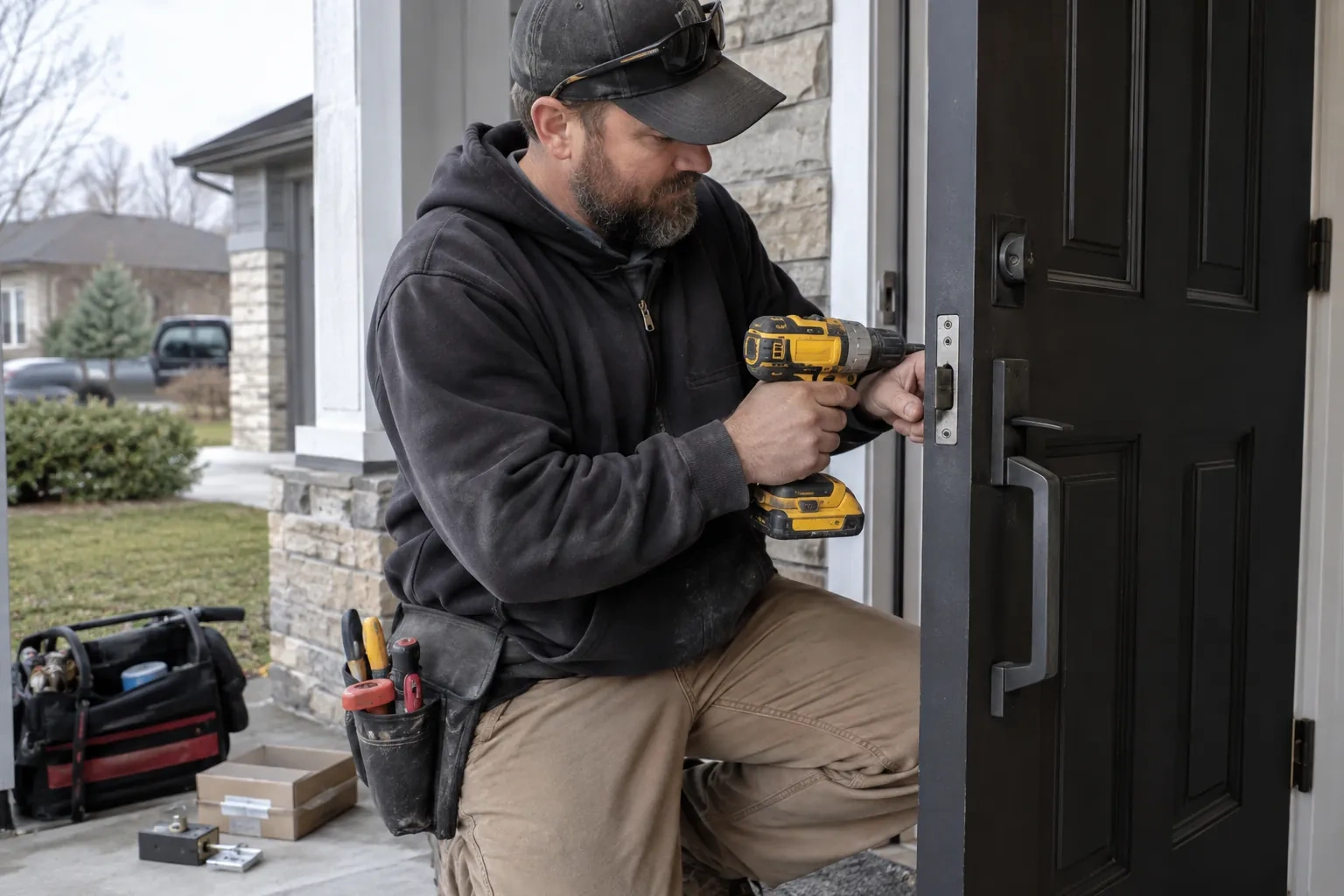
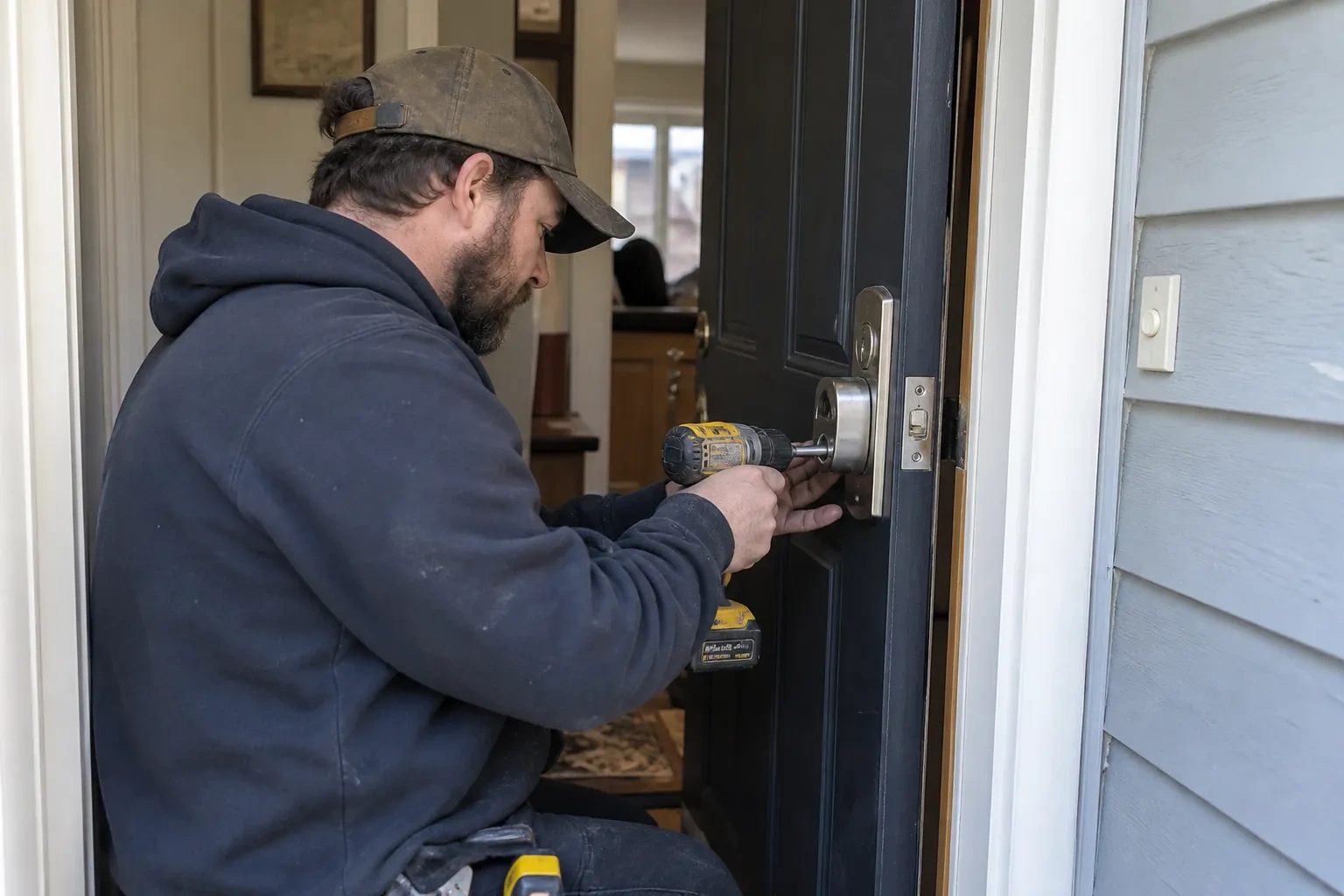
Not every door in a home needs to answer to the same key, and the plan is written down before work starts. Most households want the exterior doors keyed alike so one key does everything. Some want exceptions: a basement suite on its own key, a home office or a storage room that visitors should not enter, a shed on a separate key that can be lent out without exposing the house. The locksmith sketches the groups with you, notes how many keys each group needs and who will hold them, and only then begins removing cylinders. Getting this straight first means no cylinder is pinned twice.
Proving the old keys are finished
The last operation at every door is the test that matters most. The locksmith turns the new key from outside and inside with the door open, then closed, and confirms the bolt throws fully and draws back cleanly. Then the old key is tried in the same cylinder and must turn nothing. This is repeated at every rekeyed door, because the door that gets skipped is the one an old key still opens. Spares cut from the new pinning are tried in every lock they are meant for. The old keys, now just shaped brass, are collected or handed back to you for the recycling bin.
New keys, counted and tried in every door
You finish the visit holding the only keys that work, and you know exactly how many there are. The locksmith cuts the agreed number from the fresh pinning rather than copying one from another, so each is as true as the first, and tries every one in every door it should open before handing them over. Count them, decide who in the household gets one, and put the spare somewhere you will remember. If a door was left on a separate key on purpose, that key is tagged so it does not get mixed into the house set. The whole set fits comfortably on one ring.
Lock Rekeying
In the van
Key tags and keying record
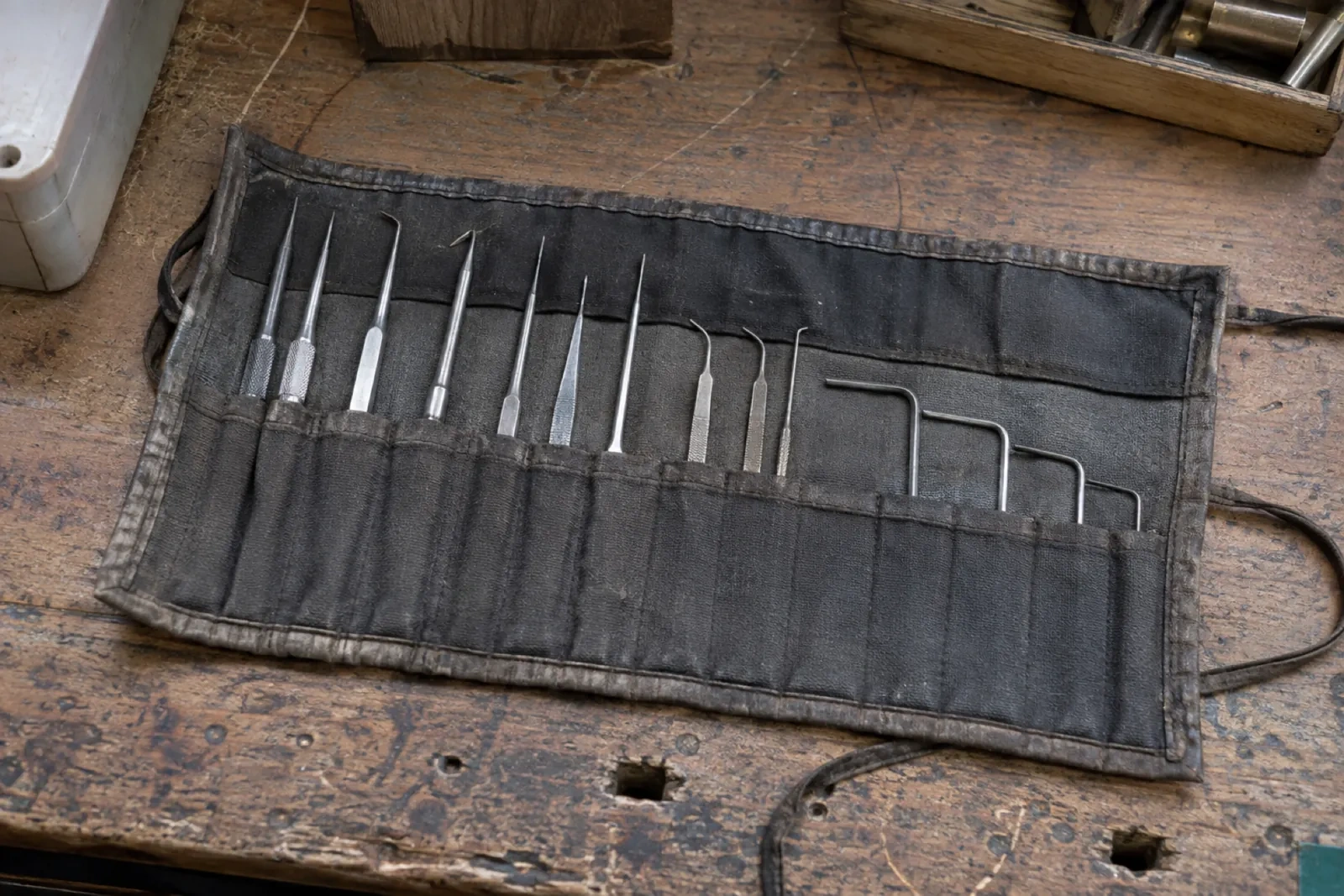
Pinning tweezers and tray
Replacement cylinder for odd keyways
Reset tool for user-rekeyable cylinders
Code cutter or key duplicator
Lock Rekeying
What affects the quote
Several units in one building
A landlord rekeying a duplex, a triplex or a small apartment building, with each suite on its own key and a common entry shared, has more cylinders and a keying chart to build, and the quote grows accordingly.
Type of lock on each door
A standard deadbolt, a knob or lever set, a mortise lock in an older door, a padlock and a smart lock's override cylinder each come apart differently and take different time on the bench.
Access to each door being rekeyed
A rekeying visit goes smoothly when every door is reachable without delay: an empty unit, a cleared hallway, or someone available to let the locksmith into each room. Locked common areas, tenants who are out, or furniture blocking a cylinder all add time the locksmith accounts for on site.
What to have ready
- Is there a basement suite or office that should keep its own key?
- Do you know the age of the locks or whether any is a restricted type?
- Are any of the locks keypad or smart locks with a backup key?
Lock Rekeying: questions
QuestionsCan the entry door of my condo suite be rekeyed?
Often, but check with your property management first. Condominium corporations have a right to enter a unit on reasonable notice, and without notice in an emergency, and many buildings ask that suite doors stay on a system the corporation can open or that a key be lodged with management. Lobby, garage and locker-room doors belong to the corporation and are theirs to manage. A locksmith will ask about your building's rule and work within it.
I rent. Can I have my locks rekeyed?
Yes, with your landlord's agreement, which is what the tenancy rules here expect before a tenant changes a lock. Most landlords are glad to consent when a key has gone missing or a former roommate has moved out, and the locksmith will want to hear that the landlord knows and will be holding one of the new keys. The rekey itself runs the same as for an owner, and a short note listing the doors done is handy to pass to the landlord.
My house is older and has a mortise lock. Can that be rekeyed?
Yes. A mortise lock, the kind with a large case set into the edge of the door, uses a threaded cylinder held by a set screw reached from the door's edge. The cylinder unthreads, is pinned like any other and screws back in. Where a very old lock uses a bit key or a lever mechanism instead of a pin cylinder, the locksmith will explain the options, which may include fitting a modern cylinder into the existing case so the door keeps its original hardware.
Related services
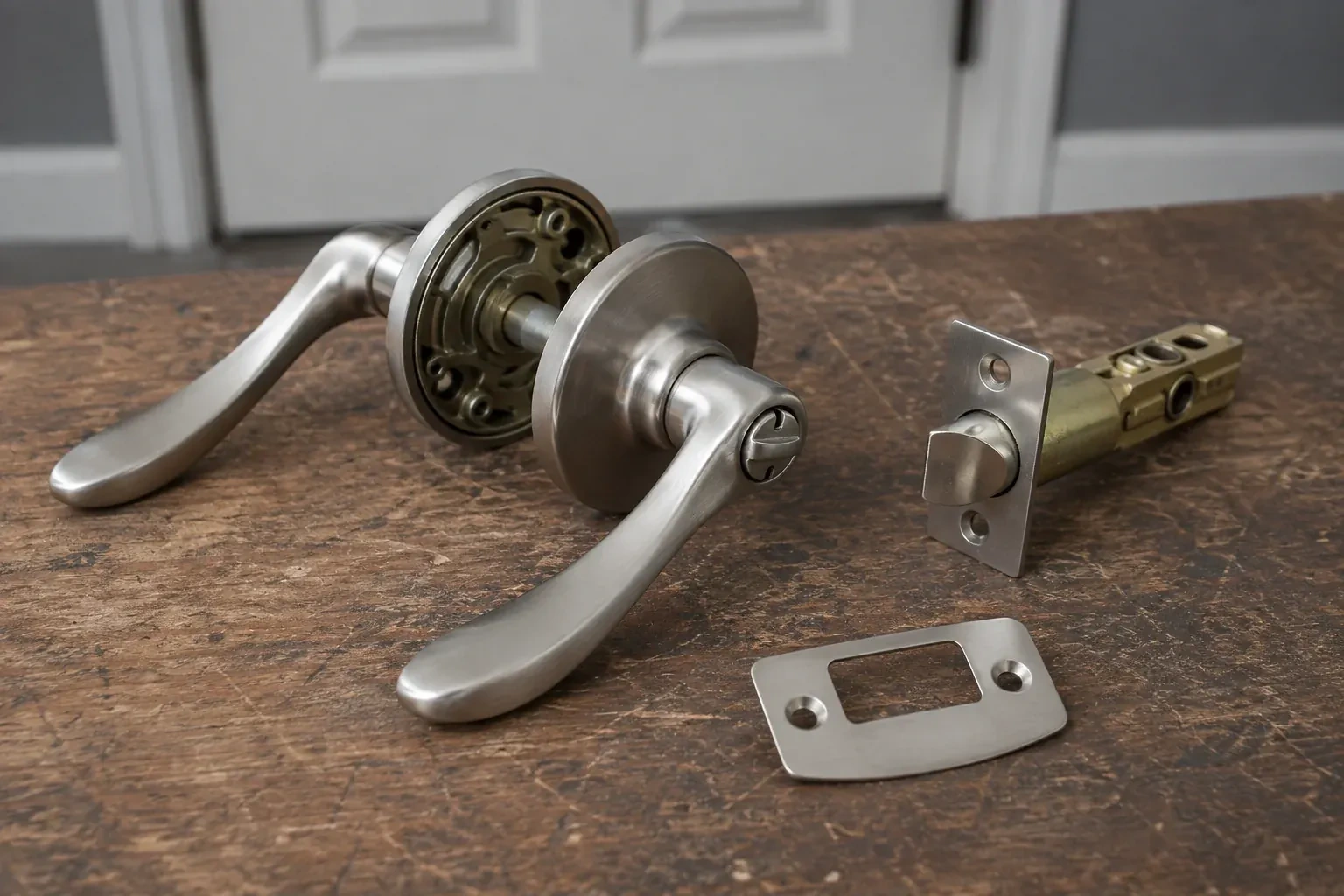
- Lock Replacement & UpgradeThree teenagers, a dog walker, a cleaner and one house key that keeps going missing.
- Vintage Mortise Lock ServiceSomeone painted the door years ago without removing the hardware.
- Smart Lock InstallationYou have just taken possession of the house and the previous owners handed over a keypad deadbolt with a code nobody wrote down and an app account you cannot get into.