Locksmith in Petersburg, OntarioStraight talkabout what's on your door
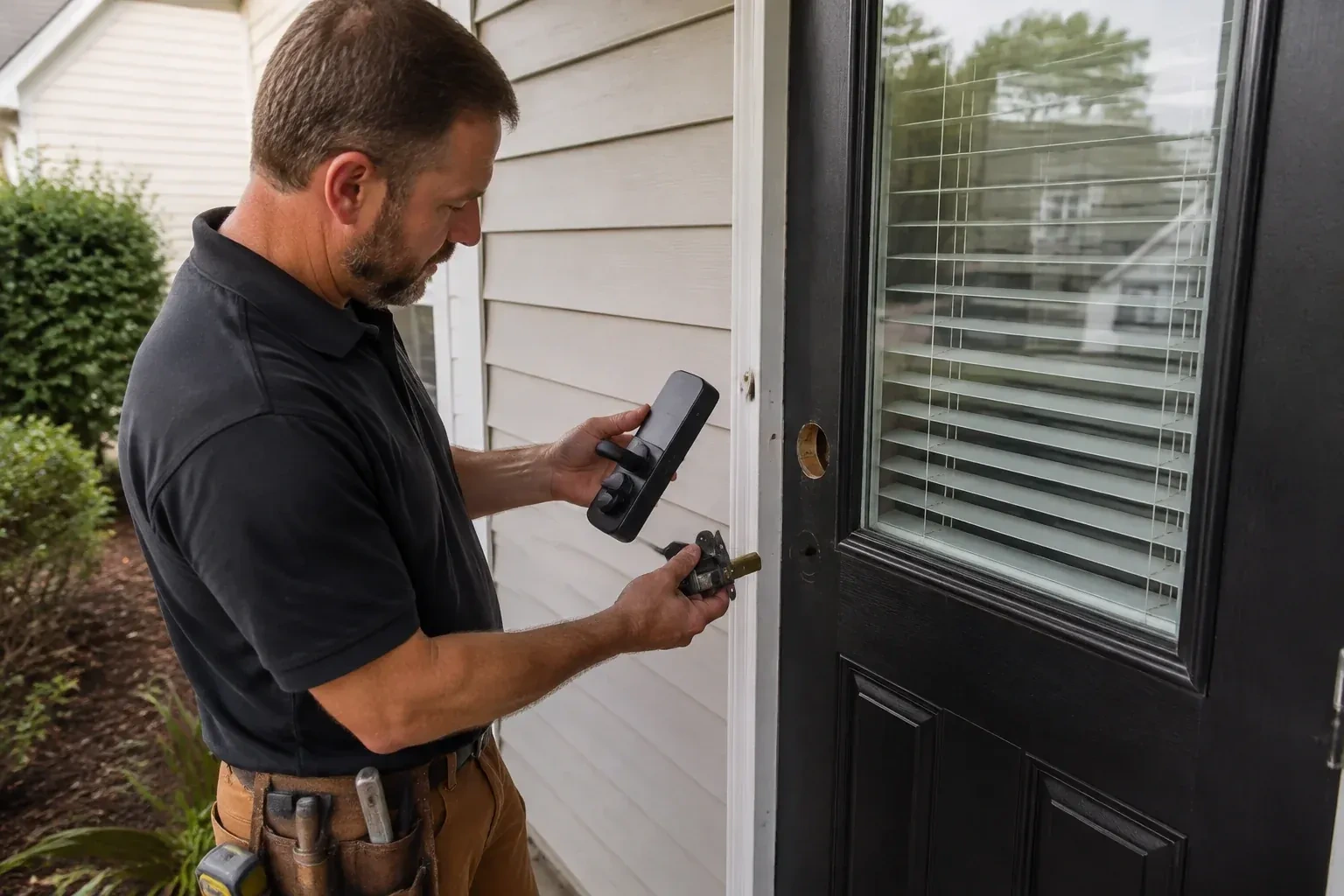
You should know what protects your home and why it matters. For households in Petersburg we grade the hardware already fitted, point out the weak link, whether that is a short strike screw or a cylinder that picks easily, and suggest only the changes that make a real difference. We also come out to Schindelsteddle.
You should know what protects your home and why it matters. For households in Petersburg we grade the hardware already fitted, point out the weak link, whether that is a short strike screw or a cylinder that picks easily, and suggest only the changes that make a real difference. We also come out to Schindelsteddle.
Plain talk, tidy work.
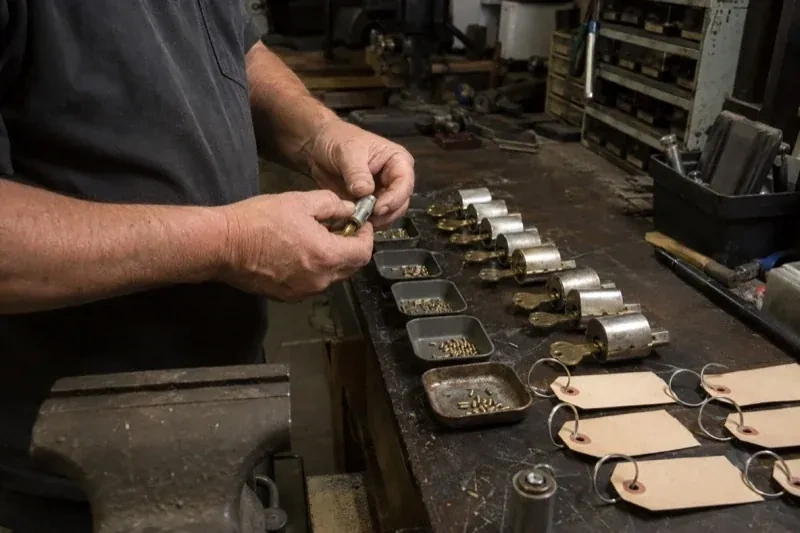
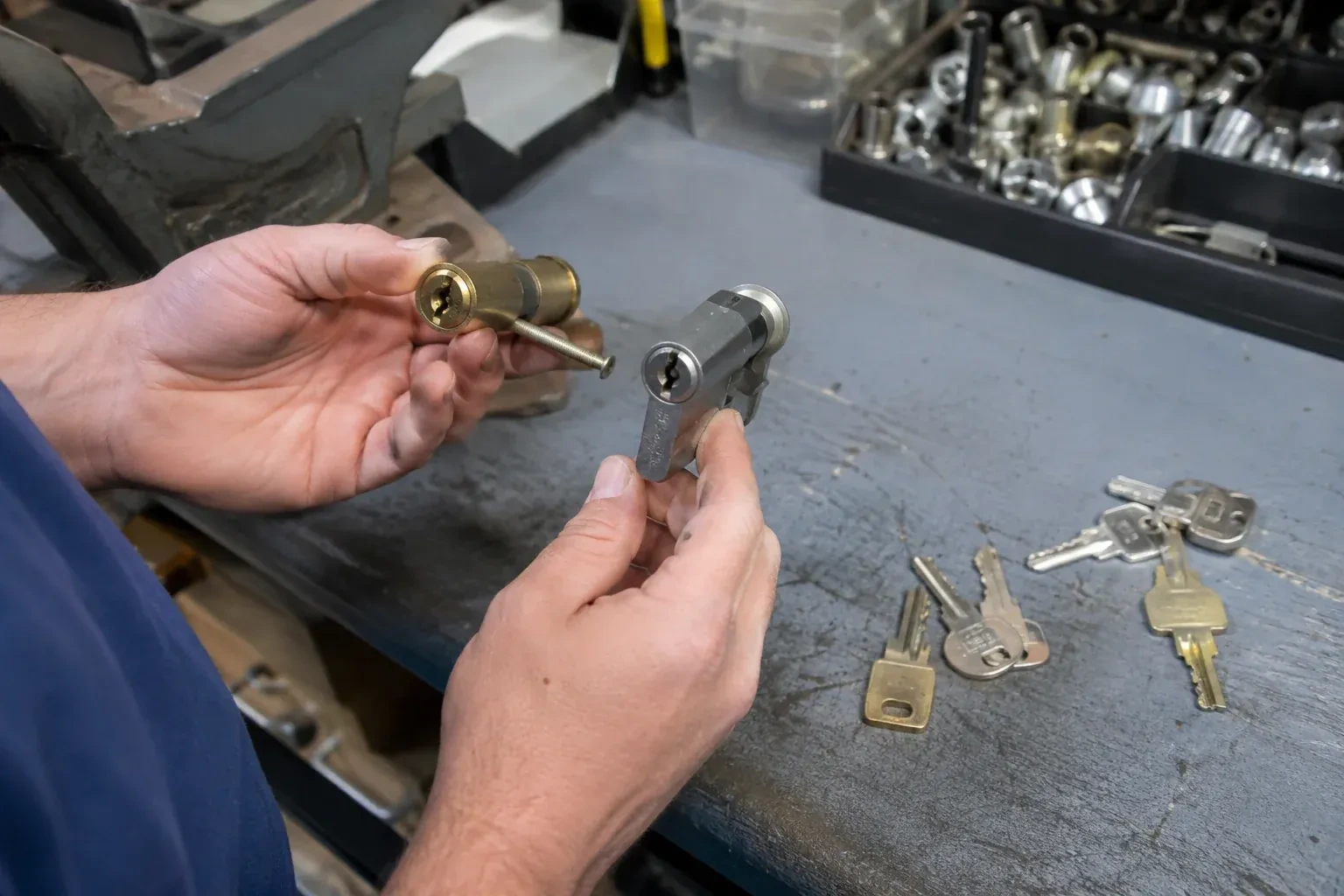
The van that comes to Petersburg carries what the job is likely to need: cylinders in the common finishes, pinning kits, strike plates in several depths, blanks for house and vehicle keys, and the small screws that always seem to be missing. Being stocked means the work is finished in one visit and you can compare real parts at the door rather than photos on a screen.
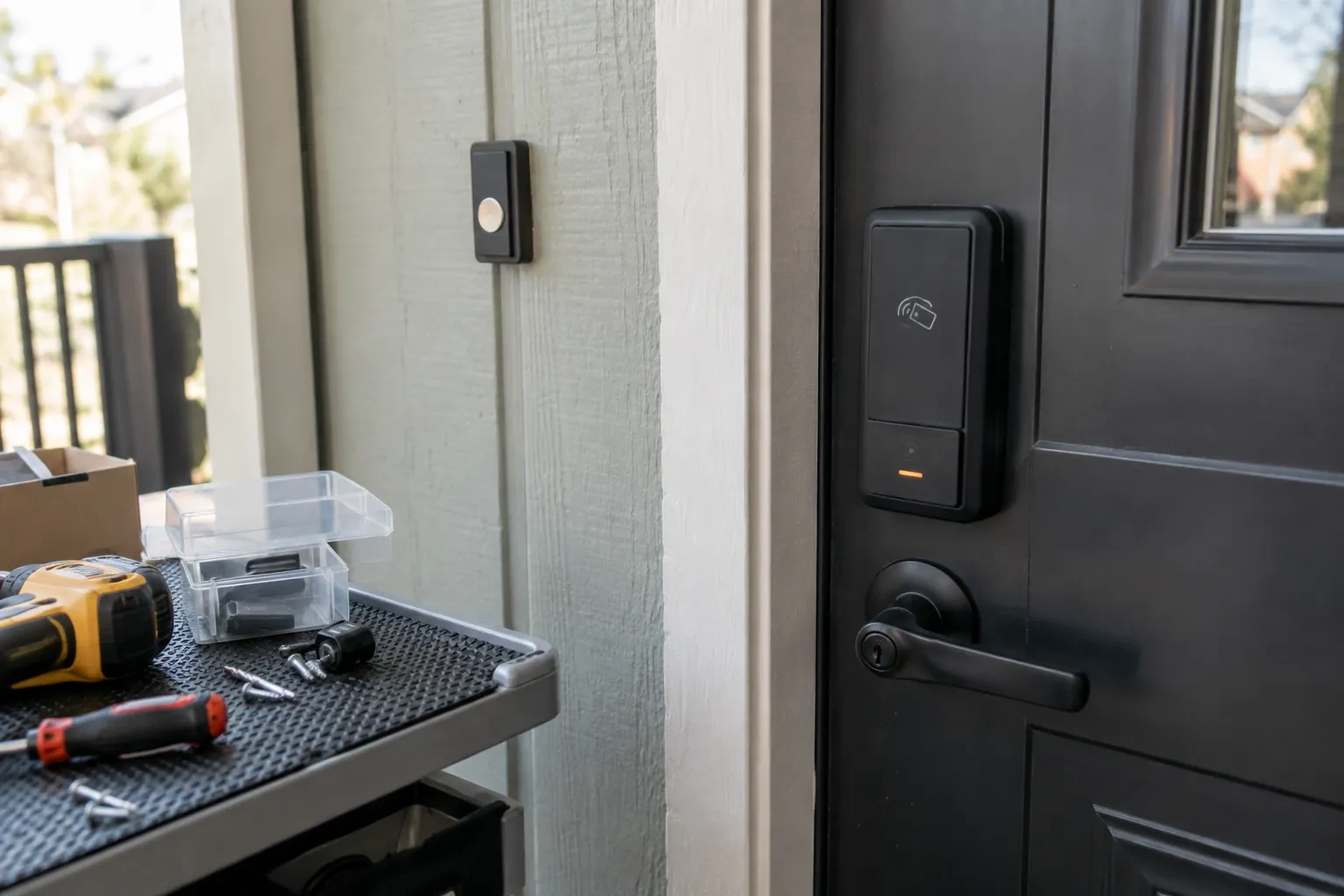
Offices and clinics in Petersburg often need access managed for a changing group of people. We set up master-key systems, install keypads or card readers where they make sense, and keep mechanical locks working alongside the electronics. The aim is a system the office manager can run without calling us, backed by hardware that closes and locks properly every time.
11years in business
24/7open every day
Identity checked, politely. For openings and key work we confirm you have the right to be there. We explain why we ask, and we ask everyone.
Work you can watch. There is nothing hidden about what we do. Stand beside us, ask questions, and we will show you what the lock looks like inside.
Clean hands, clean floor. We put down a mat where there is drilling, wipe the hardware down and leave the area as we found it, only with a working lock.
Every lock service we provide in Petersburg starts with the same first step, which is looking at the door properly before deciding anything. The individual pages below explain what that look involves for each job, how the work is carried out, and what to expect from the hardware afterwards.
About 41% of homes in Wilmot were built in 1980 or earlier, according to the 2021 Census.
Where homes of different generations sit together, additions and renovations are common. A house may have an original front door and a much newer side entry, and bringing both onto the same key and the same standard is a regular job.
Single-detached houses make up about 79% of homes in Wilmot (2021 Census).
Mostly houses
Where homes are mostly detached, patio and sliding doors deserve attention alongside the hinged ones. Auxiliary locks, pin locks and better latches for sliders are routine additions that a locksmith brings on the same visit as the front door work.
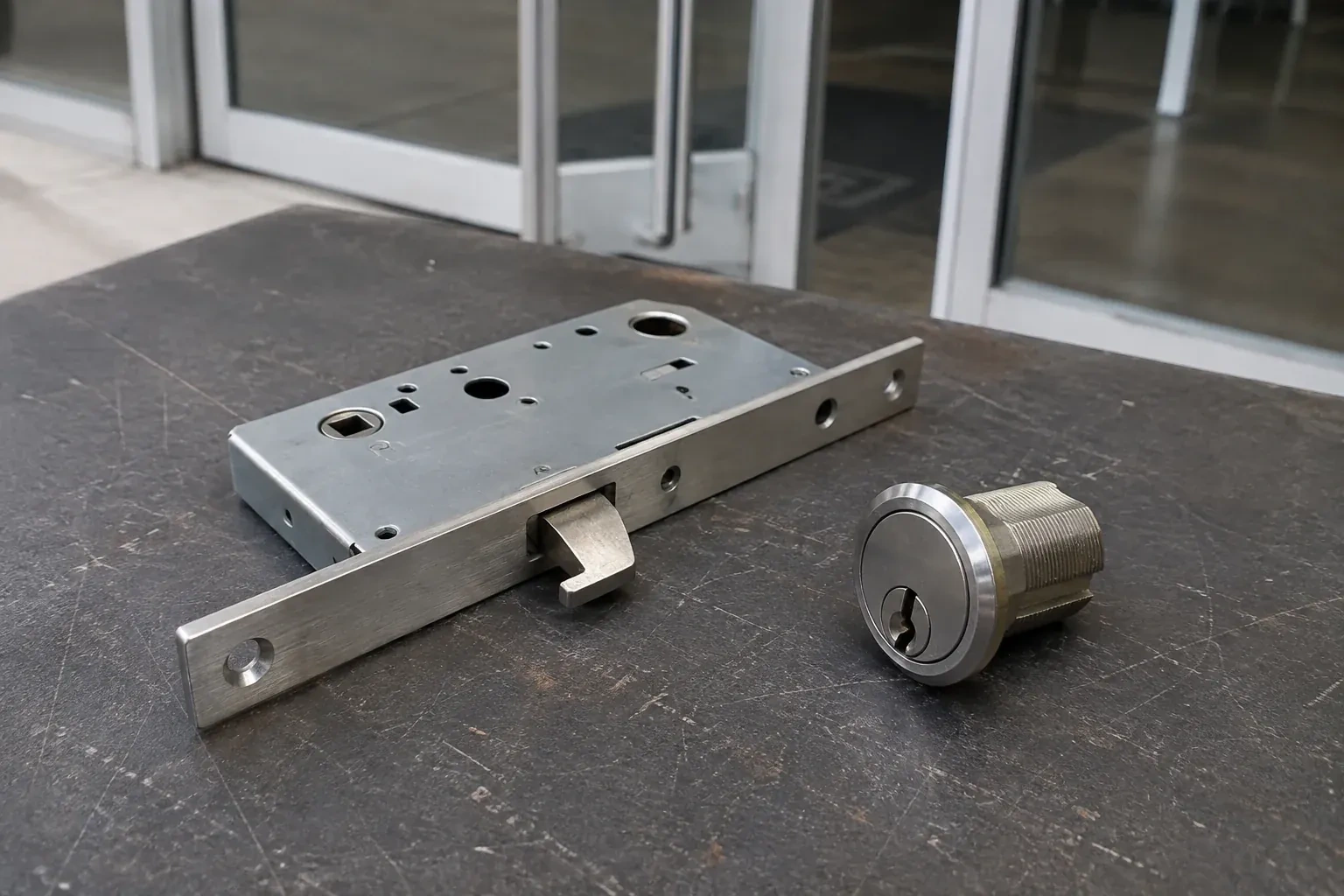
Ordinary locks keep out the curious. High security locks keep out someone who has decided to get in and has tools. The difference lives in four places: cylinder, bolt, strike and key, and each is explained here in plain terms.
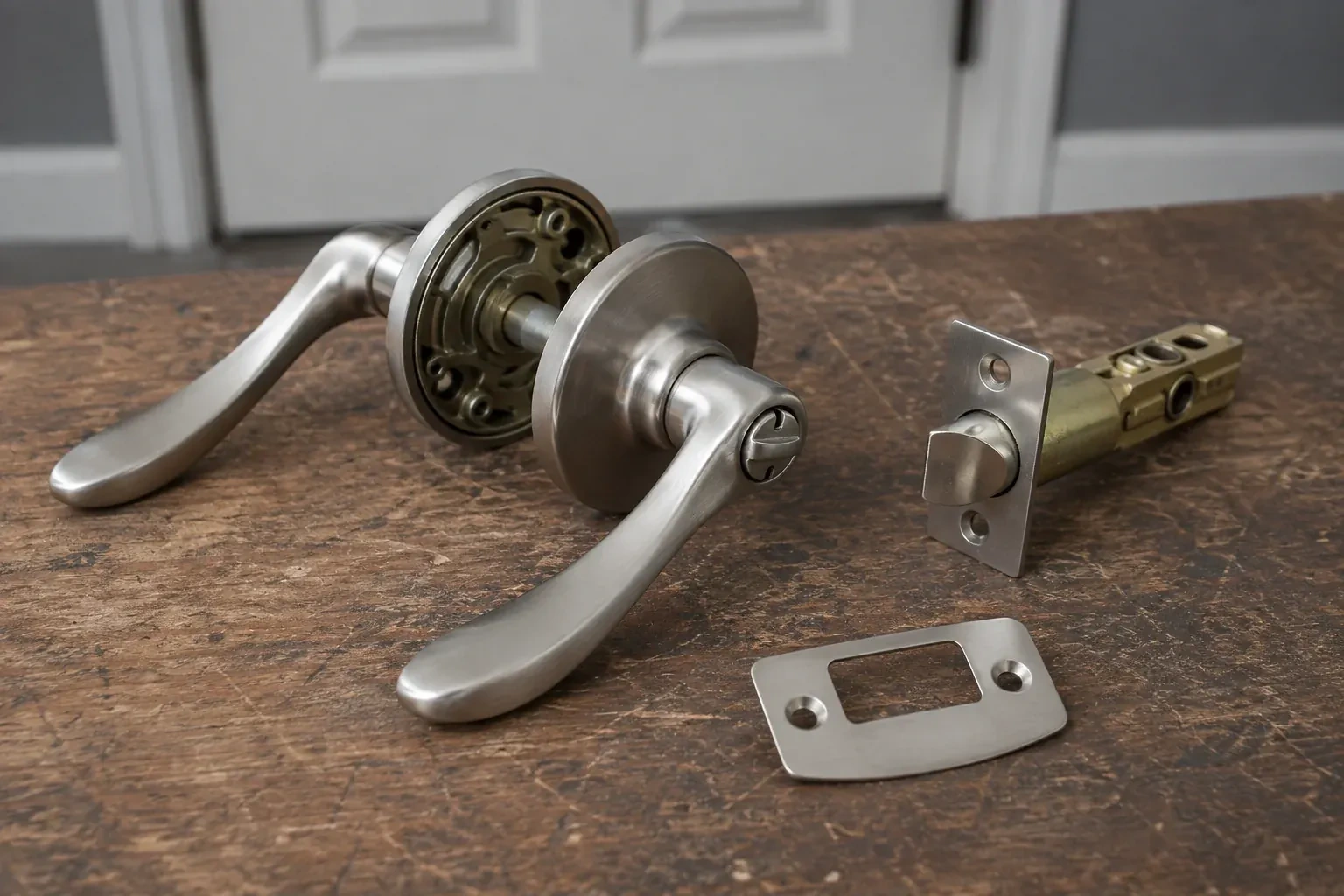
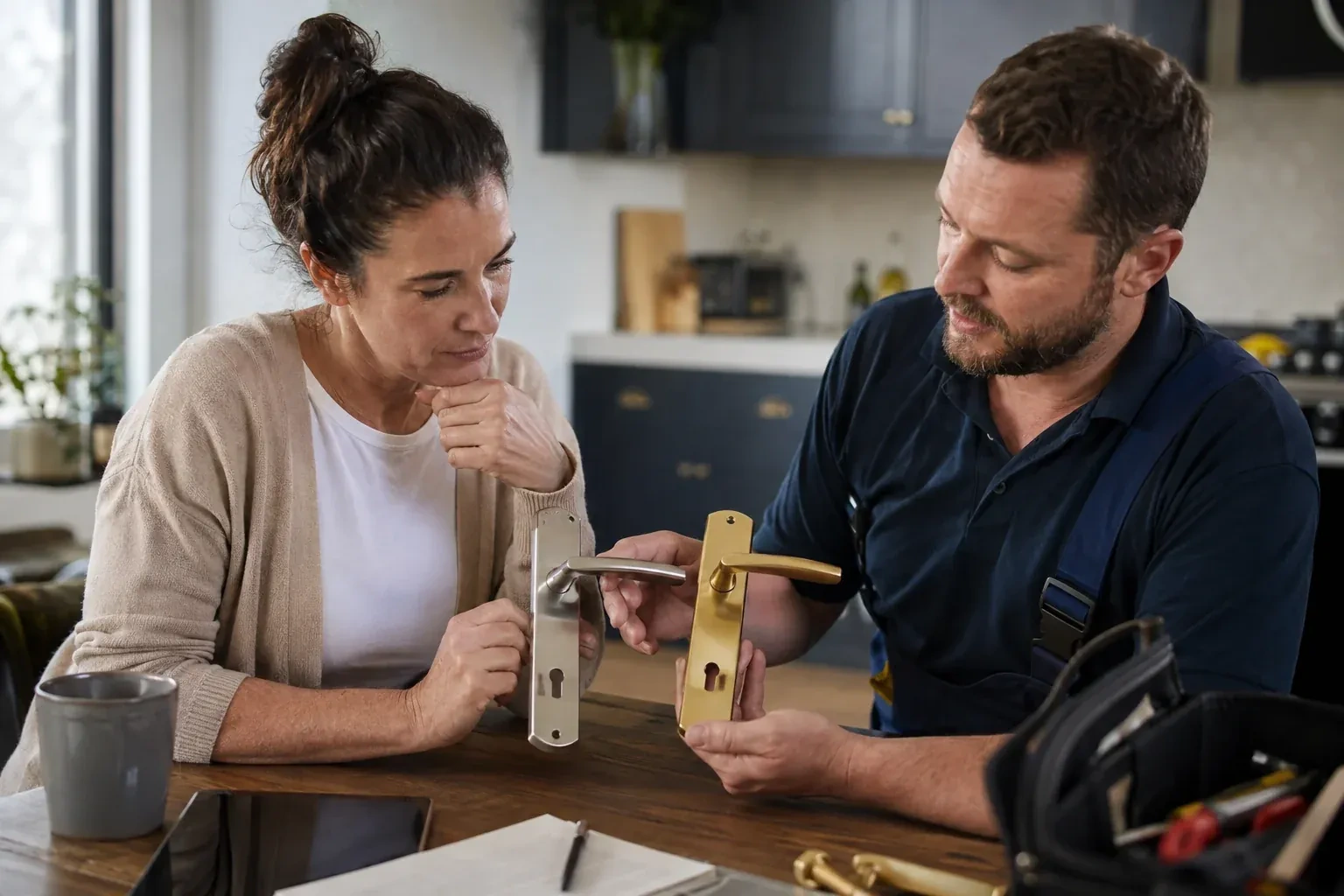
You bought a keypad deadbolt online and pulled the old one off, only to find the hole in the door is a different size and the bolt latch sits at a backset the new kit does not list.
Police have come and gone, the occurrence number is on a sticky note, and you are standing in a cold hallway looking at a splintered frame, wondering how the house gets locked before everyone tries to sleep.
Services here appear in the order a business tends to need them: a lockout or a lost key first, then rekeying, then a master system, then exit hardware and access control as the premises grow and the staff list lengthens.
The pharmacy's drop safe has a keypad that finally lost power for good, and the little override key that was supposed to live behind the counter cannot be found anywhere.
The accountant's office keeps a decade of client files in cardboard boxes because the only safe in the building is a small drawer safe meant for a laptop, nowhere near large enough for binders of paper.
Which fix fits?
The builder handed over your new home with a stack of identical keys, and you know the framing crew, the painters and the flooring installers all used a construction key during the build.
WhyMoving into a home is the classic moment for this service, because you inherit whatever hardware and whatever key copies the previous owners left behind.
The old skeleton key still fits the keyhole, but it now needs a jiggle, a lean on the door and a little luck before the bolt moves.
WhyInterior doors are as much a part of this work as the entry.
The property manager mentioned that half the compartments in the lobby's mailbox panel are original to the building and are starting to fail one by one, key by key, as tenants turn over year after year.
WhyOne compartment, one lock, one set of new keys, nothing else touched.
A safe sat in a late parent's basement for years, its combination known to nobody left in the family, and everyone would like to know what is actually inside it.
WhyTwo different problems can look identical from outside a locked safe: a combination that genuinely no longer opens it, and a mechanism that is jammed, corroded or blocked while the correct numbers still work perfectly.
The keypad on the side door has started sticking on cold mornings, codes get shared instead of reset, and half the staff still remember a code you meant to retire two hires ago.
WhyThe installation is not finished when the last door is wired; it is finished once the business can run the system without the locksmith standing there.
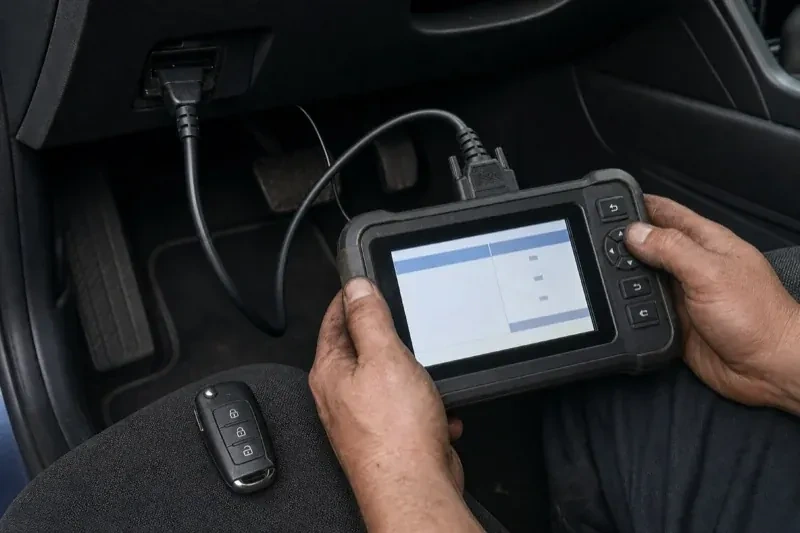
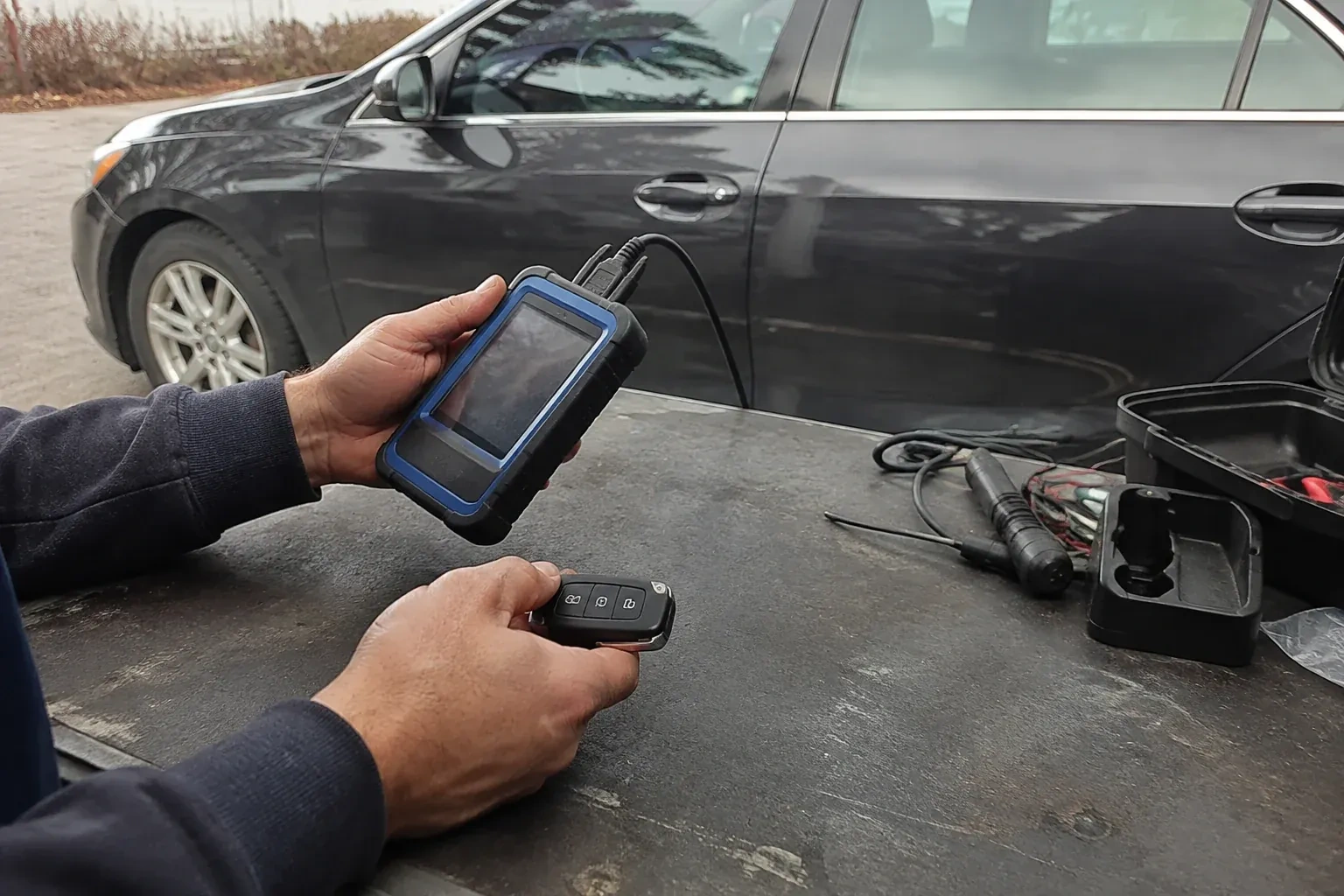
Every fob for the car disappeared at once inside a bag that was never recovered, and the vehicle now sits in the driveway with no way in and no way to start it.
WhyTransponder-based immobilizers became mandatory equipment on new vehicles sold across the country from September 2007 onward, though many manufacturers had already been fitting them for years before that date.
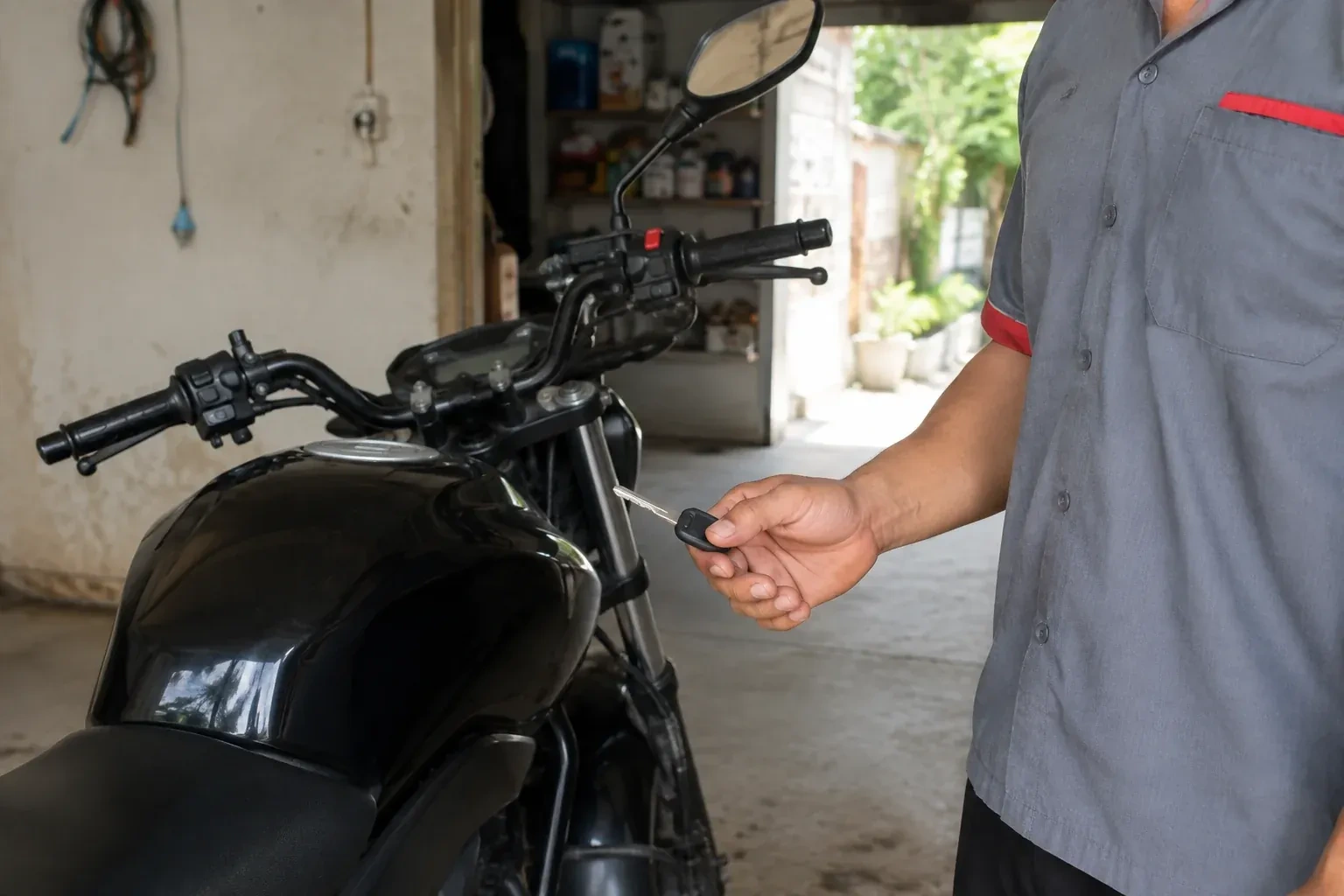
You dig through every jacket pocket and the tank bag twice, but the ignition key that always sits on the same ring is nowhere to be found.
WhyThe visit follows a steady order regardless of what caused the missing key.
Good days. Start with a turn.
1/9Lock Rekeying
The builder handed over your new home with a stack of identical keys, and you know the framing crew, the painters and the flooring installers all used a construction key during the build. The doors are brand new, but the key that opens them should be yours alone.
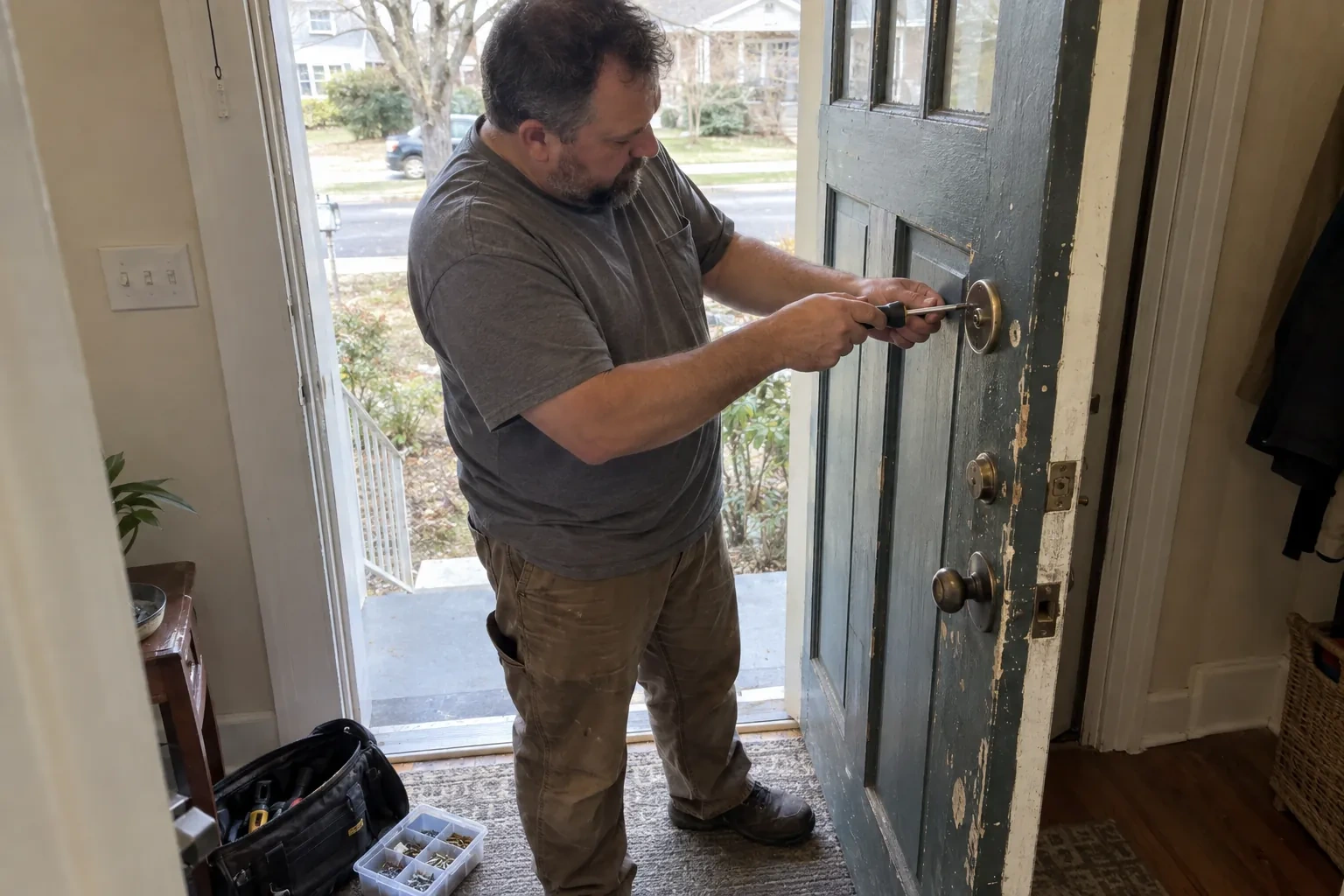
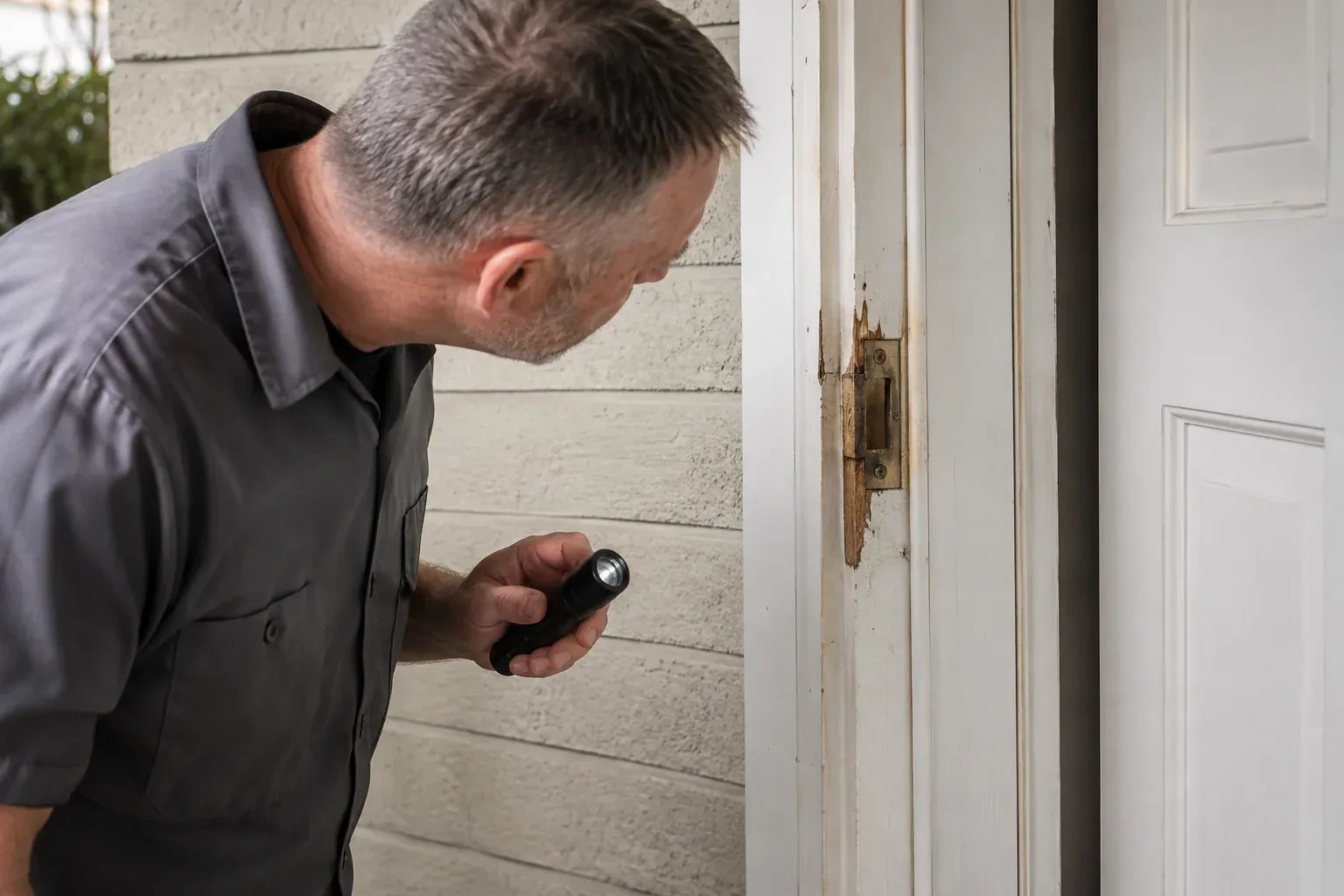
Someone tried the back door while you were away. The jamb is splintered around the strike, the bolt is bent, and the knob turns with a grinding feel. Everything held, barely, and you want hardware that would do better next time.
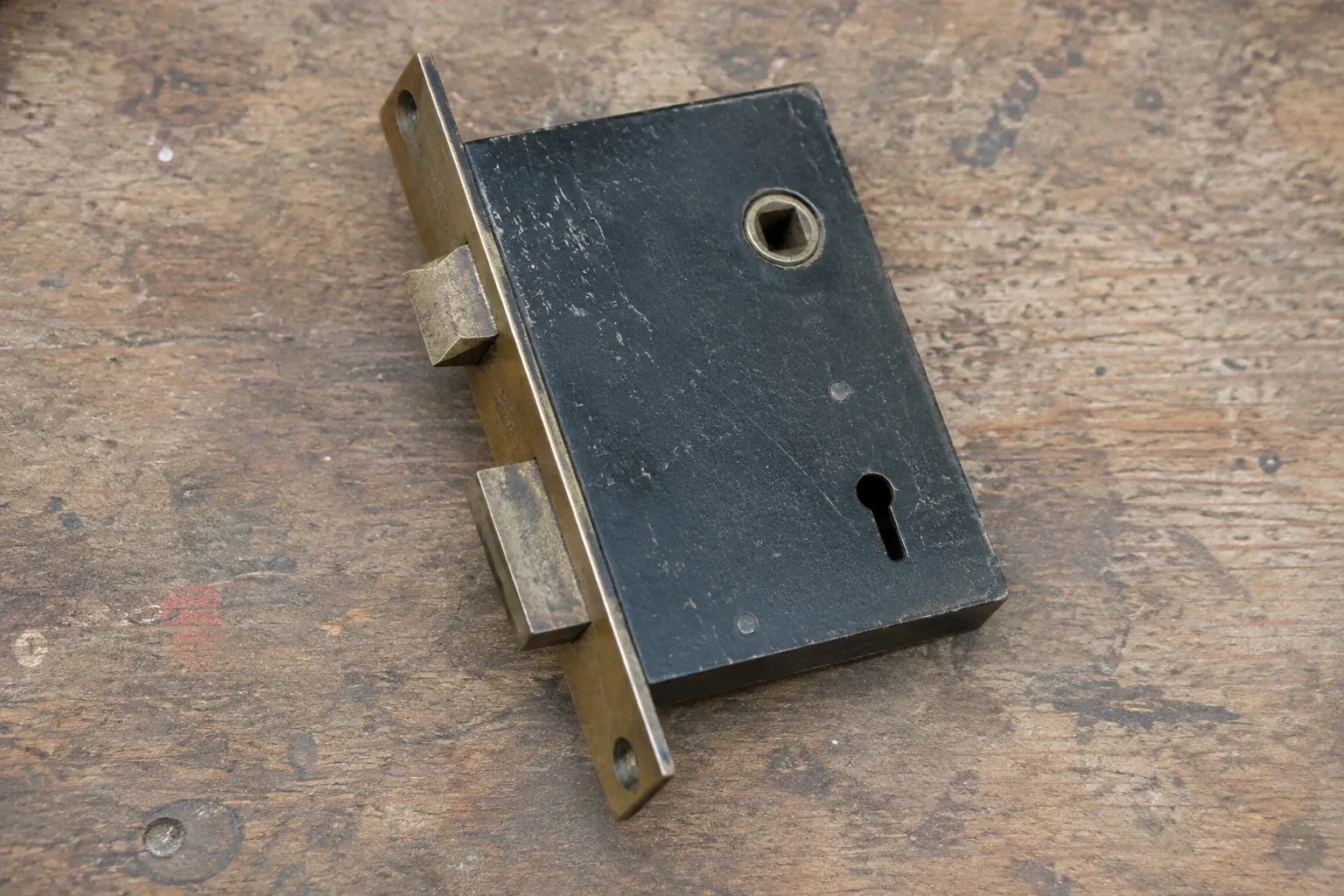
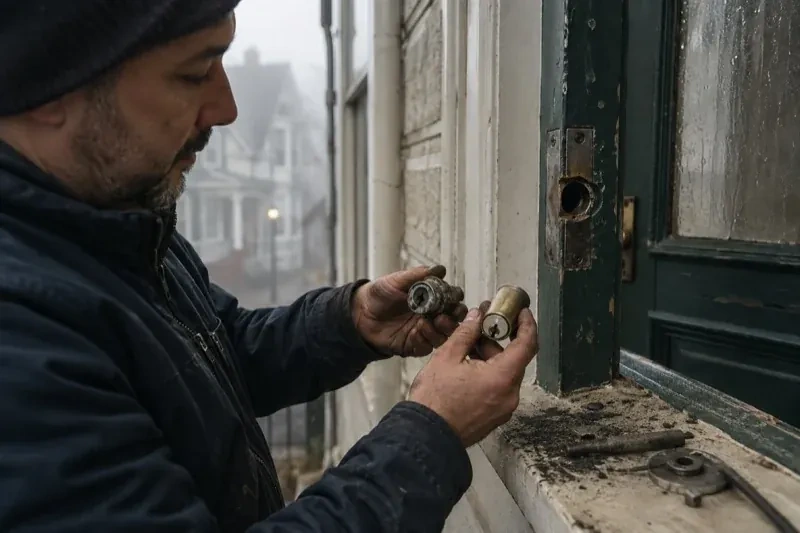
The old skeleton key still fits the keyhole, but it now needs a jiggle, a lean on the door and a little luck before the bolt moves. Last week it took three tries. You have one key and no idea where a second could come from.
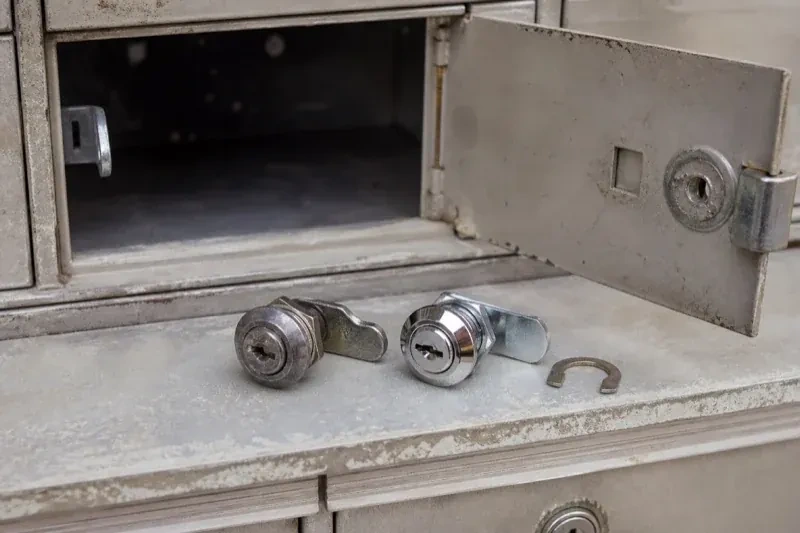
The property manager mentioned that half the compartments in the lobby's mailbox panel are original to the building and are starting to fail one by one, key by key, as tenants turn over year after year.
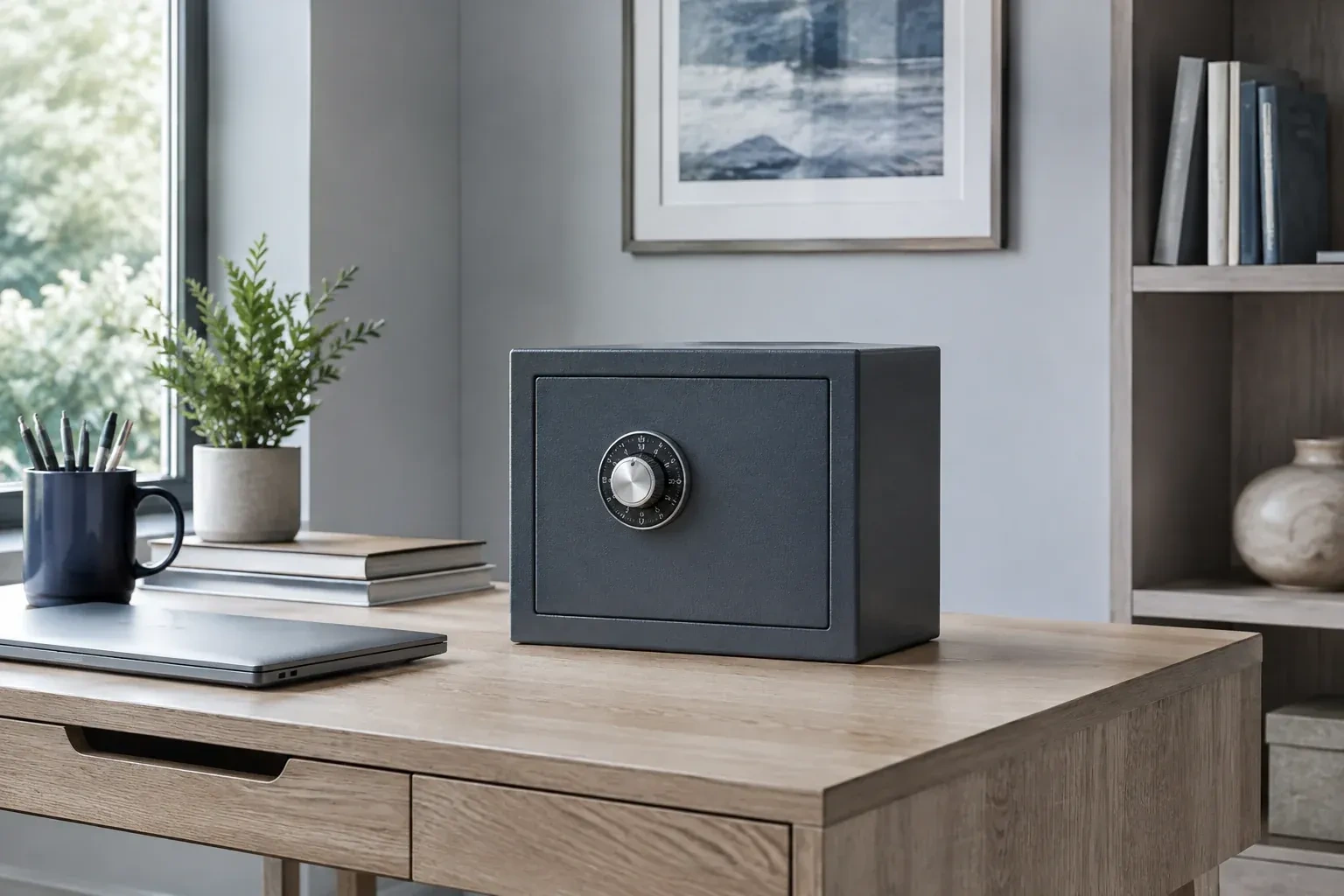
A safe sat in a late parent's basement for years, its combination known to nobody left in the family, and everyone would like to know what is actually inside it.
The keypad on the side door has started sticking on cold mornings, codes get shared instead of reset, and half the staff still remember a code you meant to retire two hires ago.
Every fob for the car disappeared at once inside a bag that was never recovered, and the vehicle now sits in the driveway with no way in and no way to start it. A dealership visit would mean arranging a tow; a mobile programming visit is the other route.
The new key slides into the ignition and turns exactly the way the old one did, but the engine only cranks. A dashboard light blinks near the fuel gauge, and no amount of turning the key gets the car past that cranking sound.
You dig through every jacket pocket and the tank bag twice, but the ignition key that always sits on the same ring is nowhere to be found. The bike sits exactly where you parked it, and nothing in reach will turn that lock.
Yes, with your landlord's agreement, which is what the tenancy rules here expect before a tenant changes a lock. Most landlords are glad to consent when a key has gone missing or a former roommate has moved out, and the locksmith will want to hear that the landlord knows and will be holding one of the new keys. The rekey itself runs the same as for an owner, and a short note listing the doors done is handy to pass to the landlord.
Is there anything different about steel or fibreglass doors?
The lock hardware is the same; the door construction changes the method. Steel and fibreglass doors have a wooden or composite block inside the lock stile, and existing bores are used wherever possible. Where a new deadbolt must be added, the locksmith drills with a jig and bits suited to the skin so the hole is clean and square, and fits an edge plate designed for that door. Insulated doors also move less with humidity, so alignment tends to hold well.
My home is a designated heritage property. Does that change anything?
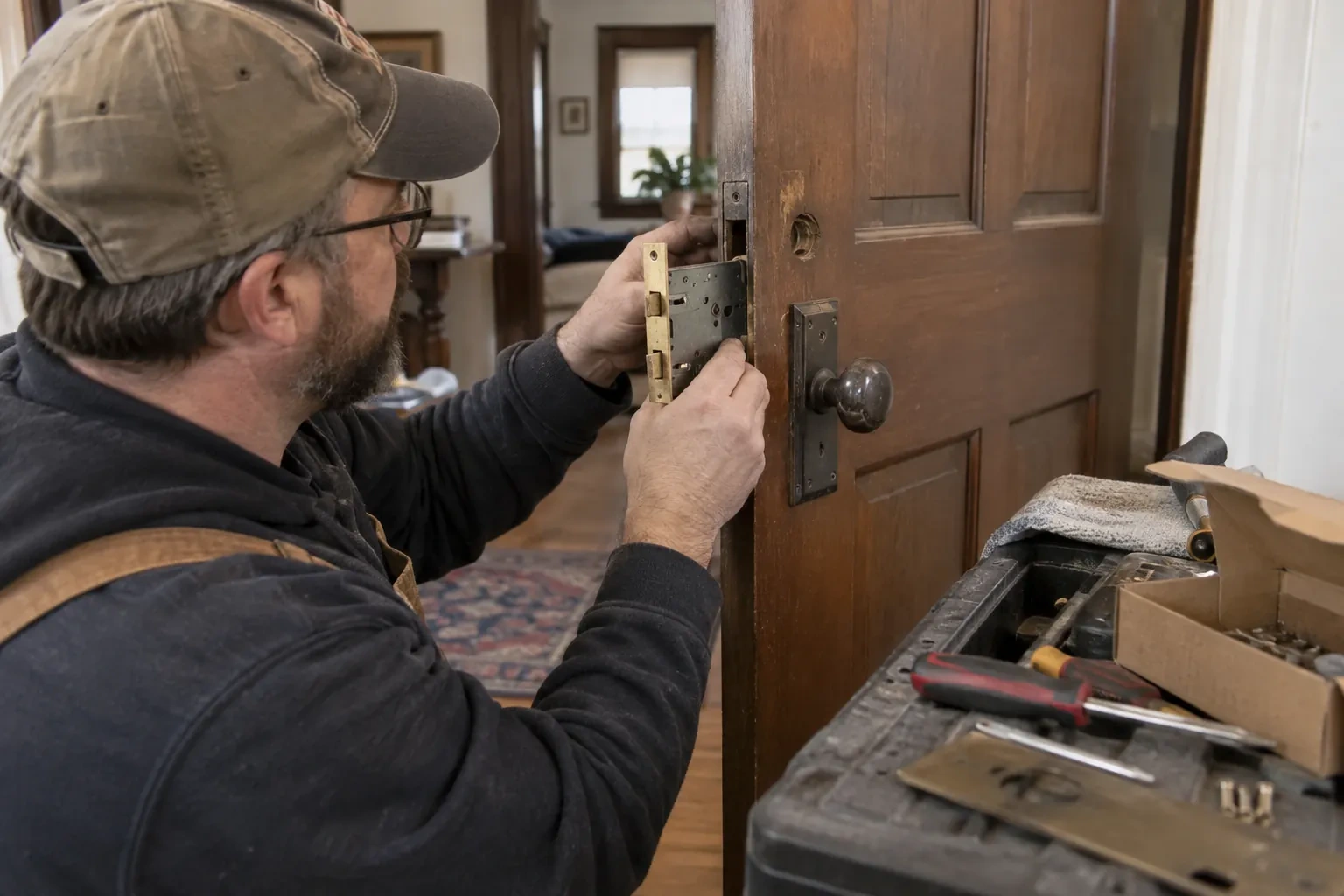
It reinforces the choice to service rather than replace. Where a property carries a heritage designation, changes affecting listed features can need extra sign-off, and original door hardware is occasionally among those features. A rebuilt mortise case with its original trim is preservation rather than alteration, and the locksmith's written record of what was retained and what was replaced is useful for your file.
Can the same key operate my mailbox and my front door?
It can, if both locks share a compatible keyway and are fitted with cylinders cut to the same combination during the same visit. This is arranged upfront, since it means keying the mailbox lock to match an existing door rather than the usual standalone replacement. Each lock involved is tested afterward so a single key turns every door named, and any other locks on the property keep their own separate keys.
I bought the safe secondhand and have no idea of the combination. Can it still be opened?
Yes. A safe with no known history is treated as an unknown from the start: the locksmith identifies the make, model and lock type directly from the hardware and works through the same manipulation, decoding or reset options used on any other safe. Proof of the purchase or transfer establishes your authority to have it opened, and the process afterward does not depend on any prior record existing.
What credential types are available: cards, codes, fobs, phones?
A proximity card or fob held near a reader, a code typed on a keypad, or a mobile credential read from a phone are all in common use, and a single building can mix them by door or by person. Cards and fobs are simple to issue and switch off individually; a keypad needs no card to lose but a shared code eventually gets passed around; a mobile credential ties entry to a device the person already carries.
Is fixing a lost key different from just adding a spare?
Yes. Adding a spare while every existing fob still works only involves registering the new one. A lost key involves that same registration plus removing the missing fob's authorization following that vehicle's own procedure, since leaving it active means whoever has it can still use it; some vehicles also relearn the fobs you keep, and a mechanical blade in the lost fob is ruled out by rekeying the matching lock. The two situations share a first step but not a last one.
Can I have a spare key made before I actually need one?
Yes, and on many vehicles it is one of the more straightforward visits in this service, since a working key already on hand can authorize the new one; a few models instead call for two working keys or a different programming route. The spare is cut, its chip is written in, and both keys are tested before the locksmith leaves, so the spare is proven rather than simply handed over untested.
Do I have to have the original key for you to cut a new one?
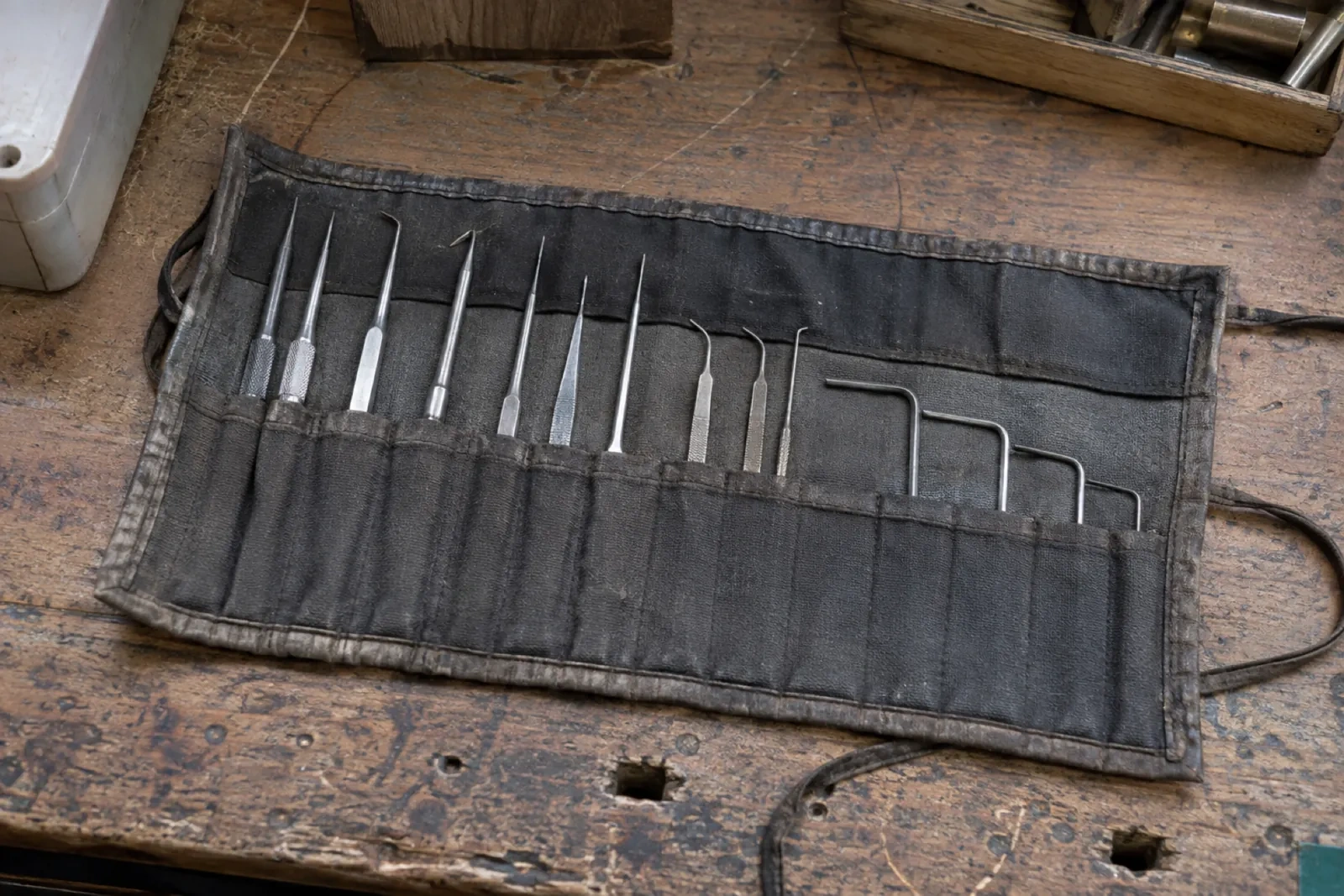
No. When every key for the machine is gone, the locksmith reads the lock directly, working out each wafer's depth by picking and reading the cylinder or using a decoder built for that keyway, and cuts a fresh key to the code that comes out of that reading. It takes longer than copying an existing key, since every wafer is read individually, but it produces a key that matches the lock rather than a guess.
Request a visit
The van that comes to Petersburg carries what the job is likely to need: cylinders in the common finishes, pinning kits, strike plates in several depths, blanks for house and vehicle keys, and the small screws that always seem to be missing. Being stocked means the work is finished in one visit and you can compare real parts at the door rather than photos on a screen.