Locksmith in Haysville, OntarioLock trouble in Haysville?Talk to a person.
You ring, a locksmith answers, and you describe what the door is doing. From there the visit is planned around your day, whether that is a shop that opens at seven or a house in Haysville where everyone is home after dinner. No call centre, no script, one company from first ring to finished door. This page also covers Blink Bonnie, Plattsville, Chesterfield and Ratho.
You ring, a locksmith answers, and you describe what the door is doing. From there the visit is planned around your day, whether that is a shop that opens at seven or a house in Haysville where everyone is home after dinner. No call centre, no script, one company from first ring to finished door. This page also covers Blink Bonnie, Plattsville, Chesterfield and Ratho.
Plain talk, tidy work.
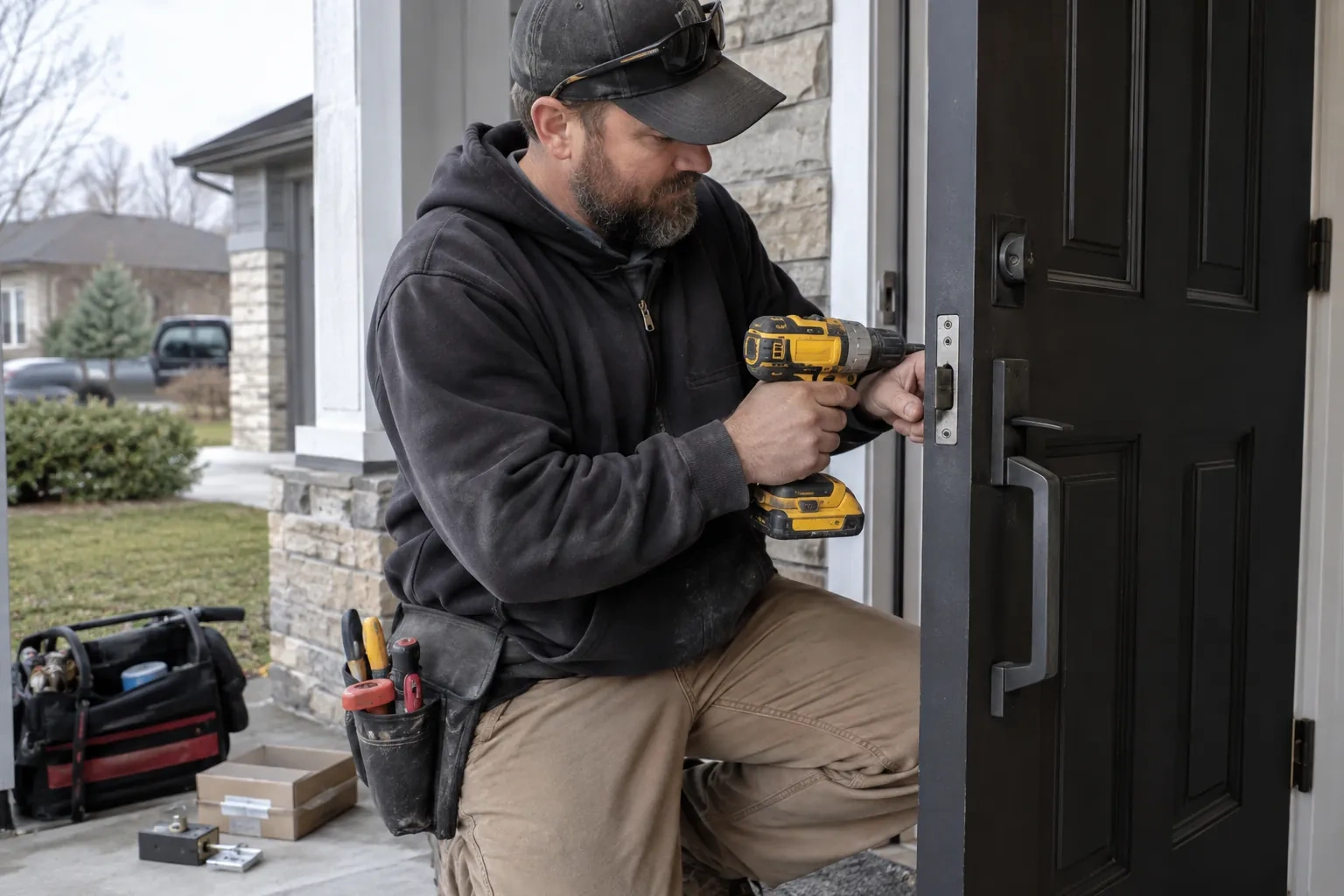
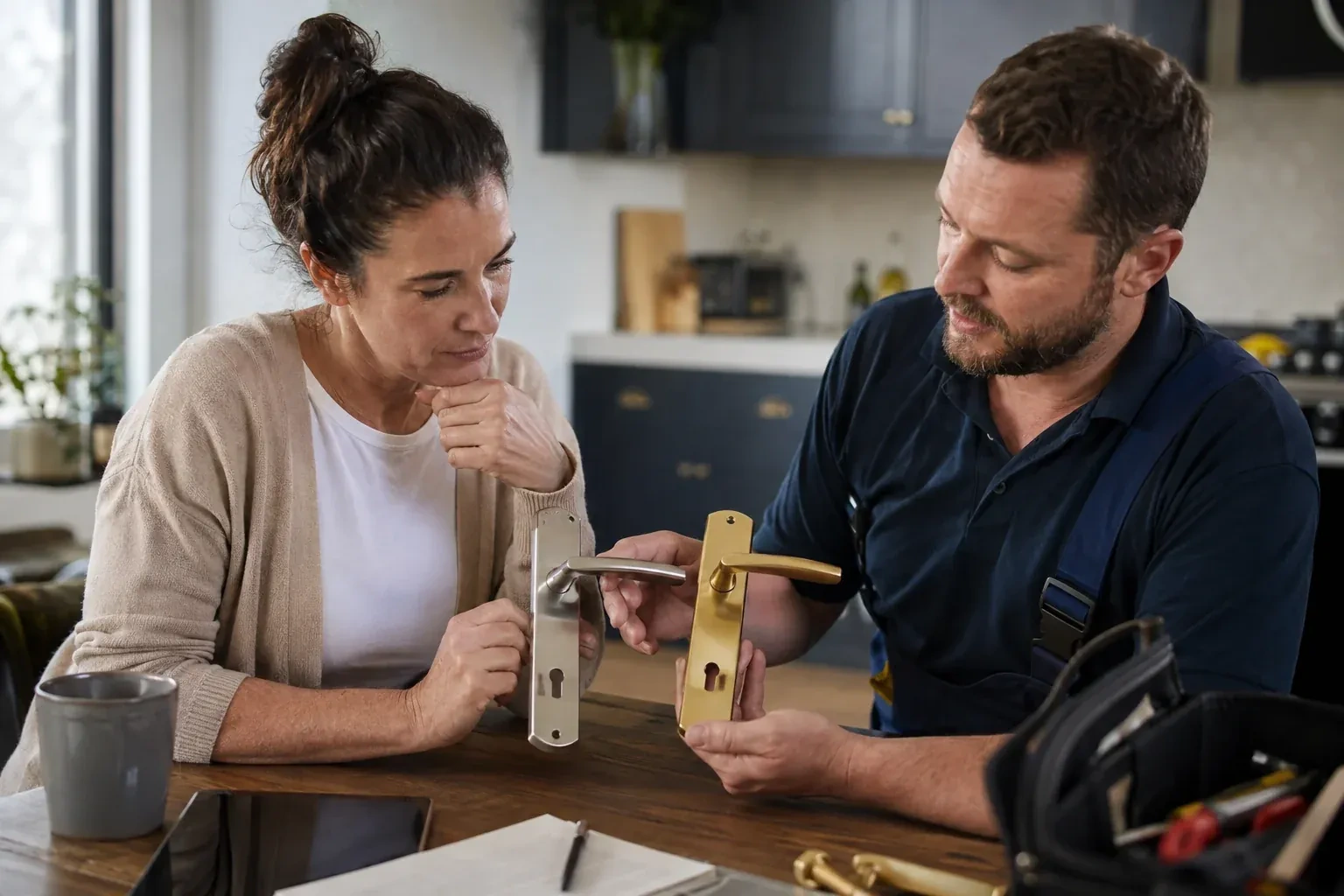
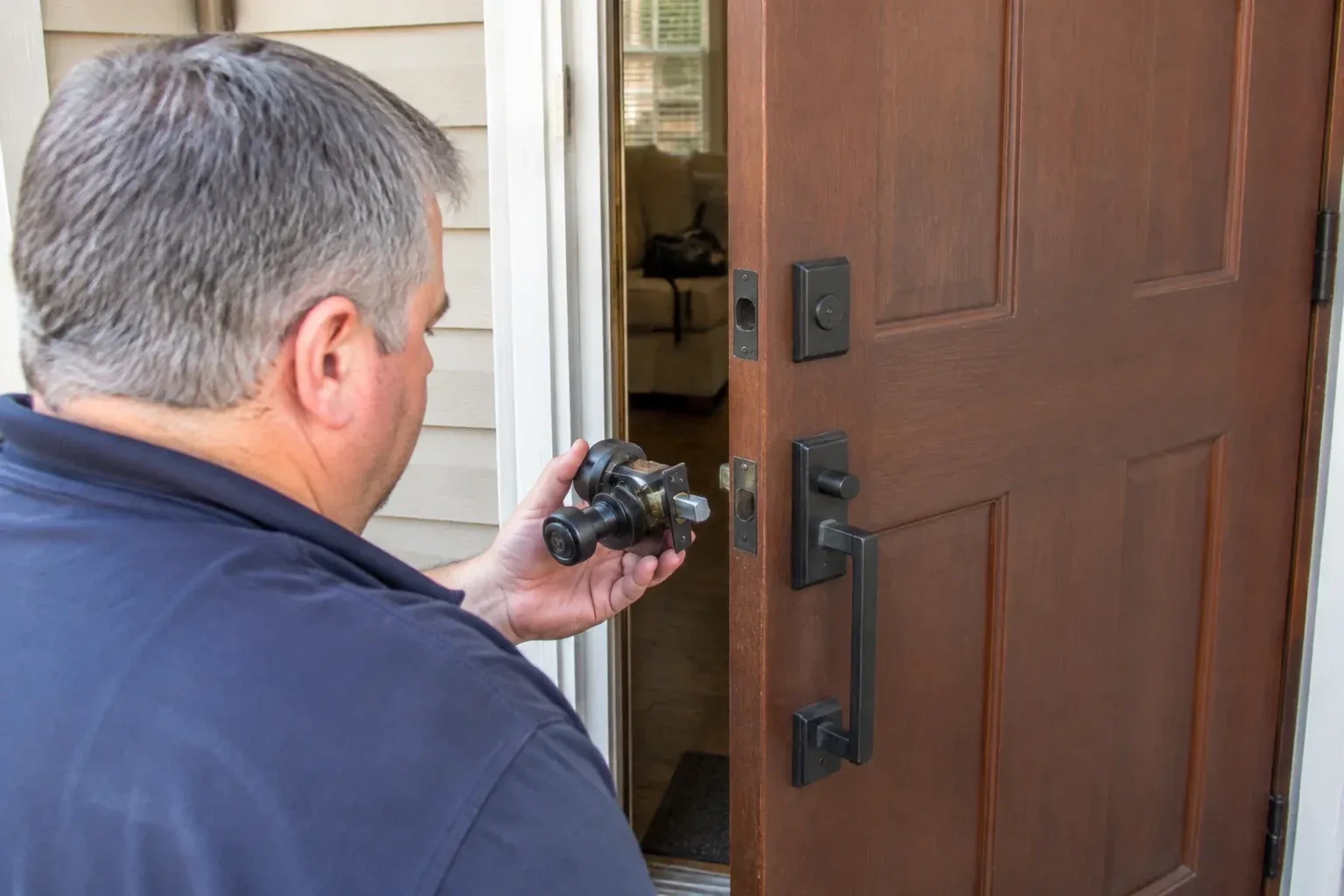
In Haysville we think about how a door is actually used before choosing hardware. A back door staff prop open needs a different answer than a front door a family uses twice a day. A side entry for a teenager who forgets keys may want a keypad. We ask those questions first, then match the lock to the habit.
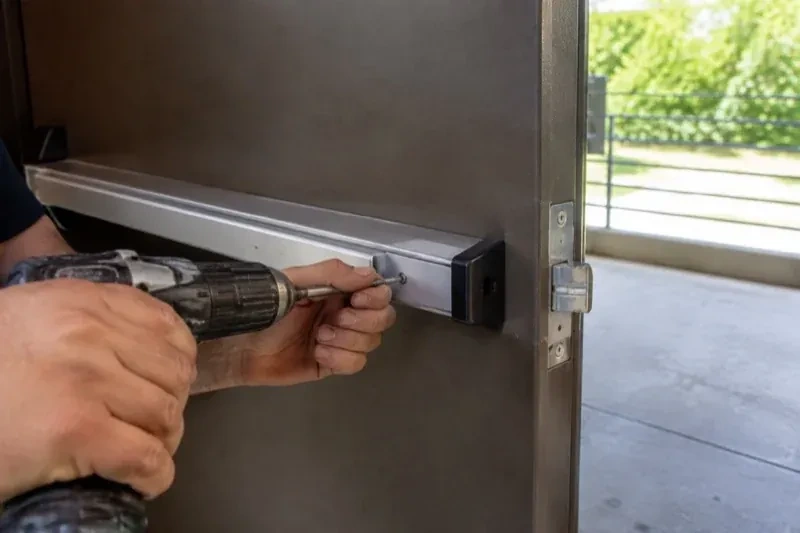
Panic hardware and exit devices in Haysville businesses need to let people out easily while keeping the outside secure. We install and service them with attention to how the door actually closes, because a device that works on the bench but not on a sagging door has solved nothing. We explain the practical point of each part as we fit it.
11years in business
24/7open every day
Identity checked, politely. For openings and key work we confirm you have the right to be there. We explain why we ask, and we ask everyone.
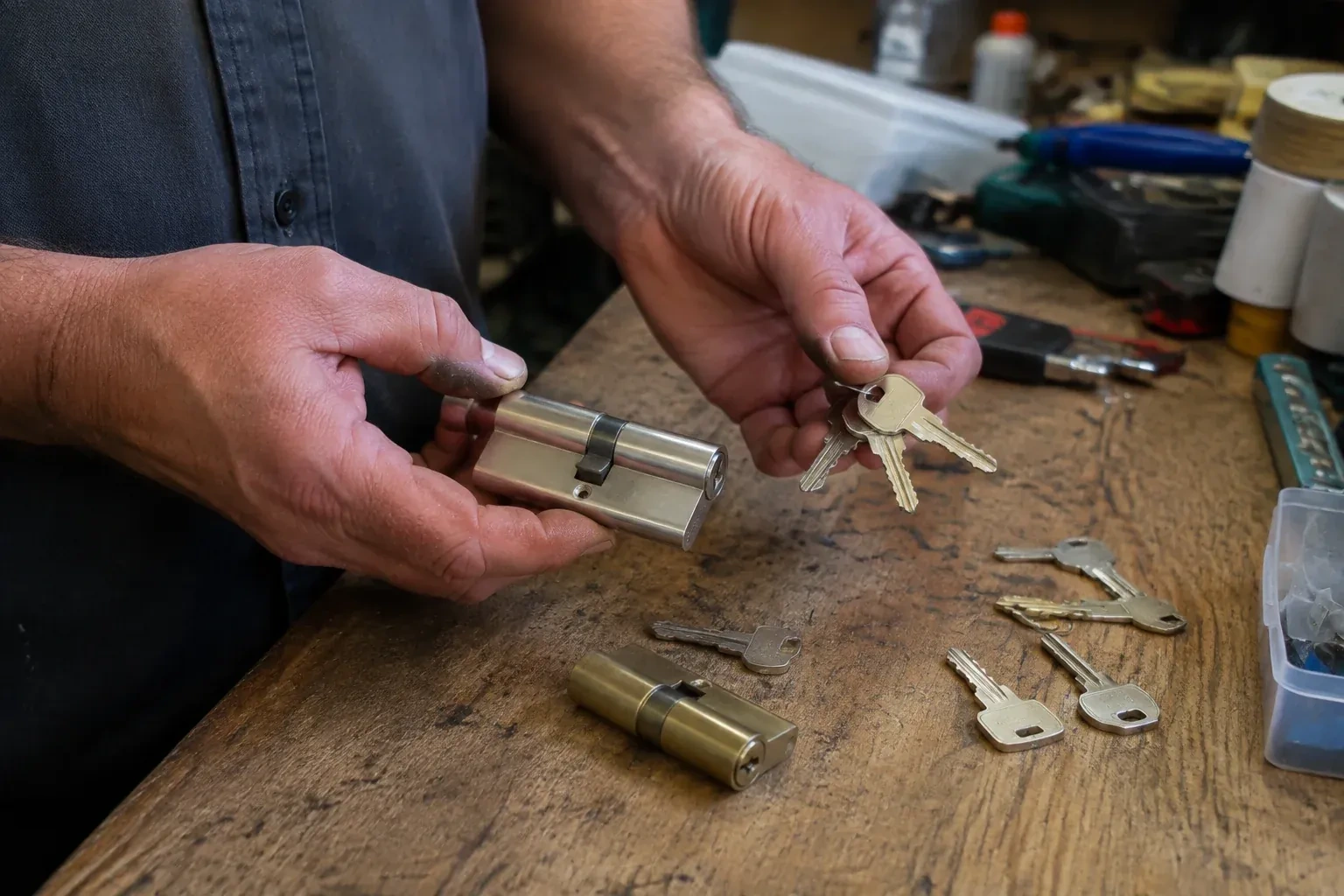
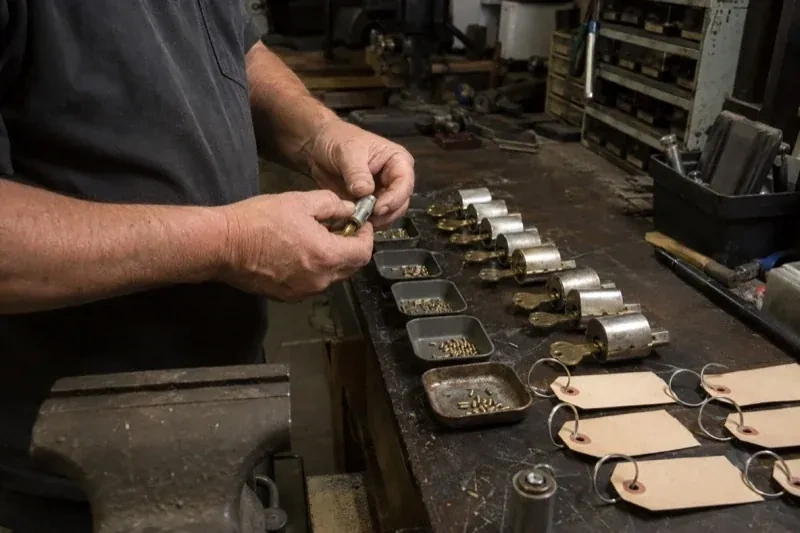
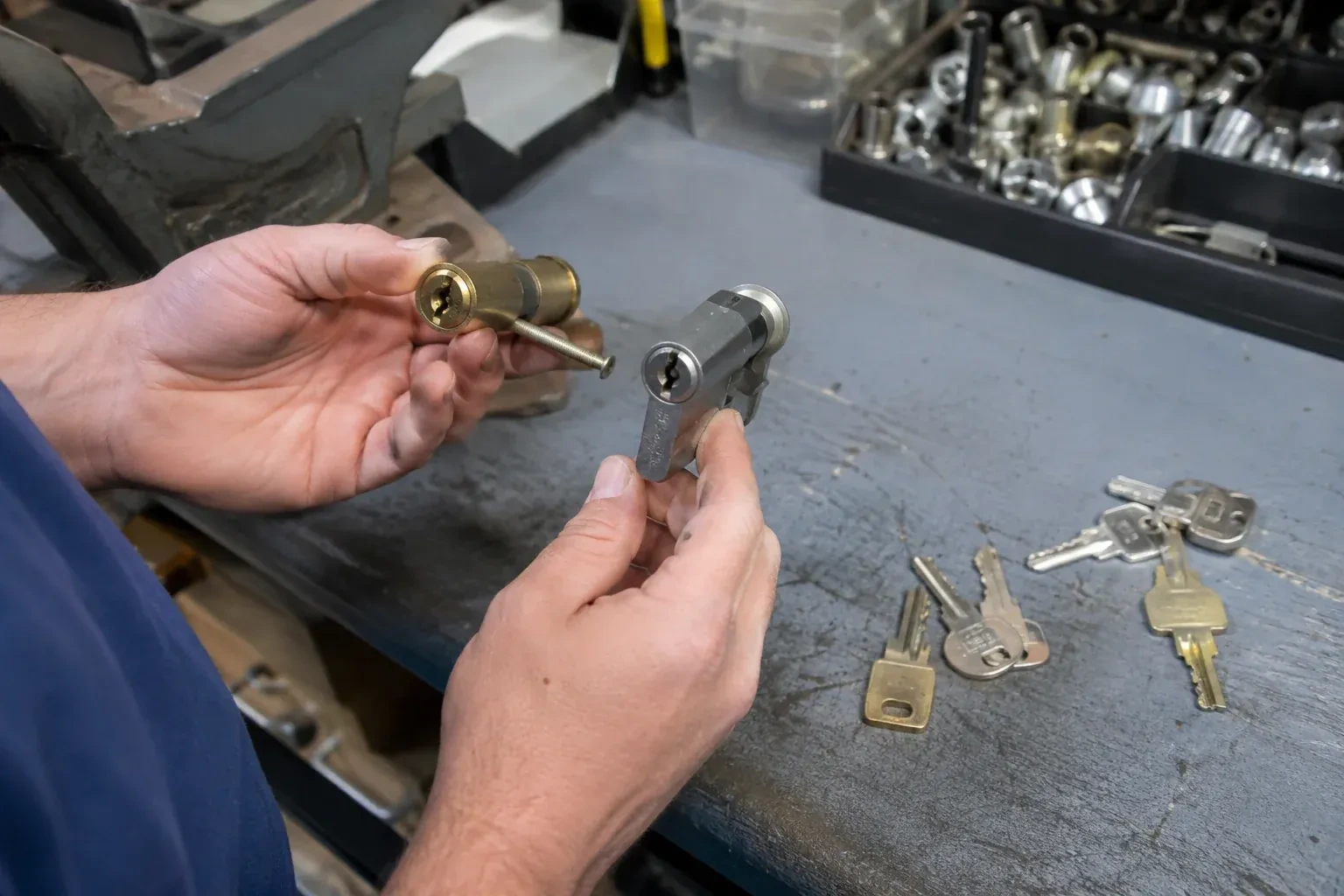
Work you can watch. There is nothing hidden about what we do. Stand beside us, ask questions, and we will show you what the lock looks like inside.
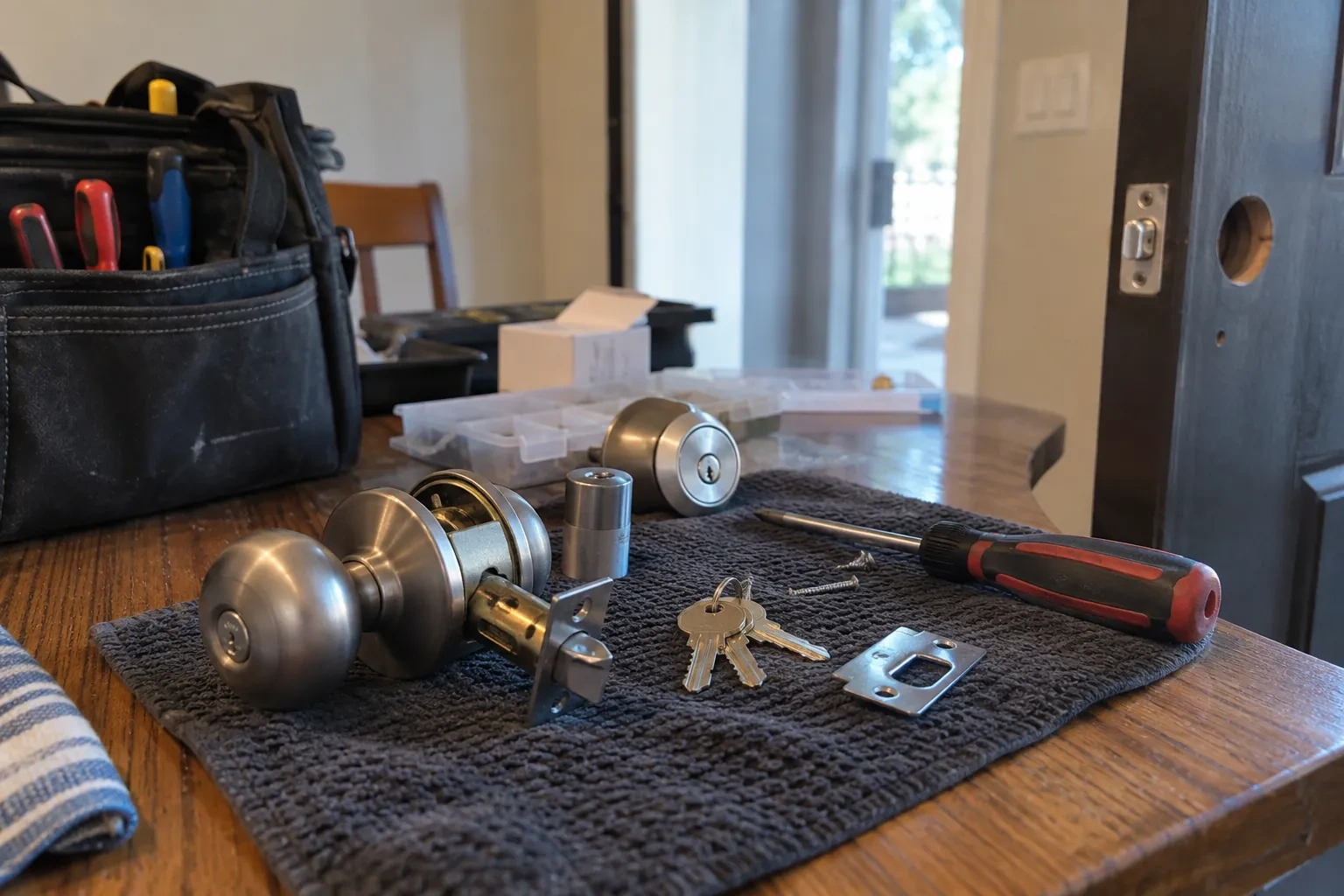
Clean hands, clean floor. We put down a mat where there is drilling, wipe the hardware down and leave the area as we found it, only with a working lock.
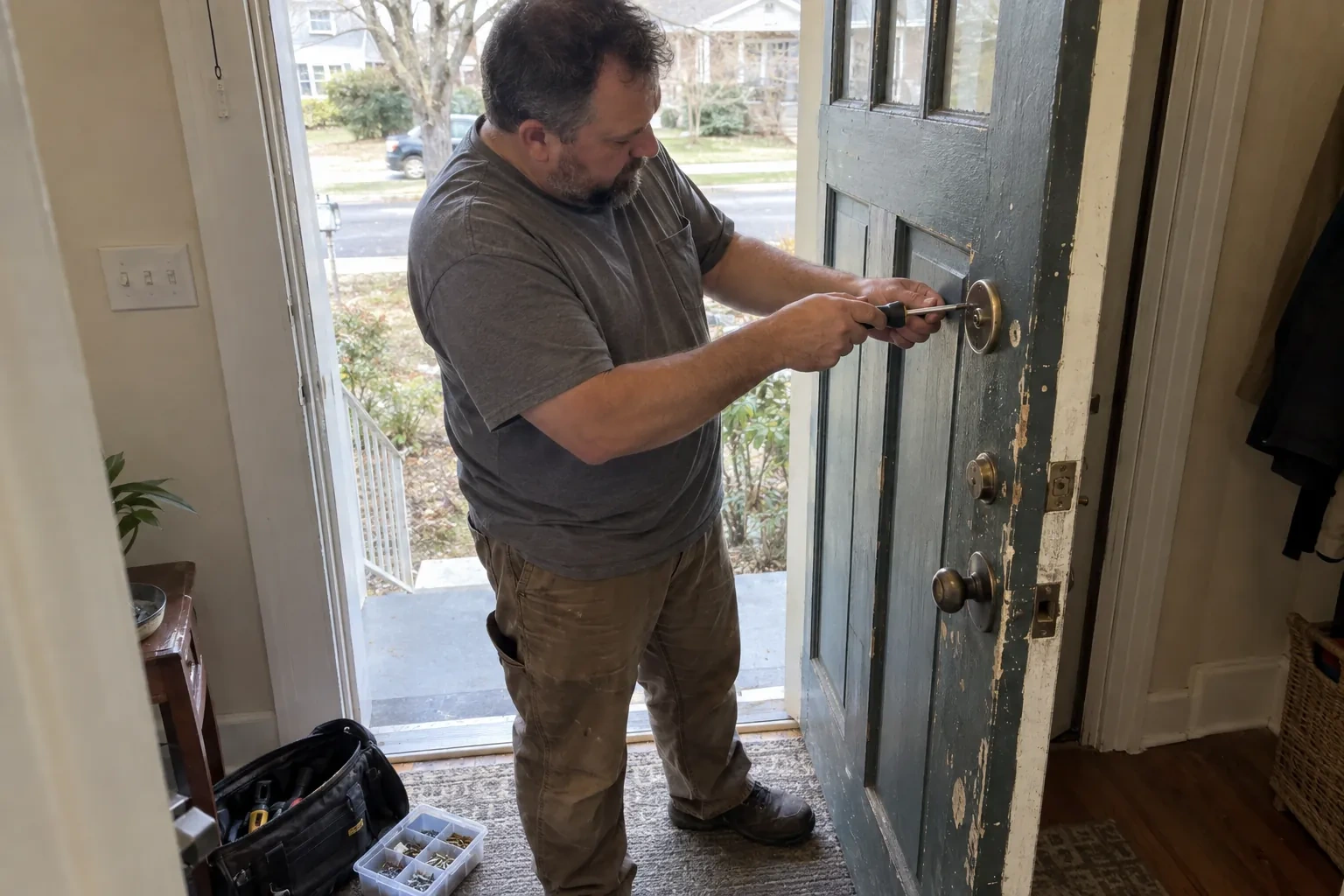
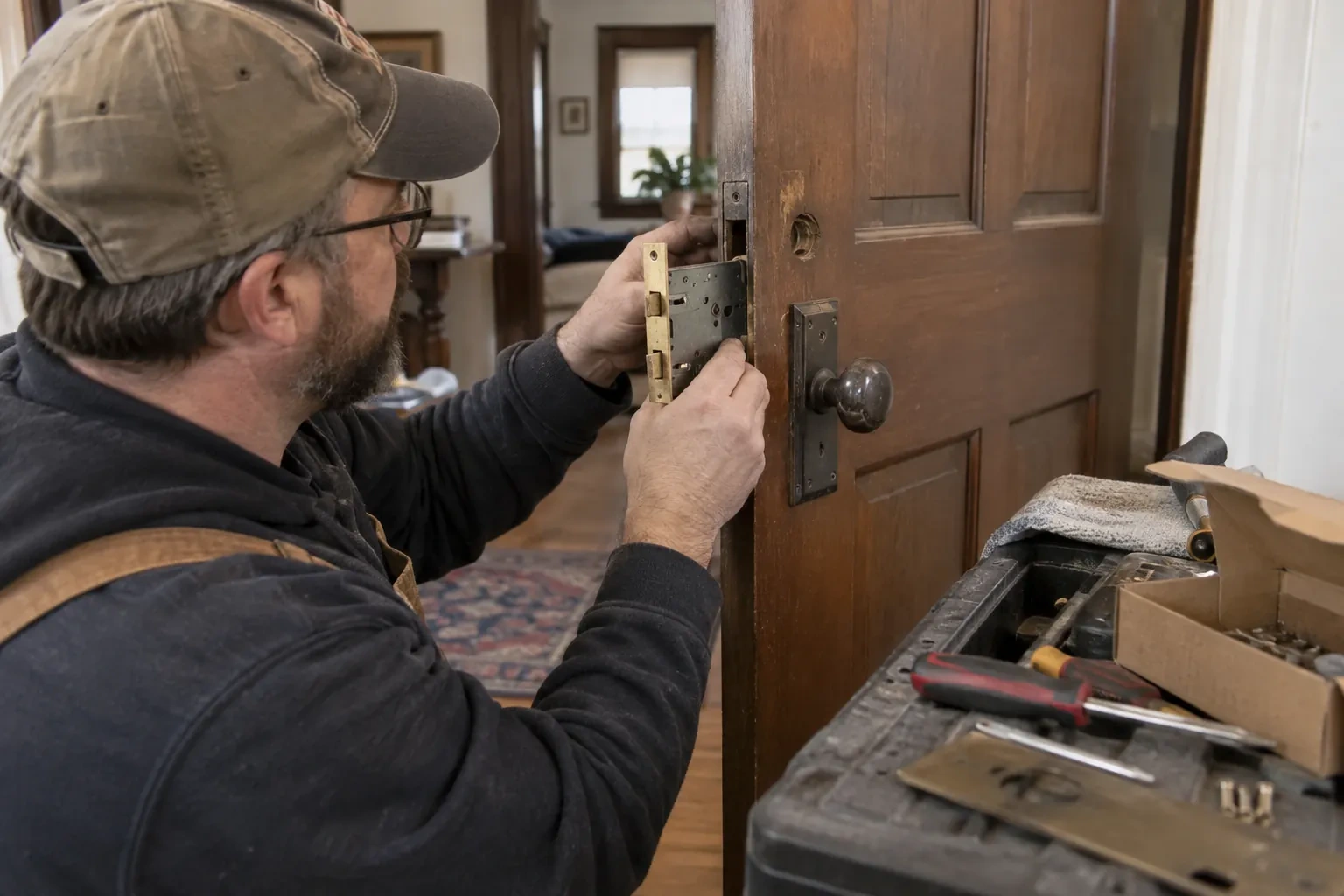
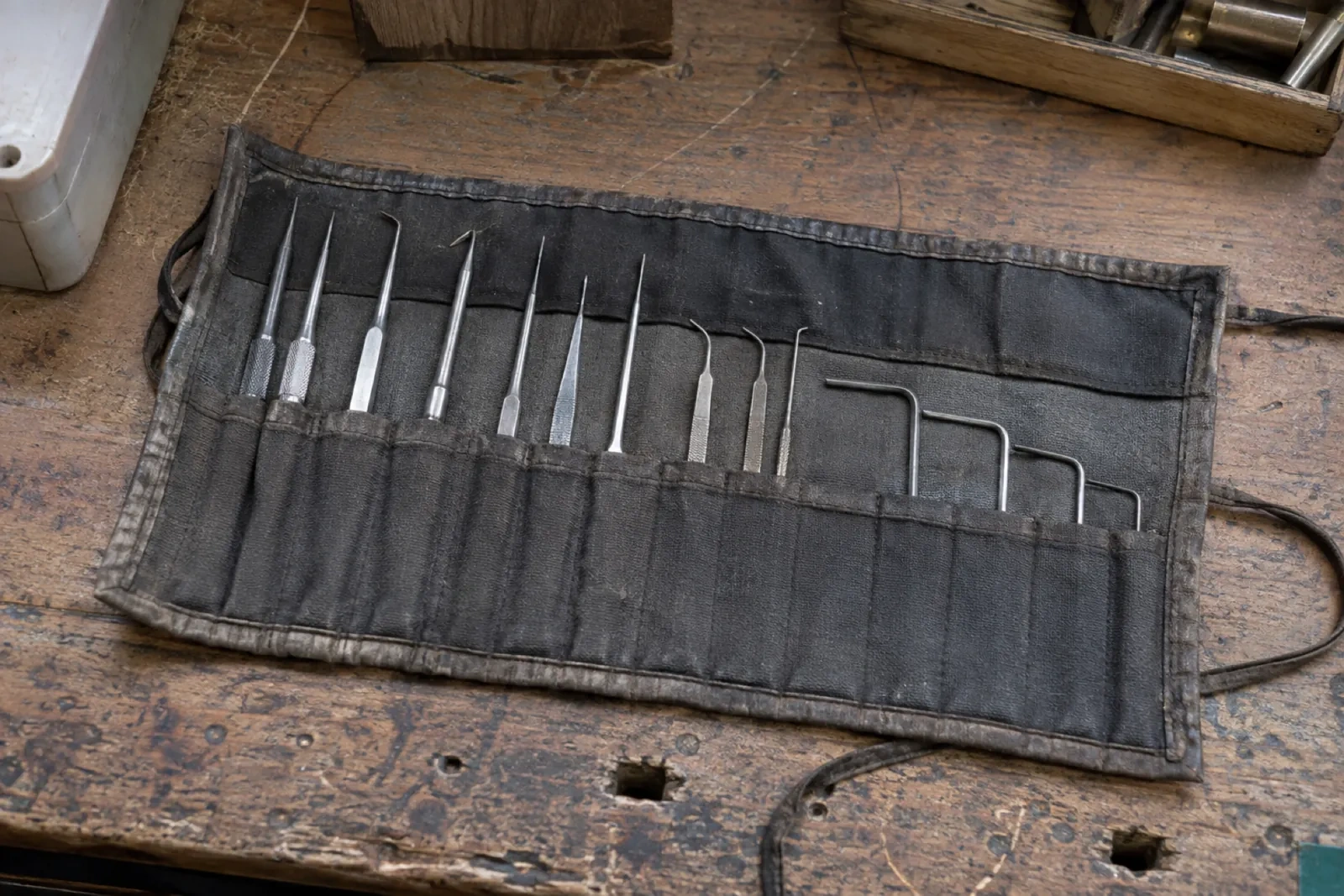
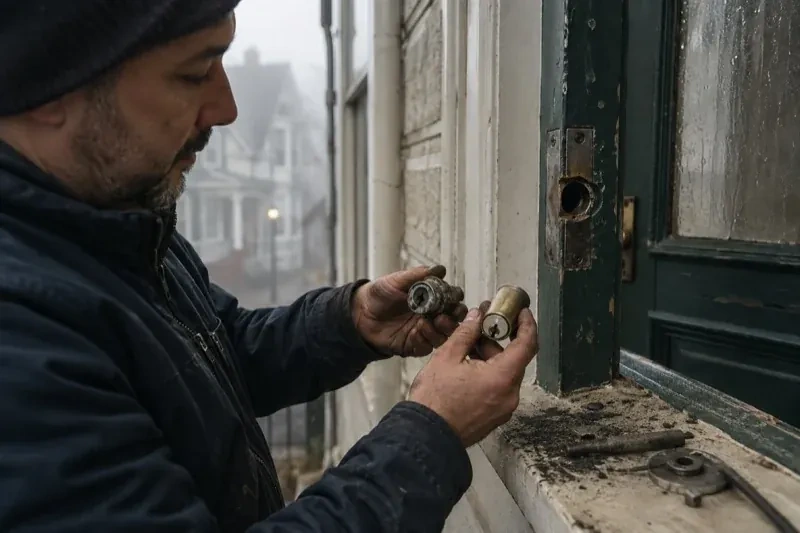
Here is the range of lock work we do for homes and businesses in Haysville: opening doors when the key is missing, rekeying and changing locks, fitting deadbolts and high-security cylinders, servicing commercial hardware, opening and resetting safes, and cutting keys, including the occasional vehicle key when a household needs one.
About 41% of homes in Wilmot were built in 1980 or earlier, according to the 2021 Census.
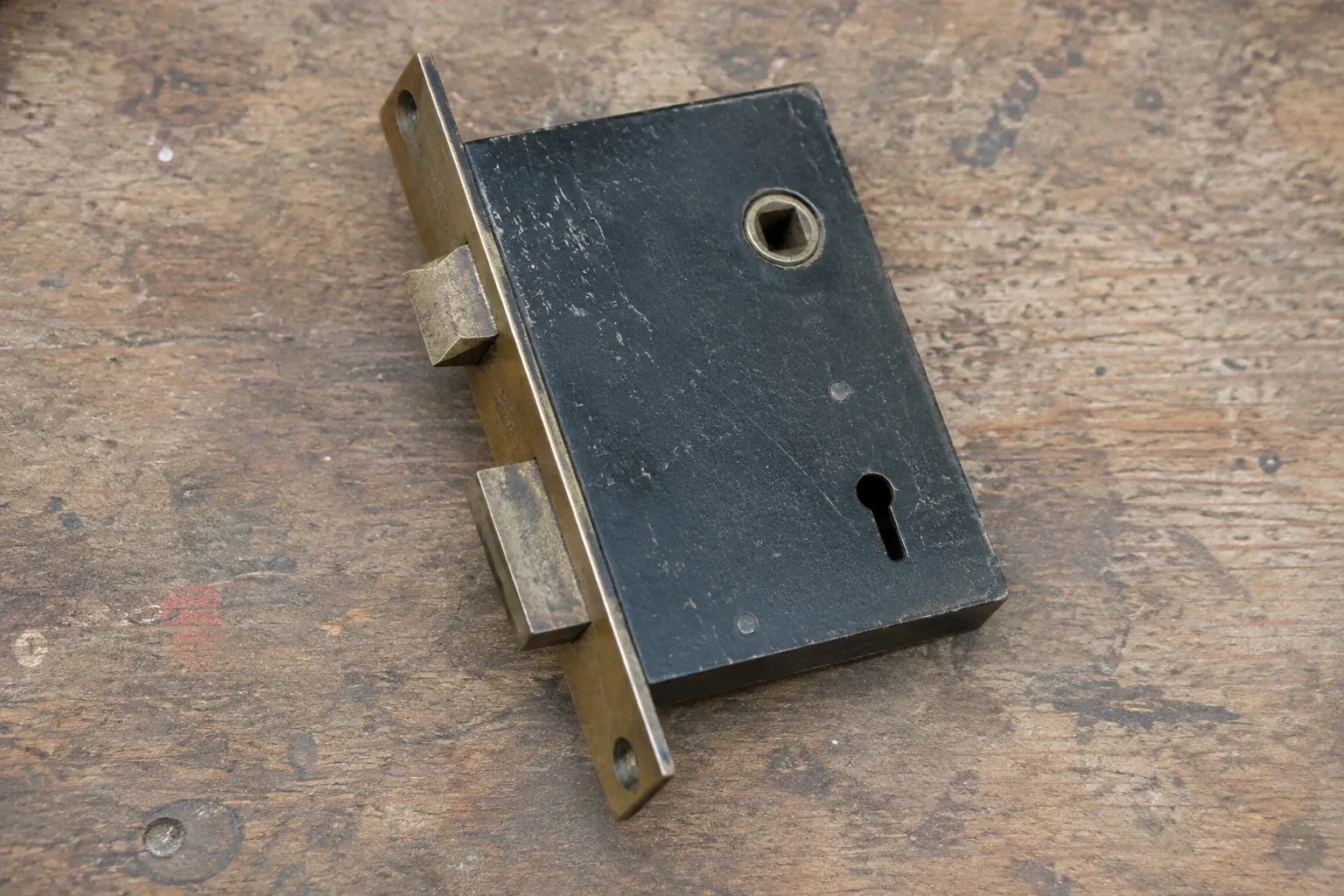
Mixed housing ages mean the advice changes door by door. An older solid-wood entry may want a strike reinforced; a newer steel door may want its short strike screws swapped. The locksmith looks at the door in front of him rather than assuming.
Single-detached houses make up about 79% of homes in Wilmot (2021 Census).
Mostly houses
Families in houses hand keys to children, cleaners, dog walkers and neighbours. A locksmith can set up a keypad on the side door for the household and keep the front door on a conventional key, so access matches how the family actually comes and goes.
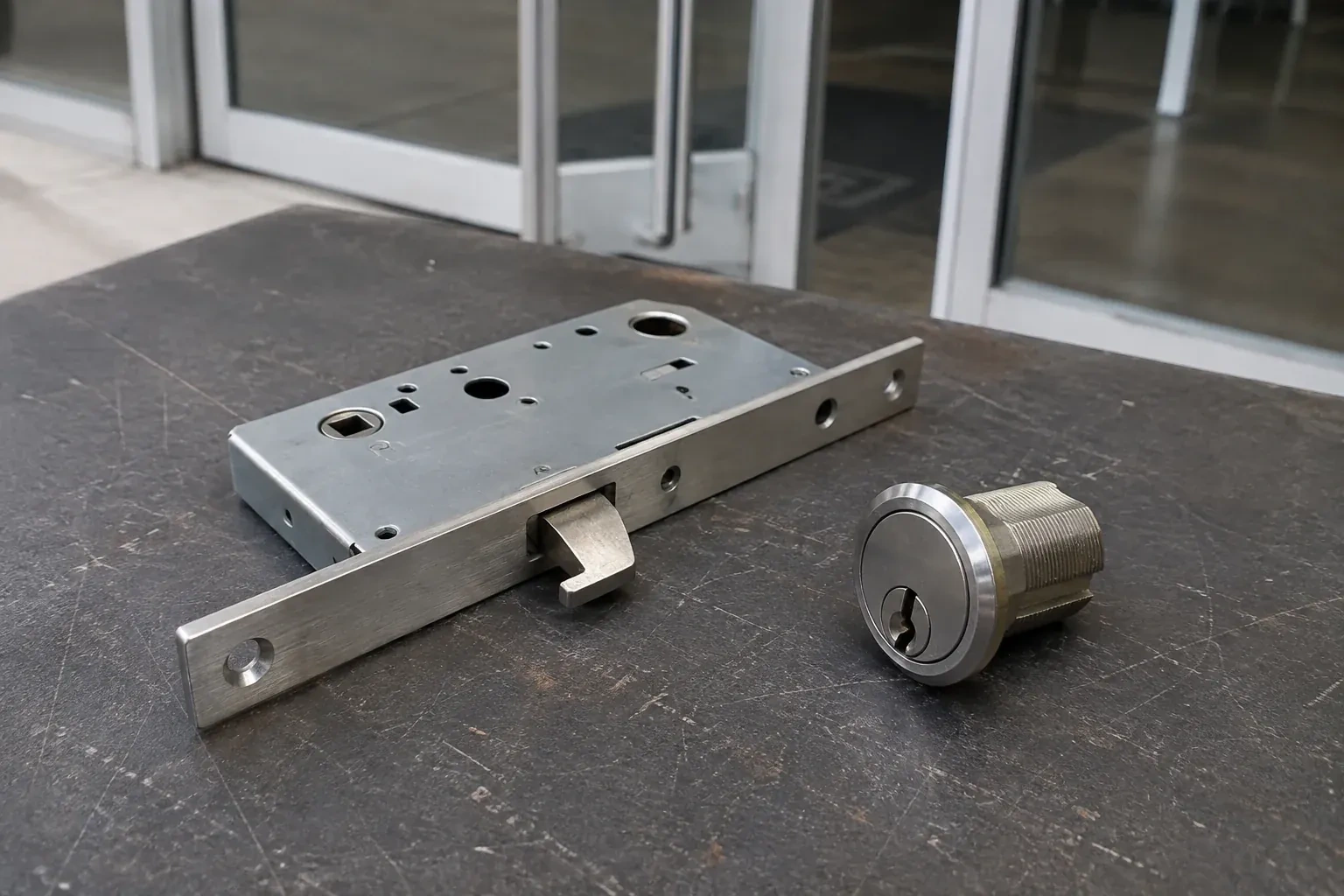
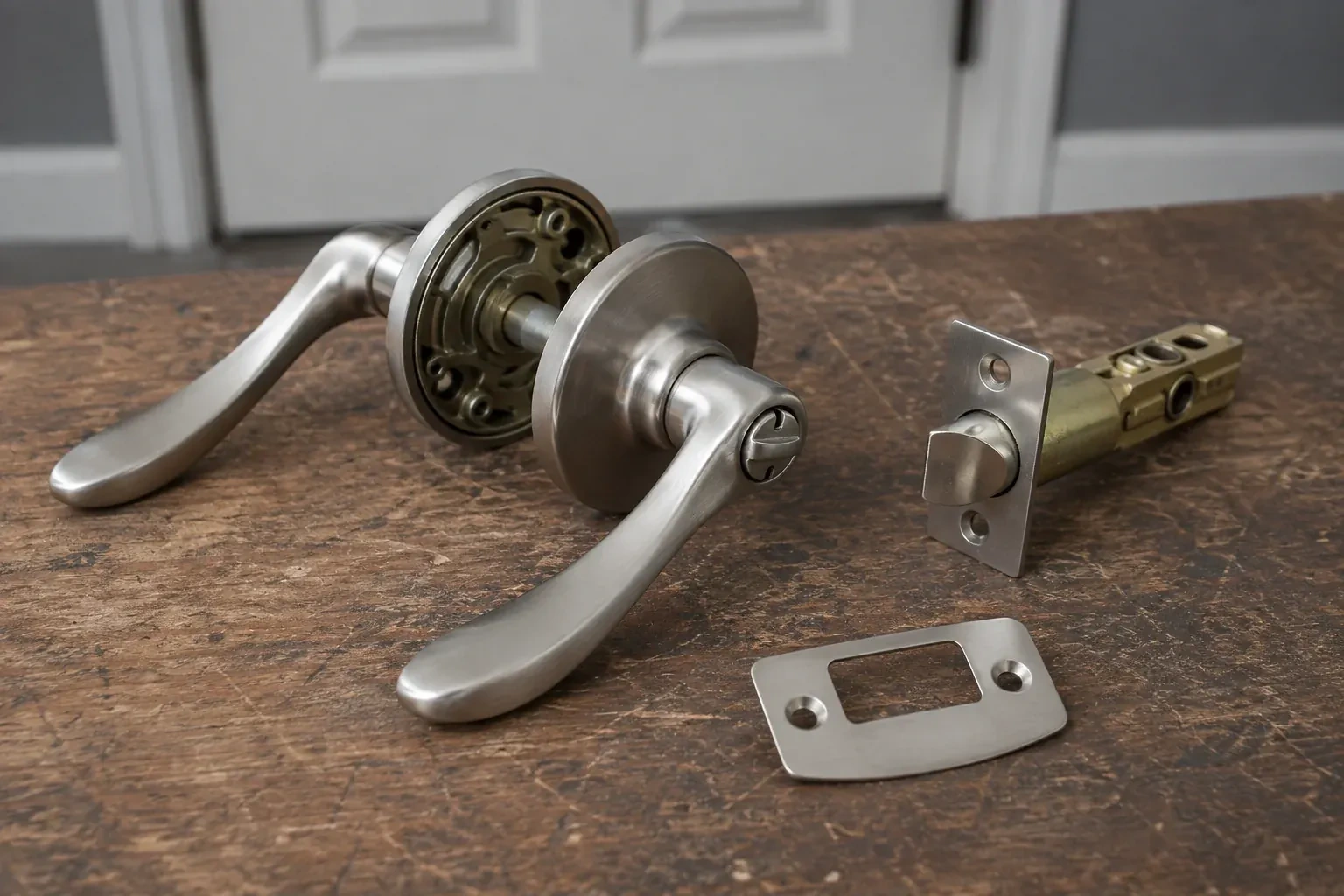
Ordinary locks keep out the curious. High security locks keep out someone who has decided to get in and has tools. The difference lives in four places: cylinder, bolt, strike and key, and each is explained here in plain terms.
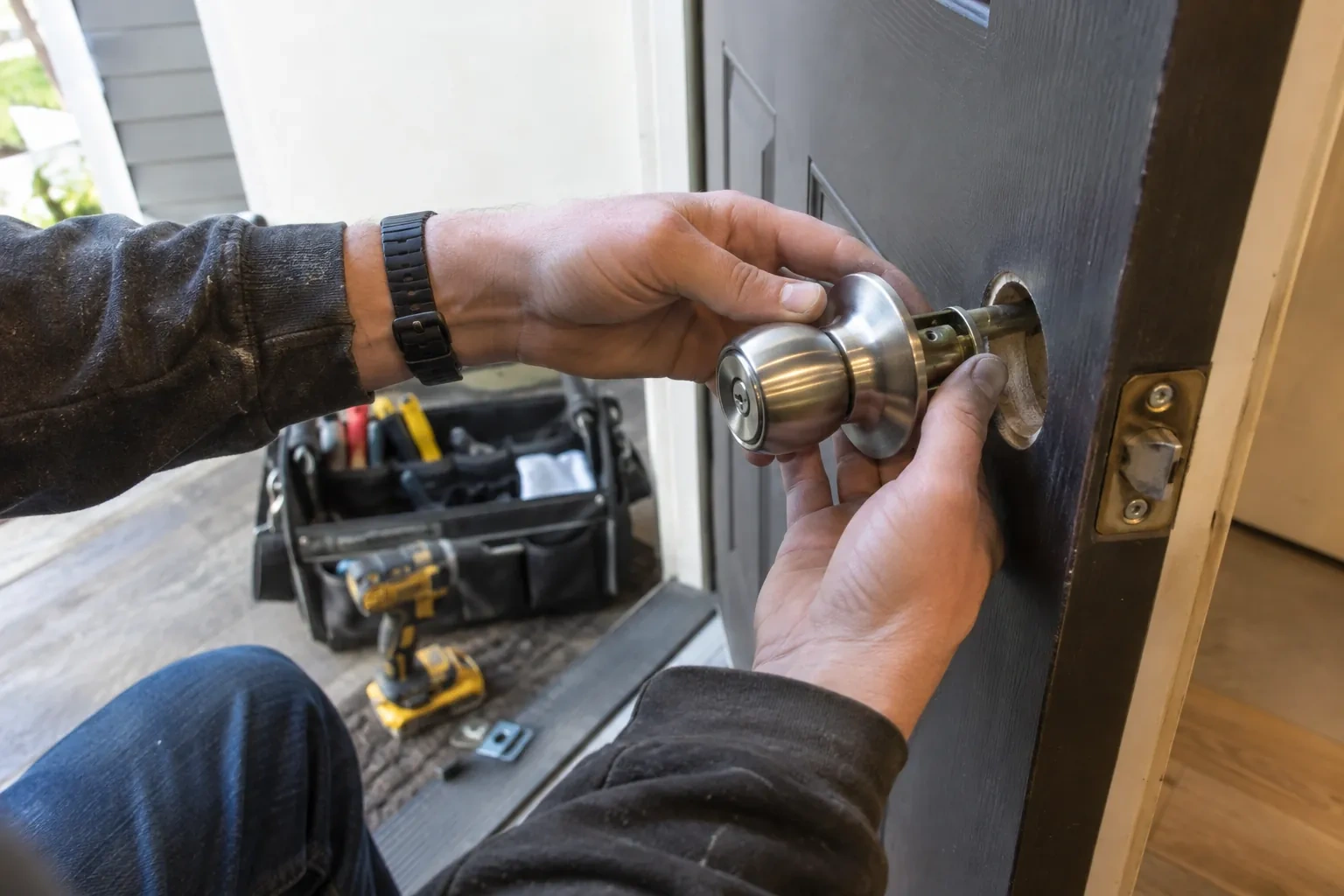
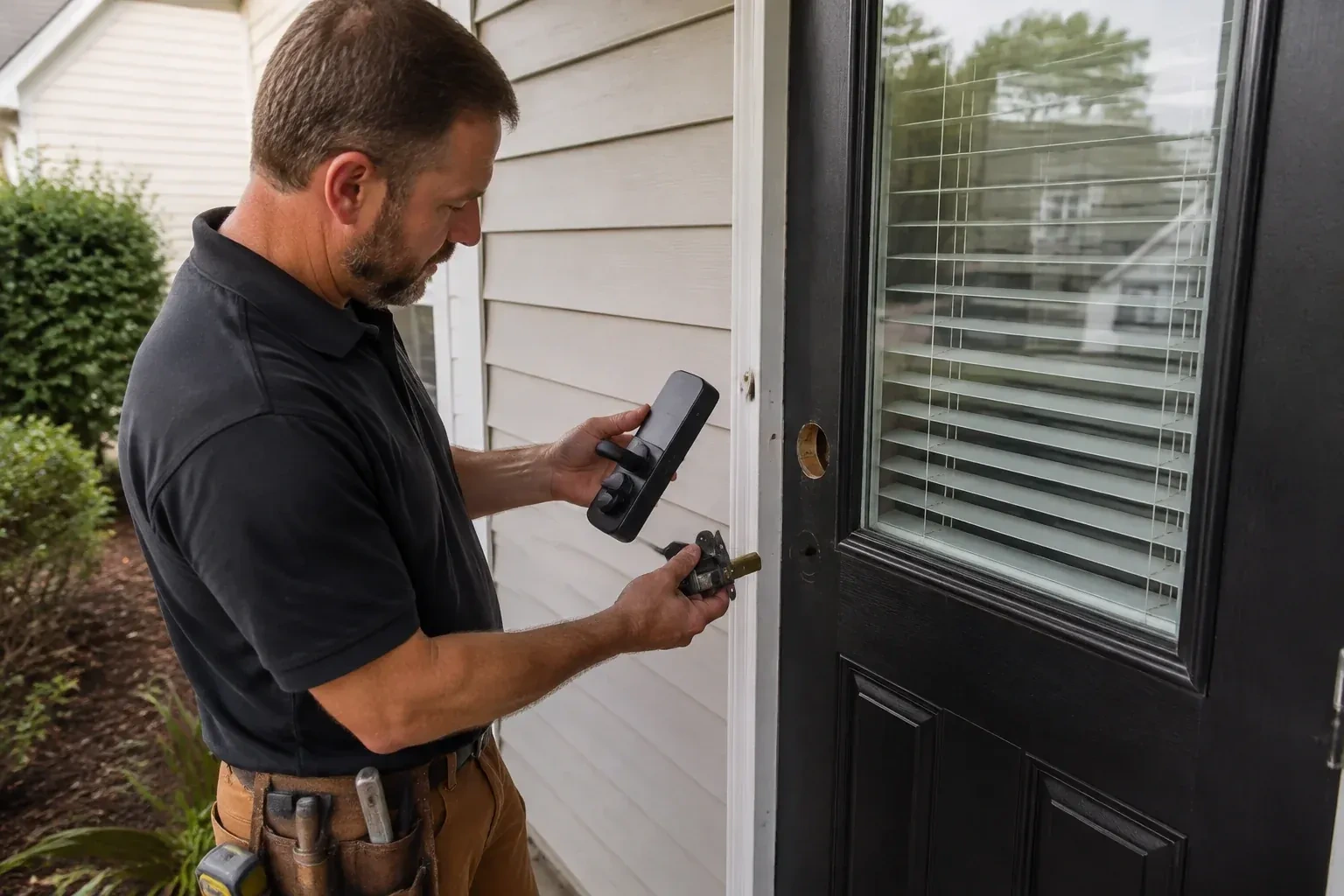
You bought a keypad deadbolt online and pulled the old one off, only to find the hole in the door is a different size and the bolt latch sits at a backset the new kit does not list.
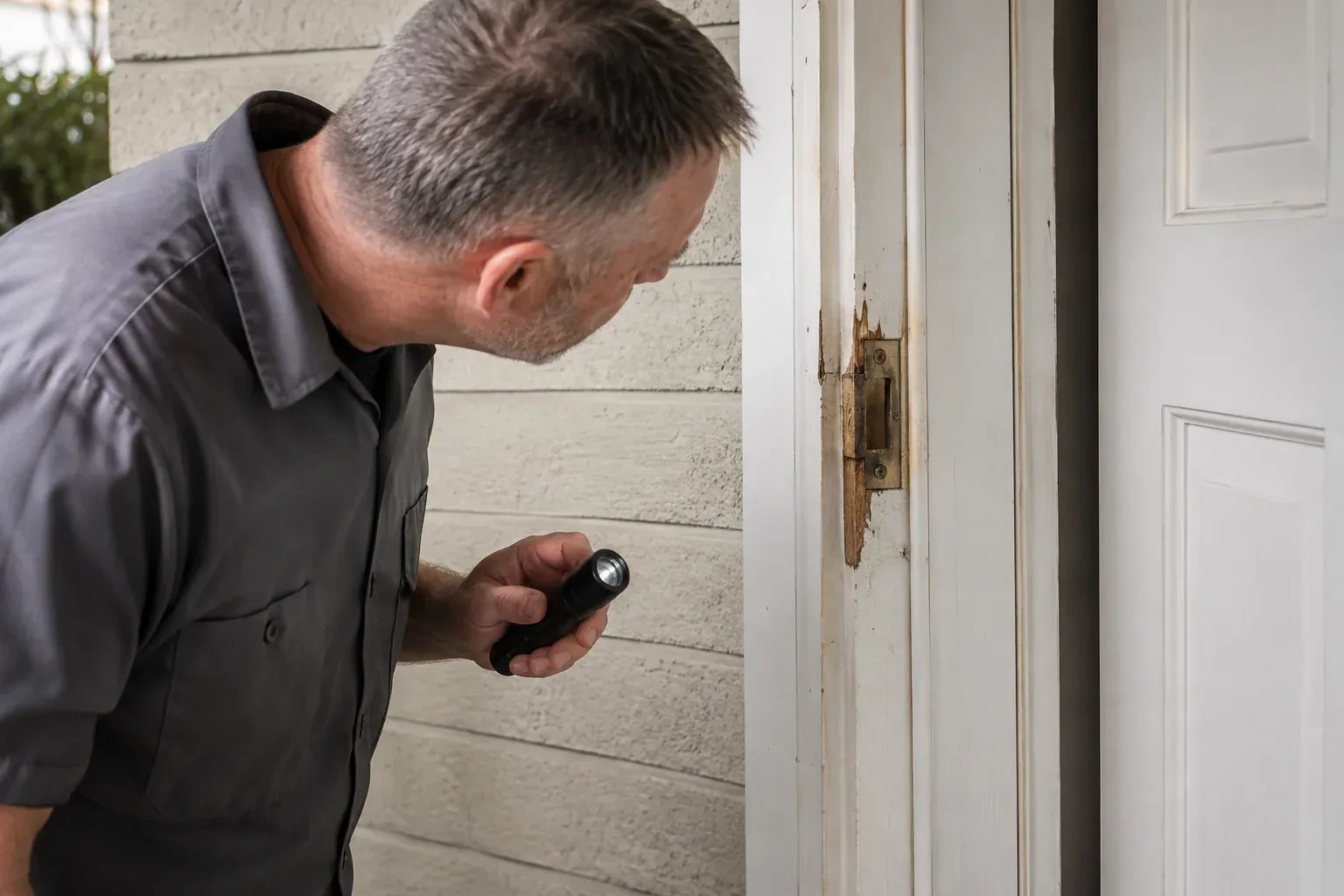
Police have come and gone, the occurrence number is on a sticky note, and you are standing in a cold hallway looking at a splintered frame, wondering how the house gets locked before everyone tries to sleep.
Services here appear in the order a business tends to need them: a lockout or a lost key first, then rekeying, then a master system, then exit hardware and access control as the premises grow and the staff list lengthens.
The pharmacy's drop safe has a keypad that finally lost power for good, and the little override key that was supposed to live behind the counter cannot be found anywhere.
The accountant's office keeps a decade of client files in cardboard boxes because the only safe in the building is a small drawer safe meant for a laptop, nowhere near large enough for binders of paper.
Which fix fits?
The heavy glass door has been scraping the threshold for weeks.
WhyThe end of a business lockout is a paper trail as well as an open door.
Police have come and gone, the occurrence number is on a sticky note, and you are standing in a cold hallway looking at a splintered frame, wondering how the house gets locked before everyone tries to sleep.
WhyReplacing an existing deadbolt is usually a matter of matching rather than cutting.
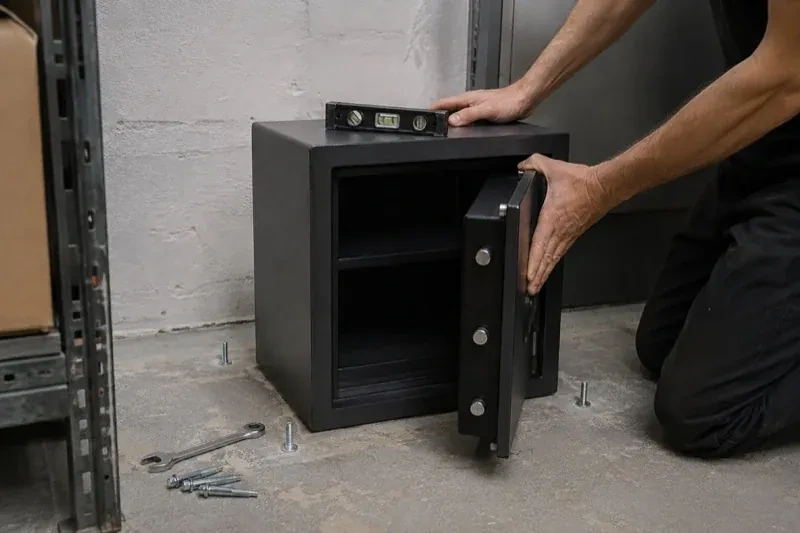
The office is moving three blocks over, and the old commercial safe that has sat bolted to the concrete for fifteen years now needs to come out, travel across town, and go back down just as solidly.
WhyThe lock on a safe is either a mechanical dial built around a wheel pack and gates, set and tested by a trained hand, or an electronic keypad running on batteries, and each has its own service needs.
You run a home office with client files and equipment, and your insurer has asked what kind of lock is on the door.
WhyUpgrading to high security rarely means new doors or a big disruption.
After the fit-out, the gym floor now holds more people than the old office space ever did, and the exit door at the back still has the same turn-lock it had when the room held desks.
WhyA tenant fit-out is a common point to bring exit hardware into a space for the first time.
At closing time the hookbolt on the storefront door catches the keeper only on the second or third try, and one employee has started giving the door a shoulder to force it home.
WhyA used vehicle sometimes arrives with a lock or two that never quite matched the rest, whether from a prior repair, a replaced door, or a key cut from a worn original.
Good days. Start with a turn.
1/9Business Lockout Service
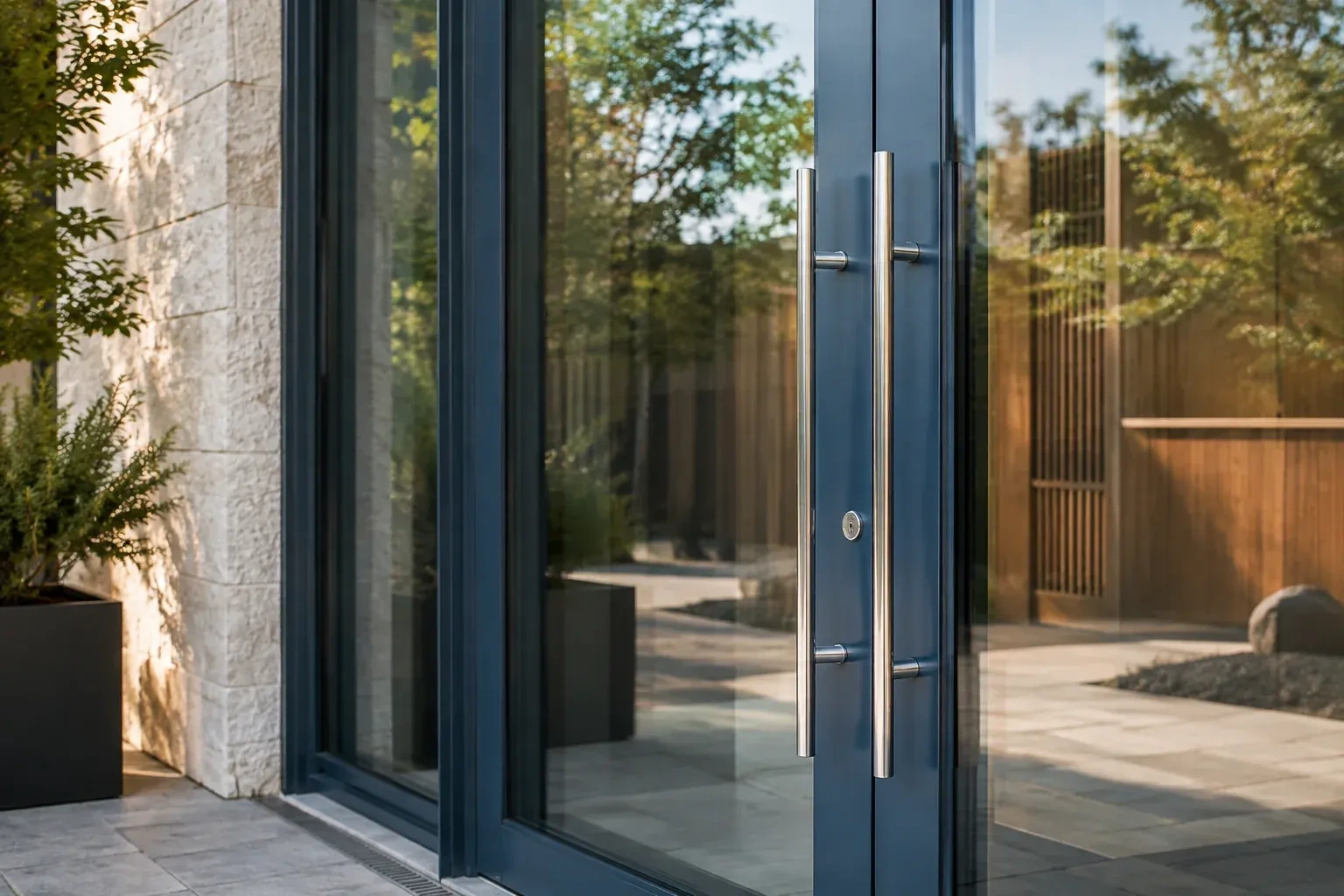
The heavy glass door has been scraping the threshold for weeks. This morning the key turns, you can hear the bolt trying to move, but it is jammed hard in the strike and the door stays shut no matter how the handle is pulled.
Police have come and gone, the occurrence number is on a sticky note, and you are standing in a cold hallway looking at a splintered frame, wondering how the house gets locked before everyone tries to sleep.
The back door has a deadbolt in name only: a short bolt, a thin brass strike held by two little screws, and a jamb you can flex with your palm. It was fine for a builder's showing. It is not fine for a laneway.
The office is moving three blocks over, and the old commercial safe that has sat bolted to the concrete for fifteen years now needs to come out, travel across town, and go back down just as solidly.
You run a home office with client files and equipment, and your insurer has asked what kind of lock is on the door. The honest answer is the builder's knob lock and a light deadbolt from when the house was new.
After the fit-out, the gym floor now holds more people than the old office space ever did, and the exit door at the back still has the same turn-lock it had when the room held desks.
At closing time the hookbolt on the storefront door catches the keeper only on the second or third try, and one employee has started giving the door a shoulder to force it home.
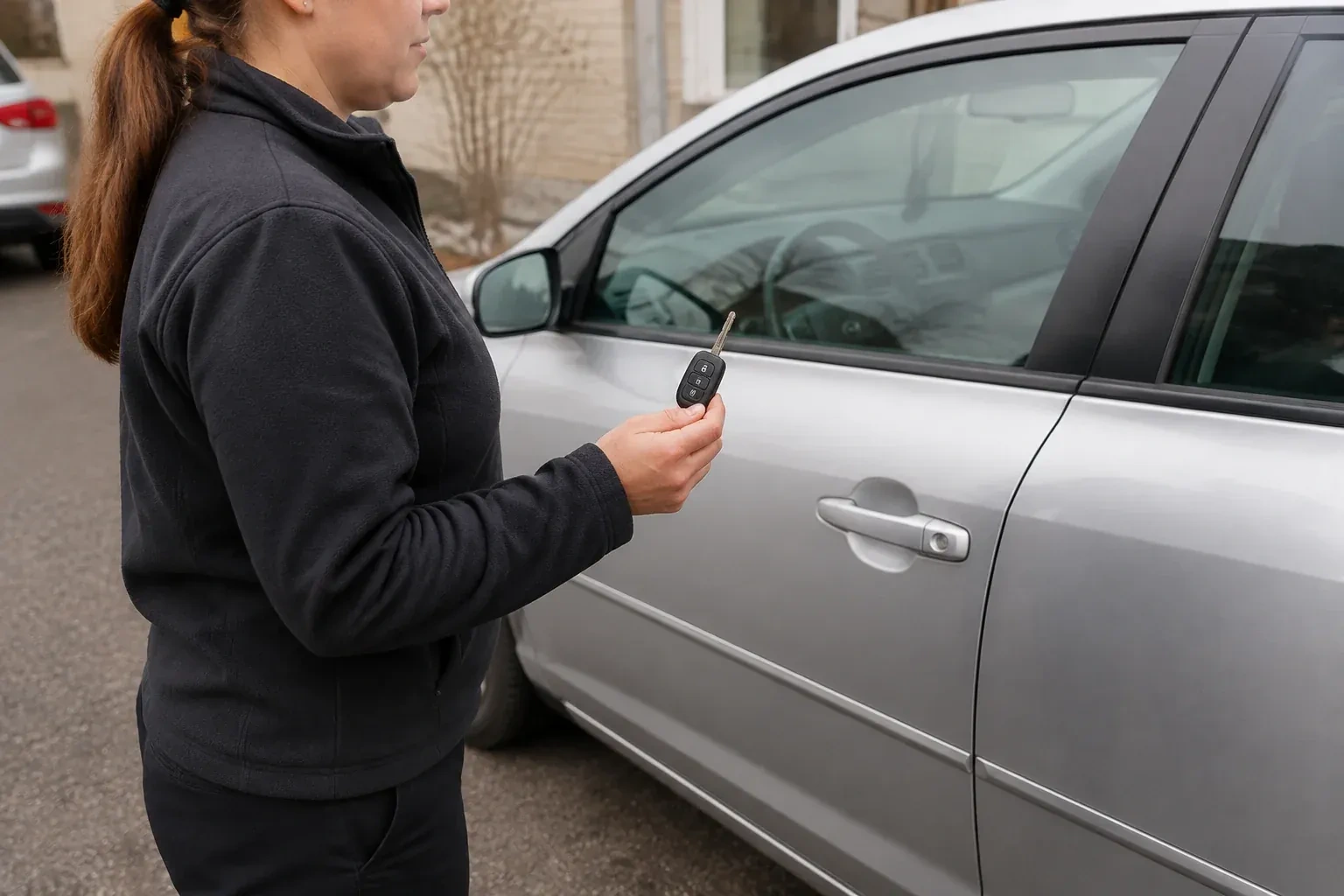
The fob went through the washing machine in a jacket pocket. It came out clean and completely silent. Nothing unlocks, the push-button start ignores it, and the little metal blade hidden inside only opens the driver's door.
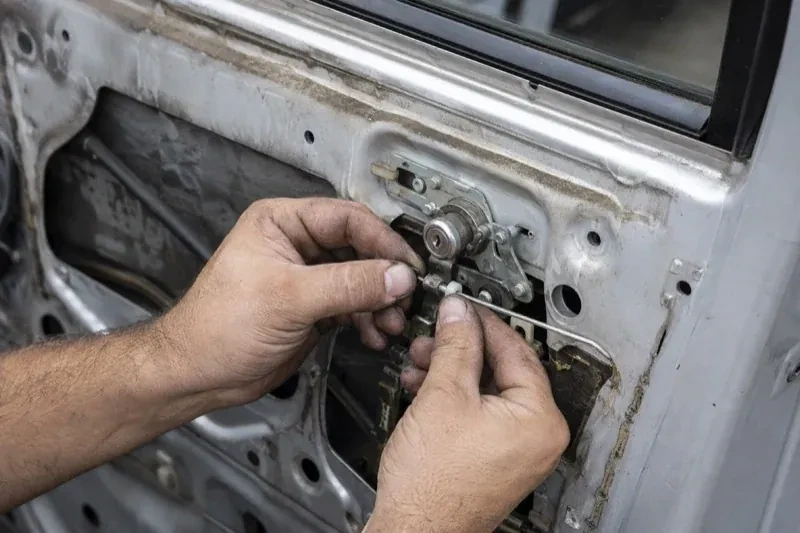
Every door drops into place together when the fob is pressed, except the driver's door, which stays unlocked while the rest click shut around it. A twist of the key still locks that door by hand, so the mechanism inside is clearly still working.
It depends on the hardware and what else is wired to it. A standard storefront cylinder or office lever on a well-hung door is often a short job once authority is confirmed. A high-security cylinder, a frozen lock, a dropped door or a dead access controller adds time, and so does rekeying several doors afterwards. The locksmith gives you a realistic idea on the phone once you describe the door and the situation.
I rent. Who arranges the repair, and can I change the lock myself?
Tell your landlord or property manager as soon as the police have been called; provincial tenancy law makes the landlord responsible for repairs to the unit, and most will arrange the locksmith. A tenant may not change locks without the landlord's agreement, and a landlord who changes them must give the tenant keys, so the visit is coordinated between you. If you arrange securing yourself in an emergency, keep the receipt and the record of what was done for both sides.
Why does the strike plate matter so much?
The strike is the metal plate the bolt throws into, and it is where a kicked door usually fails: short screws bite only into the thin jamb board, which splits. A reinforced strike or strike box fastened with 75 mm screws passes through the jamb into the stud behind, so a blow is met by the framing of the house. On a wood frame, strike screws that reach at least 30 mm into solid wood behind the jamb are what actually holds.
How do I prepare the room before a servicing visit?
Clearing a working space in front of the safe, moving anything stacked against or on top of it, and having a rough idea of when it was last serviced all help the visit start smoothly. If the combination or code is still known, having it on hand avoids needing to open the unit by other means first. Nothing more elaborate than that is generally needed beforehand.
Do high security locks need special maintenance?
Only light care. Use the dry lubricant the locksmith recommends once or twice a year, never oil, which gathers grit around the finger pins and sidebar. Keep the keyway free of debris and insert the key fully before turning. In winter, warm a resisting key in your hand or use a de-icer rather than forcing it. Check hinge and strike screws each season so the door stays aligned. Treated this way the cylinder lasts for decades.
How much force does the door need to open with?
Hardware standards set a maximum, not a target: an exit device is built to release the latch under a firm push, no more than about 15 pounds of force applied at the touchpad or crossbar, roughly the pressure of a light shove rather than a heave. That ceiling covers people who cannot lean hard into a door, so the swing stays open to anyone moving toward it under pressure.
Does an electric strike need to match a specific lock function?
Yes. An electric strike has to suit the latch or deadlatch type it will receive, the door's handing and swing, and whether the application needs fail-safe or fail-secure operation, meaning whether the door should unlock or stay locked if power is lost. Choosing a strike without checking these against the mechanical lock is a common reason a door releases electronically but still binds mechanically.
The car is leased or belongs to my employer. Can you still make me a key?
Yes, with the right paperwork. For a leased car, the lease agreement in your name together with your identification and the permit covers it. For a company vehicle, the locksmith needs authorization from the business: a work order, purchase order or letter naming the VIN and the person collecting the key. Mention the arrangement when you call so the correct document is ready and the record can be completed properly.
Why has my key fob suddenly stopped working?
A dead coin-cell battery is the most common reason, and it is a straightforward fix once the fob is opened. Less often, the fob has lost its pairing with the vehicle or its case has cracked and let in moisture, both of which a locksmith can check and address.
Request a visit
In Haysville we think about how a door is actually used before choosing hardware. A back door staff prop open needs a different answer than a front door a family uses twice a day. A side entry for a teenager who forgets keys may want a keypad. We ask those questions first, then match the lock to the habit.