Locksmith in Baden, OntarioSerious locksfor Baden homes
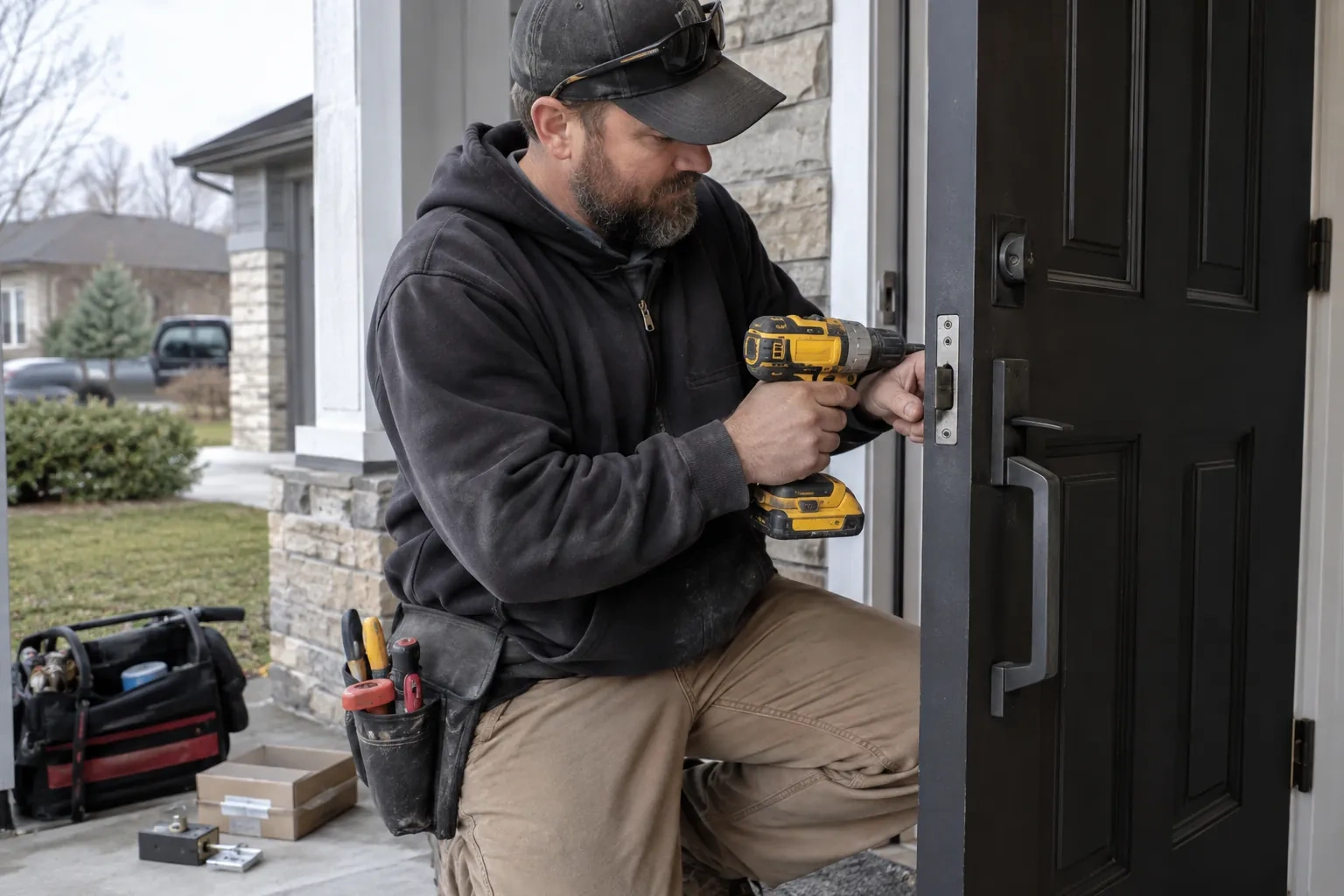
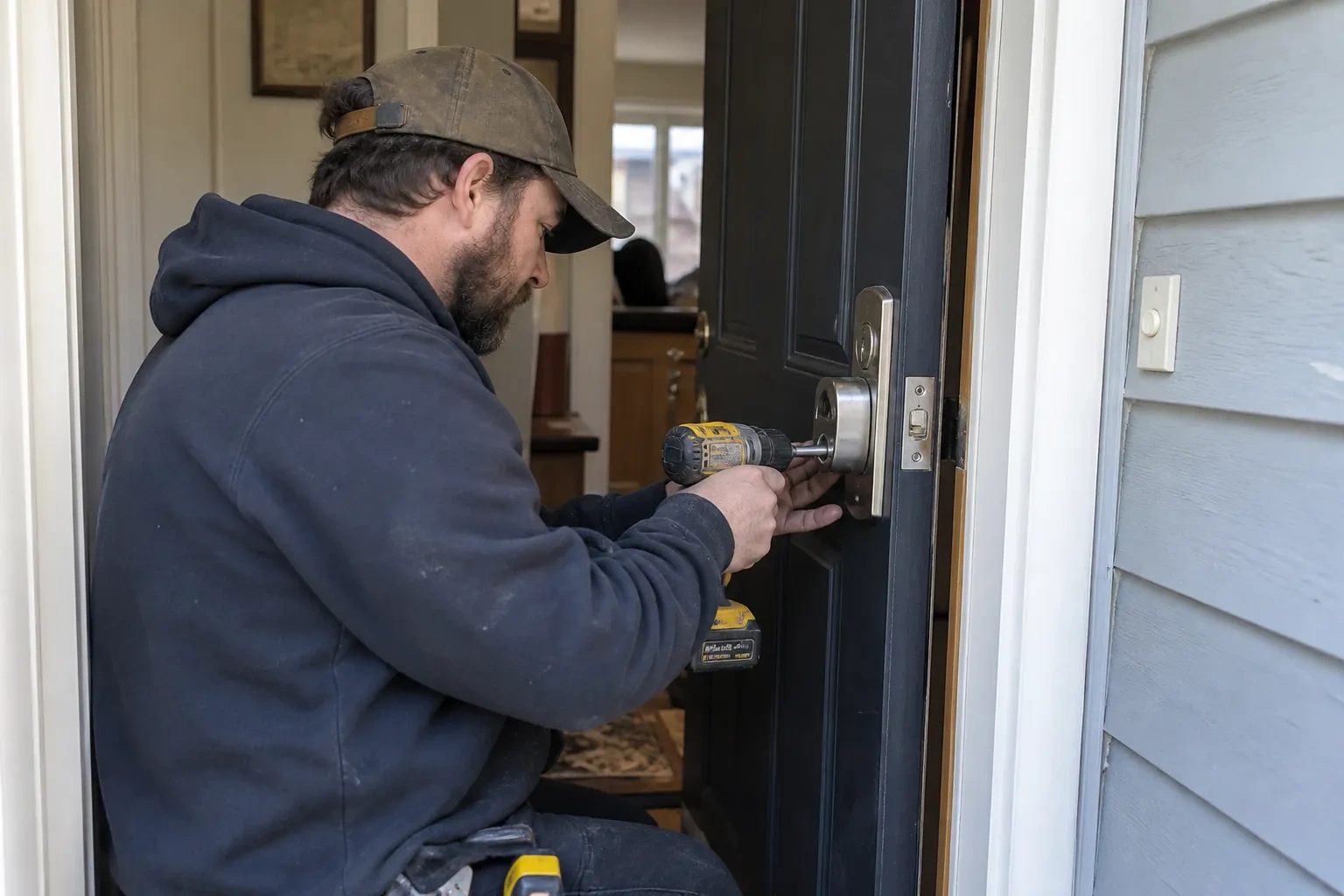
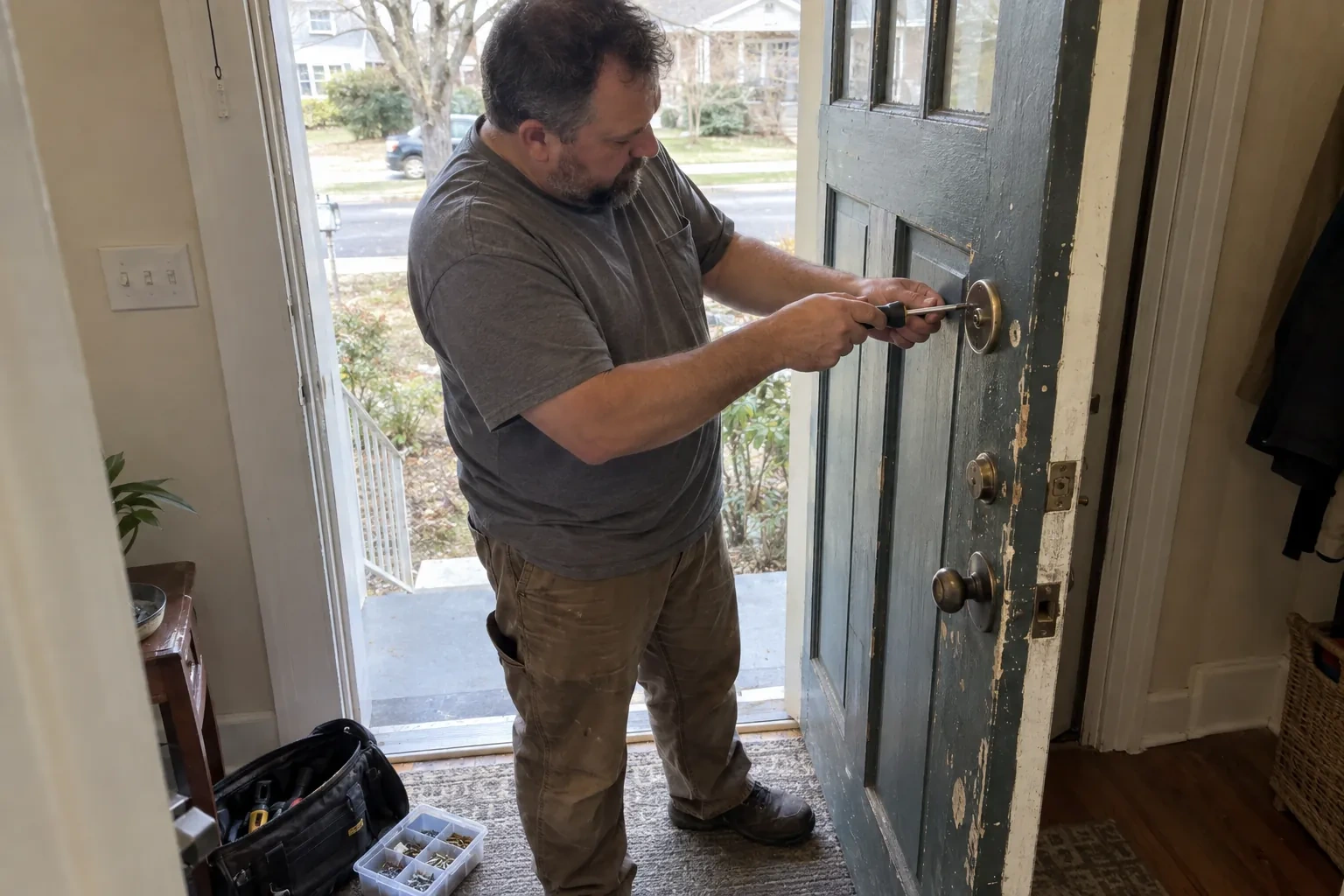
A good cylinder shrugs off picking and bumping; a deep strike plate with long screws stops a shoulder. Together they turn an ordinary front door into one that holds. We fit high-security hardware to houses across Baden, set up keys that only you can have copied, and finish so the door closes as smoothly as before.
A good cylinder shrugs off picking and bumping; a deep strike plate with long screws stops a shoulder. Together they turn an ordinary front door into one that holds. We fit high-security hardware to houses across Baden, set up keys that only you can have copied, and finish so the door closes as smoothly as before.
Plain talk, tidy work.
For a condo or apartment in Baden we work within the building's rules. The suite door is yours and gets whatever cylinder, strike or closer suits the way you live. Common doors belong to the building, and we coordinate with management before touching them. You get a secure unit without a letter from the board.
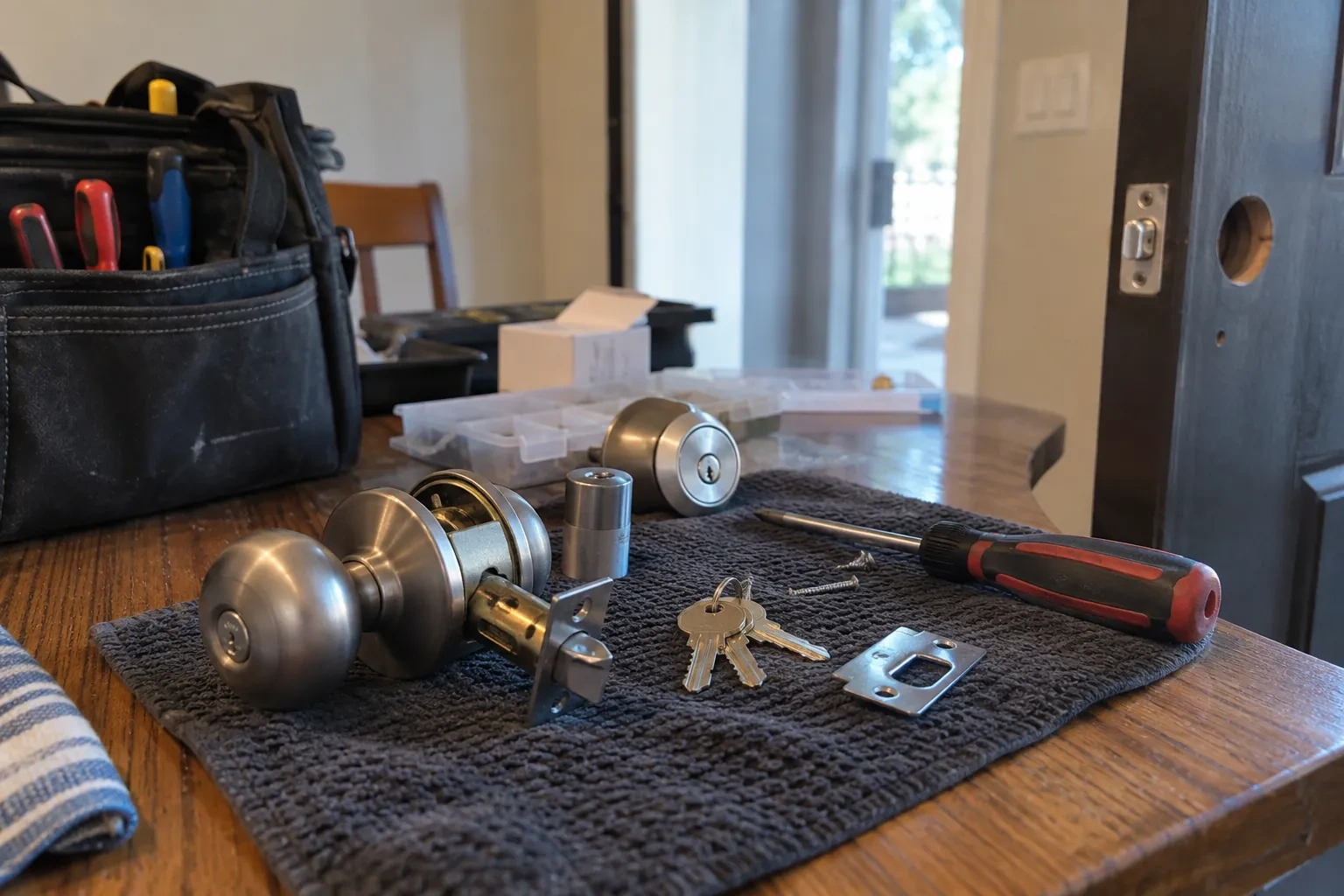
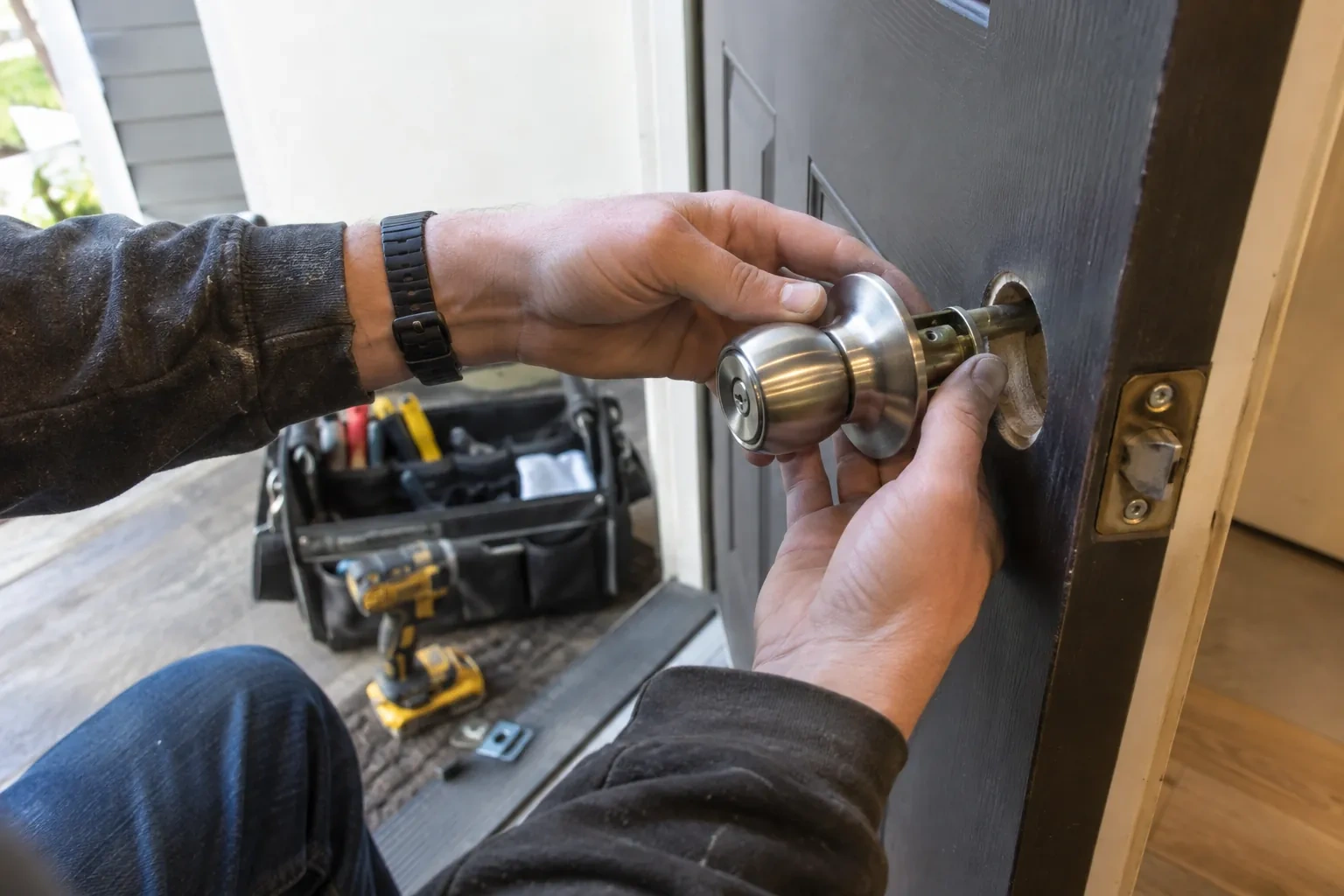
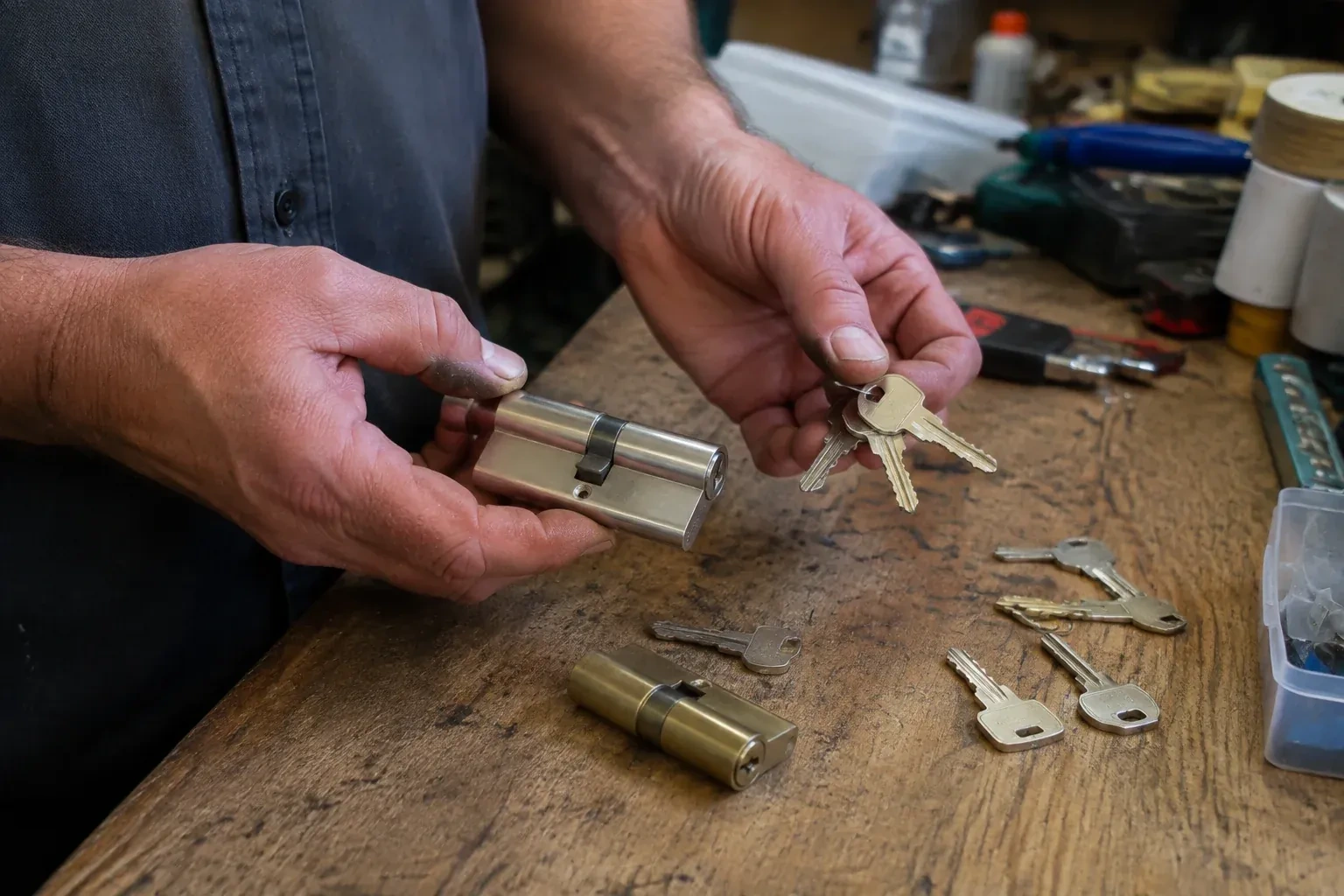
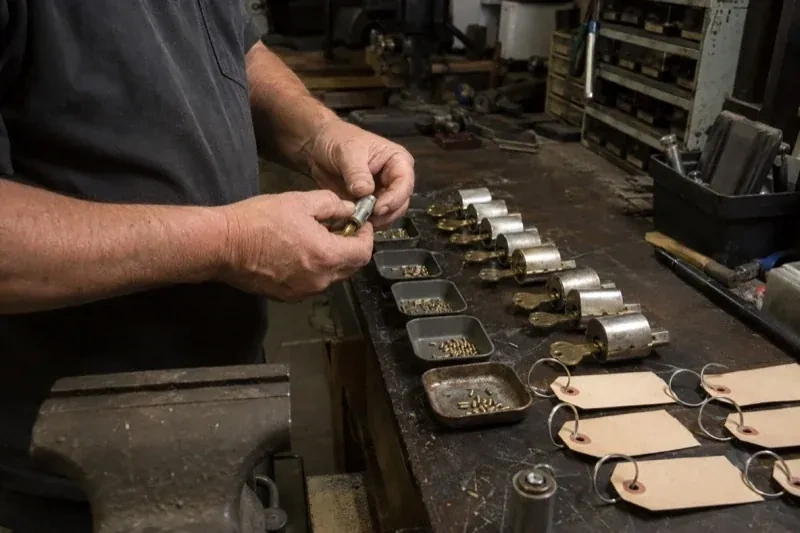
If you have just bought a home in Baden, we suggest rekeying every exterior door to a single new key. The seller, the agent and every tradesperson who had a copy are then out of the picture, and you carry one key instead of a ring. While there, we check that each door closes and latches and point out anything worth watching.
11years in business
24/7open every day
Identity checked, politely. For openings and key work we confirm you have the right to be there. We explain why we ask, and we ask everyone.
Work you can watch. There is nothing hidden about what we do. Stand beside us, ask questions, and we will show you what the lock looks like inside.
Clean hands, clean floor. We put down a mat where there is drilling, wipe the hardware down and leave the area as we found it, only with a working lock.
Homes and businesses in Baden tend to need the same handful of things from a locksmith, so that is how the list is arranged: emergency openings, changing or rekeying locks, stronger hardware for people who want it, commercial doors and access, and safes. Car keys sit at the end for the households that need them.
About 41% of homes in Wilmot were built in 1980 or earlier, according to the 2021 Census.
Homes of different generations tend to have different key habits. Older houses may have keys copied many times; newer ones may still have contractor keys about. A locksmith in a mixed area asks about both before recommending anything.
Single-detached houses make up about 79% of homes in Wilmot (2021 Census).
Mostly houses
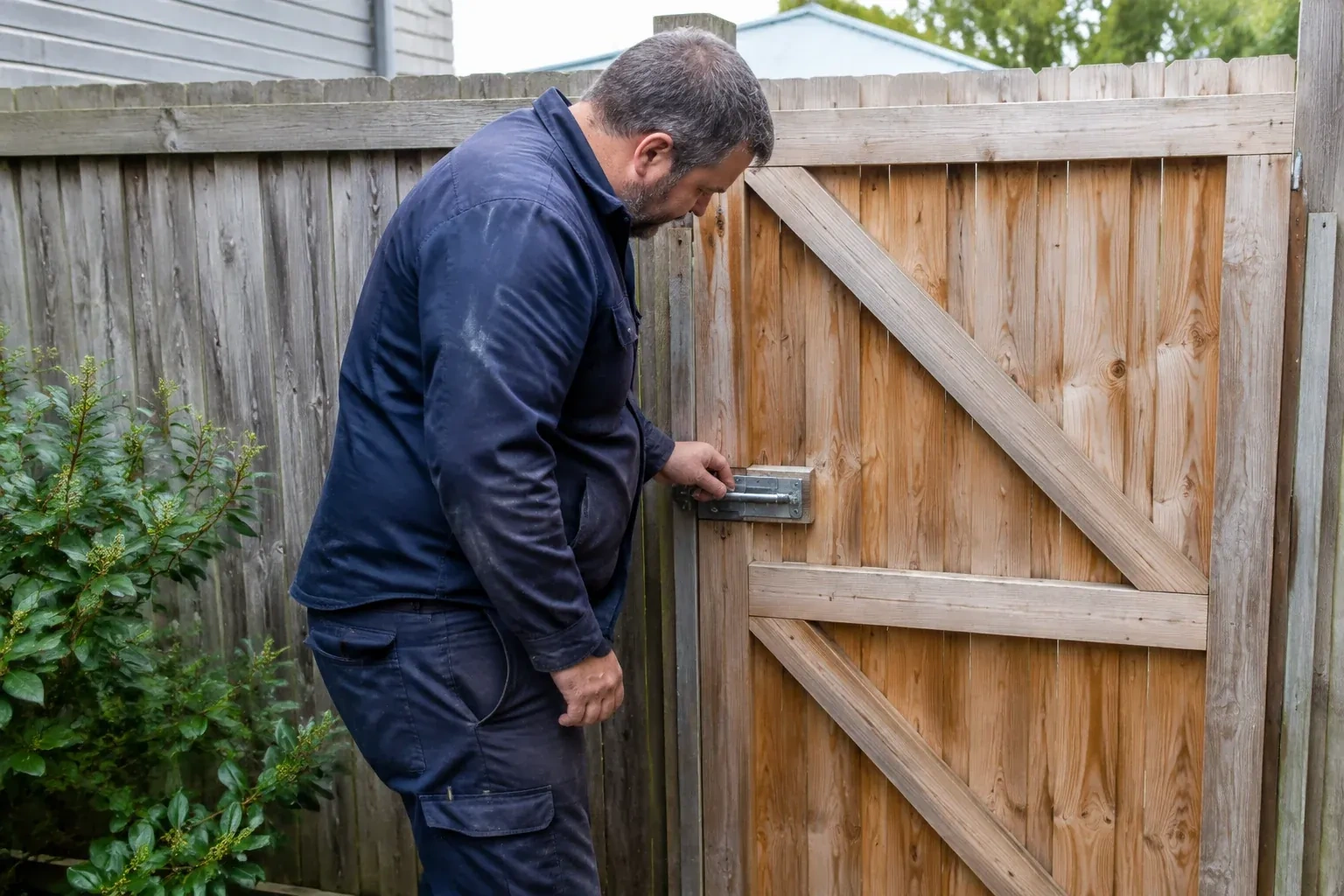
A detached house gives a locksmith room to work: full access to both sides of every door, hinges and frames included. Repairs and upgrades can be thorough, from the front deadbolt to the gate latch, with nothing off limits.
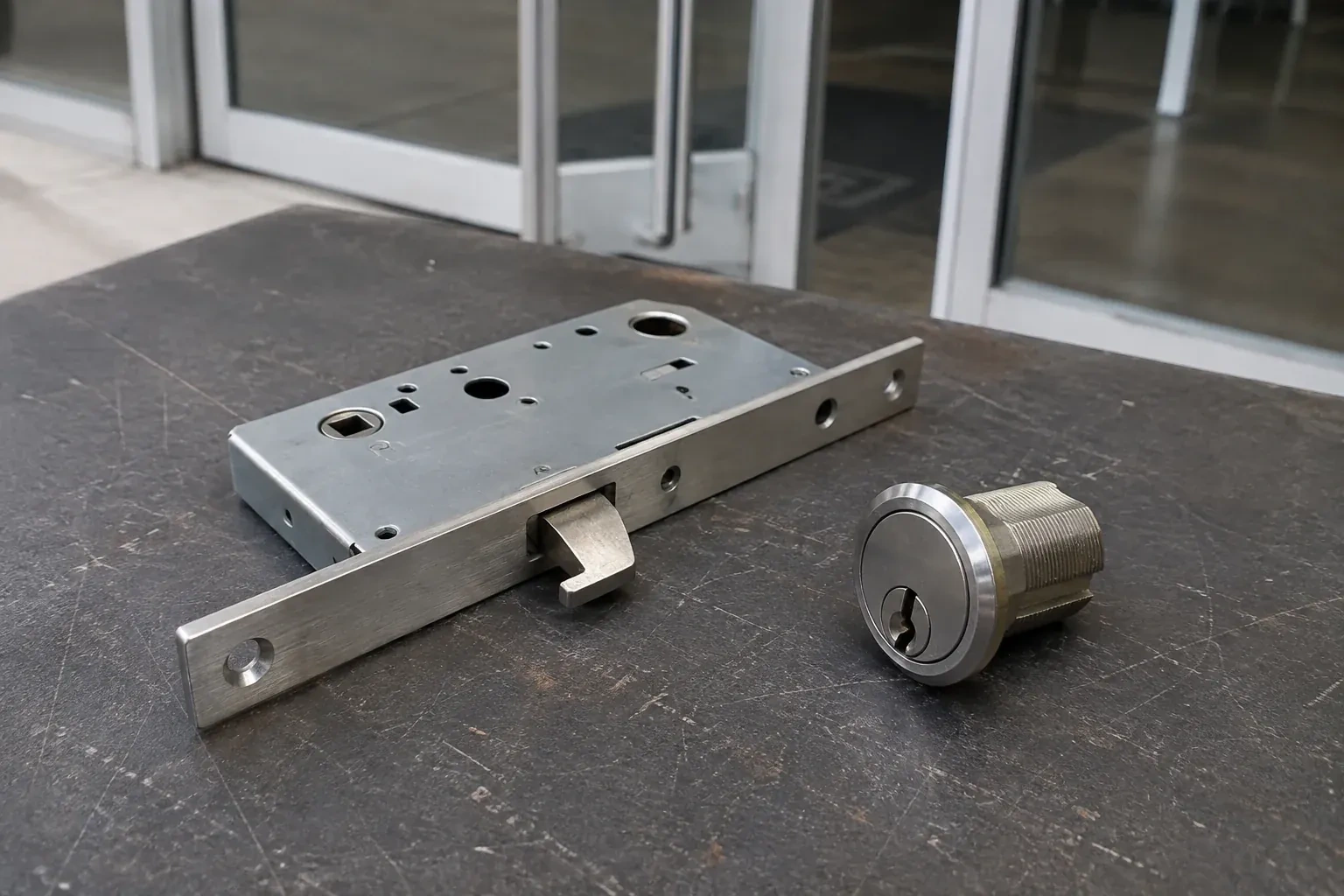
The key went in stiffly, turned a quarter of the way, and came out in two pieces. Half of it is still inside the cylinder of the aluminium storefront door, and the deadbolt is hooked firmly into the frame.
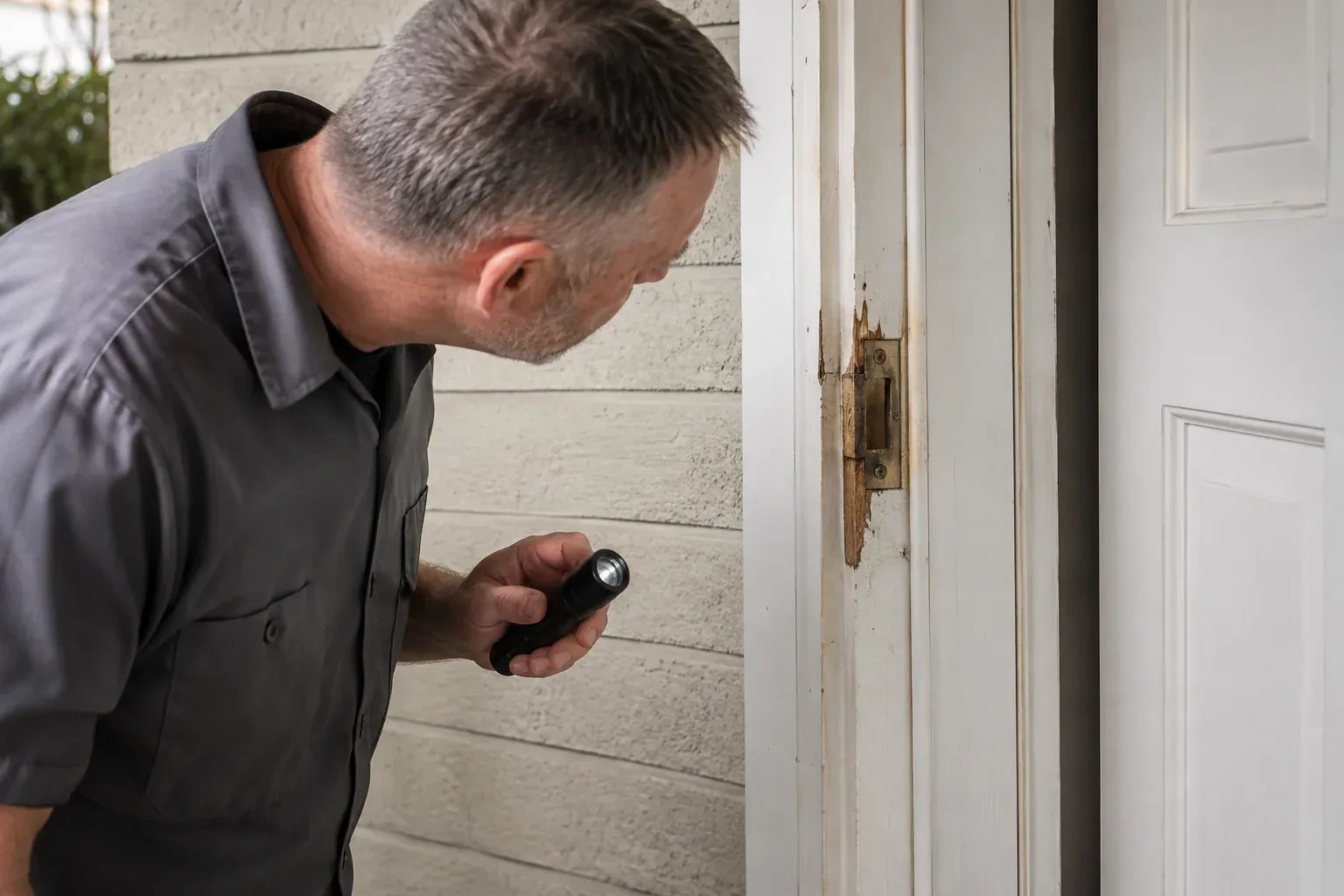
You came home to find the front door standing open. The deadbolt is still thrown, but the strike plate is dangling from one screw and a fist-sized piece of the jamb is lying on the hall floor.
Your basement tenant has given notice, and a new one arrives on the first. The lock on the separate entrance works perfectly well. You simply want a fresh key for the incoming tenant and for the old one to be retired.
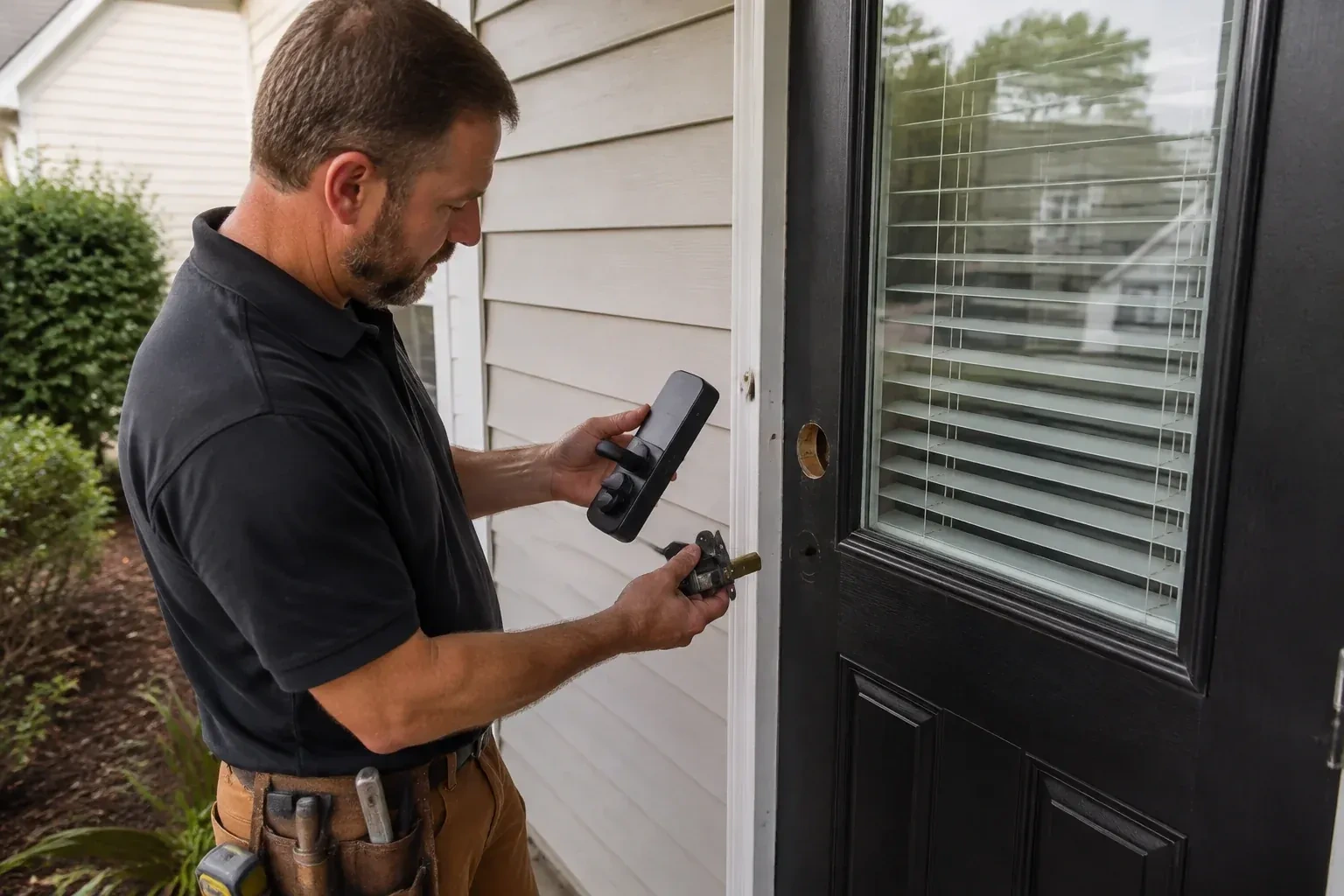
The house is fifteen years old and every exterior door still wears the light hardware the builder fitted: a short bolt, a thin strike held by two small screws, and a knob lock that never suited a street entrance.
After the attempted break-in the police officer pointed at your door and said the strike plate was held by two short screws. Nobody got in, but you have looked at that door differently every evening since.
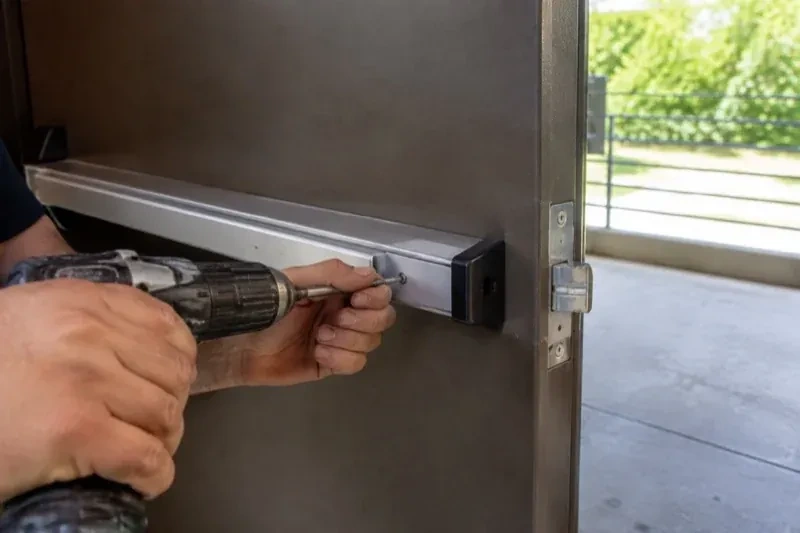
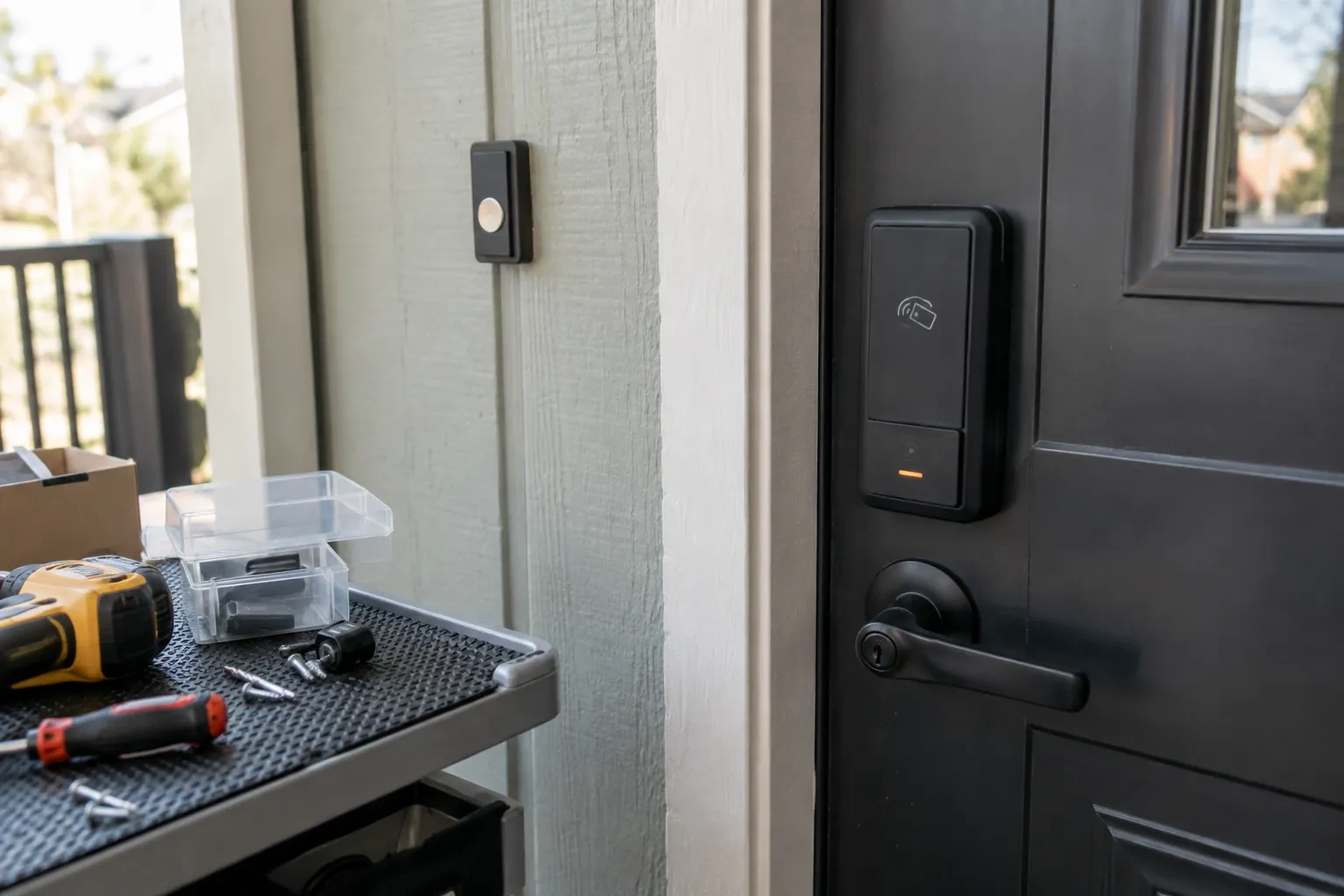
The new access-control reader at the staff entrance works fine going in, but nobody has sorted out the door's exit side, and right now a card reader and a pushbar exist as two separate ideas.
The key to the office entrance turns with almost no resistance now, and some mornings the deadbolt does not fully retract until someone jiggles the handle and tries the key again.
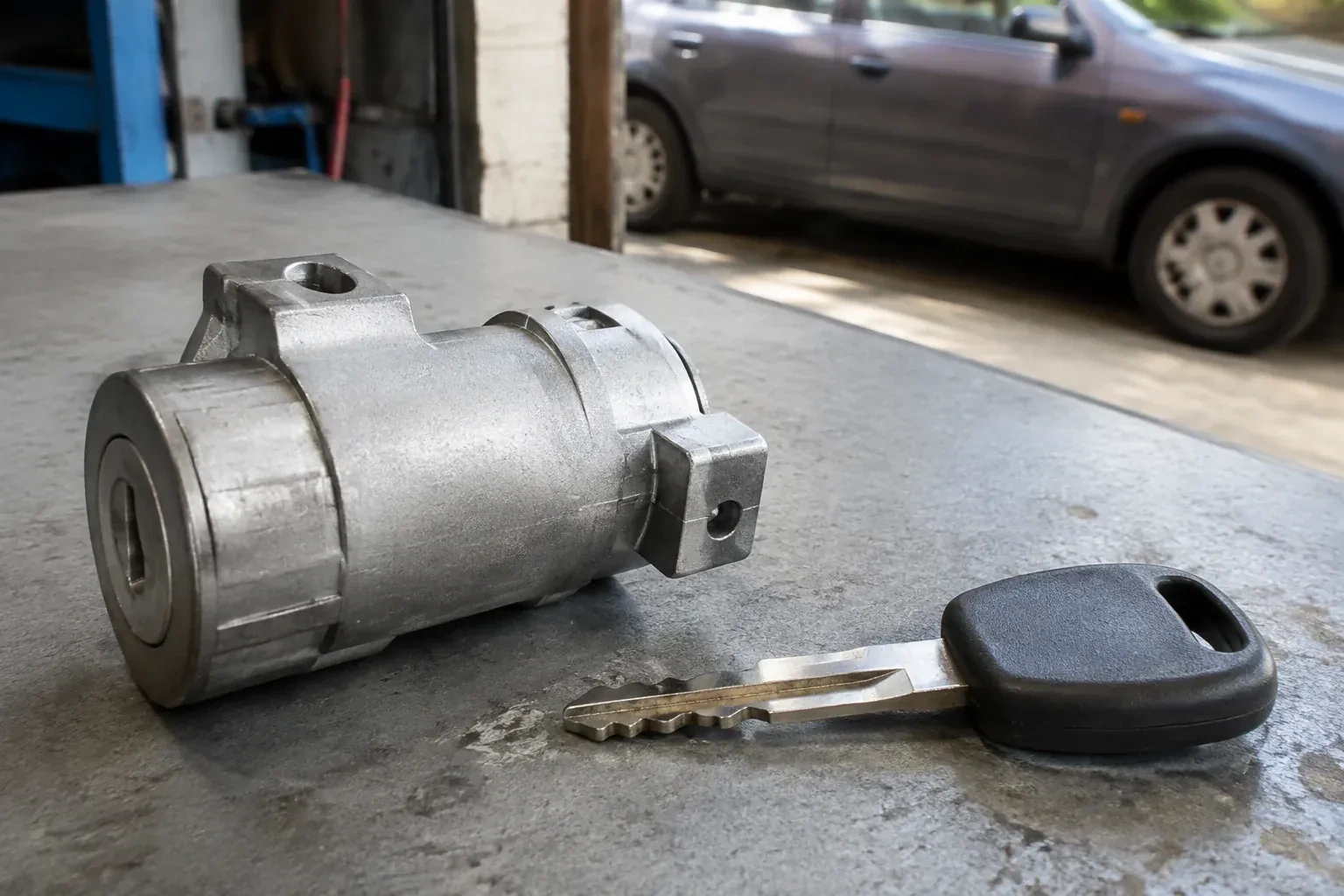
A scrape sits beside the ignition slot, left by whoever tried the vehicle overnight in the driveway. The key that used to start it now does nothing at all, and the housing itself feels looser than it should.
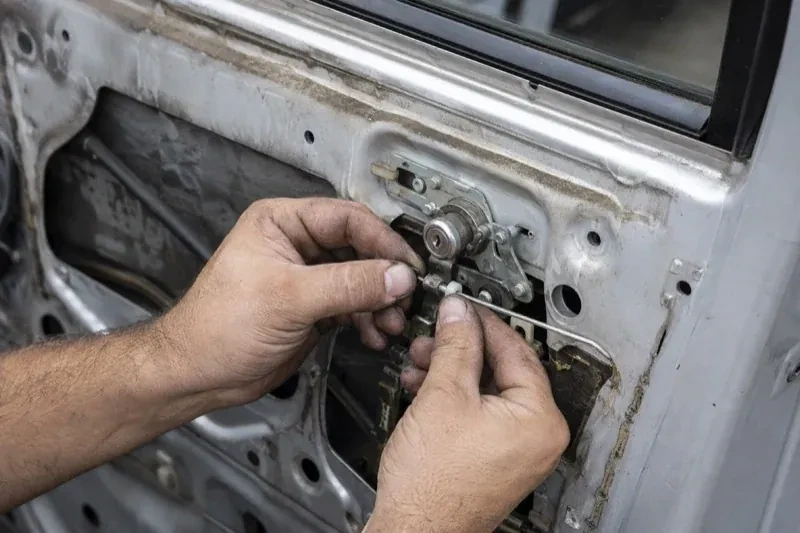
The car came with a second key that grinds and catches in the rear door, unlike the smooth key you use every day on the front two. It eventually turns, but the roughness has been there since the day you brought the car home.
Services here appear in the order a business tends to need them: a lockout or a lost key first, then rekeying, then a master system, then exit hardware and access control as the premises grow and the staff list lengthens.
The pharmacy's drop safe has a keypad that finally lost power for good, and the little override key that was supposed to live behind the counter cannot be found anywhere.
The accountant's office keeps a decade of client files in cardboard boxes because the only safe in the building is a small drawer safe meant for a laptop, nowhere near large enough for binders of paper.
Which fix fits?
The key went in stiffly, turned a quarter of the way, and came out in two pieces.
WhyMoving into a home is the moment most people first hear about rekeying, and it is the most sensible time to do it.
The house is fifteen years old and every exterior door still wears the light hardware the builder fitted: a short bolt, a thin strike held by two small screws, and a knob lock that never suited a street entrance.
WhyMoving into a home is the classic moment for this service, because you inherit whatever hardware and whatever key copies the previous owners left behind.
After the attempted break-in the police officer pointed at your door and said the strike plate was held by two short screws.
WhyThis service suits anyone who wants to stop wondering.
The new access-control reader at the staff entrance works fine going in, but nobody has sorted out the door's exit side, and right now a card reader and a pushbar exist as two separate ideas.
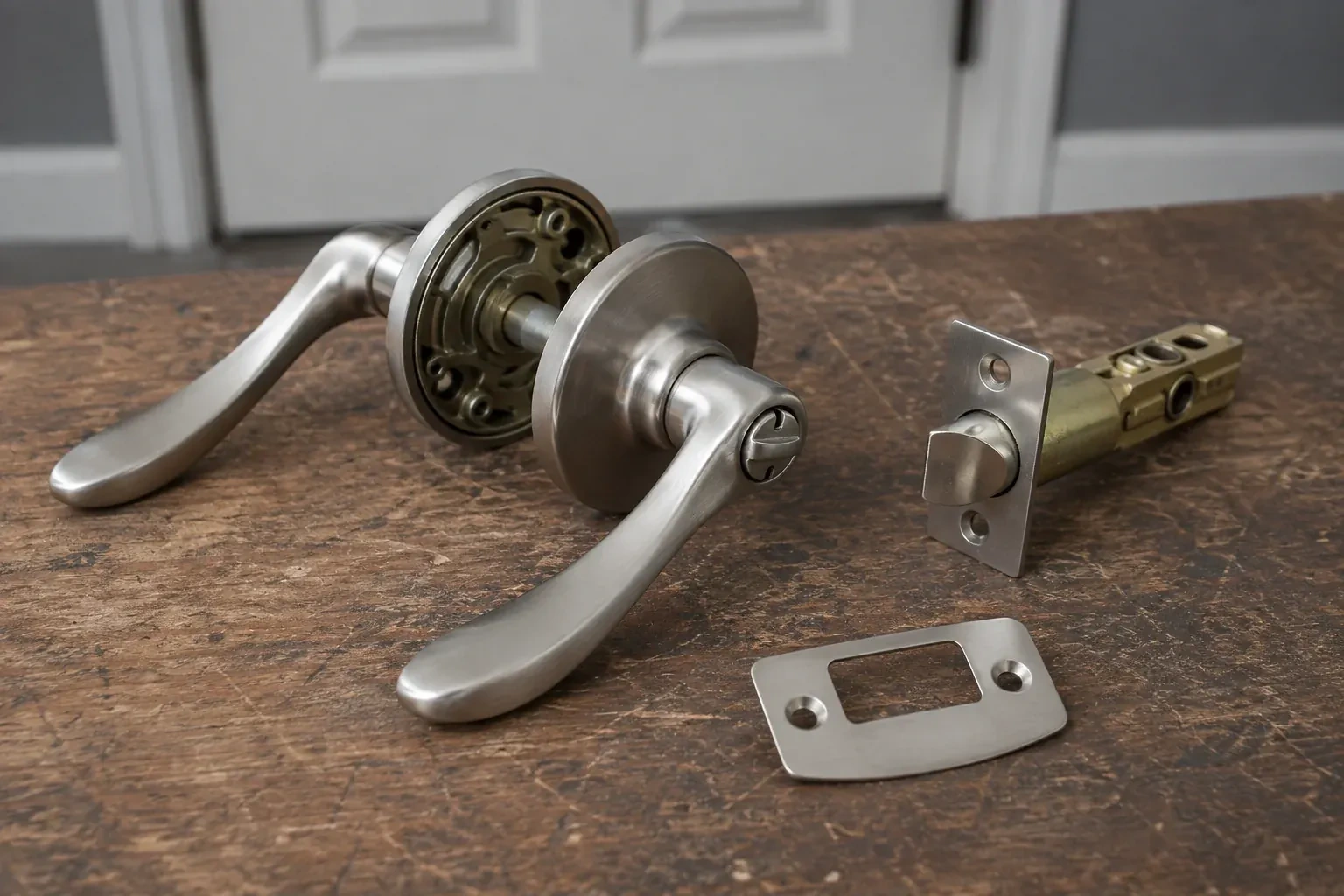
WhyWhich device goes on a door depends on what the door already is.
The key to the office entrance turns with almost no resistance now, and some mornings the deadbolt does not fully retract until someone jiggles the handle and tries the key again.
WhySome vehicle lock faults are entirely mechanical, a cylinder worn from years of use, a linkage rod that slipped off its clip, while others sit in the electrical side: a tired actuator motor, a corroded connector, or a coin battery inside the key fob that has finally run flat.
How a visit goes
Describe the property, the hardware and what has changed, and the visit starts from what you have seen.
1
2
3
01
Listening to the door's history
Has it been forced, does it drag, who has had keys? Those answers tell us whether the frame, the cylinder or the key list needs attention first.
02
Reinforcing what takes the blow
A box strike and three-inch screws into the studs, long hinge screws, and filled holes where the wood has split, before any cylinder is changed.
03
Testing every key in every lock
Doors open, doors closed, both sides, then a push on the locked door to feel for play. We finish by writing down what was fitted.
It depends on the hardware and what else is wired to it. A standard storefront cylinder or office lever on a well-hung door is often a short job once authority is confirmed. A high-security cylinder, a frozen lock, a dropped door or a dead access controller adds time, and so does rekeying several doors afterwards. The locksmith gives you a realistic idea on the phone once you describe the door and the situation.
I rent. Who arranges the repair, and can I change the lock myself?
Tell your landlord or property manager as soon as the police have been called; provincial tenancy law makes the landlord responsible for repairs to the unit, and most will arrange the locksmith. A tenant may not change locks without the landlord's agreement, and a landlord who changes them must give the tenant keys, so the visit is coordinated between you. If you arrange securing yourself in an emergency, keep the receipt and the record of what was done for both sides.
I rent. Can I have my locks rekeyed?
Yes, with your landlord's agreement, which is what the tenancy rules here expect before a tenant changes a lock. Most landlords are glad to consent when a key has gone missing or a former roommate has moved out, and the locksmith will want to hear that the landlord knows and will be holding one of the new keys. The rekey itself runs the same as for an owner, and a short note listing the doors done is handy to pass to the landlord.
Is there anything different about steel or fibreglass doors?
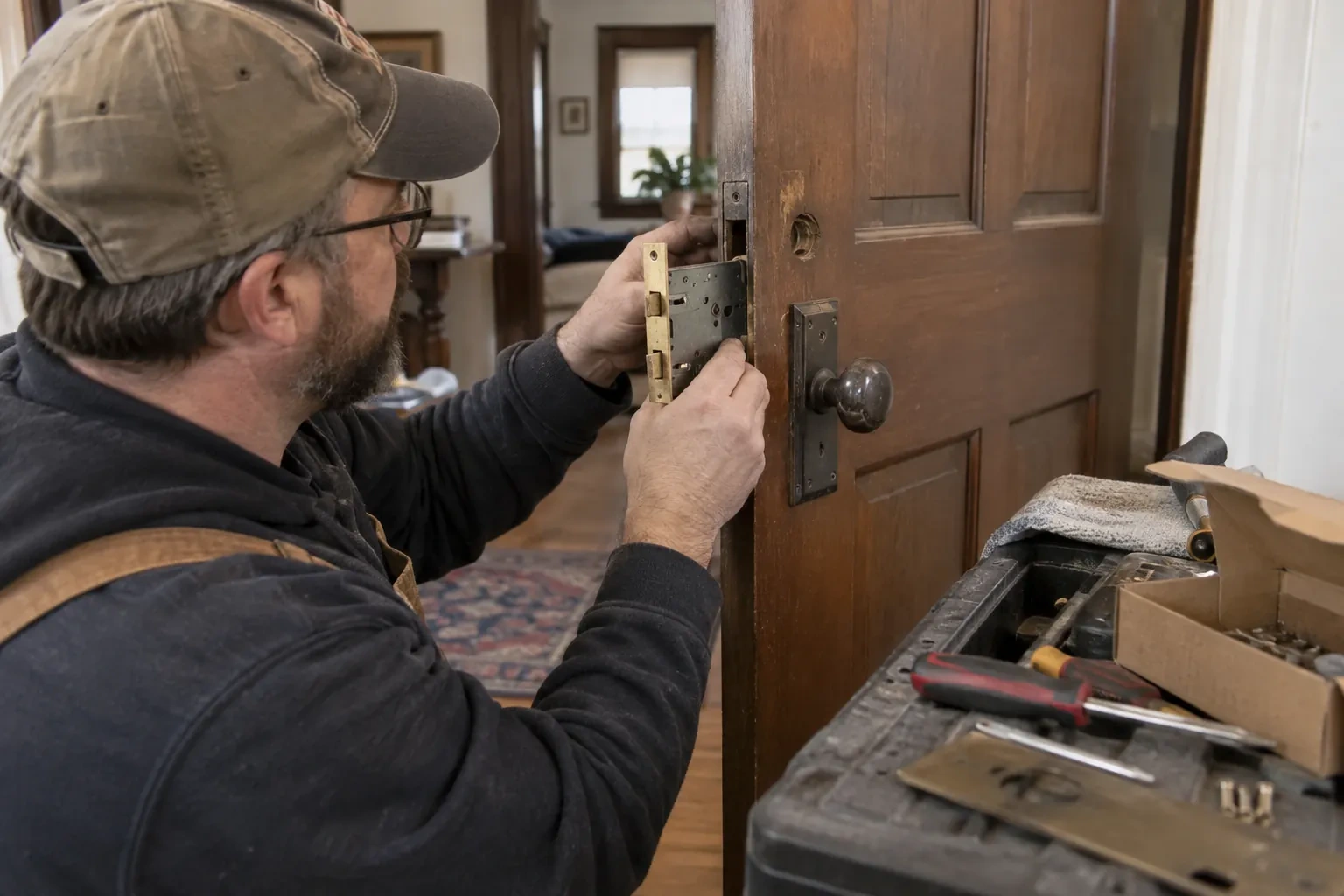
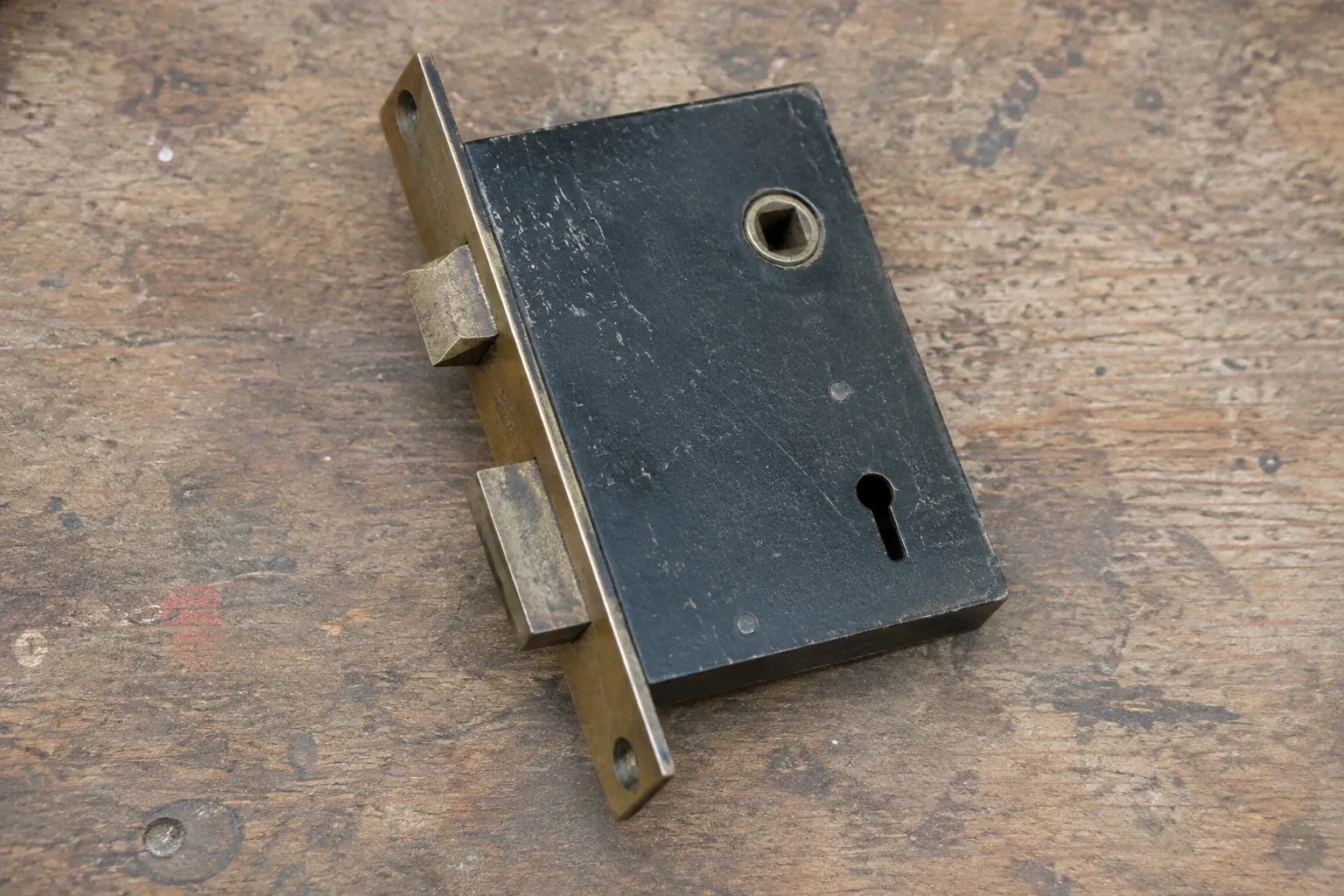
The lock hardware is the same; the door construction changes the method. Steel and fibreglass doors have a wooden or composite block inside the lock stile, and existing bores are used wherever possible. Where a new deadbolt must be added, the locksmith drills with a jig and bits suited to the skin so the hole is clean and square, and fits an edge plate designed for that door. Insulated doors also move less with humidity, so alignment tends to hold well.
Do high security locks need special maintenance?
Only light care. Use the dry lubricant the locksmith recommends once or twice a year, never oil, which gathers grit around the finger pins and sidebar. Keep the keyway free of debris and insert the key fully before turning. In winter, warm a resisting key in your hand or use a de-icer rather than forcing it. Check hinge and strike screws each season so the door stays aligned. Treated this way the cylinder lasts for decades.
How much force does the door need to open with?
Hardware standards set a maximum, not a target: an exit device is built to release the latch under a firm push, no more than about 15 pounds of force applied at the touchpad or crossbar, roughly the pressure of a light shove rather than a heave. That ceiling covers people who cannot lean hard into a door, so the swing stays open to anyone moving toward it under pressure.
Does an electric strike need to match a specific lock function?
Yes. An electric strike has to suit the latch or deadlatch type it will receive, the door's handing and swing, and whether the application needs fail-safe or fail-secure operation, meaning whether the door should unlock or stay locked if power is lost. Choosing a strike without checking these against the mechanical lock is a common reason a door releases electronically but still binds mechanically.
How many keys will I leave with?
That depends on what you ask for and what the vehicle already has. A single working key is enough to drive away, but most people ask for at least one spare cut and tested at the same time, especially if the visit started because the only working key had worn down badly or snapped off inside the ignition altogether.
Why has my key fob suddenly stopped working?
A dead coin-cell battery is the most common reason, and it is a straightforward fix once the fob is opened. Less often, the fob has lost its pairing with the vehicle or its case has cracked and let in moisture, both of which a locksmith can check and address.
Request a visit
For a condo or apartment in Baden we work within the building's rules. The suite door is yours and gets whatever cylinder, strike or closer suits the way you live. Common doors belong to the building, and we coordinate with management before touching them. You get a secure unit without a letter from the board.