Lockouts · Wilmot
Broken Key Extraction
That key had been bending a little for years, and you kept straightening it.
In plain words
If a key has just snapped in your lock, the most helpful thing you can do is nothing further to the lock. Keep the half in your hand, note whether the door is locked, and resist the tweezers and the glue, both of which push the piece deeper and add material the locksmith must clear first. On the phone, describe the lock, whether any of the blade shows, and whether the key turned when it broke. Have photo identification to hand, or the ownership papers if it is a vehicle. That short conversation means the locksmith arrives with the right extractors and a plan.
How the visit goesOvernight the deadbolt froze, and this morning the key would only turn partway. One more push and it sheared off flush with the face of the cylinder. There is nothing left to grip, and the cold is not helping.
Broken Key Extraction
How the visit goes
Locked or unlocked right now
Whether the bolt is thrown changes the order of work. If the door is locked, extraction is the first half and getting you inside is the second; the locksmith plans both so the door is opened with the least fuss once the keyway is clear. If the key broke while you were locking up and the door is open, the priority reverses: the fragment comes out and the door is made secure before anything else is discussed, so you can leave when you need to. On a vehicle the same question applies to the door and, separately, to whether the ignition turns.
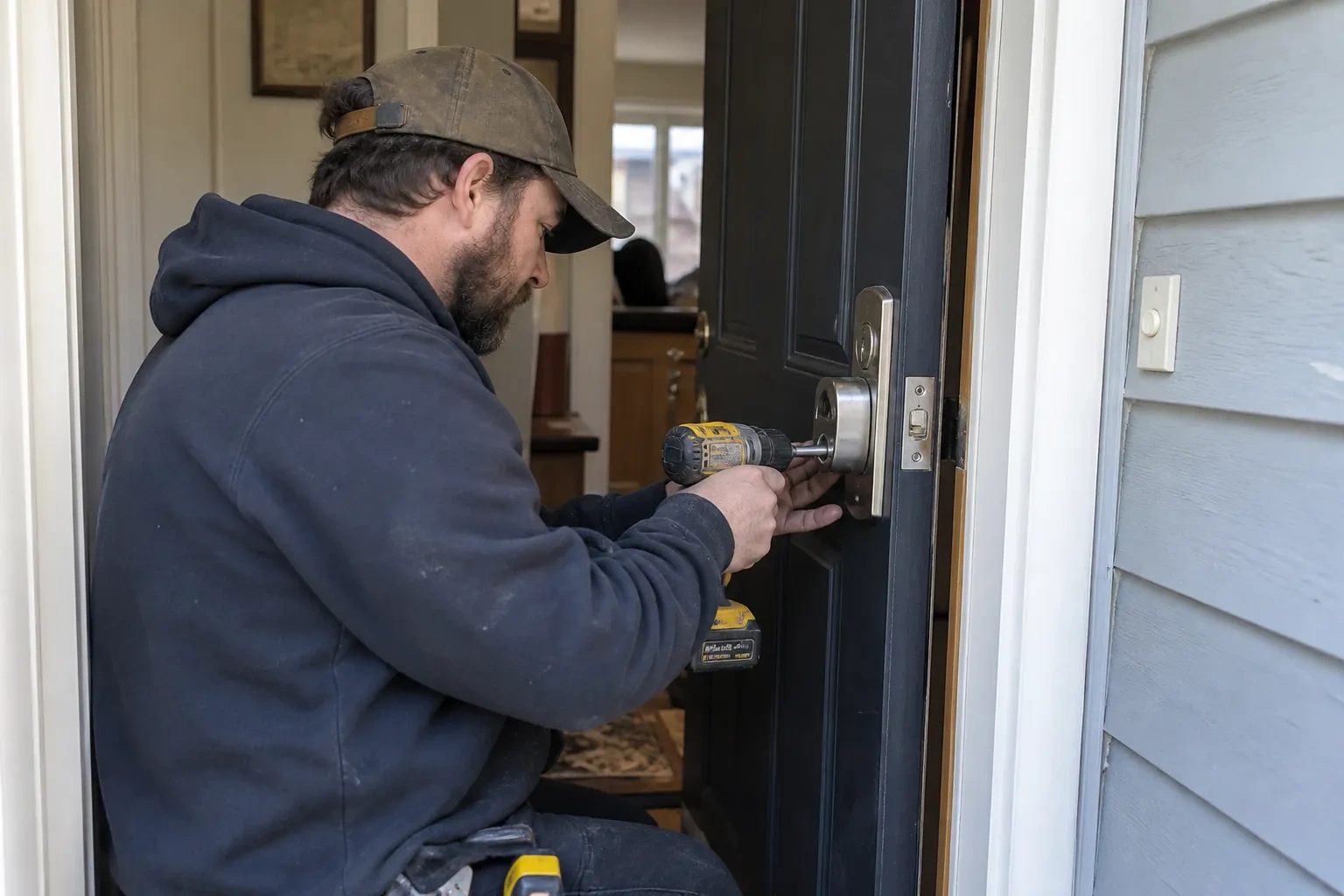
Taking the cylinder apart to free it
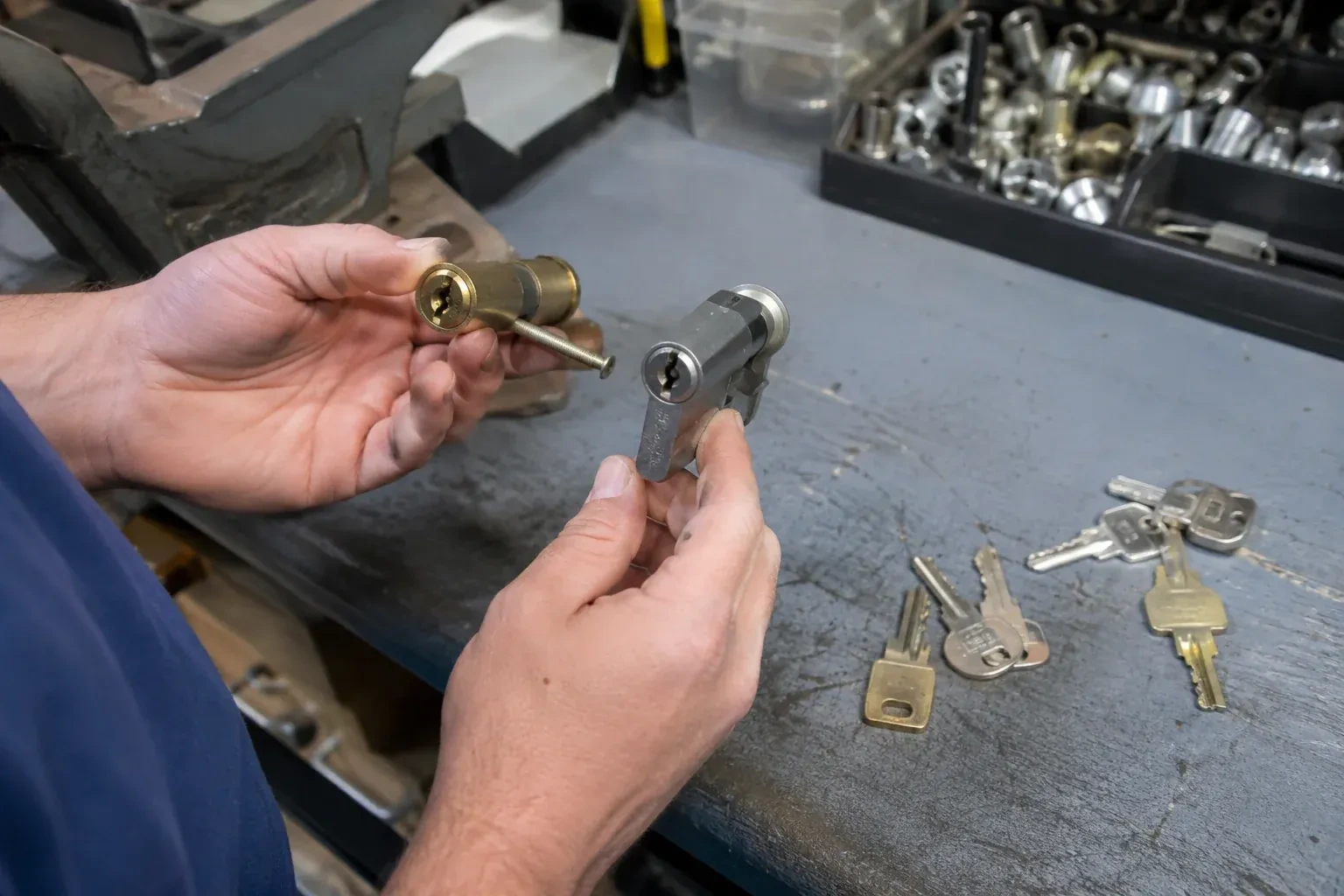
Occasionally a piece is too deep, glued in, or wedged past the pins where no extractor can reach. On a serviceable, removable cylinder, the lock is serviced from behind: removed from the door or padlock (a rekeyable padlock is normally unlocked first), its cap or retaining clip taken off, and a plug follower used to push the plug out while the top pins and springs stay in place. With the plug in hand the fragment is tapped out from the rear, the pins inspected, and everything cleaned before reassembly. Where the cylinder is non-rekeyable, damaged or will not free this way, a replacement cylinder is the alternative, explained first.
Habits that keep keys in one piece
A few small changes stop most repeat breaks. Push the key fully home before turning, and turn from the bow with a level hand, never with pliers or from the tip. Keep the house key off box-cutting and ice-scraping duty; every bend fatigues the blade at its narrowest cut. Replace a key the moment it shows a kink, a crack line or rounded cuts, and cut the replacement from code or a crisp original. Keep the ring light. If the lock itself starts to stiffen, that is the cue to lubricate or call, because a stiff lock is the one that breaks keys.
Broken Key Extraction
In the van
Vehicle key blades and chip shells
Key gauge and decoder
Manufacturer-approved cylinder lubricant
Lock de-icer
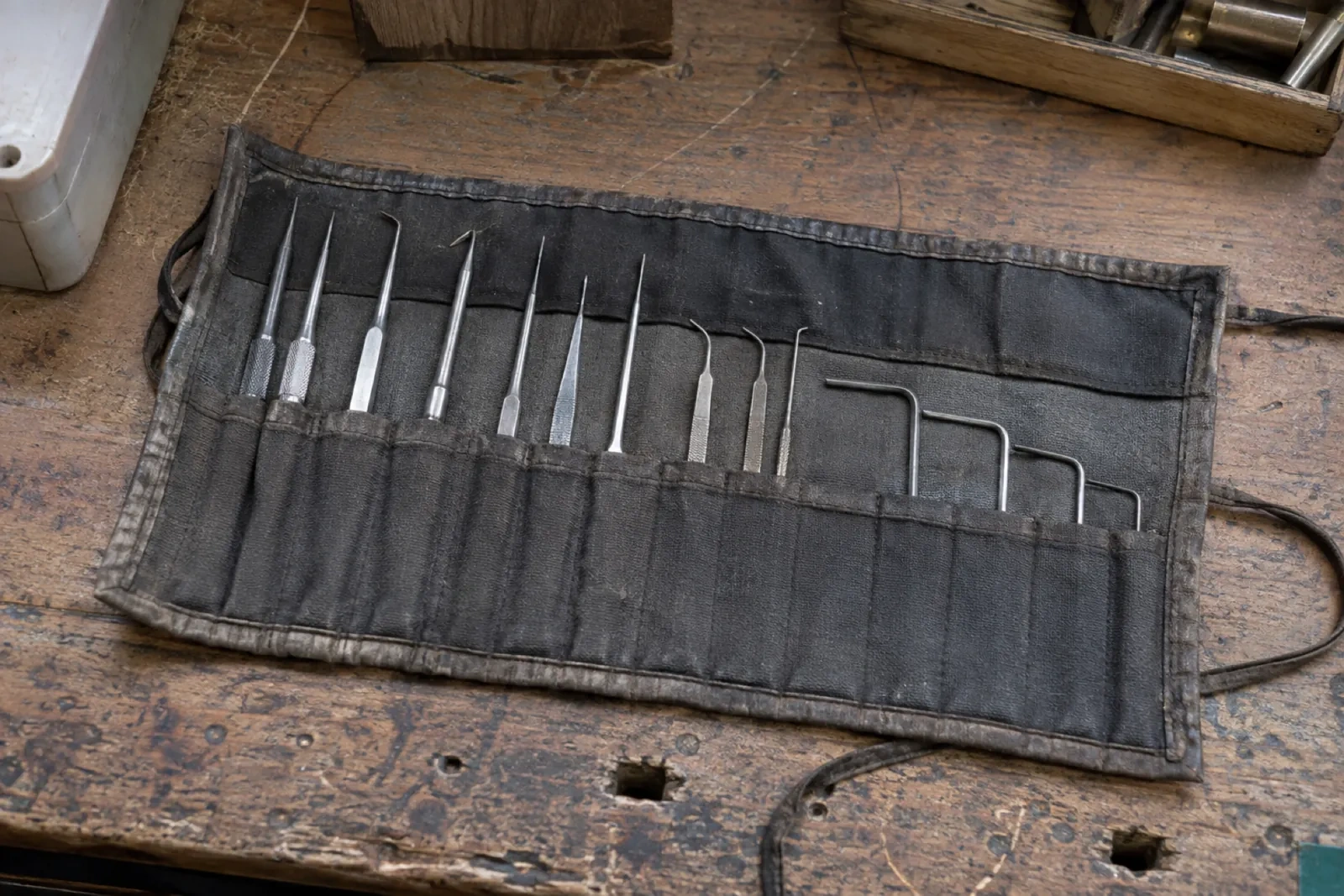
Plug follower and cap tool
Broken Key Extraction
What affects the quote
Drilling and a replacement cylinder
On the rare occasion a cylinder must be sacrificed, the price includes the new cylinder or complete deadbolt plus fitting it, and that is agreed with you before the drill is picked up.
Number of keys cut
Copies are counted individually. One replacement for a single occupant and four for a household are different lines, and you choose the number on the spot.
Whether the plug turned before the break
A key that snapped mid-turn leaves the plug rotated and the pins holding the fragment. Easing the plug back to rest before extraction is an extra step in the work.
What to have ready
- Had the key been needing extra force or a wiggle lately?
- Where did the key break: a house door, a padlock, a car door or an ignition?
- Did the key turn part of the way before it snapped?
Broken Key Extraction: questions
QuestionsCan the piece be pushed out from the other side?
On a standard door cylinder the keyway is closed at the back by the plug and the tailpiece, so there is no straight path through. What a locksmith can do is remove the cylinder, take off the cap, and push the plug out of its housing with a follower, which frees the fragment from behind. That is done on the bench, not by forcing anything from the inside of the door.
Part of the key is sticking out. Can I just pull it with pliers?
If a good length shows and the plug is at its normal rest position, a firm straight pull sometimes works. The risk is pushing instead of pulling, or twisting, which drives the piece deeper and can bend a pin. If it does not come on the first gentle try, stop there and leave it for extractor tools, which grip the cuts without loading the cylinder.
What information helps when I call?
What the key was in: a front door deadbolt, a knob, a padlock, the driver's door or the ignition. Whether any of the key shows above the face. Whether the key turned before it broke and whether the door is locked now. Whether anything has been inserted since. Whether you have the other half, a spare or the key code. And whether the property is owned, rented or managed.
Related services

- Business Lockout ServiceIt is ten to nine, three staff are on the sidewalk with their coffees, and the key that has opened the glass front door for six years will not turn.
- Break-In Damage Lock RepairPolice have come and gone, the occurrence number is on a sticky note, and you are standing in a cold hallway looking at a splintered frame, wondering how the house gets locked before everyone tries to sleep.
- Seized & Jammed Lock OpeningThe old mortise lock on the front door of the house turns the key halfway and stops with a dull clunk.