Car keys · Wilmot
Spare Car Key Duplication
A lockout last month ended with a locksmith opening the door and going home, and the same single key has been carried ever since with nothing behind it.
In plain words
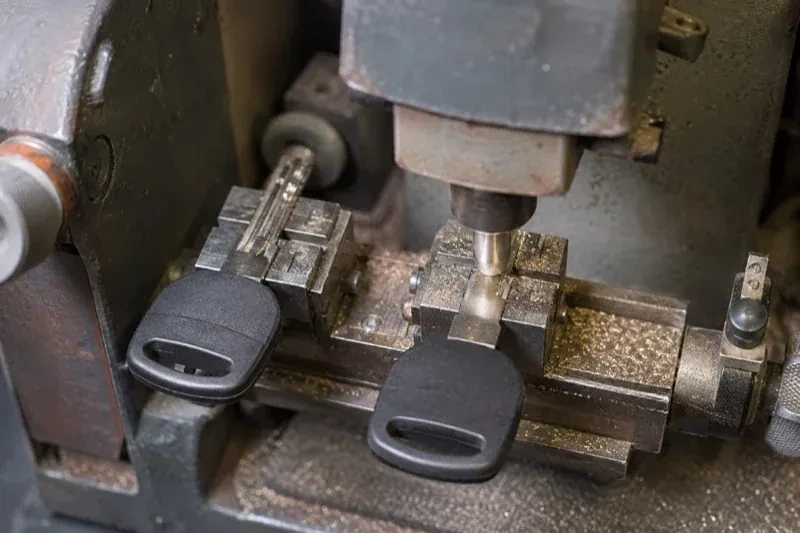
Most vehicles on the road pair a cut metal blade with an invisible electronic layer, a chip in the head that the immobilizer checks before the engine is allowed to start. Duplicating a spare means reproducing both halves, not just the shape of the blade, so the process depends on what year and system the car actually uses. An older mechanical key copies directly from the blade on a duplicating machine. Transponder and remote-head keys add a chip that is copied or freshly coded through the vehicle's diagnostic connection. Proximity fobs add pairing over radio, and every path ends with a second key that starts the car.
How the visit goesThe proximity fob has ridden in a pocket for years, the range feels shorter than it used to, and a dashboard warning mentioned a battery a while back. Nobody has sorted out what happens on the day it finally goes dark.
Spare Car Key Duplication
How the visit goes
Looking at the working key itself
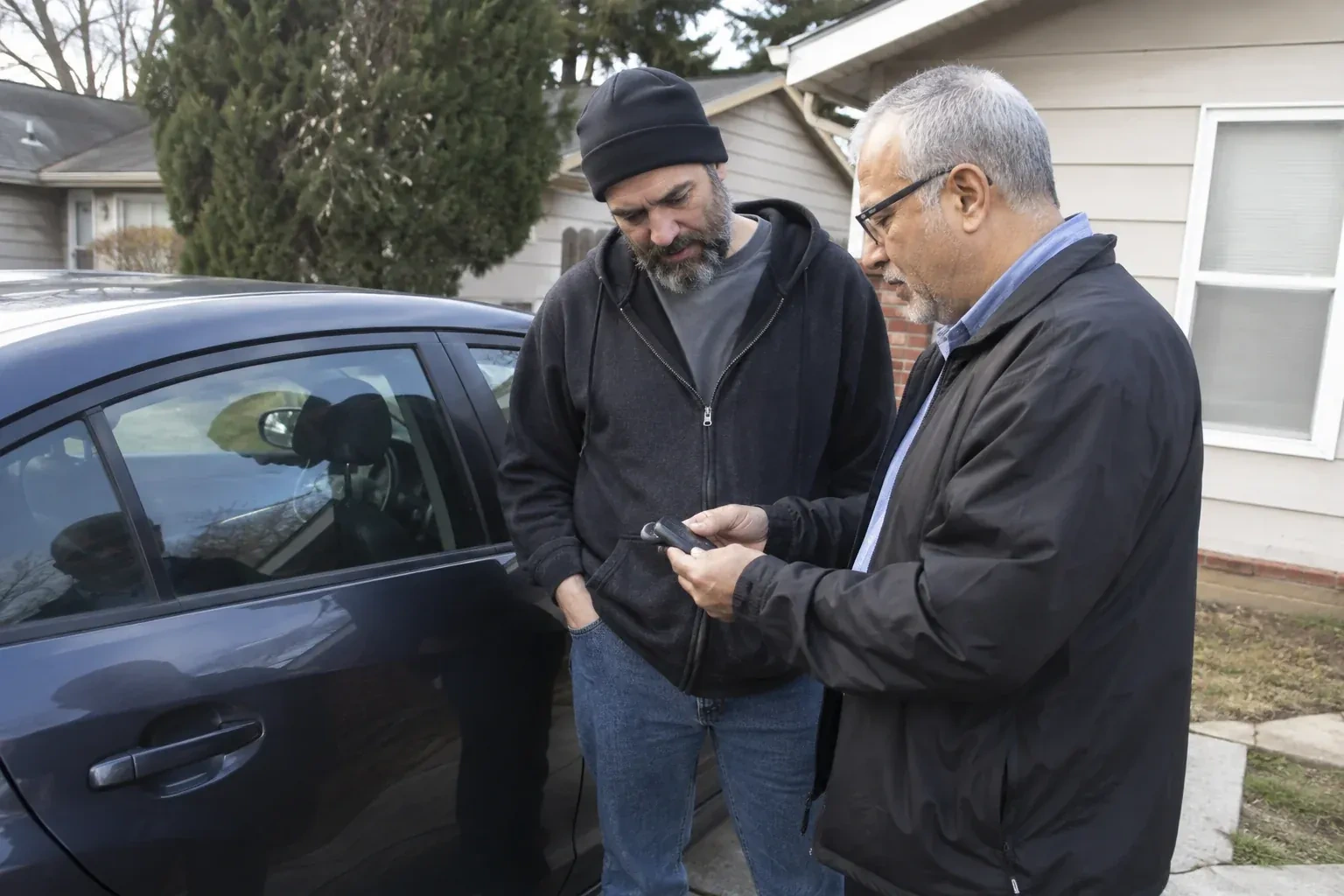
The existing key is examined for exactly what it is: a plain blade, a blade carrying a transponder chip, a remote head with buttons built into the plastic, or a proximity fob meant to stay in a pocket. Wear matters too; a blade that has thinned unevenly or a button that sticks tells the locksmith what to expect when it is time to trace or copy from it, and whether the original itself might be due for retirement once the spare exists. A key that has already been altered, filed or repaired is noted before it becomes the reference for a new copy.
Setting up a limited valet or family spare
A spare intended for a valet, a young driver or occasional use is sometimes built without the remote functions the primary key carries, using a plain blade-and-chip key that starts the car and opens the driver's door without the trunk release, remote start or other features the household prefers to keep on one key. This is a programming choice made deliberately rather than a lesser copy: the chip is still fully recognized by the immobilizer, and the key performs exactly the functions agreed on at the start of the visit, no more and no less.
Passing a key to someone else
When the new spare is meant for a specific person rather than a drawer, such as a family member at another address or a regular caretaker for the vehicle, it is worth agreeing at handover what that person's key is expected to do and what happens if their circumstances change, such as no longer needing access. On some vehicles, removing one person's key later means the immobilizer's whole key memory is cleared and every remaining key has to be brought back and registered again, so it is worth knowing at handover whether that particular vehicle works that way.
Spare Car Key Duplication
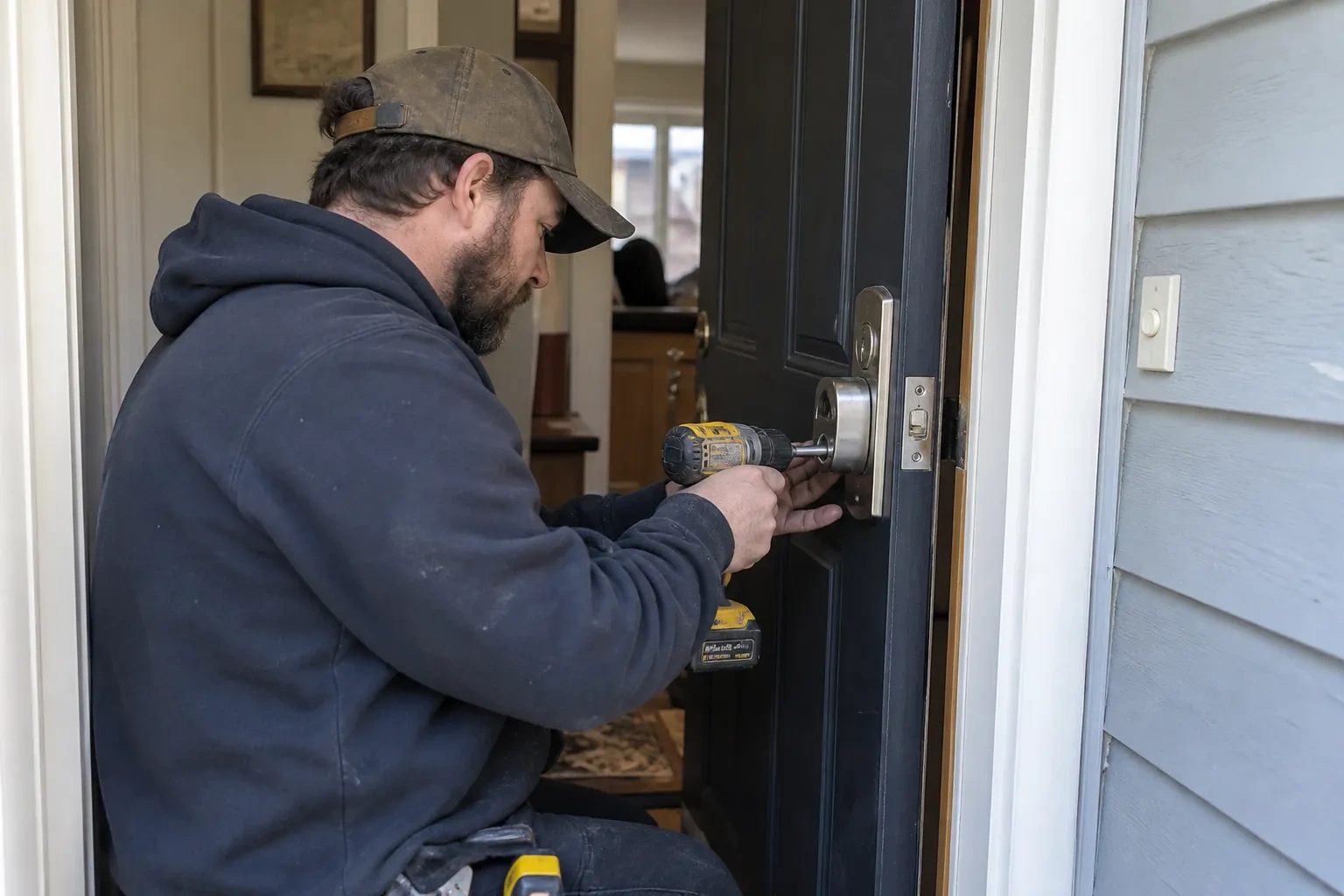
In the van
VIN and key-system reference
Proximity fob shell
Code-cutting machine
Deburring file
Coin-cell fob battery
Spare Car Key Duplication
What affects the quote
Scheduling more than one vehicle together
Two vehicles booked into the same visit, such as a household's pair of cars, are generally more efficient to handle together than arranging two separate appointments on different days.
Which key system the vehicle uses
A plain mechanical blade, a transponder key, a remote-head key and a proximity fob each call for different tools and different amounts of time, so identifying the system early shapes the whole quote before any cutting or programming starts.
Reprogramming to drop a missing key
When a key is genuinely unaccounted for, having the vehicle's system stop recognizing it is separate work from cutting a new spare, and is scoped as its own step when it is needed.
What to have ready
- Where is the vehicle usually parked?
- Has a key ever gone missing that was never accounted for?
- What year, make and model is the vehicle?
Spare Car Key Duplication: questions
QuestionsHow long does making a spare car key usually take?
The time depends mainly on the key system rather than the blade. A plain mechanical key can often be duplicated within one visit, without extra electronic work. A transponder or remote-head key adds a cloning or programming step, done off the vehicle when the chip supports it and through the vehicle's own diagnostic port when it does not, with the diagnostic route usually taking longer. The locksmith can usually say which category your vehicle falls into once the make, model and year are known, before the appointment starts.
Does the new key need to be identical to the original?
Not necessarily. Most households want a spare that behaves exactly like the first key, and that is the default. Some prefer a simpler version for a particular driver, such as a mechanical key without remote buttons for a valet or a young driver. Either choice is a programming decision made at the start of the visit, and the resulting key is fully recognized by the vehicle either way.
What is the difference between a transponder key and a smart key?
A transponder key still has a blade you insert into the ignition, with a chip in the head that the immobilizer checks once it is turned. A smart or proximity key usually stays in a pocket or bag; the vehicle senses it nearby, unlocks the doors, and starts with a push button rather than a turned key. Both rely on the same underlying idea, an electronic identity the vehicle recognizes, delivered in different ways.
Related services
- Car Key ReplacementAfter fifteen years the blade has worn to a smooth sliver.
- Key Fob ProgrammingThe car changed hands last week, and the paperwork included exactly one fob for a household with two drivers.
- Transponder Key ProgrammingThe new key slides into the ignition and turns exactly the way the old one did, but the engine only cranks.