Car keys · Wilmot
Key Fob Programming
The car changed hands last week, and the paperwork included exactly one fob for a household with two drivers.
In plain words
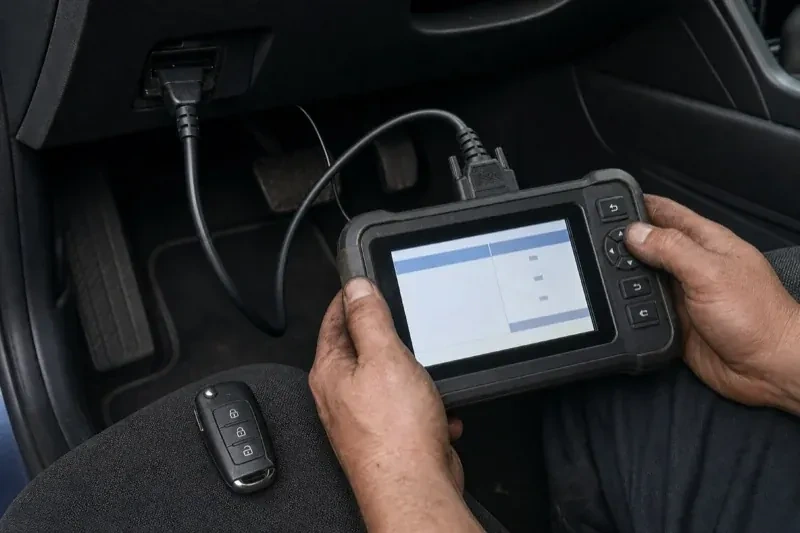
Key fob programming introduces a fob, remote or smart key into a vehicle's memory so every function it offers actually operates the car: the locks, the alarm, starting authorization, and on many vehicles passive entry, which unlocks the door once it is nearby and the handle is touched, gripped or pressed, since unlocking on approach alone is a separate feature found on only some vehicles. Ownership and the exact vehicle are confirmed first, since the underlying procedure differs from one make and model to the next. Once the fob is registered, each function is tested in turn, so nothing is left half-working once the visit is over.
How the visit goesEvery fob for the car disappeared at once inside a bag that was never recovered, and the vehicle now sits in the driveway with no way in and no way to start it. A dealership visit would mean arranging a tow; a mobile programming visit is the other route.
Key Fob Programming
How the visit goes
Counting every fob already in the house
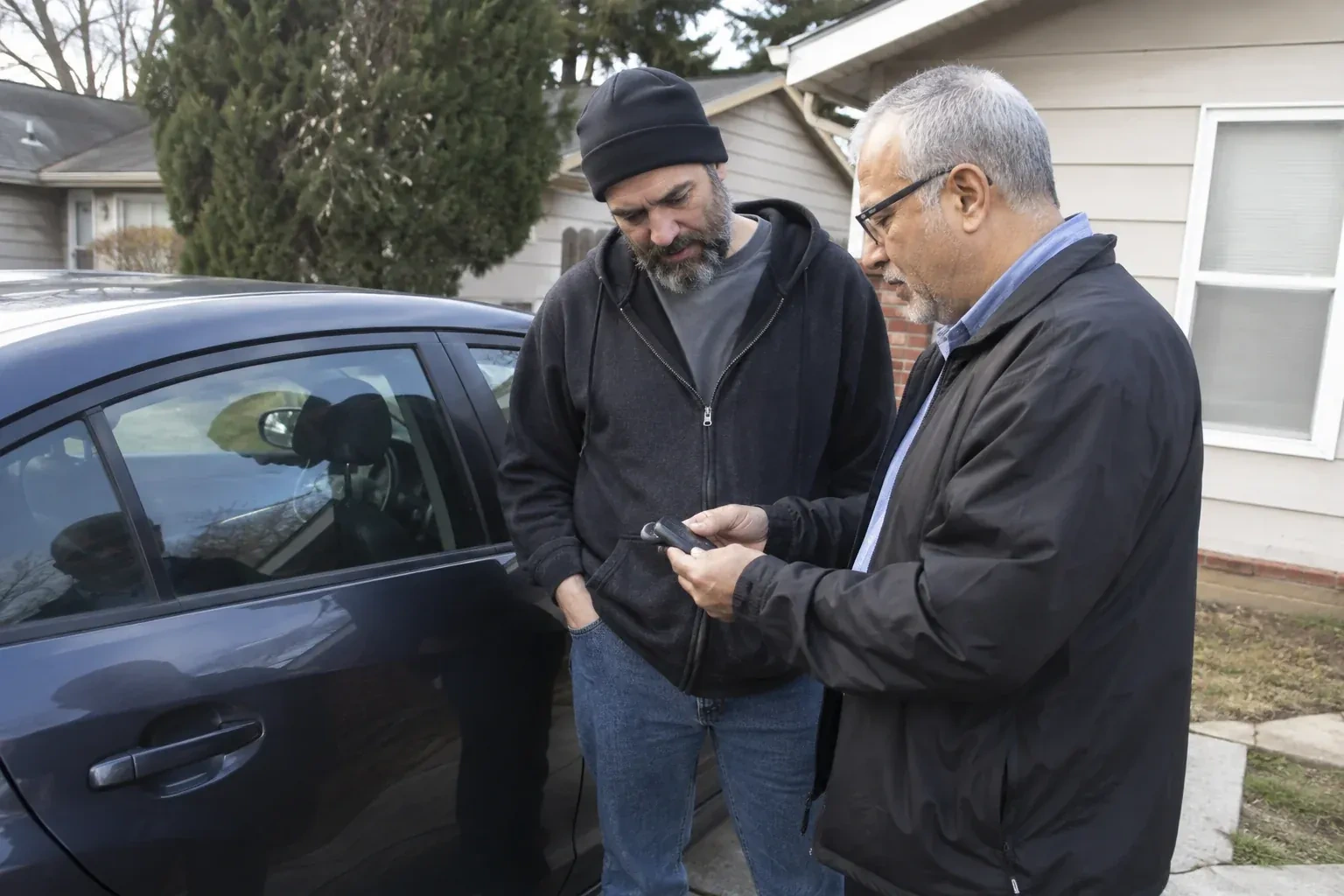
The visit starts with an honest count of what fobs exist for this vehicle right now, working or not, present or missing. A household that believes it has two fobs sometimes turns out to have three once a coat pocket or a junk drawer gets checked, and that count changes the plan. Any fob confirmed lost or unaccounted for gets flagged for removal from the vehicle's memory once the new one is added, so the visit ends with every remaining fob known and accounted for rather than an open question.
Testing every function before calling it finished
A fob is more than one signal, and each one is checked in turn once registration finishes: locking, unlocking, the trunk or hatch release, the panic alarm, and where the vehicle has it, passive entry, tested by whatever action that vehicle actually needs, approach, a handle touch, grip or button press, and remote start from a distance. The mechanical backup blade, if the fob has one, is tested in the door; on many push-button-start vehicles that blade opens the door only, and starting still needs the electronic fob recognized at the switch. Skipping a function to save a moment means discovering the gap days later, so each one is confirmed while the tools and the vehicle are still right there.
Looking after the fob you just received
A programmed fob deserves the same basic care as the one it replaced: keep it away from standing water, avoid dropping it onto hard floors from any height, and swap the coin-cell battery before it fails completely rather than after the remote has already gone dark. Most owner's manuals list the exact battery size and a short procedure for opening the case, and following that rather than guessing keeps the seal and the buttons intact for years of ordinary use.
Key Fob Programming
In the van
Manufacturer security access code
Replacement or supplied key fob
Diagnostic port interface cable
Mechanical key blank
Key cutting machine
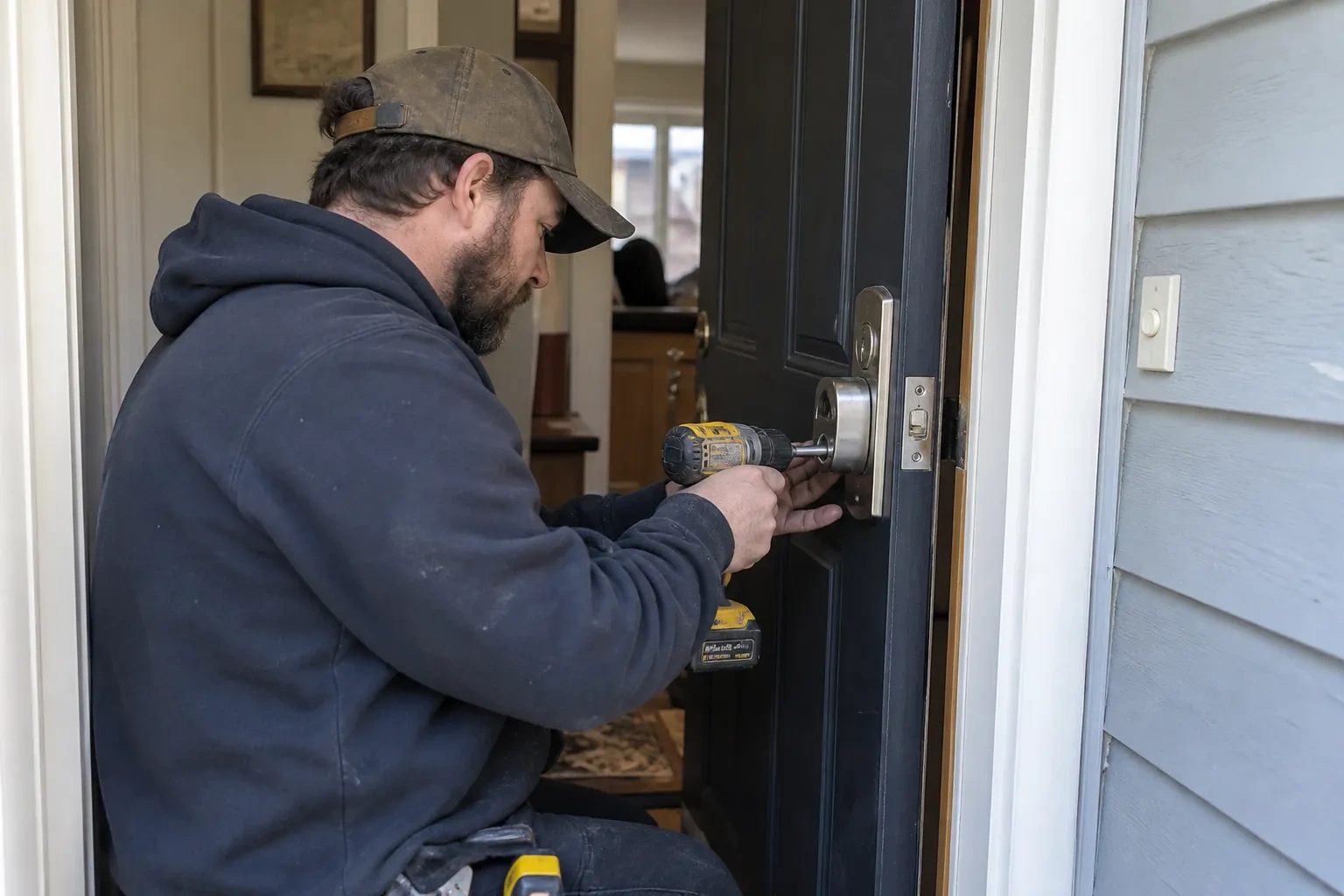
Key Fob Programming
What affects the quote
Battery and hardware needs uncovered during the visit
A fob that turns out to need only a battery or a replacement shell, once opened and examined, is a smaller job than full electronic replacement, and the quote adjusts to reflect what was actually needed.
Number of drivers being added to the vehicle
Programming one fob for one new driver is a smaller task than bringing an entire household or a company's drivers onto the same vehicle's key list in a single visit.
Whether the vehicle has been worked on before
Prior attempts at programming, a fob that has already been opened, or settings that already look altered can add time to confirming the vehicle's current state before new work proceeds.
What to have ready
- Do you already have a replacement fob, or does one need sourcing?
- Has any fob been dropped, cracked or gotten wet recently?
- Do you want a mechanical backup key cut as well?
Key Fob Programming: questions
QuestionsWhat is the difference between a remote, a transponder key and a proximity fob?
A basic remote only operates the locks and alarm from a distance while a separate metal key still starts the engine. A transponder key combines a cut blade with a chip the immobilizer reads before allowing a start. A proximity fob goes further: it authorizes entry while it is nearby, though most vehicles still need the handle touched, gripped or pressed to actually unlock, and it starts the engine with a push button, with no key insertion needed day to day. Each type is programmed differently.
Is fixing a lost key different from just adding a spare?
Yes. Adding a spare while every existing fob still works only involves registering the new one. A lost key involves that same registration plus removing the missing fob's authorization following that vehicle's own procedure, since leaving it active means whoever has it can still use it; some vehicles also relearn the fobs you keep, and a mechanical blade in the lost fob is ruled out by rekeying the matching lock. The two situations share a first step but not a last one.
How do I stop all my fobs from wearing out around the same time?
Replacing coin-cell batteries as soon as a fob's range starts to feel shorter, rather than waiting for it to go completely dark, is the simplest habit. Keeping fobs off a keyring crowded with heavy metal keys reduces wear on the case and buttons as well. Since fobs from the same purchase batch often age together, a fading one is worth treating as an early warning for the others.
Related services
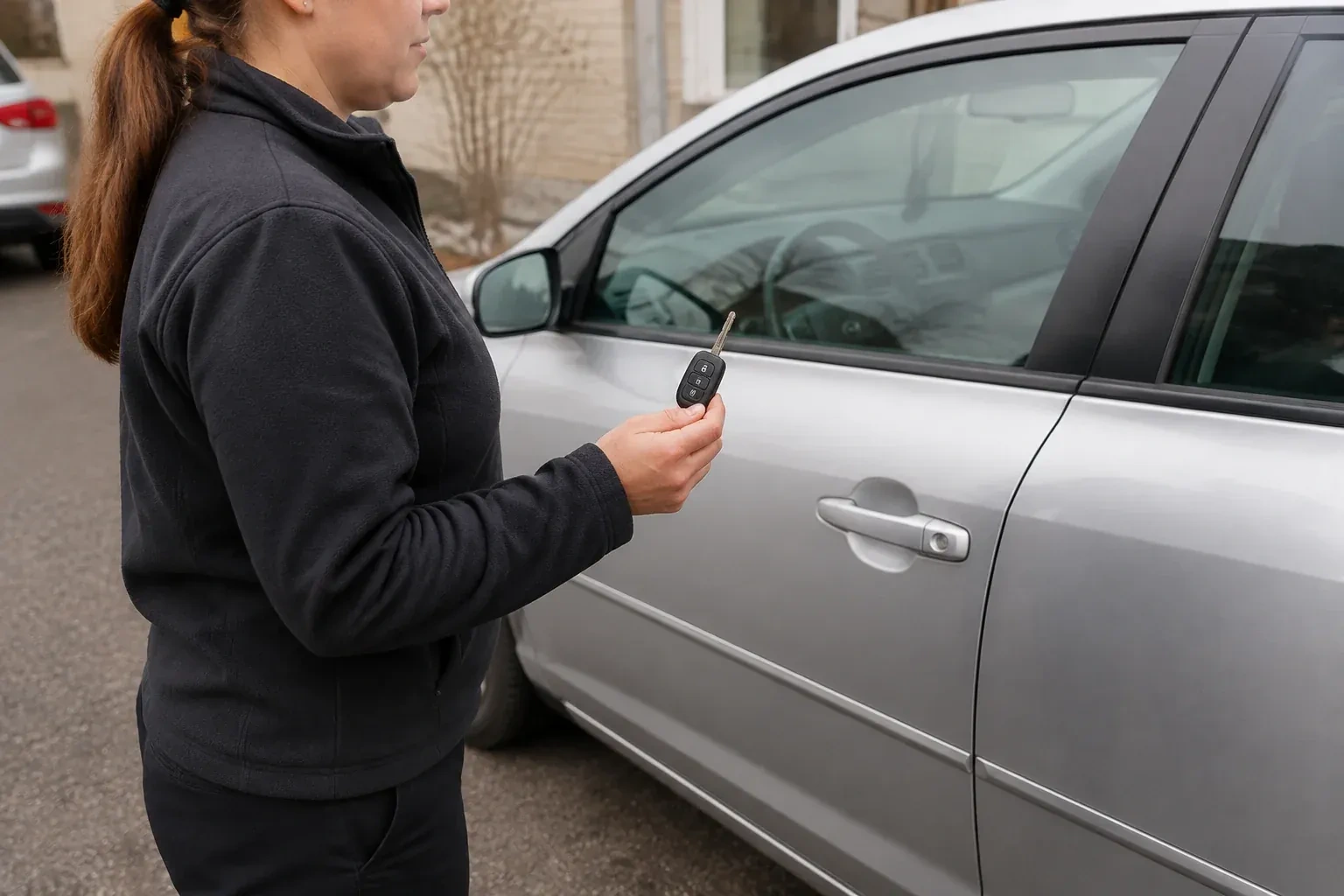
- Car Key ReplacementAfter fifteen years the blade has worn to a smooth sliver.
- Spare Car Key DuplicationA lockout last month ended with a locksmith opening the door and going home, and the same single key has been carried ever since with nothing behind it.
- Transponder Key ProgrammingThe new key slides into the ignition and turns exactly the way the old one did, but the engine only cranks.