Locksmith in New Dundee, OntarioMoving out?Hand over a clean slate.
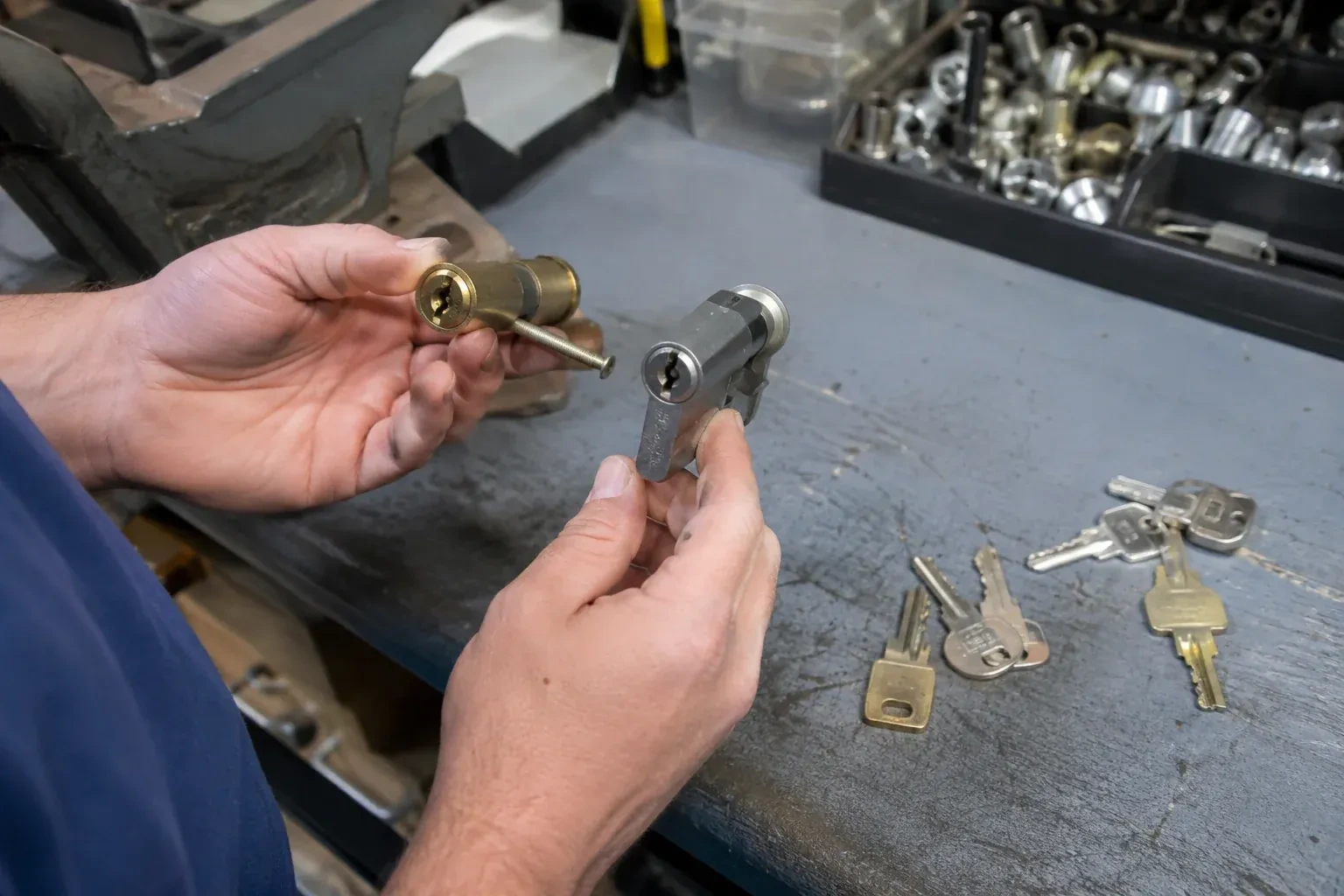
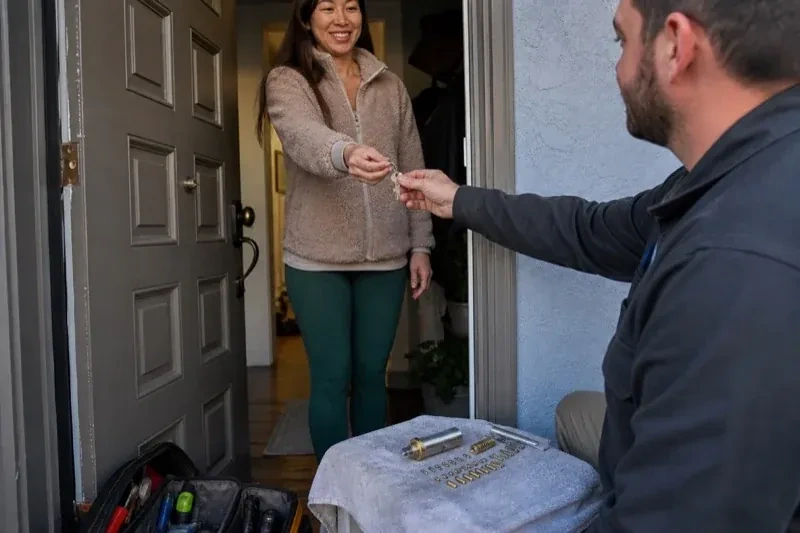
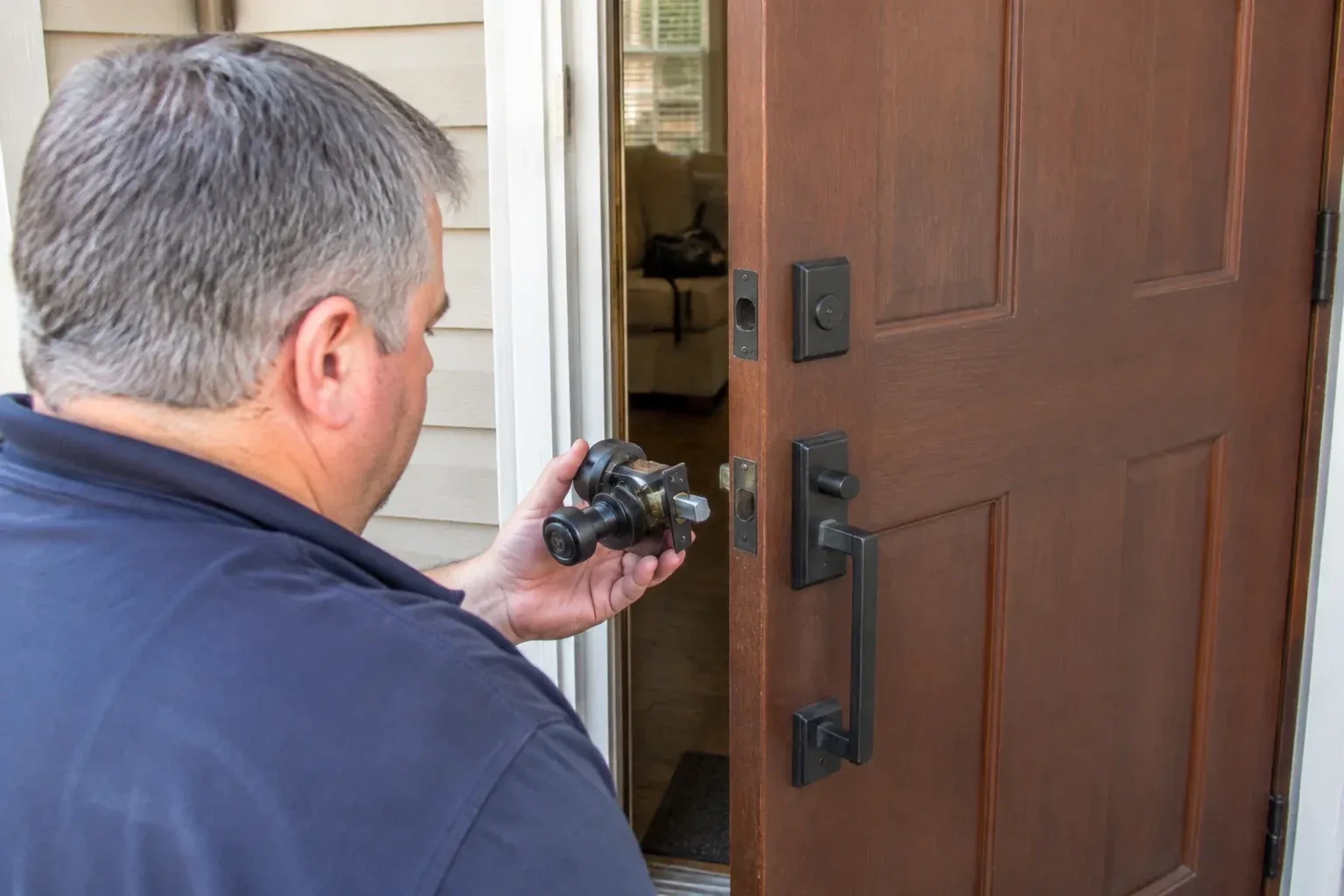
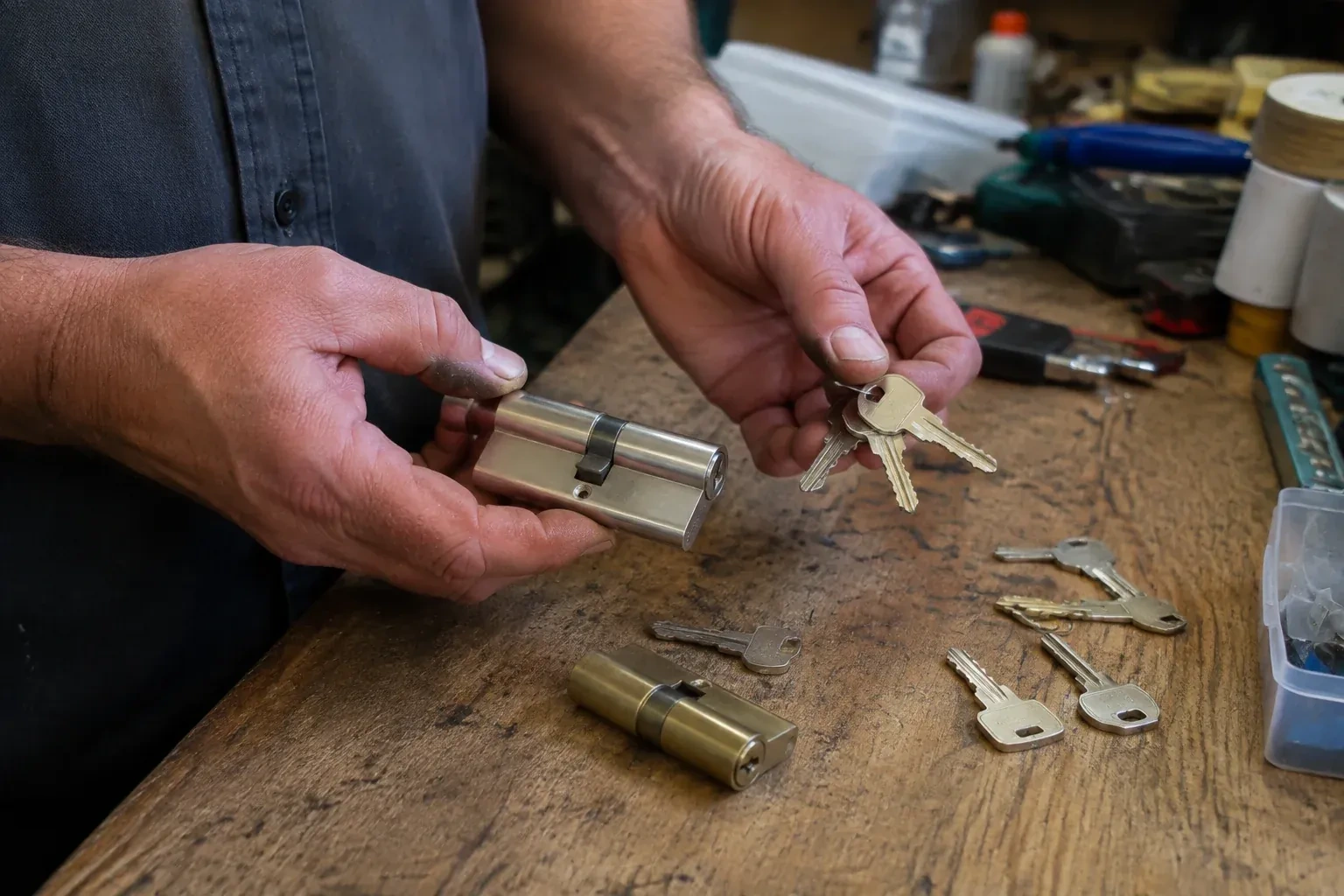
Selling or handing back a property in New Dundee goes more smoothly when the locks are fresh and every key accounted for. We rekey the exterior doors, gather the old keys, cut the set the next people will need, and give you a short written record to pass along with the paperwork. The same crew covers Perry's Corners and Washington.
Selling or handing back a property in New Dundee goes more smoothly when the locks are fresh and every key accounted for. We rekey the exterior doors, gather the old keys, cut the set the next people will need, and give you a short written record to pass along with the paperwork. The same crew covers Perry's Corners and Washington.
Plain talk, tidy work.
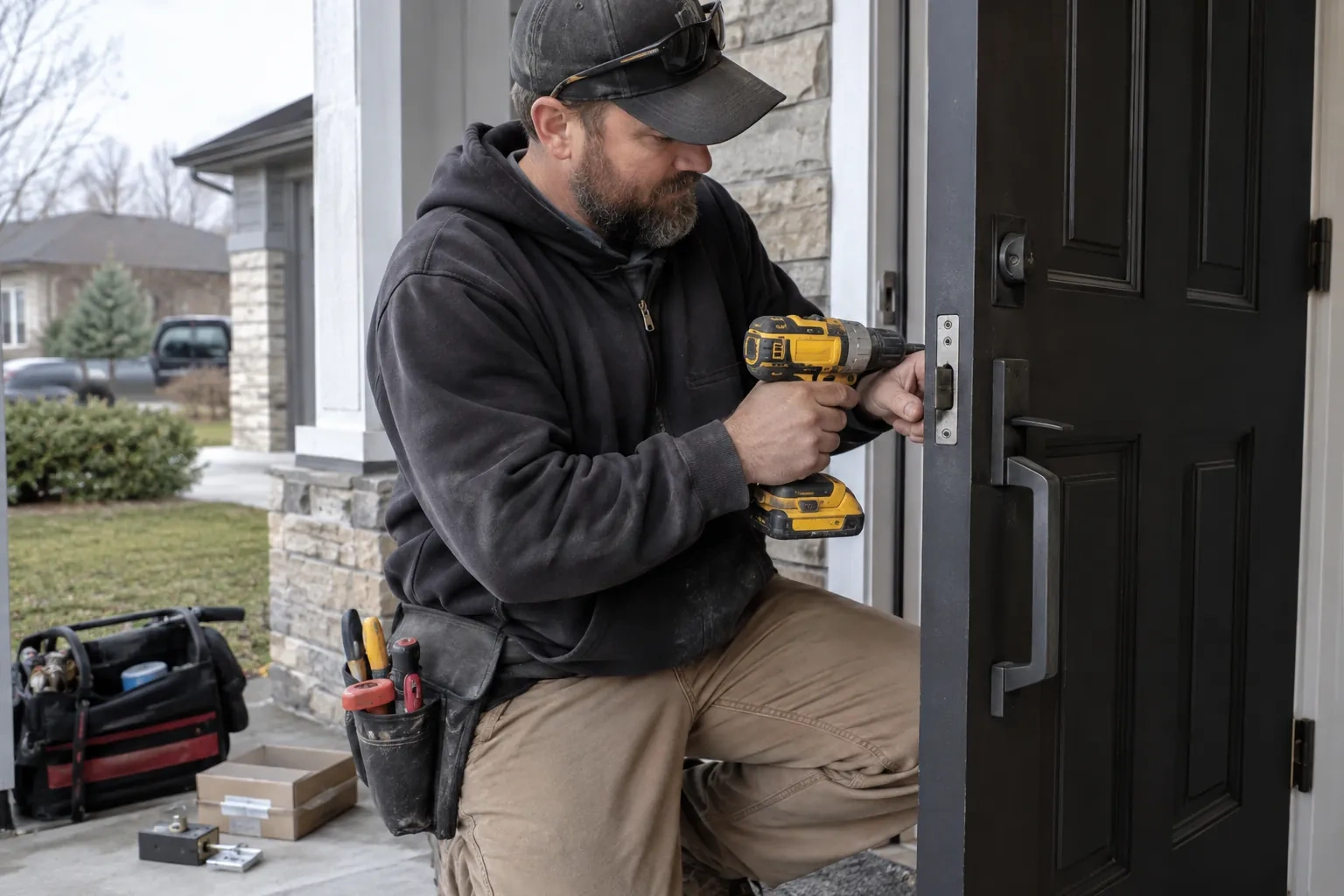
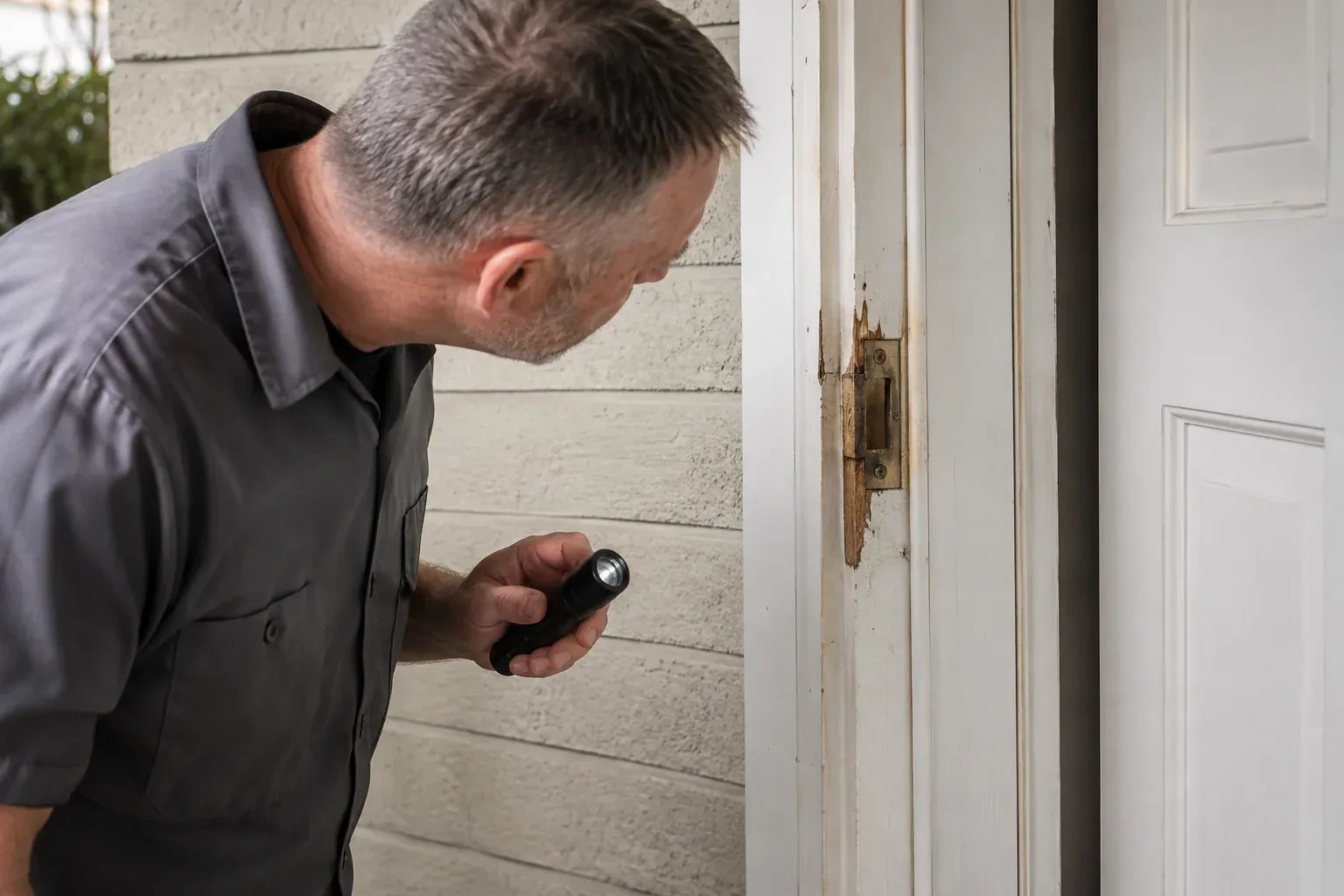
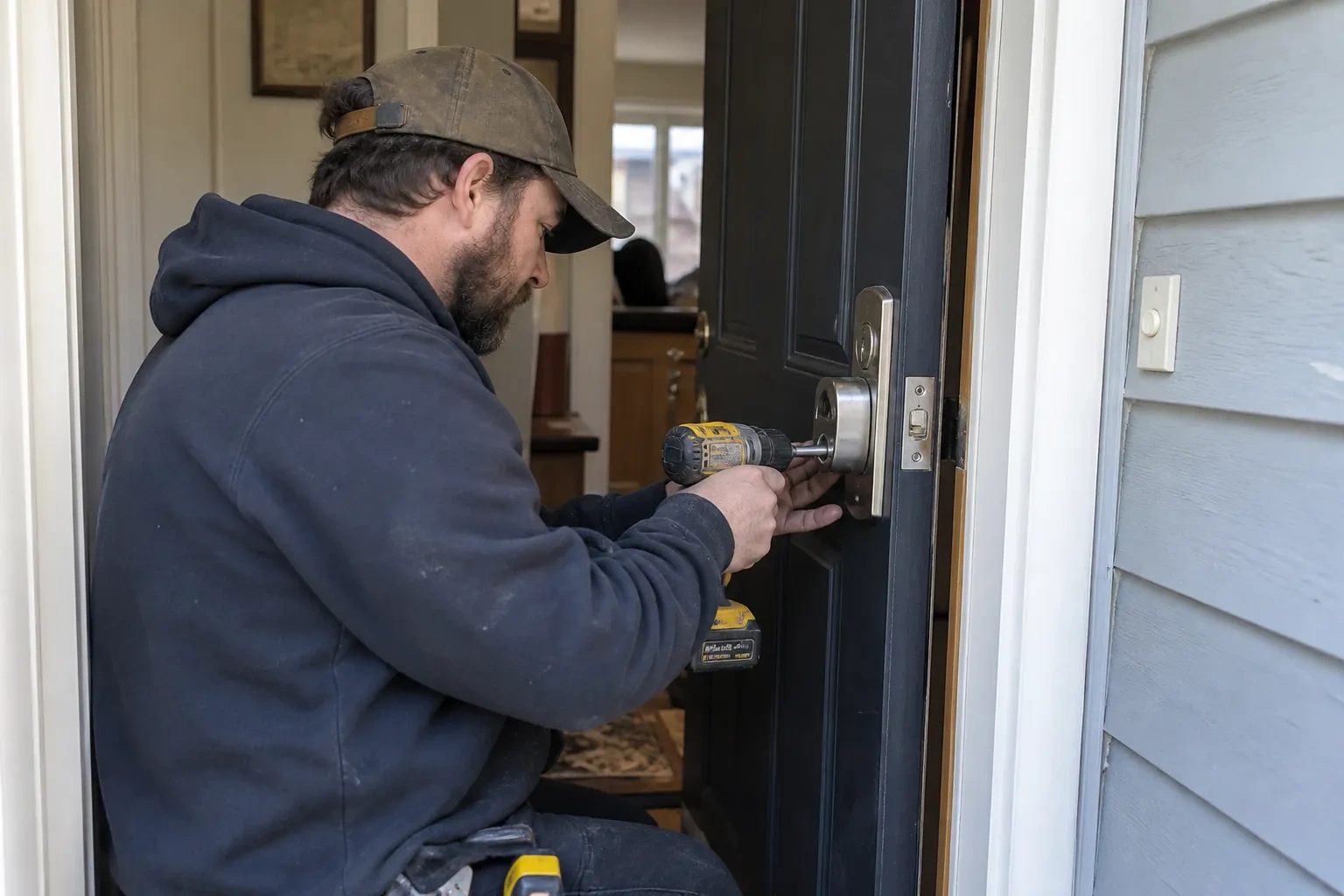
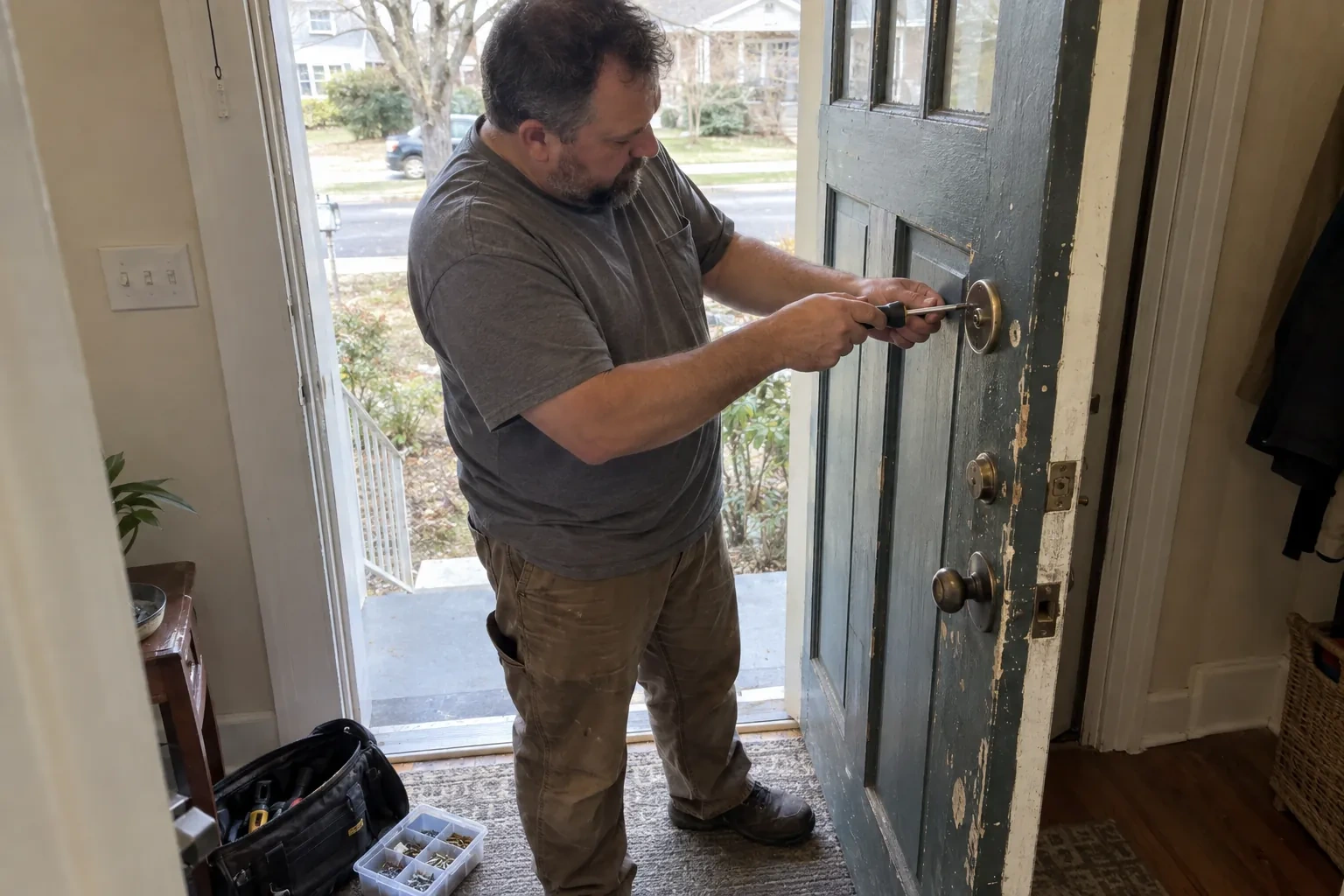
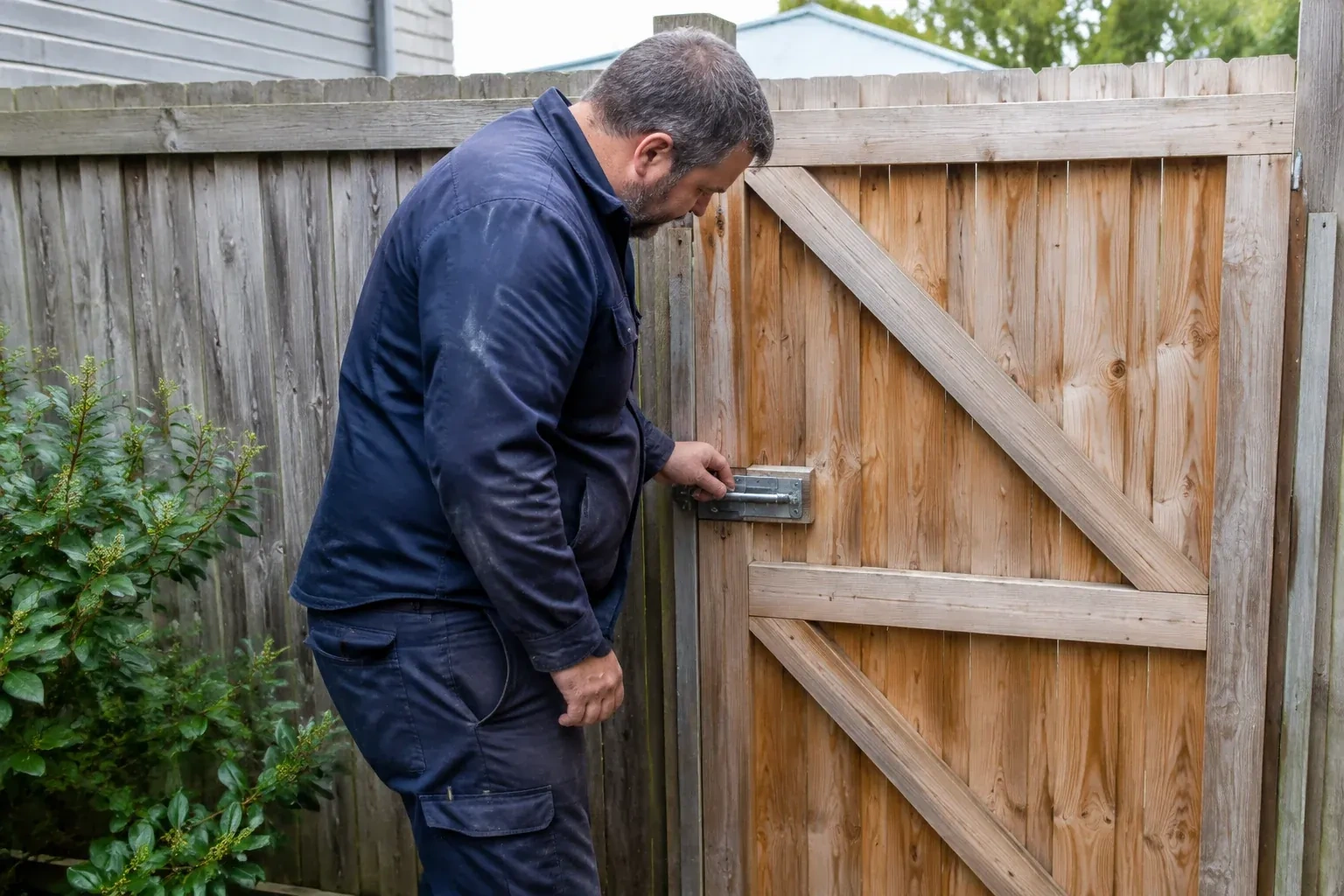
We treat the whole door in New Dundee, not just the cylinder. Hinges that have sagged, a strike plate held by short screws, a frame that has moved with the seasons: these decide whether a lock holds, and they are checked on every visit. Sometimes the right advice is a longer screw and a shim rather than a new lock, and we say so.
Winter in New Dundee finds every weak lock. Cylinders freeze, doors swell and deadbolts stop lining up with the strike. We thaw and release frozen hardware without damage, adjust alignment so the door locks with one hand again and suggest lubricants and habits that help through the rest of the season. When spring comes, the same door often needs a small adjustment back.
11years in business
24/7open every day
Identity checked, politely. For openings and key work we confirm you have the right to be there. We explain why we ask, and we ask everyone.
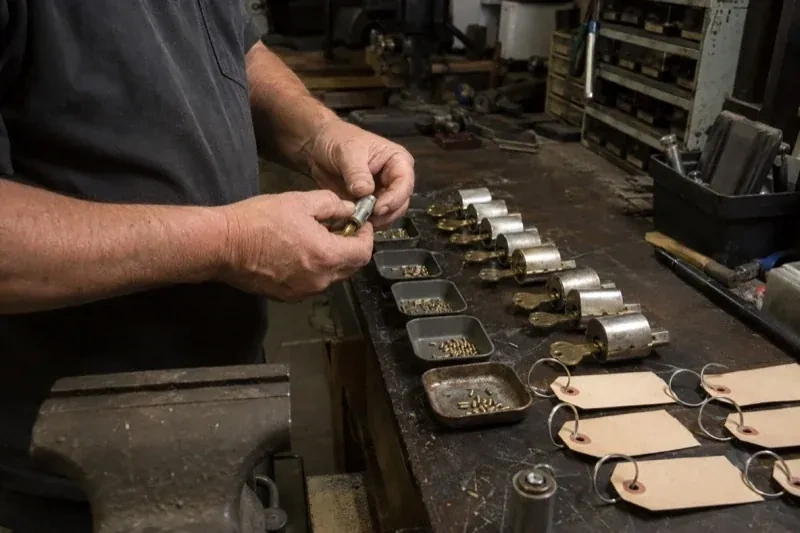
Work you can watch. There is nothing hidden about what we do. Stand beside us, ask questions, and we will show you what the lock looks like inside.
Clean hands, clean floor. We put down a mat where there is drilling, wipe the hardware down and leave the area as we found it, only with a working lock.
Every service listed here has been done many times on doors in New Dundee, which is why each page can be specific about what gets checked, how the work is carried out, and what you are left with afterwards. Read the one that matches your situation, then reach out with any question the page did not answer.
About 41% of homes in Wilmot were built in 1980 or earlier, according to the 2021 Census.
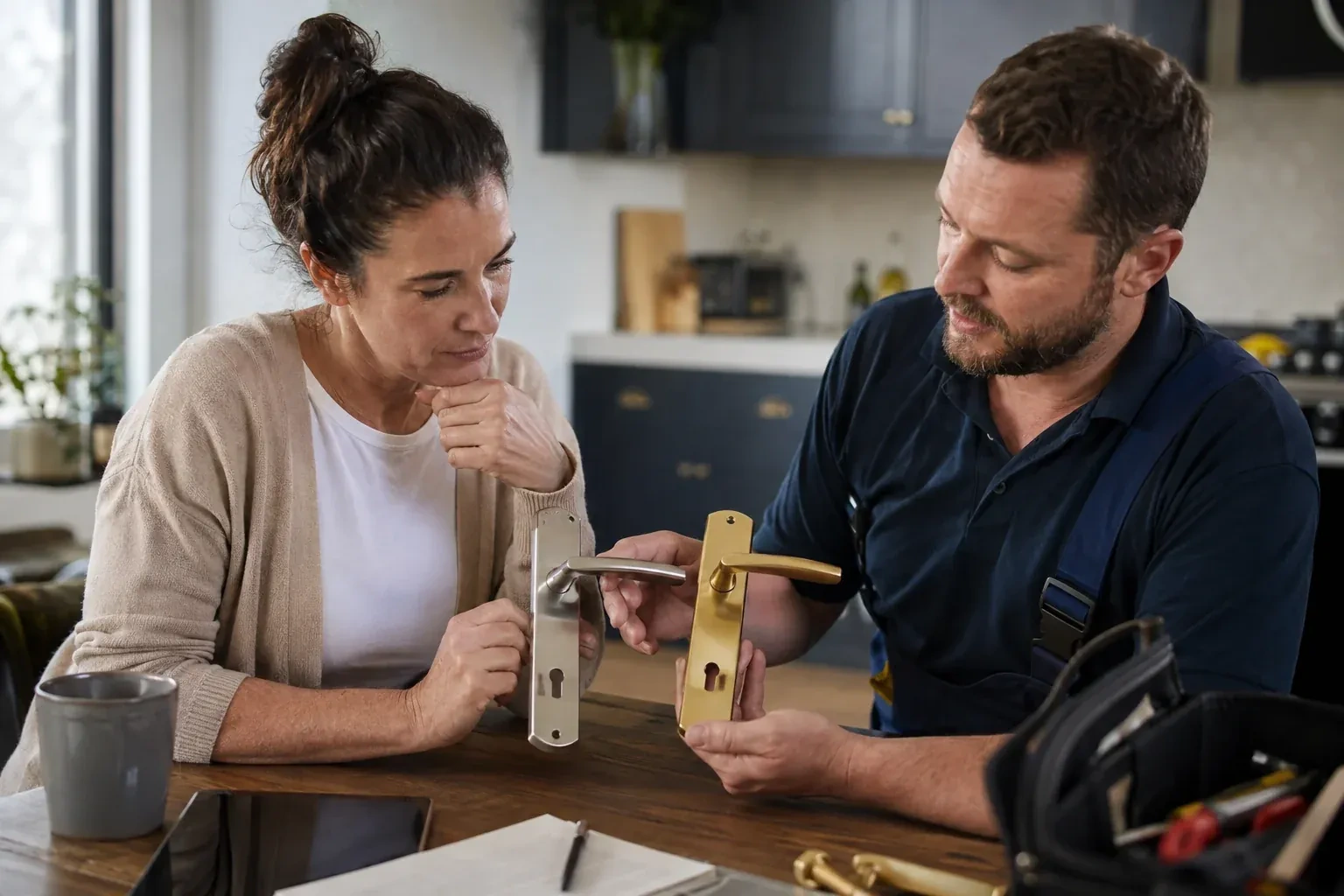
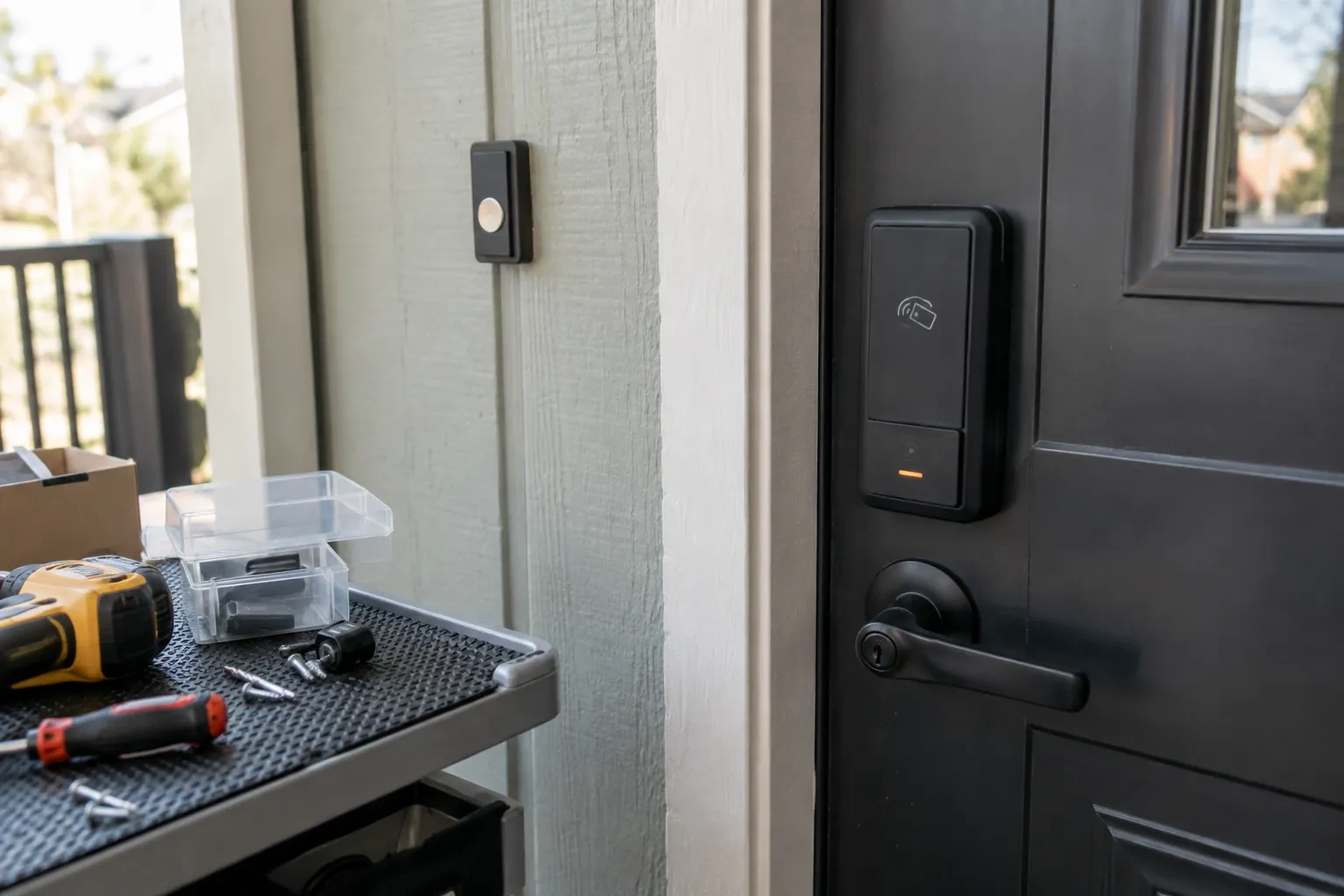
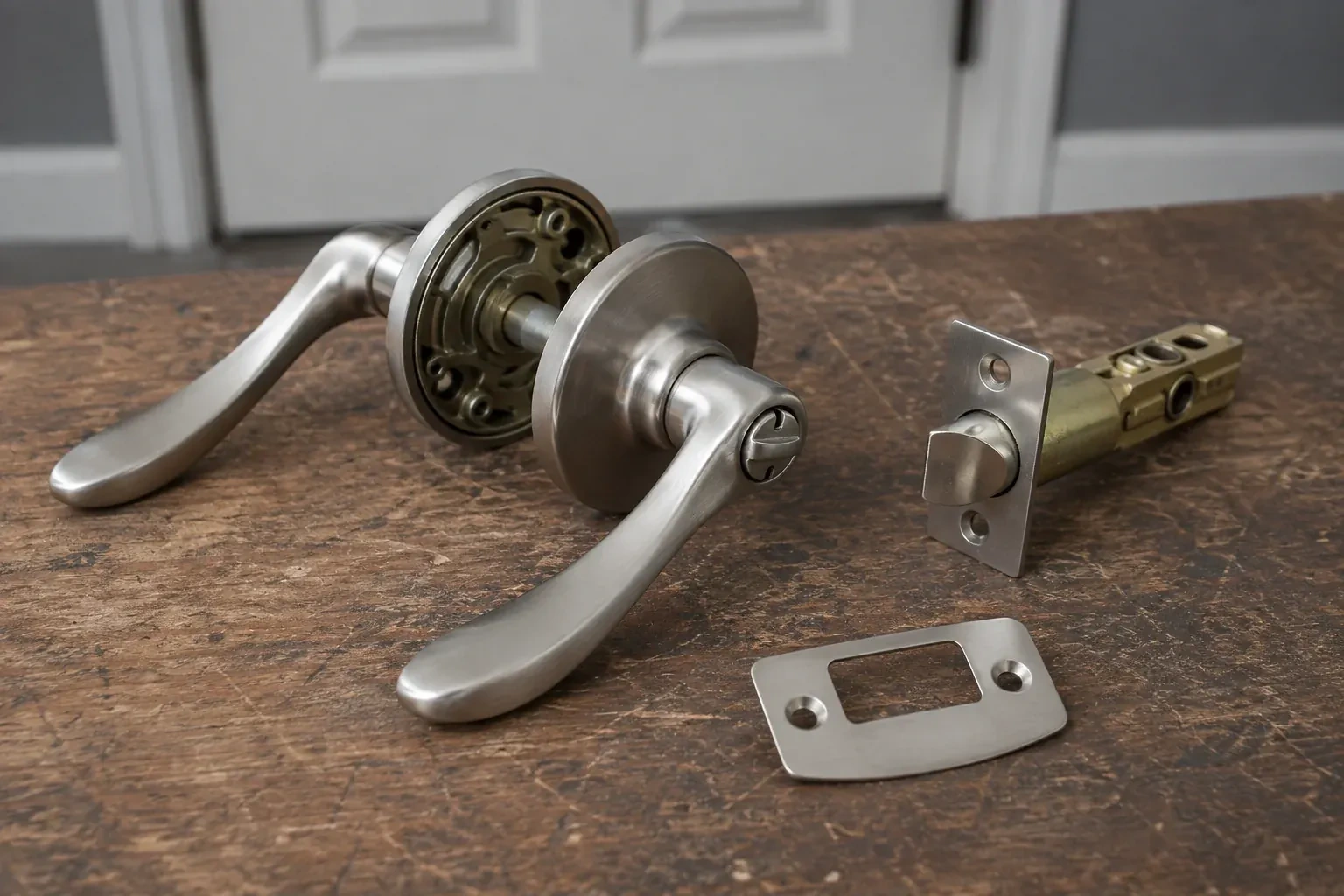
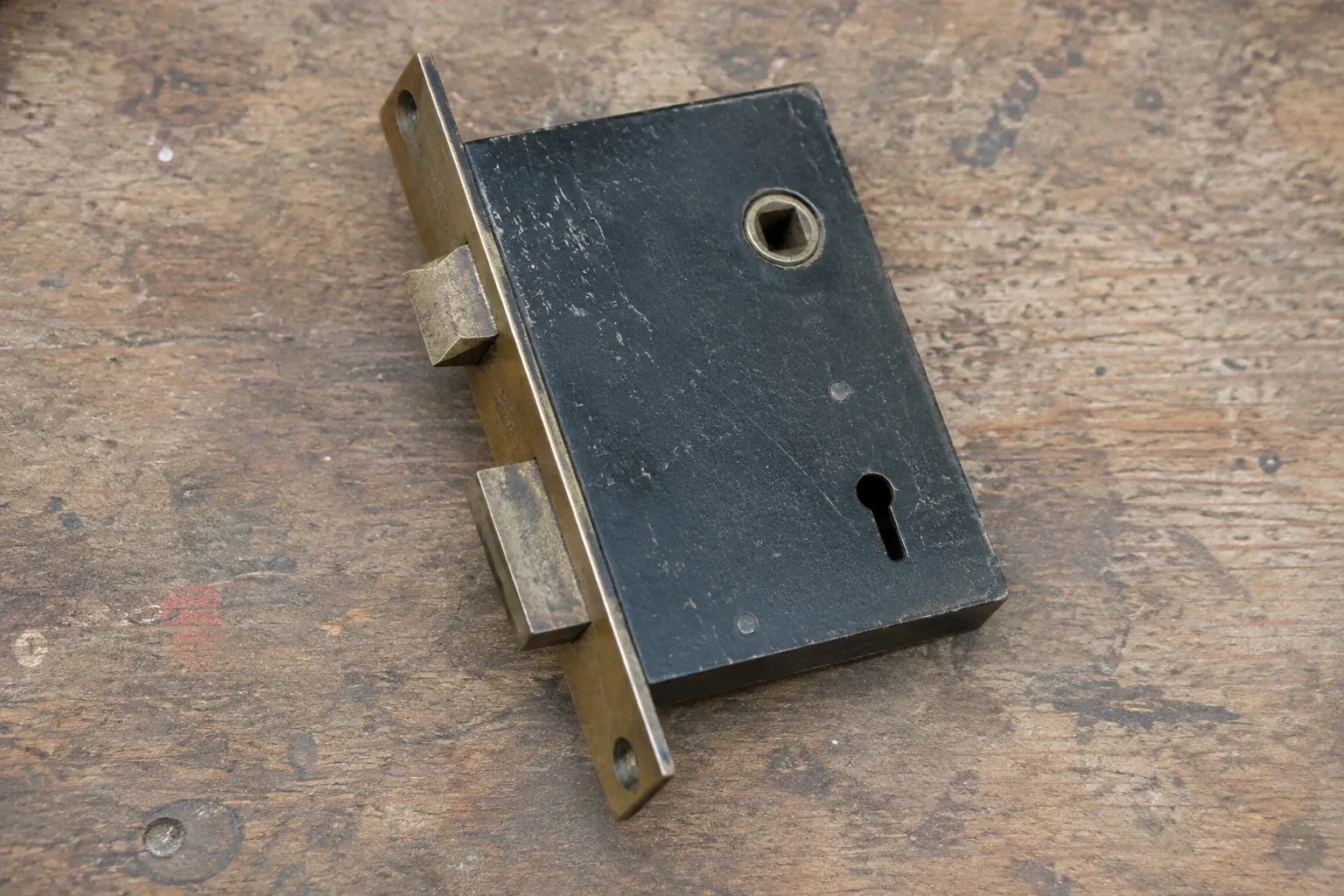
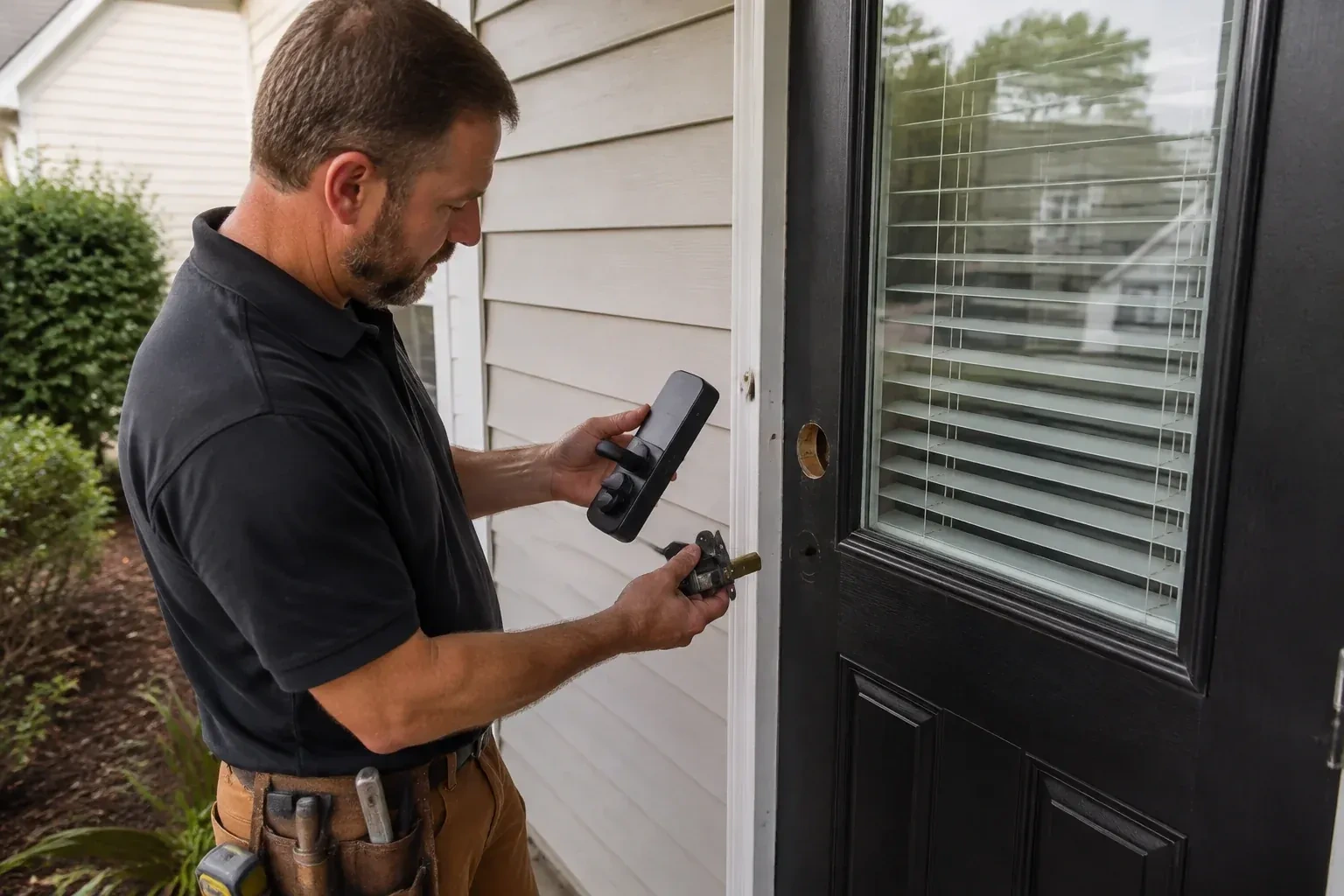
Mixed housing stock keeps a locksmith versatile. A morning might be a heritage mortise lock rebuilt and an afternoon a smart lock paired to a phone on a steel door. The same care goes into both, with tools and parts for each.
Single-detached houses make up about 79% of homes in Wilmot (2021 Census).
Mostly houses
Where most homes are detached houses, each one has several exterior doors: front, side, back, garage entry, sometimes a walkout. Getting them all onto one key is the most requested job, and it usually takes a single visit.
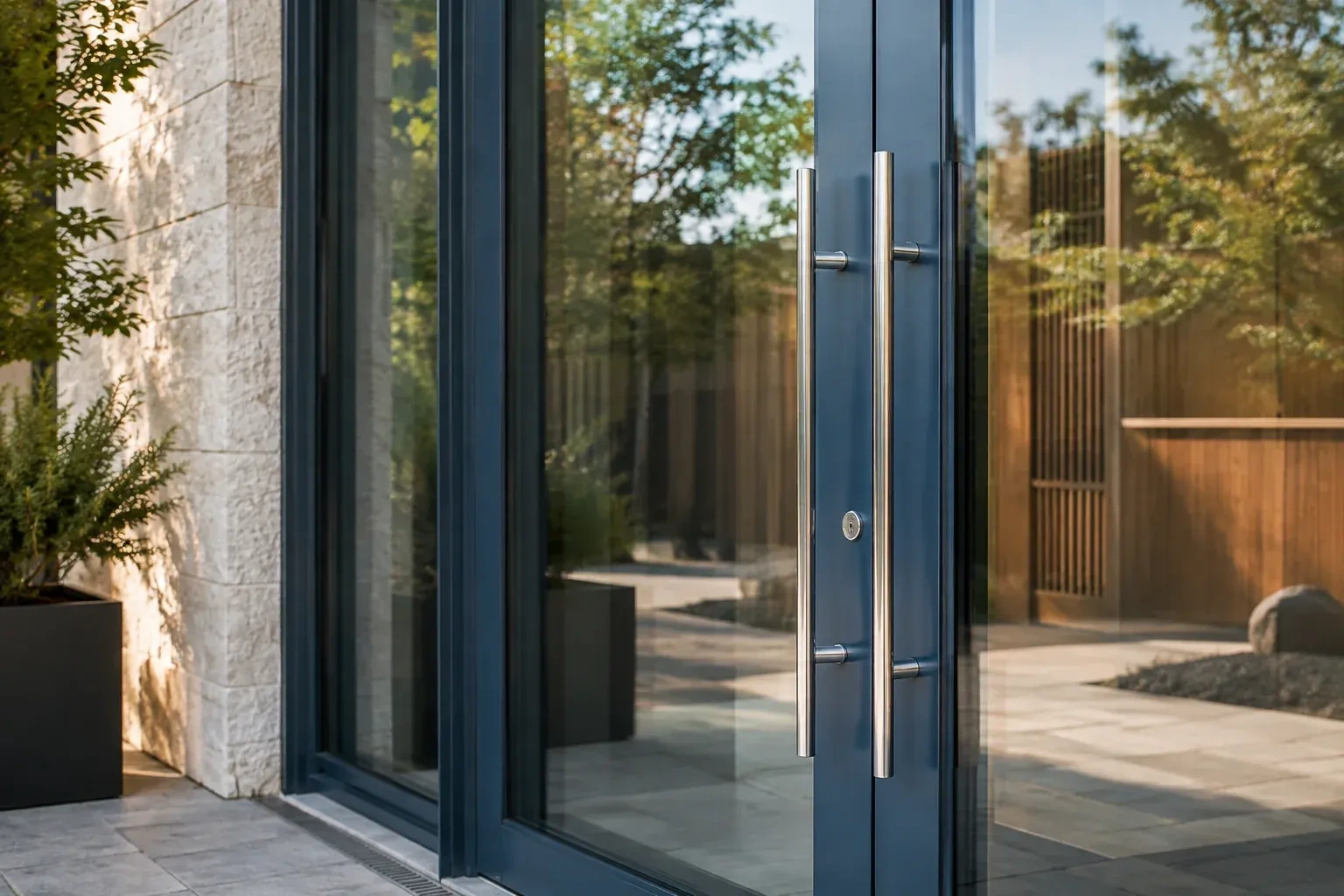
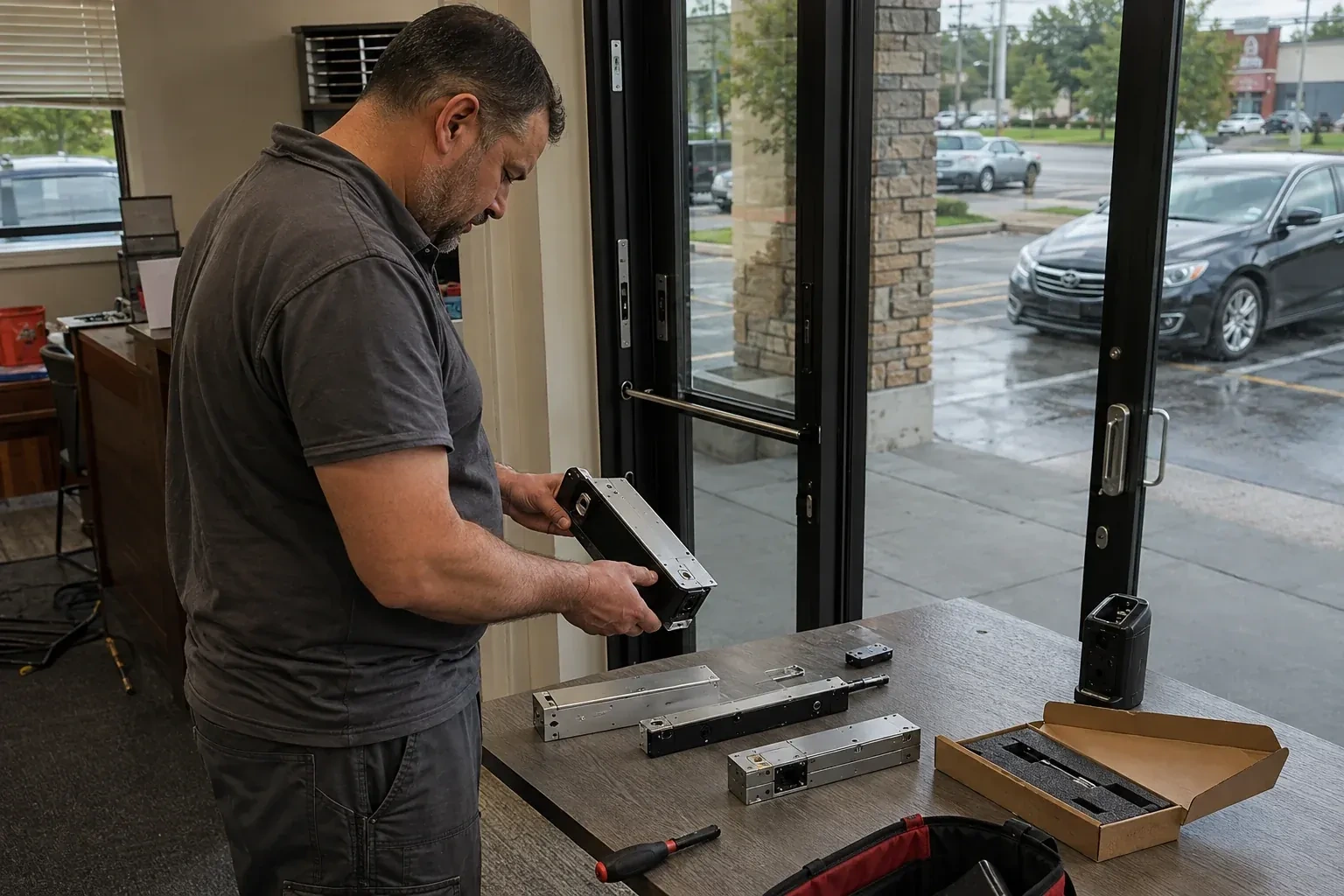
The heavy glass door has been scraping the threshold for weeks. This morning the key turns, you can hear the bolt trying to move, but it is jammed hard in the strike and the door stays shut no matter how the handle is pulled.
The key went in like any other morning, you turned it, and something gave with a small metallic click. The bow is still between your fingers. The rest of the blade is sitting inside the deadbolt, and the door is locked.
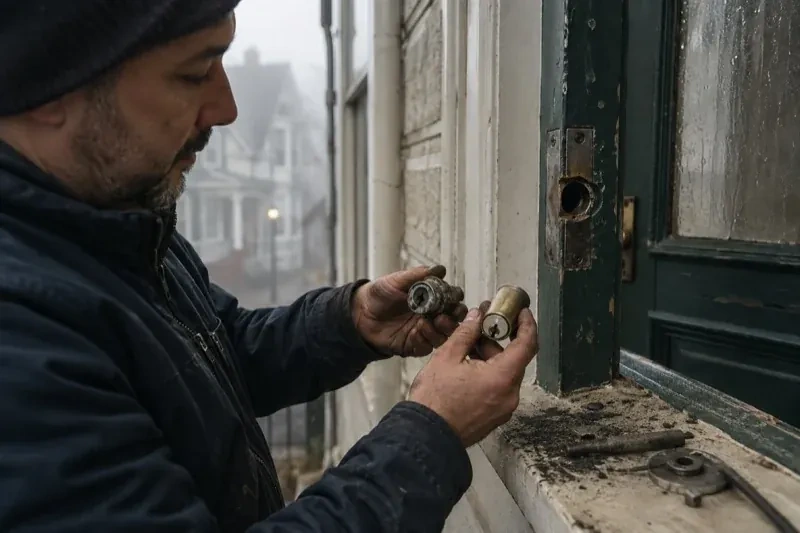
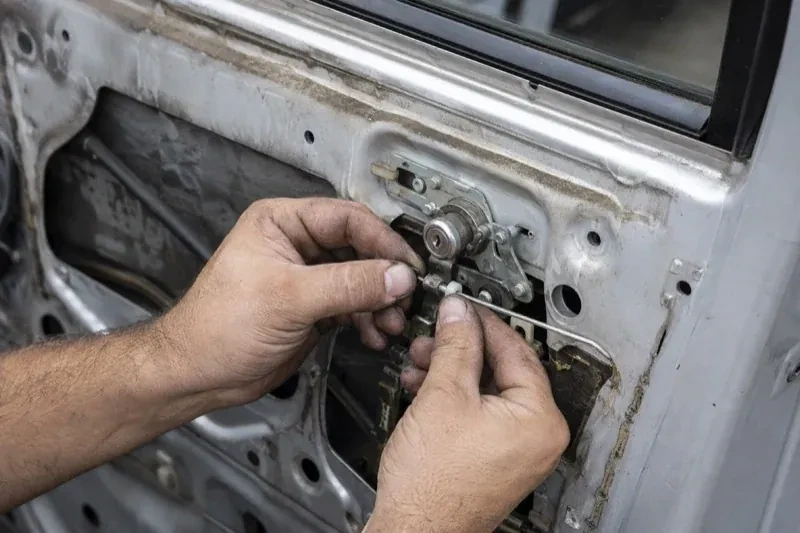
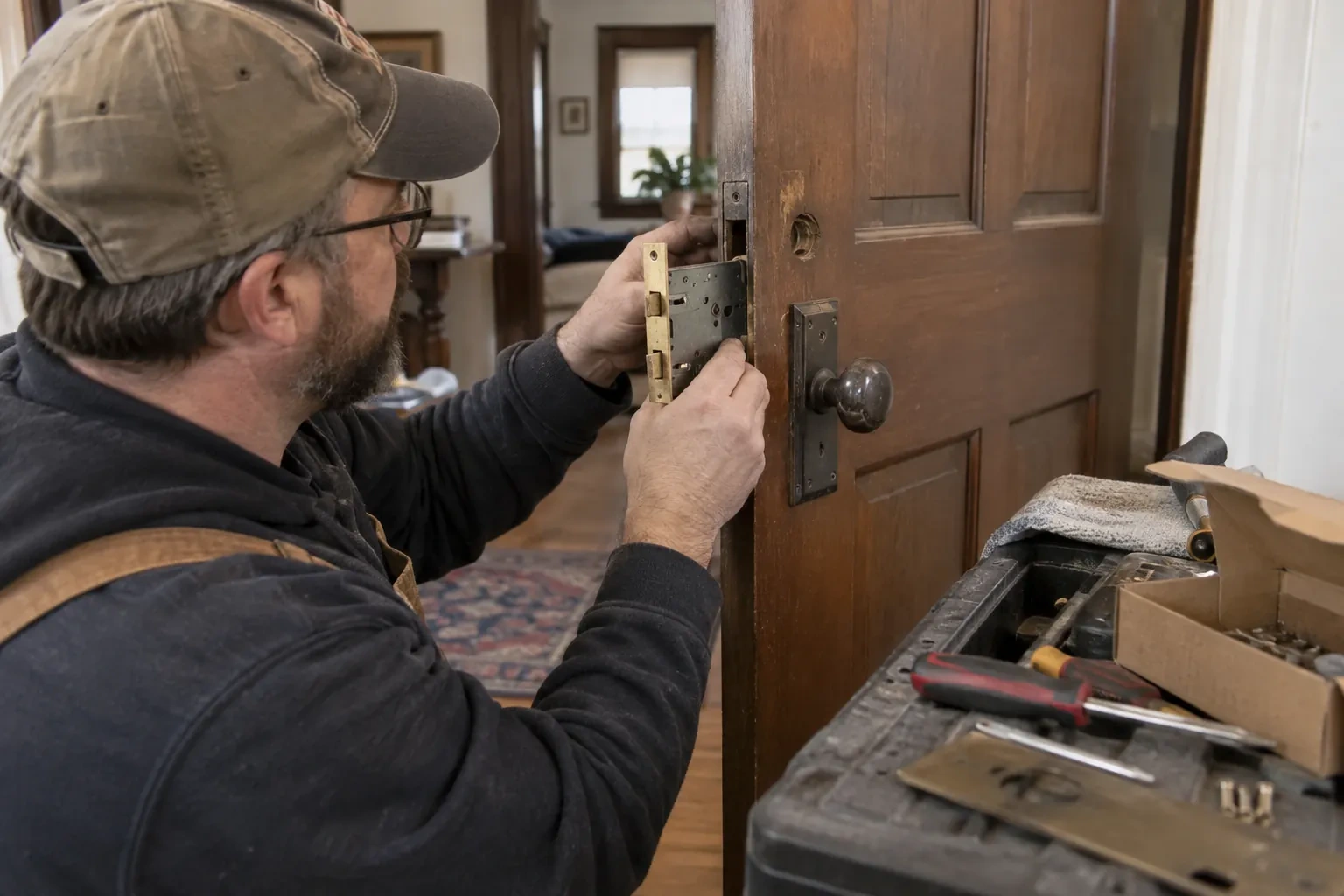
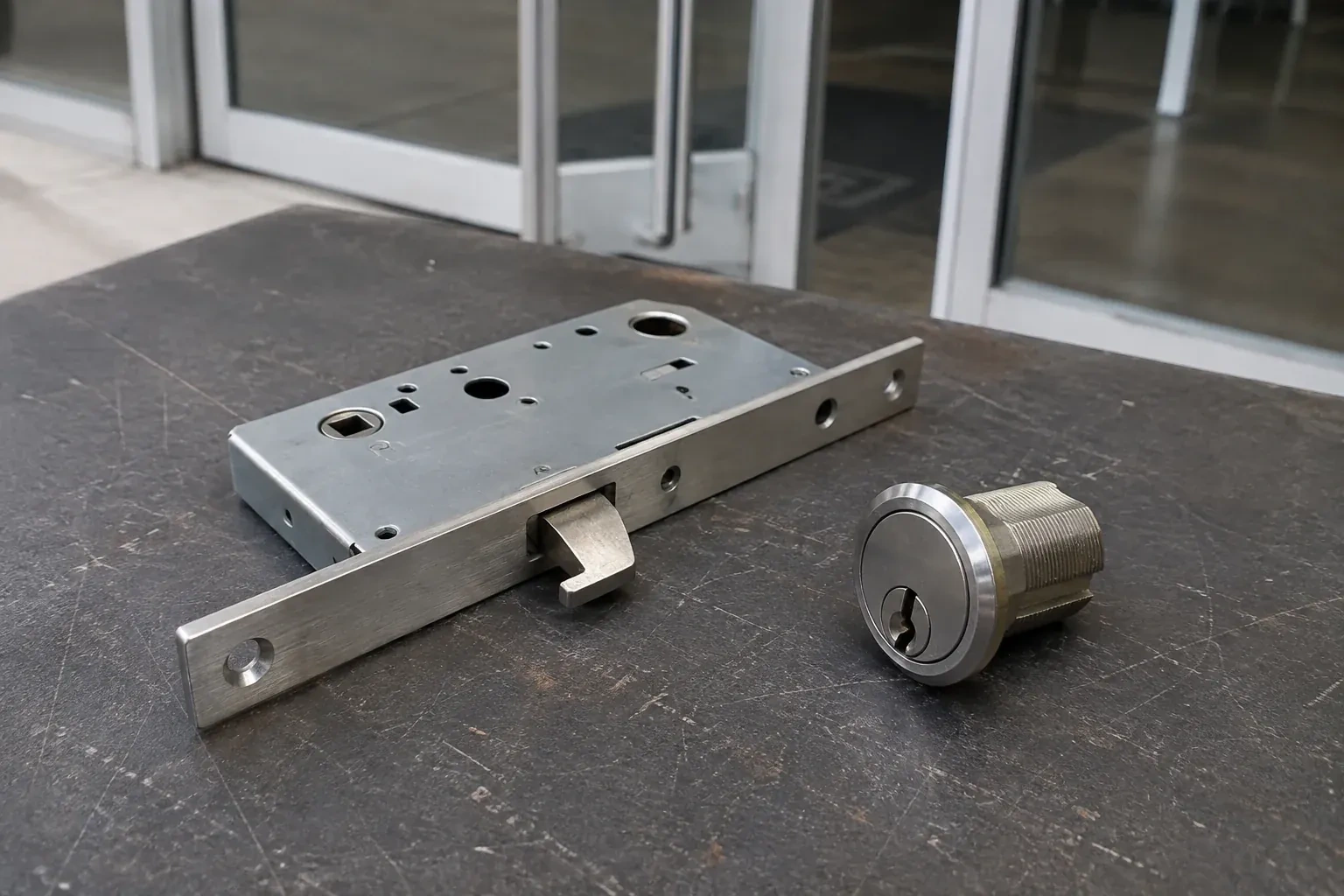
The old mortise lock on the front door of the house turns the key halfway and stops with a dull clunk. It has been getting harder for months, and the brass key is starting to show a bend.
You were shovelling the driveway after dark and the ring must have slid out of your coat pocket somewhere under a metre of snow. You have raked the whole bank with a flashlight. It will turn up in April, and you would rather not wait.
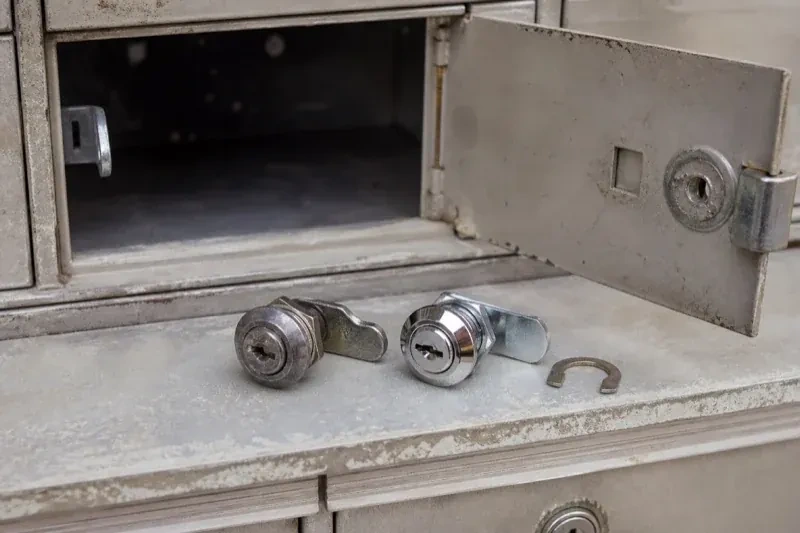
Someone tried to pry the little door on the mailbox open with a screwdriver, and though the mail sitting inside is untouched, the lock now sits crooked in its hole and the key barely catches when it is turned.
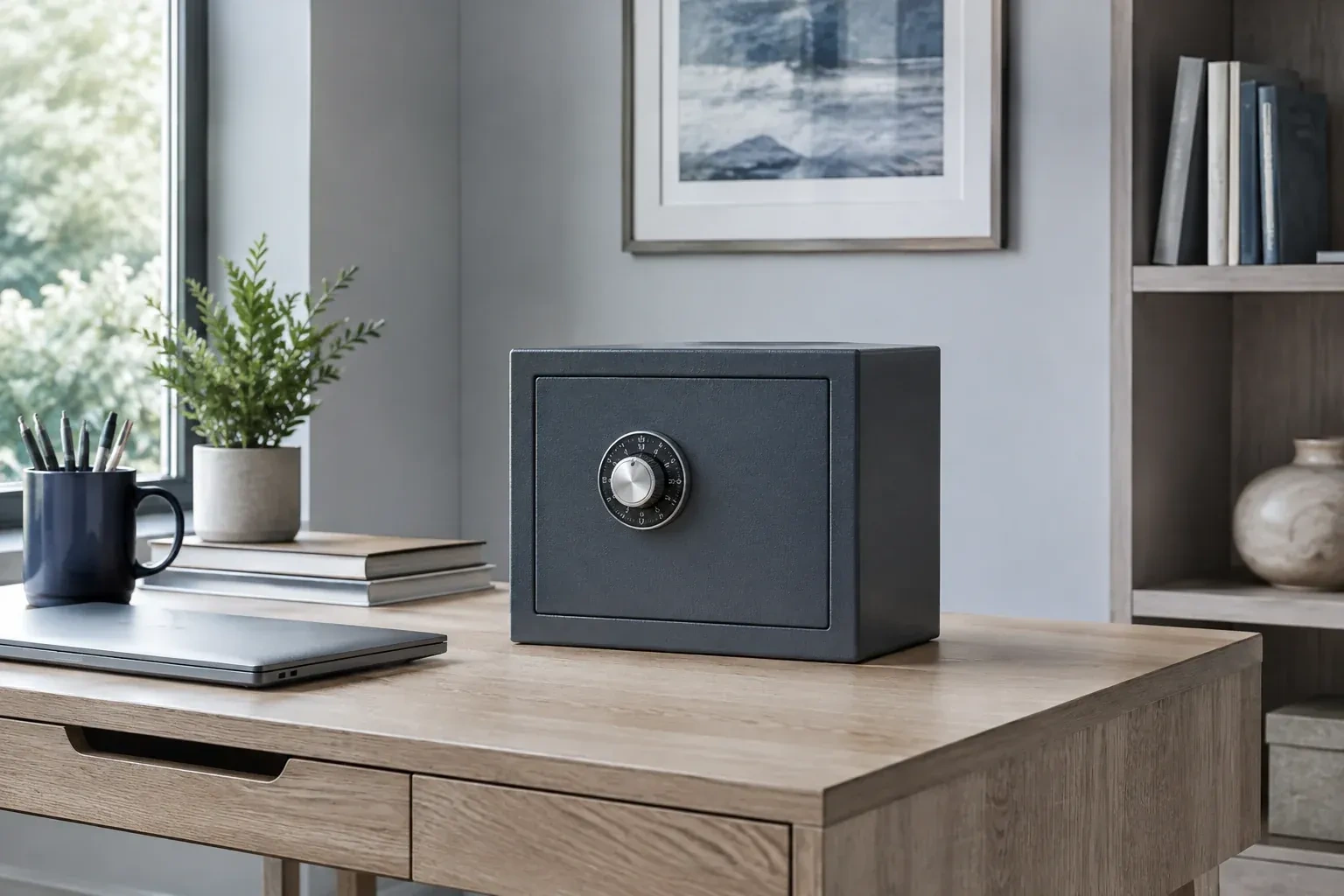
A software update reset the clinic's small safe overnight, and the receptionist's usual code now does nothing on a keypad that lights up but goes no further.
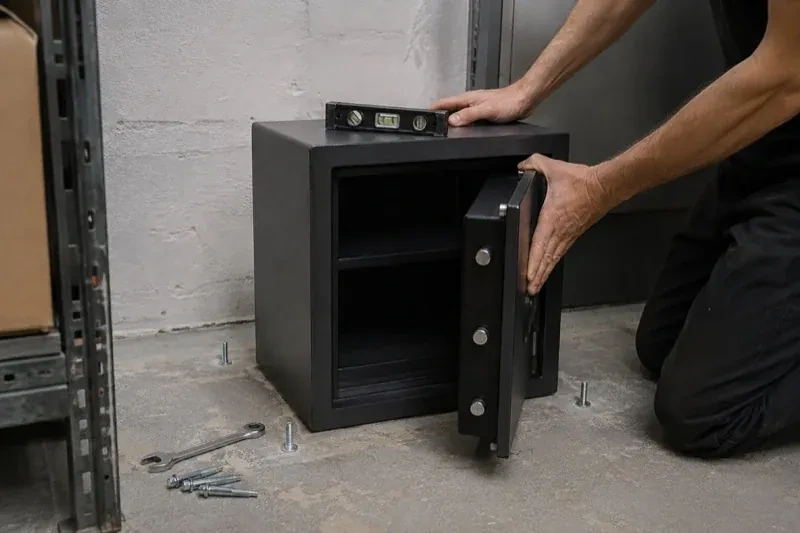
Behind the filing cabinets sits a heavy floor safe nobody ever bolted down, left exactly as the last owner set it. It opens fine, but a determined pair of hands could simply tip it into a van.
Another employee left and the keys never came back. You changed the locks again, cut copies for everyone who stayed, and paid for a job that repeats itself the next time someone quits, taking a working key out the door with them.
The button on your key fob does nothing now: no beep, no flash of the lights, no click from the doors. The metal blade folded inside the fob still turns the door by hand, so you are getting in and out, just without the remote.
Services here appear in the order a business tends to need them: a lockout or a lost key first, then rekeying, then a master system, then exit hardware and access control as the premises grow and the staff list lengthens.
The pharmacy's drop safe has a keypad that finally lost power for good, and the little override key that was supposed to live behind the counter cannot be found anywhere.
The accountant's office keeps a decade of client files in cardboard boxes because the only safe in the building is a small drawer safe meant for a laptop, nowhere near large enough for binders of paper.
Which fix fits?
The heavy glass door has been scraping the threshold for weeks.
WhyThe first useful move after losing a key is to think about where it worked rather than where it went.
Someone tried to pry the little door on the mailbox open with a screwdriver, and though the mail sitting inside is untouched, the lock now sits crooked in its hole and the key barely catches when it is turned.
WhyNot every mailbox in front of a house belongs to the person collecting from it, and this service is scoped around that distinction.
A software update reset the clinic's small safe overnight, and the receptionist's usual code now does nothing on a keypad that lights up but goes no further.
WhyA safe built to protect firearms is opened with the same care as any other, but the aftermath gets one extra look: once the door is open, the storage arrangement inside is checked against what the applicable federal rules for secure firearms storage expect, since a business handling those items answers to those rules whether or not the lock itself needed attention.
Behind the filing cabinets sits a heavy floor safe nobody ever bolted down, left exactly as the last owner set it.
WhyFor a household bringing in its first real safe, the service covers everything between the empty spot on the floor and a working, anchored unit with a combination only the family knows.
Another employee left and the keys never came back.
WhyWhere a building has more than one controlled door, a networked system lets each opening run its own schedule: the front office unlocked for regular hours, a stockroom open to two people only, a loading dock released for a delivery window, with the management software tying those schedules together.
The button on your key fob does nothing now: no beep, no flash of the lights, no click from the doors.
WhyA vehicle's central locking is built to move some or all of its doors, and sometimes the trunk or fuel flap, together on one command, with the exact coverage set by the vehicle itself; a single weak link shows up as one point that lags behind or ignores the command it should answer.
How a visit goes
Describe the property, the hardware and what has changed, and the visit starts from what you have seen.
1
2
3
01
Listening to the door's history
Has it been forced, does it drag, who has had keys? Those answers tell us whether the frame, the cylinder or the key list needs attention first.
02
Reinforcing what takes the blow
A box strike and three-inch screws into the studs, long hinge screws, and filled holes where the wood has split, before any cylinder is changed.
03
Testing every key in every lock
Doors open, doors closed, both sides, then a push on the locked door to feel for play. We finish by writing down what was fitted.
It depends on the hardware and what else is wired to it. A standard storefront cylinder or office lever on a well-hung door is often a short job once authority is confirmed. A high-security cylinder, a frozen lock, a dropped door or a dead access controller adds time, and so does rekeying several doors afterwards. The locksmith gives you a realistic idea on the phone once you describe the door and the situation.
Part of the key is sticking out. Can I just pull it with pliers?
If a good length shows and the plug is at its normal rest position, a firm straight pull sometimes works. The risk is pushing instead of pulling, or twisting, which drives the piece deeper and can bend a pin. If it does not come on the first gentle try, stop there and leave it for extractor tools, which grip the cuts without loading the cylinder.
Will I need a whole new lock?
Usually not. Most jammed locks are saved by cleaning the cylinder, fitting a small part such as a tailpiece or spring, or adjusting the door so the bolt has room. A new cylinder is fitted when the plug or shell is corroded through or twisted by forcing, matched to your finish and, where possible, pinned to your current key. A complete new lockset is usually a choice you make rather than a requirement, though some internal failures cannot be serviced in place and call for a full replacement.
What should I do before the locksmith arrives?
Walk the property and note every door the missing key opened, including the garage, shed and gate. Gather any keys you still have, since a working key helps in reading each cylinder. Have identification and, for tenants, something showing the tenancy. Decide roughly how many keys you want and whether you would like all doors on one key. If a garage remote or building fob was lost too, mention it when you book.
Can the same key operate my mailbox and my front door?
It can, if both locks share a compatible keyway and are fitted with cylinders cut to the same combination during the same visit. This is arranged upfront, since it means keying the mailbox lock to match an existing door rather than the usual standalone replacement. Each lock involved is tested afterward so a single key turns every door named, and any other locks on the property keep their own separate keys.
I bought the safe secondhand and have no idea of the combination. Can it still be opened?
Yes. A safe with no known history is treated as an unknown from the start: the locksmith identifies the make, model and lock type directly from the hardware and works through the same manipulation, decoding or reset options used on any other safe. Proof of the purchase or transfer establishes your authority to have it opened, and the process afterward does not depend on any prior record existing.
How do I prepare the room before a servicing visit?
Clearing a working space in front of the safe, moving anything stacked against or on top of it, and having a rough idea of when it was last serviced all help the visit start smoothly. If the combination or code is still known, having it on hand avoids needing to open the unit by other means first. Nothing more elaborate than that is generally needed beforehand.
What credential types are available: cards, codes, fobs, phones?
A proximity card or fob held near a reader, a code typed on a keypad, or a mobile credential read from a phone are all in common use, and a single building can mix them by door or by person. Cards and fobs are simple to issue and switch off individually; a keypad needs no card to lose but a shared code eventually gets passed around; a mobile credential ties entry to a device the person already carries.
Why has my key fob suddenly stopped working?
A dead coin-cell battery is the most common reason, and it is a straightforward fix once the fob is opened. Less often, the fob has lost its pairing with the vehicle or its case has cracked and let in moisture, both of which a locksmith can check and address.
Request a visit
We treat the whole door in New Dundee, not just the cylinder. Hinges that have sagged, a strike plate held by short screws, a frame that has moved with the seasons: these decide whether a lock holds, and they are checked on every visit. Sometimes the right advice is a longer screw and a shim rather than a new lock, and we say so.