Lockouts · Wilmot
Home Lockout Service
You stepped out to grab the recycling bin and the door swung shut behind you.
In plain words
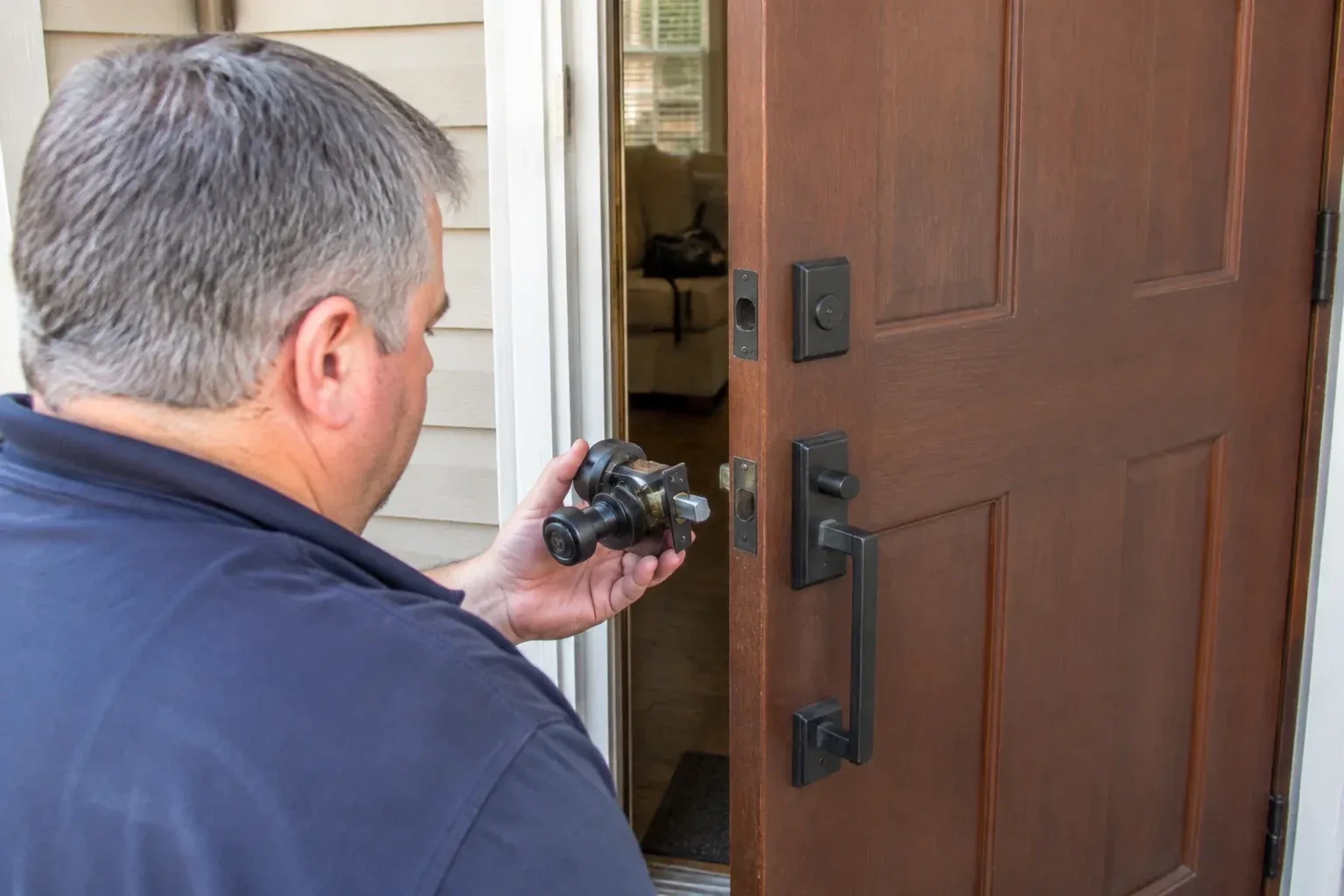
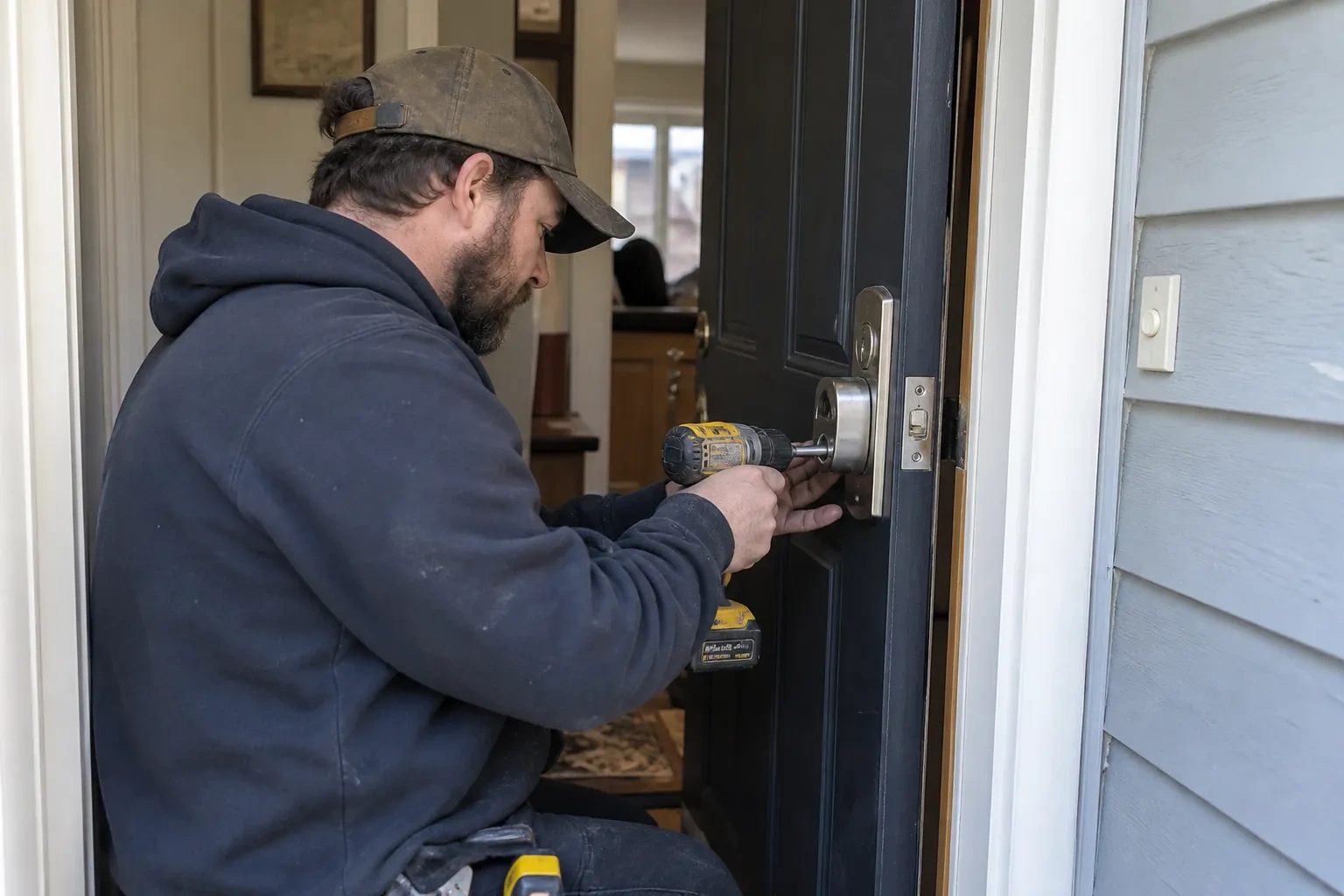
A home lockout service is a visit whose whole purpose is to get you back inside your own home when the door is locked against you. The locksmith first confirms you have the right to be there, usually by matching photo identification to the address or seeing a lease, deed or property-management record. Then the lock is identified and opened with the gentlest method the hardware allows, so the door and the lock itself are usually kept in working order. Once you are inside, any further step such as rekeying or a new cylinder is discussed as its own decision.
How the visit goesYou stepped out to grab the recycling bin and the door swung shut behind you. Through the glass you can see your keys hanging on the hook by the stairs, exactly where they always are, and the latch has caught.
Home Lockout Service
How the visit goes
Reading the lock itself
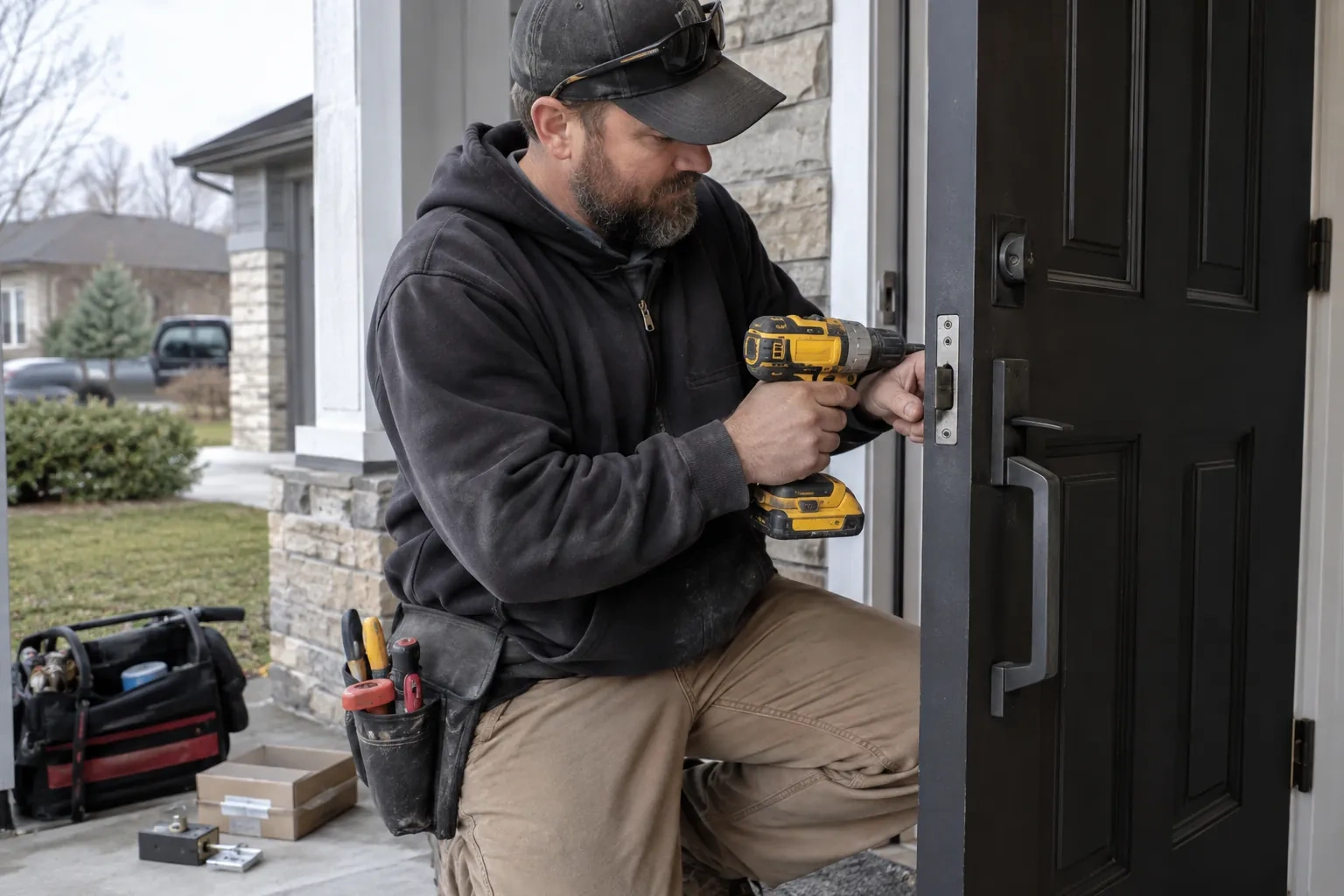
Every lock announces what it is to someone who knows where to look. The shape of the keyway, the maker's mark on the face, the presence of a thumb-turn or a second keyed side, and whether the door has a separate deadbolt above a latching knob all tell the locksmith which family of hardware they are dealing with. A residential pin-tumbler cylinder, a mortise case in a century home, a restricted keyway with security pins and a keypad lock with a hidden override each respond to different techniques. Identifying the lock correctly before touching it is what makes a clean, non-destructive opening the usual outcome.
Freeing a frozen cylinder
Ice is handled with patience rather than force. The locksmith applies a lock de-icer or warms the cylinder face gently so the meltwater inside turns back to liquid and drains, then works the key or a pick in small movements until the plug turns freely. Hot water is never poured on the lock, because it refreezes in the keyway and can crack a cold cylinder. Once open, the cylinder is dried and given the lubricant that model's maker approves, a dry graphite, PTFE or specified liquid product, applied sparingly since too much can gum the mechanism. If the door itself had frozen to its weatherstripping, that seal is cleared and checked too.
Smart lock back online, with a backup this time
Once a keypad or app lock has been opened it is put back on its feet properly: fresh batteries of the type the maker specifies, the auto-lock and code settings confirmed, and a walk-through of the low-battery warning so you recognize the beep or blink before it turns into a dead lock. The small mechanical override key is the piece most people never think about, and the sensible place for it is outside the home, on a keyring, in a lockbox or with a neighbour, rather than in the kitchen drawer. A second user code for a family member, set up before the locksmith leaves, means a flat phone stops being a lockout.
Home Lockout Service
In the van
Dry graphite or PTFE lubricant
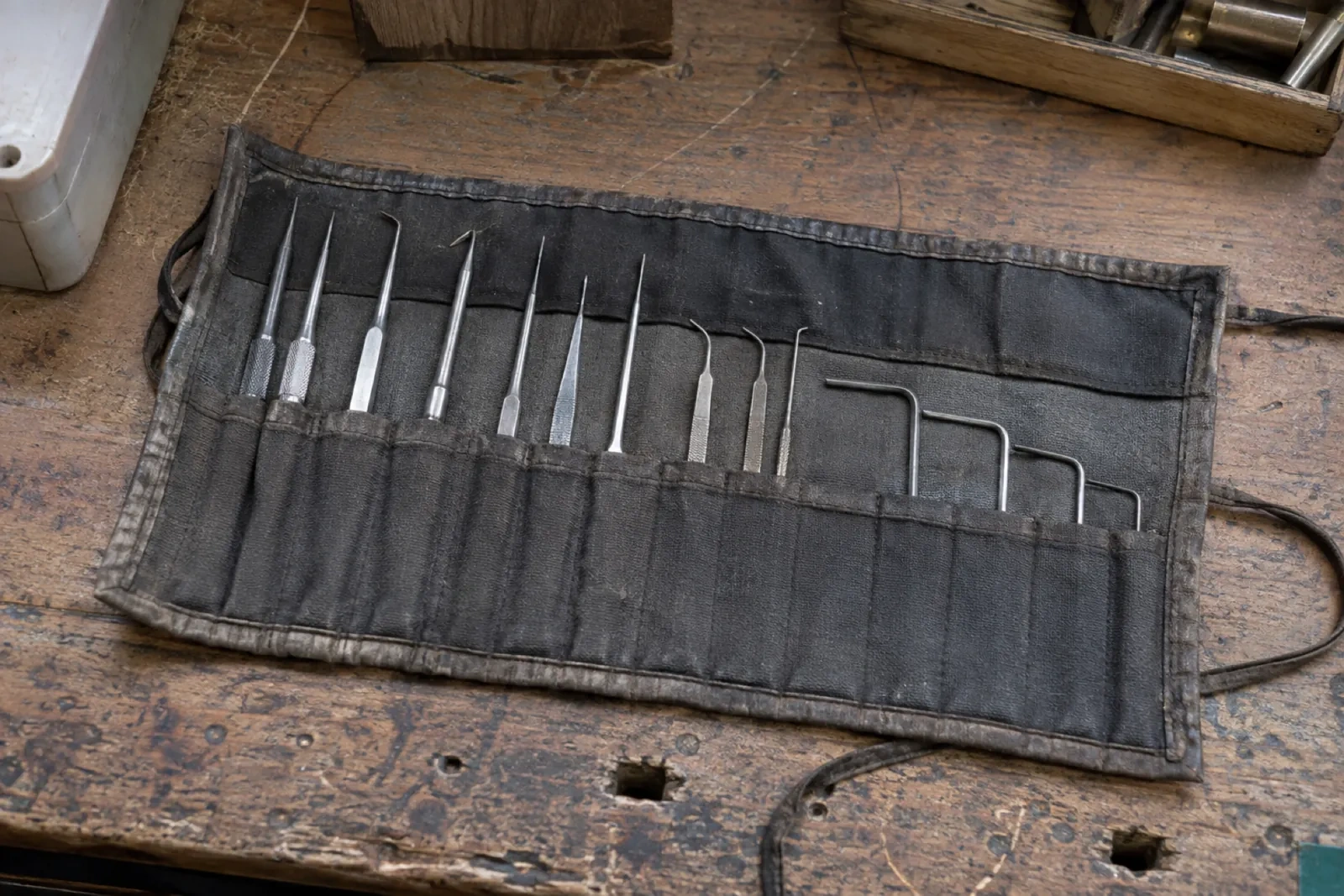
Latch and bypass tools
Broken key extractors
Strike plate and long hinge screws
Pick and tension tools
Home Lockout Service
What affects the quote
Getting to the door
A ground-floor house door is straightforward. A unit up several flights, a building with a locked lobby and no concierge, or a gated property where the gate is also locked adds steps that the quote takes into account.
Interior door or exterior door
A bathroom privacy lock or a bedroom door is generally a lighter job than an exterior deadbolt, and an old keyed interior mortise lock sits somewhere between. The quote follows the hardware, not the room.
Electronic lock work
A dead smart lock may need batteries, a reset, reprogramming of codes or pairing to your phone once the door is open. Each of those is a small task that the quote names separately.
What to have ready
- Which door are you locked out of, and what kind of lock is on it?
- If the key is lost, would you like the locks rekeyed during the same visit?
- Is anyone, including a child or pet, inside the home right now?
Home Lockout Service: questions
QuestionsWhen does a locksmith decide to drill instead of pick?
Drilling is the last rung, reached only when the cylinder has genuinely stopped cooperating. Typical reasons are a plug seized by corrosion or a failed spring, a key snapped deep inside that blocks the pins, a high-security cylinder whose anti-pick features make picking impractical, or a lock already damaged by someone's earlier attempt. The decision is explained before the drill comes out, the hole is confined to the cylinder, and replacement hardware goes in straight afterwards.
What if my wallet and every document are locked inside?
That is the most common version of a lockout, and there is a routine for it. Tell the locksmith on the phone so the plan is agreed before arrival. Often a neighbour can confirm you live there, a digital copy of a lease or bill is on your phone, or a property manager can vouch for you. Where none of that is available, the locksmith opens the door and completes the identification check with the documents inside before leaving.
What is the difference between rekeying and replacing a lock?
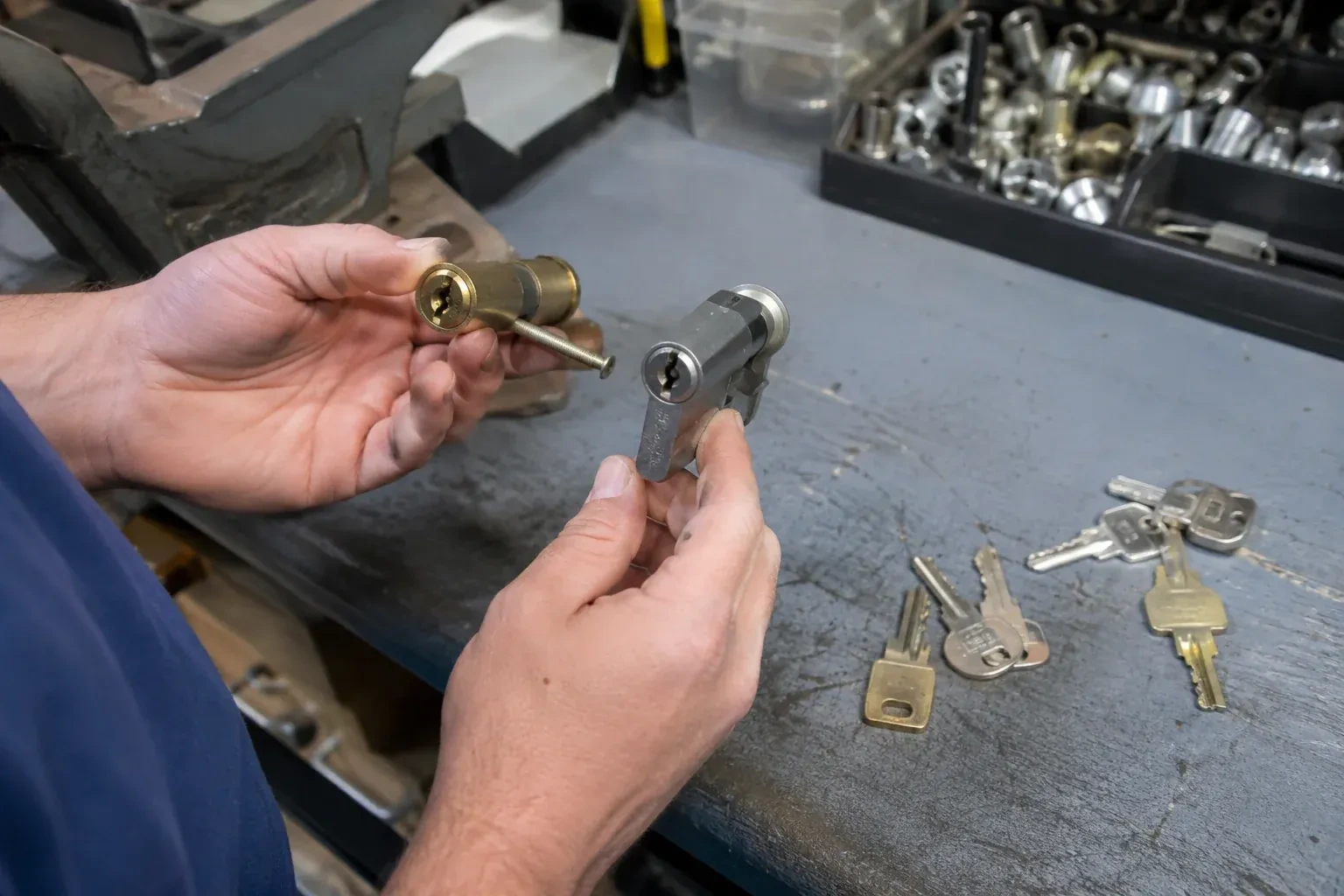
Rekeying keeps the lock you have and changes only the pins inside the cylinder so a new key operates it and the old one no longer does. It suits hardware that is in good shape and simply needs a fresh key. Replacing swaps the whole lock or cylinder for new hardware, which makes sense when the existing lock is worn, damaged, of low grade, or when you want a different style or a keypad. Either can be done during a lockout visit.
Related services
- Broken Key ExtractionThat key had been bending a little for years, and you kept straightening it.
- Break-In Damage Lock RepairPolice have come and gone, the occurrence number is on a sticky note, and you are standing in a cold hallway looking at a splintered frame, wondering how the house gets locked before everyone tries to sleep.
- Seized & Jammed Lock OpeningThe old mortise lock on the front door of the house turns the key halfway and stops with a dull clunk.