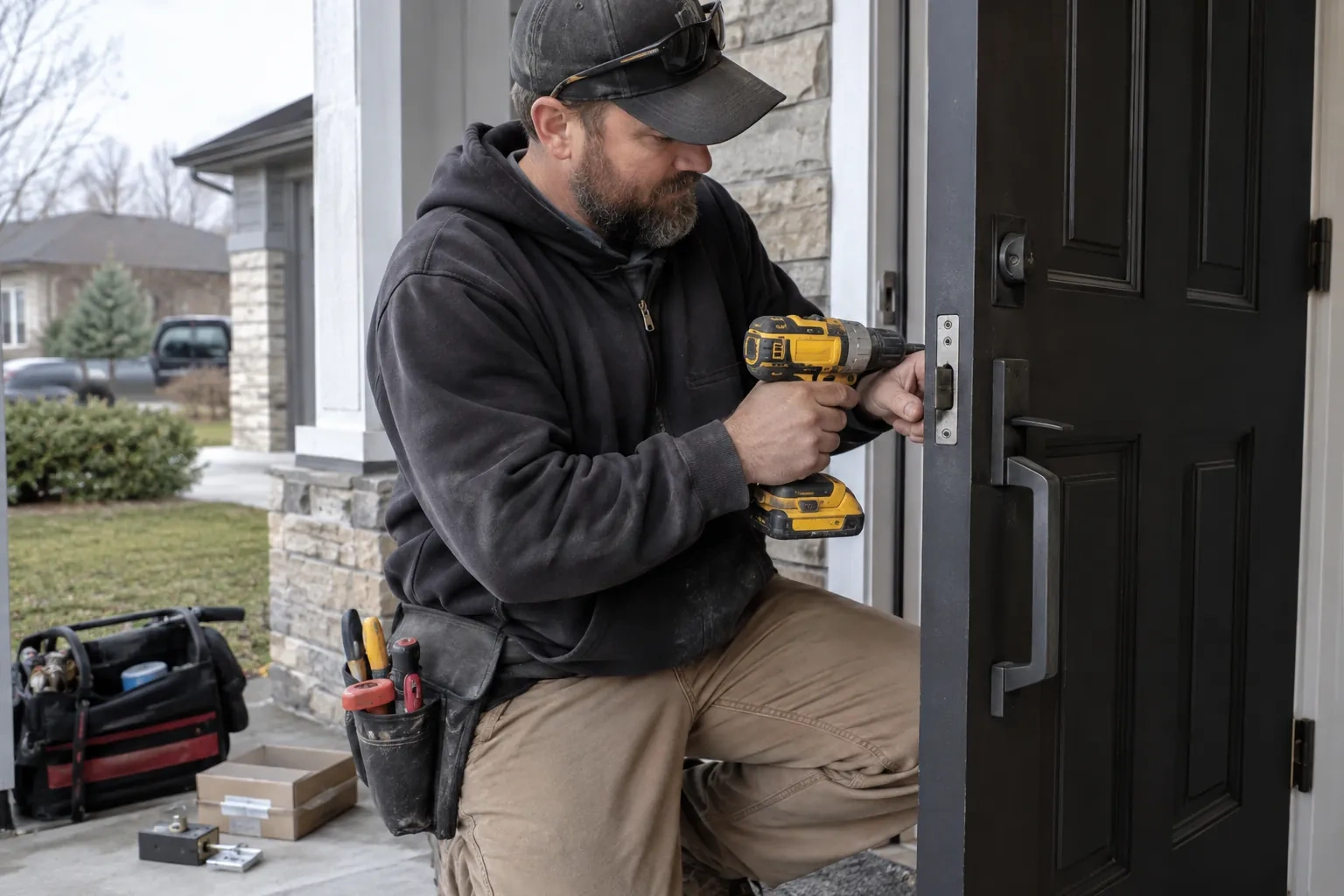
High security
High Security Locks
Ordinary locks keep out the curious. High security locks keep out someone who has decided to get in and has tools. The difference lives in four places: cylinder, bolt, strike and key, and each is explained here in plain terms.
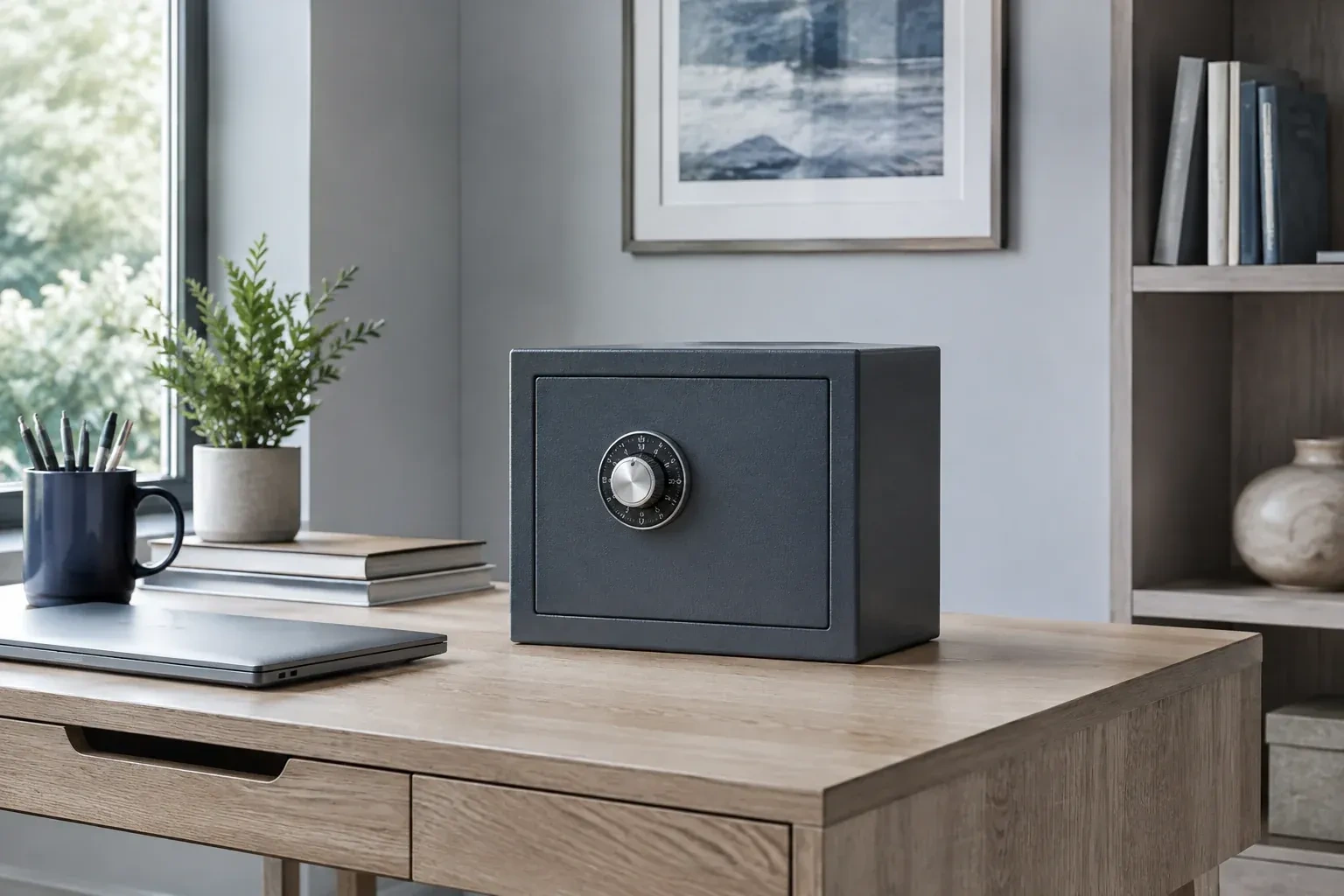
Which one do I need?
- The pharmacy's drop safe has a keypad that finally lost power for good, and the little override key that was supposed to live behind the counter cannot be found anywhere.Safe Opening & Combination Change
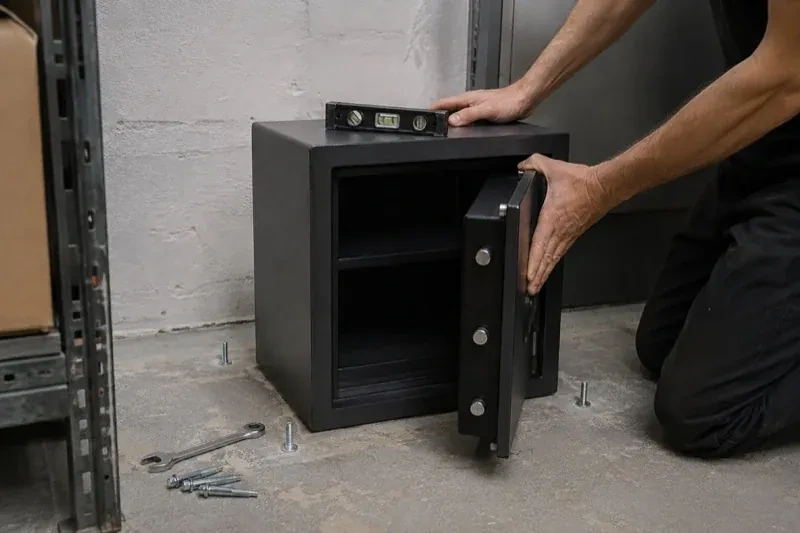
- The accountant's office keeps a decade of client files in cardboard boxes because the only safe in the building is a small drawer safe meant for a laptop, nowhere near large enough for binders of paper.Safe Installation & Servicing
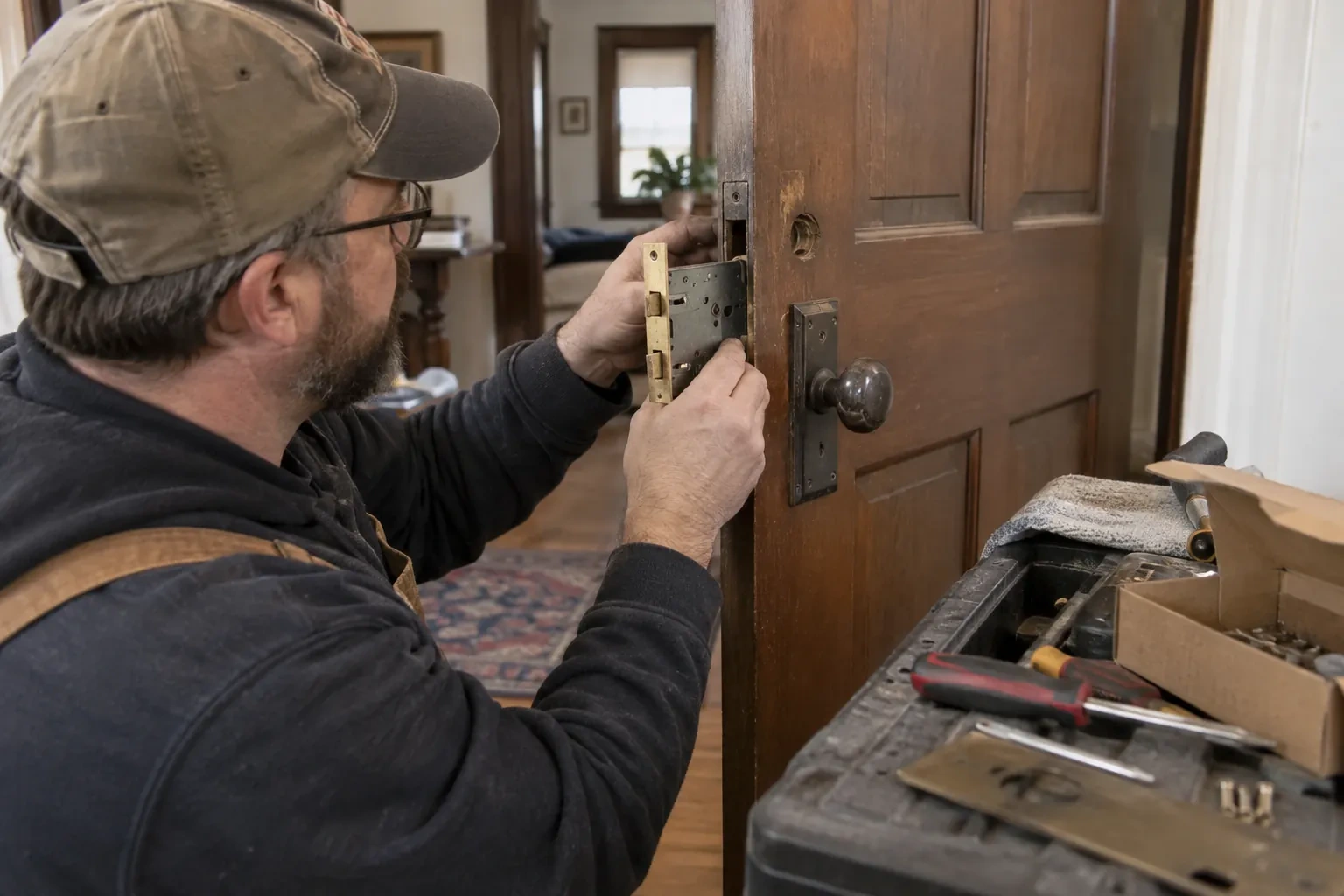
- You run a home office with client files and equipment, and your insurer has asked what kind of lock is on the door.High Security Locks
High Security Locks
Cylinders and deadbolts built to resist picking, bumping and drilling, keys that cannot be copied without authorisation, and safes opened or installed.
Safe Opening & Combination Change
Looking for a relocker or prior damage
Some safes include a relocker, a small device built to jam the bolt work until a trained technician services it, if the case is drilled in the wrong place, dropped, or exposed to fire. The locksmith looks for pry marks, drill attempts, scorching or a history of the safe being moved or dropped, since any of these can explain a lock that suddenly refuses a combination that worked yesterday. Recognizing a tripped relocker early changes the plan: the fix is mechanical, freeing or replacing the relocking mechanism, rather than another attempt at the original combination or a straightforward reset.