Locksmith in Wilmot, OntarioPatient withold hardware.
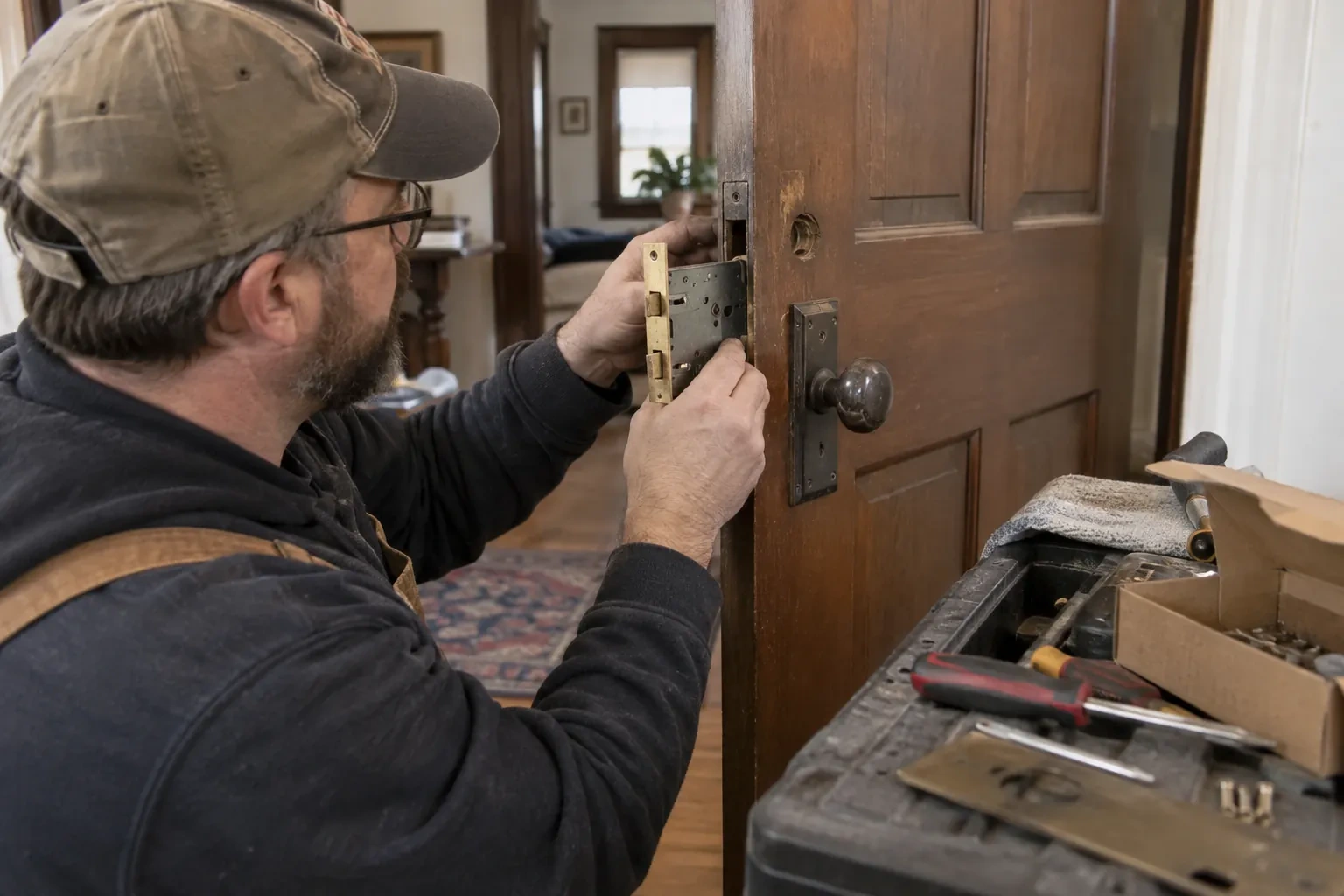
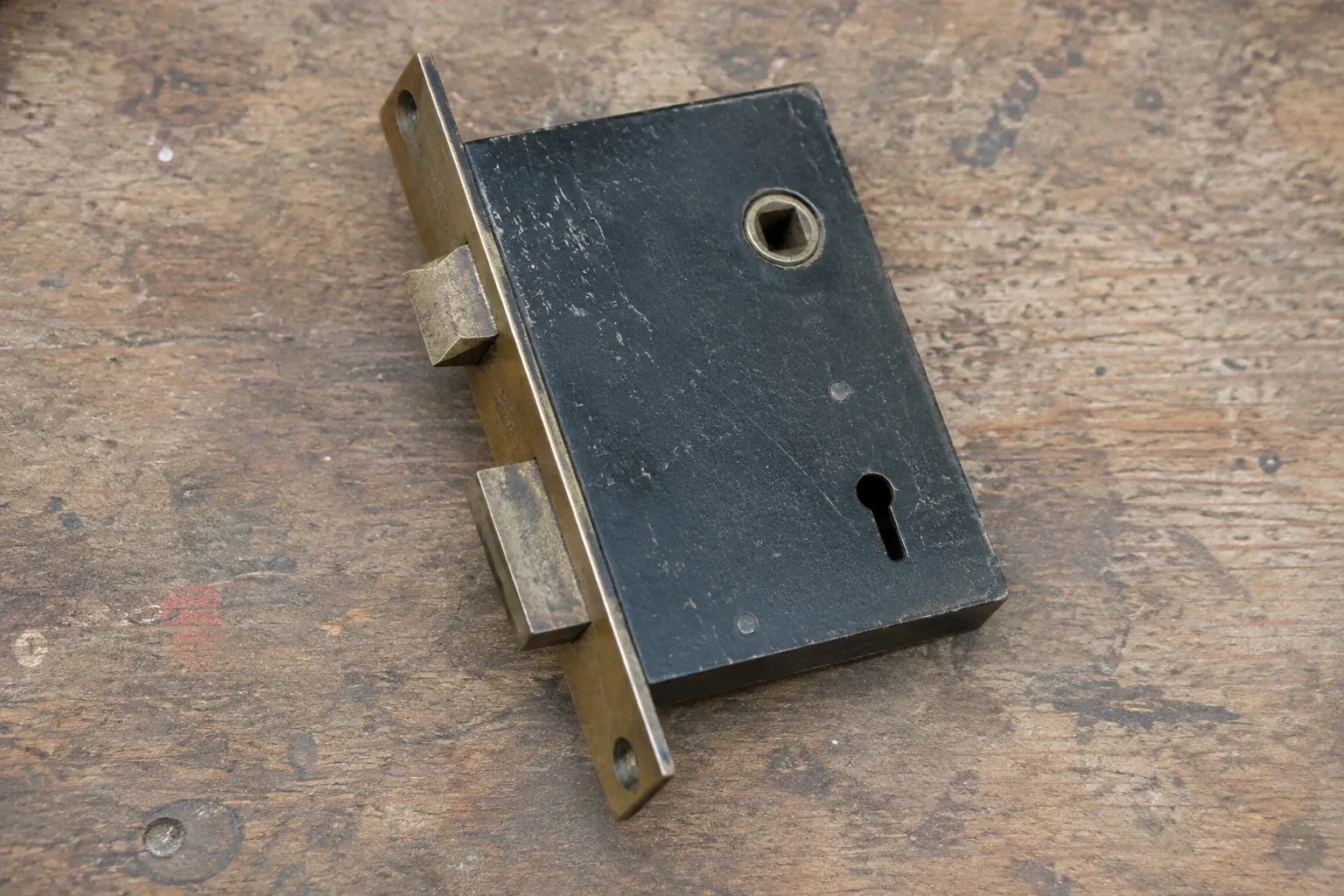
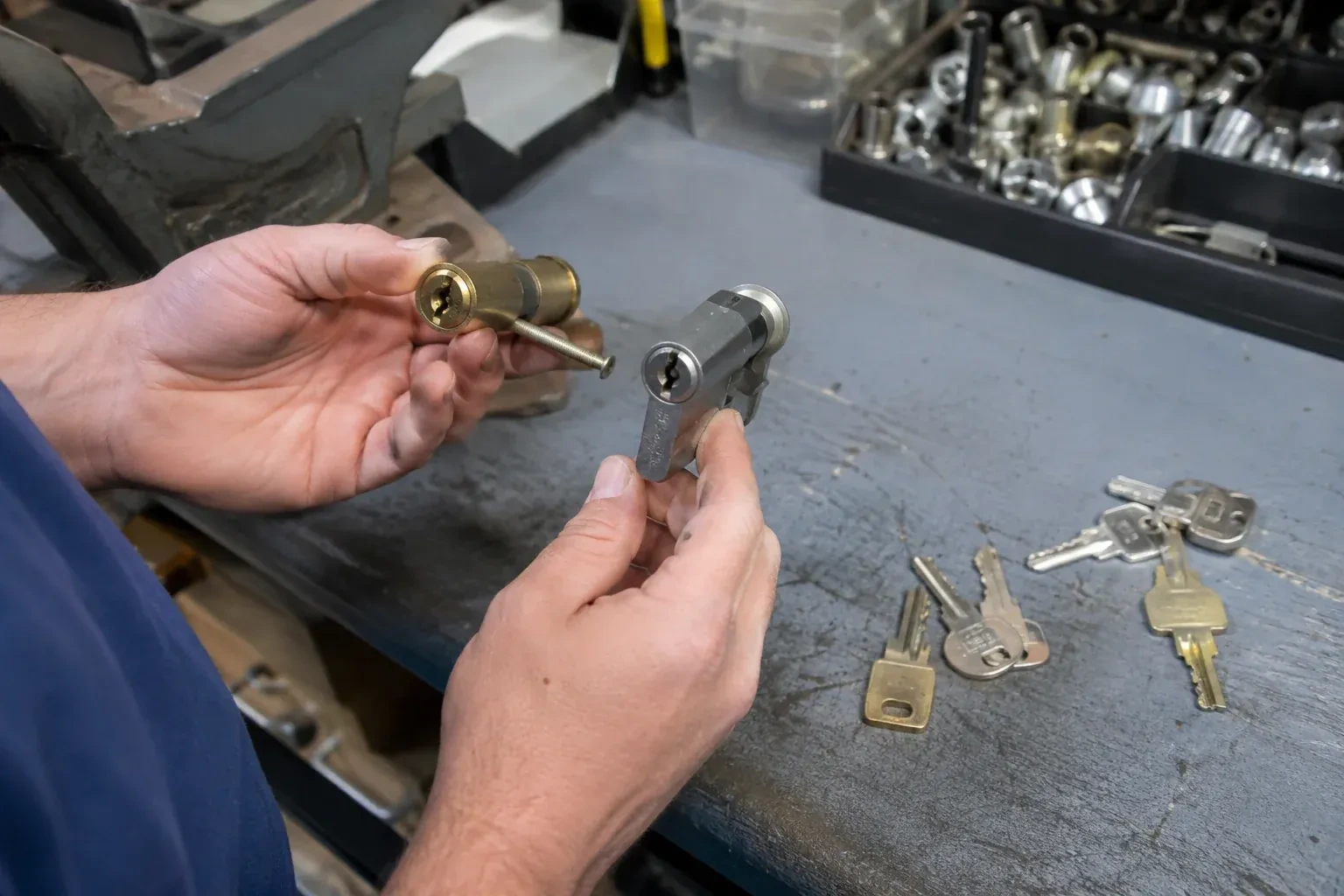
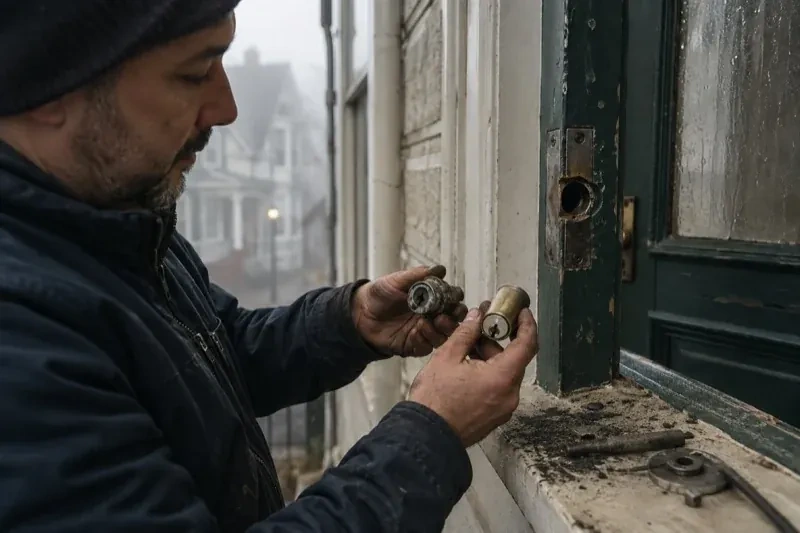
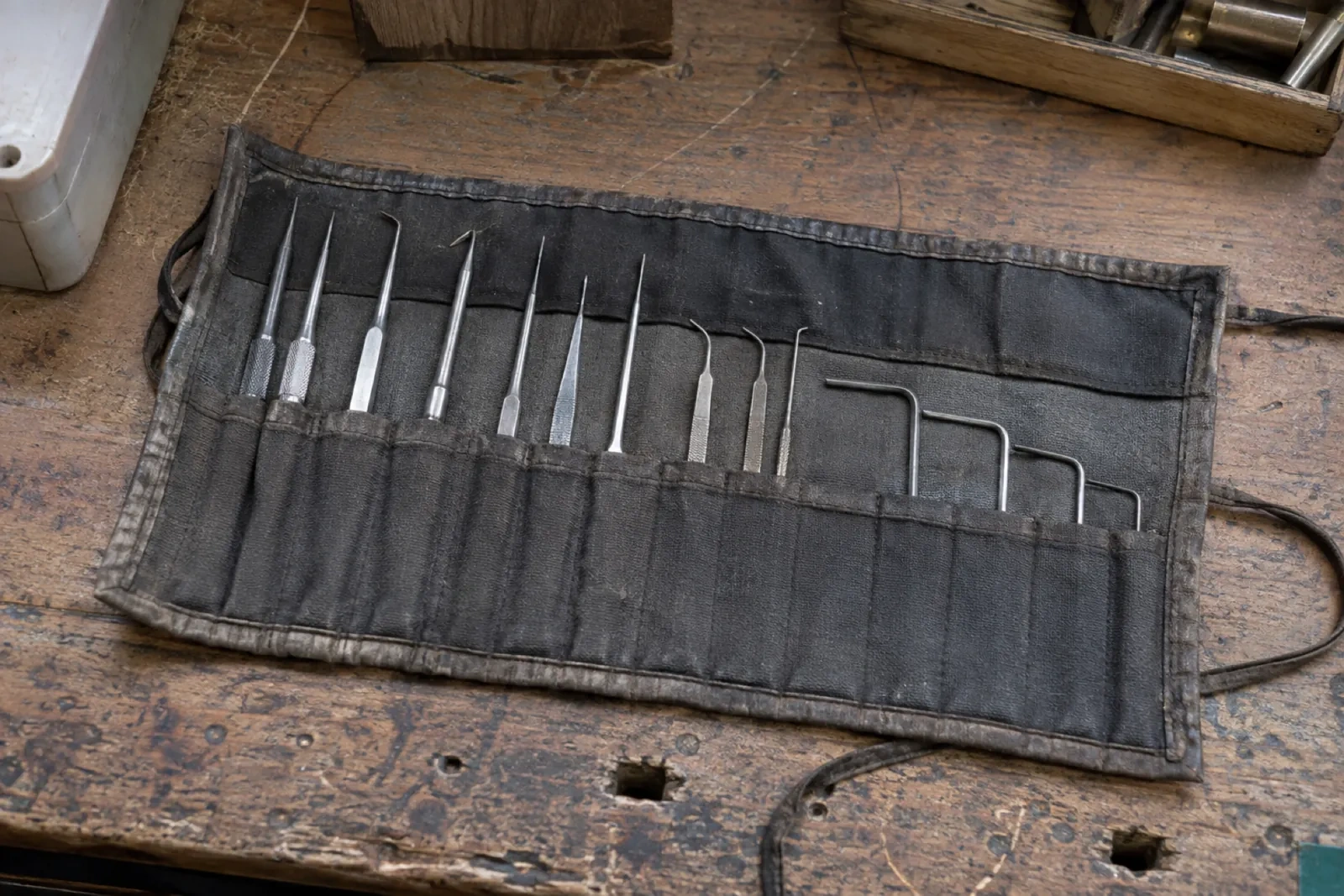
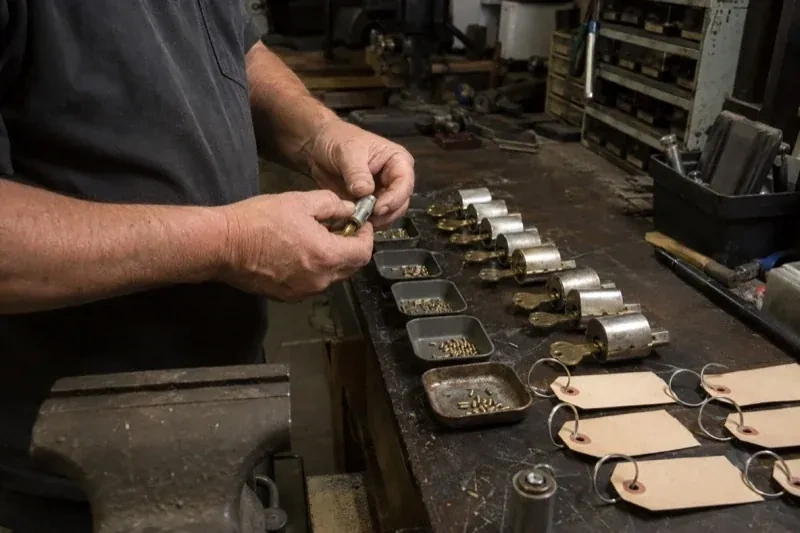
Some doors have been opening for a century, and the hardware on them deserves better than a hacksaw. We take the time to free seized mechanisms, re-pin original cylinders and fabricate keys for locks whose blanks went out of production long ago.
Some doors have been opening for a century, and the hardware on them deserves better than a hacksaw. We take the time to free seized mechanisms, re-pin original cylinders and fabricate keys for locks whose blanks went out of production long ago.
Plain talk, tidy work.
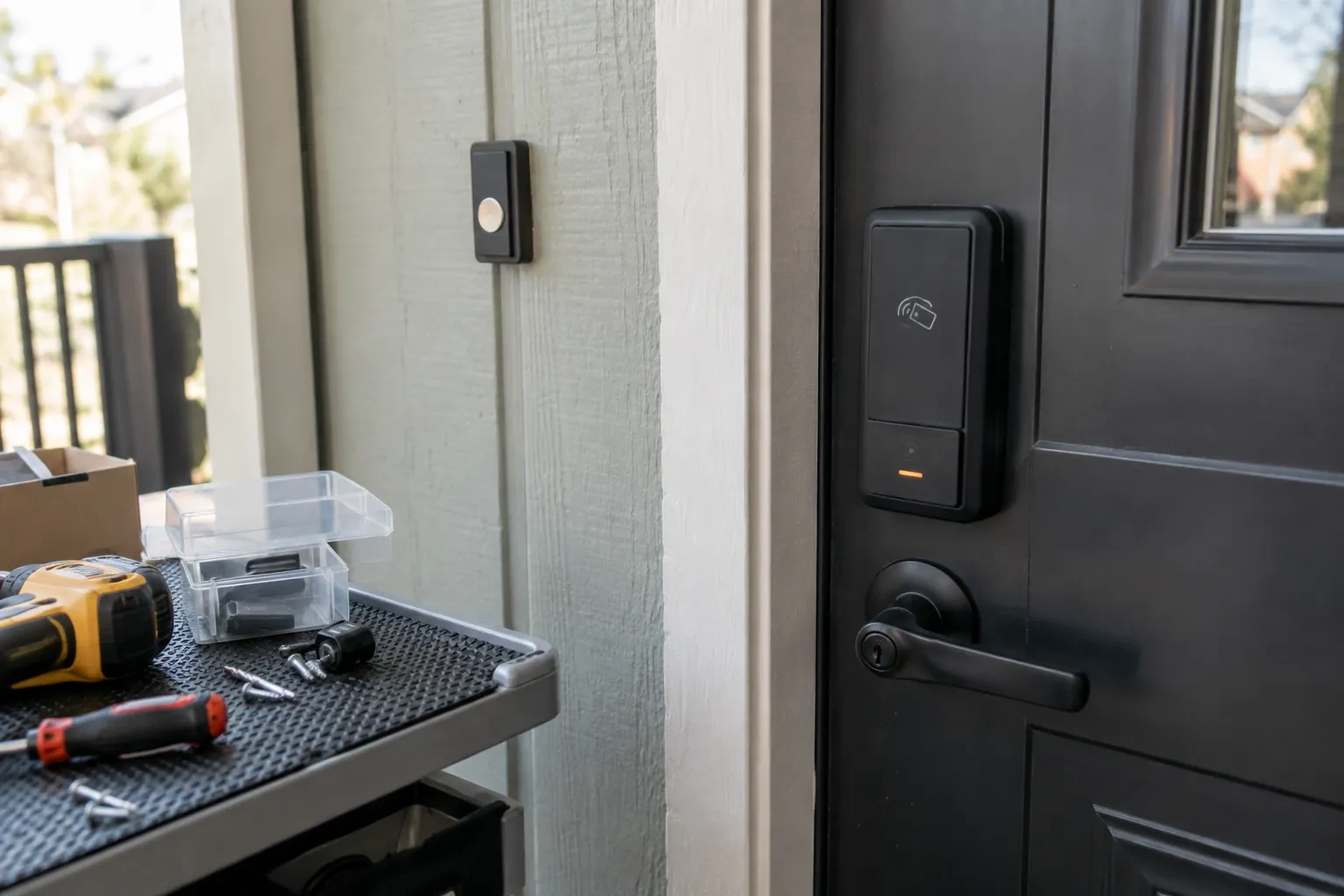
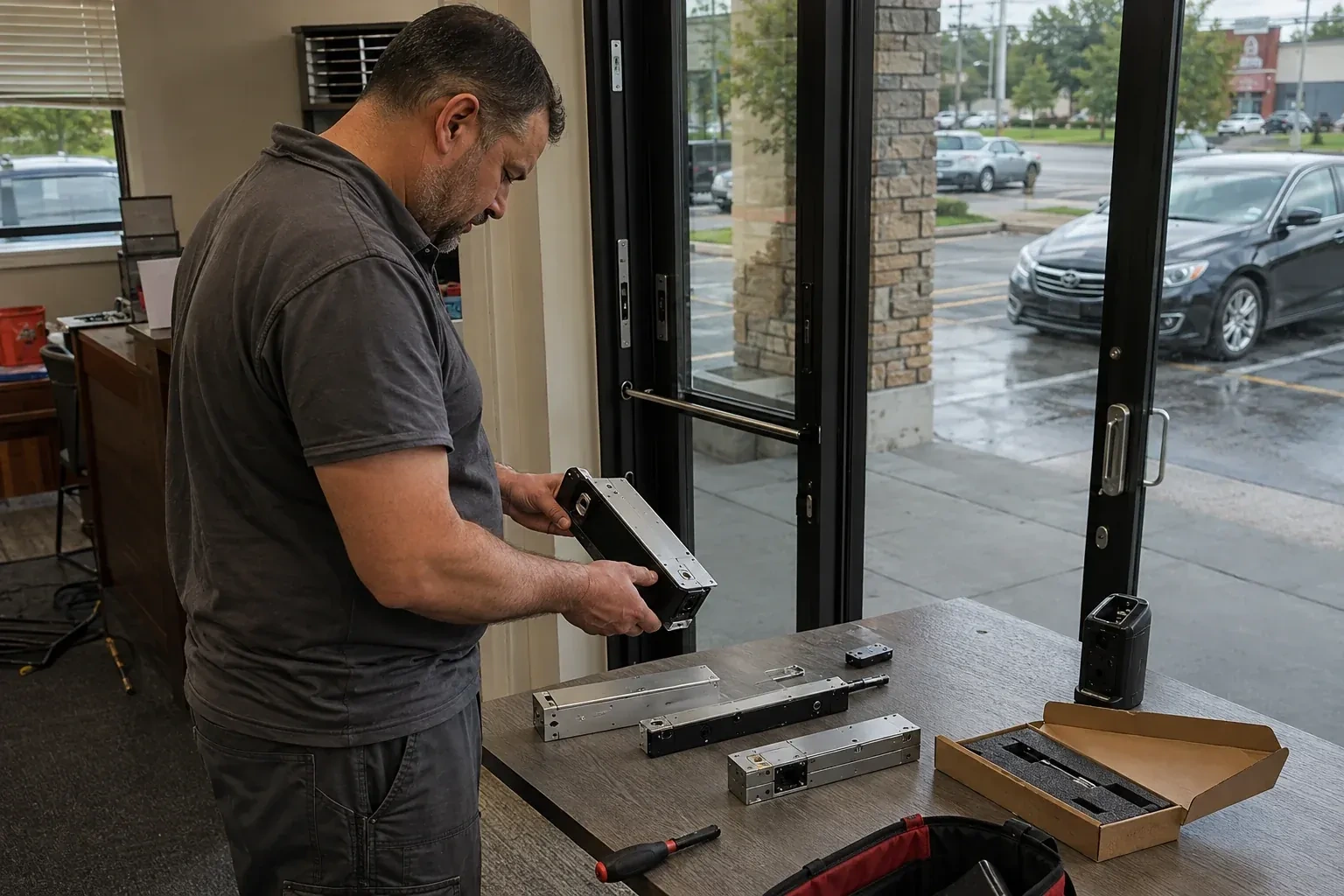
Commercial doors work harder than residential ones: hundreds of cycles a day, a closer slamming the latch, deliveries propping the back door open in the cold. We specify hardware for that duty, keep closers adjusted so the door actually latches behind people, and make sure exit doors release with a single push and no key. Then we set a schedule so small wear never becomes a lockout.
The key you reach for. The door you come home to. Good locksmith work begins with understanding how you use them.
11years in business
24/7open every day
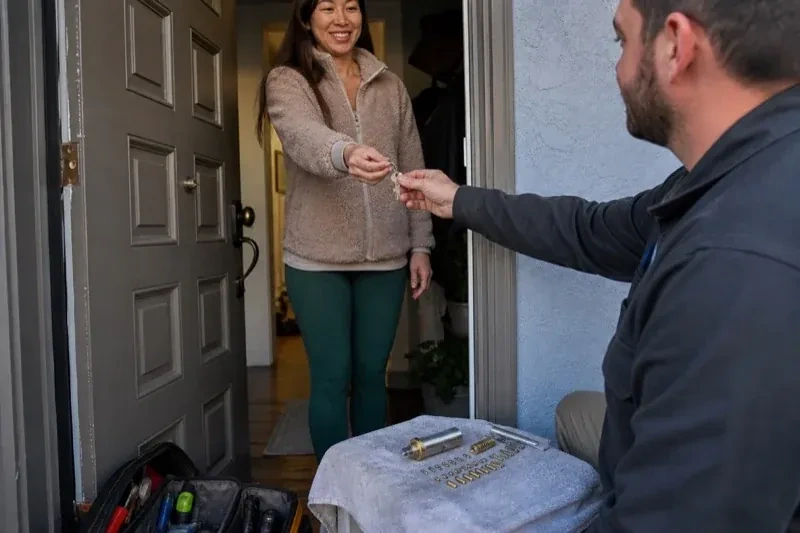
Identity checked, politely. For openings and key work we confirm you have the right to be there. We explain why we ask, and we ask everyone.
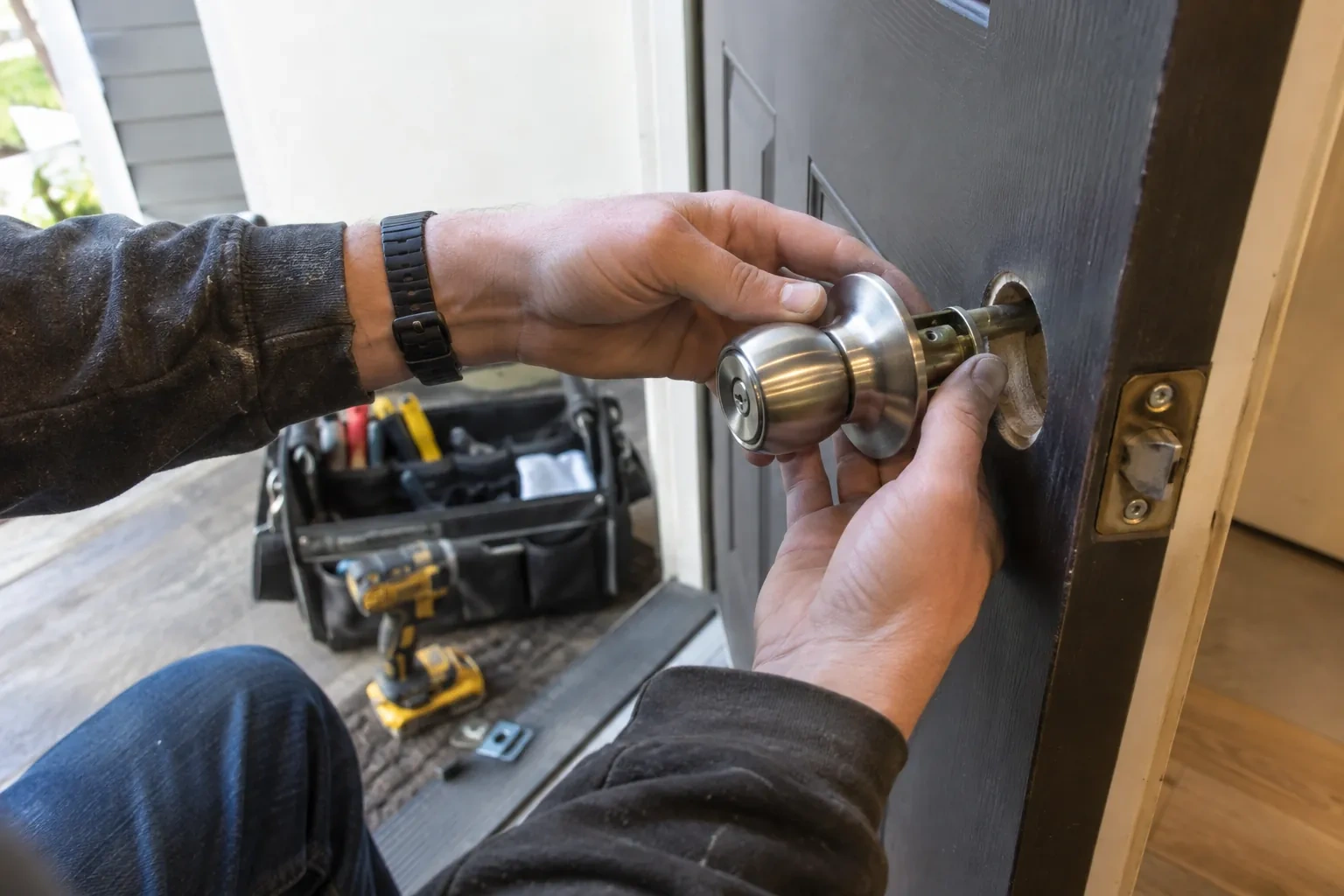
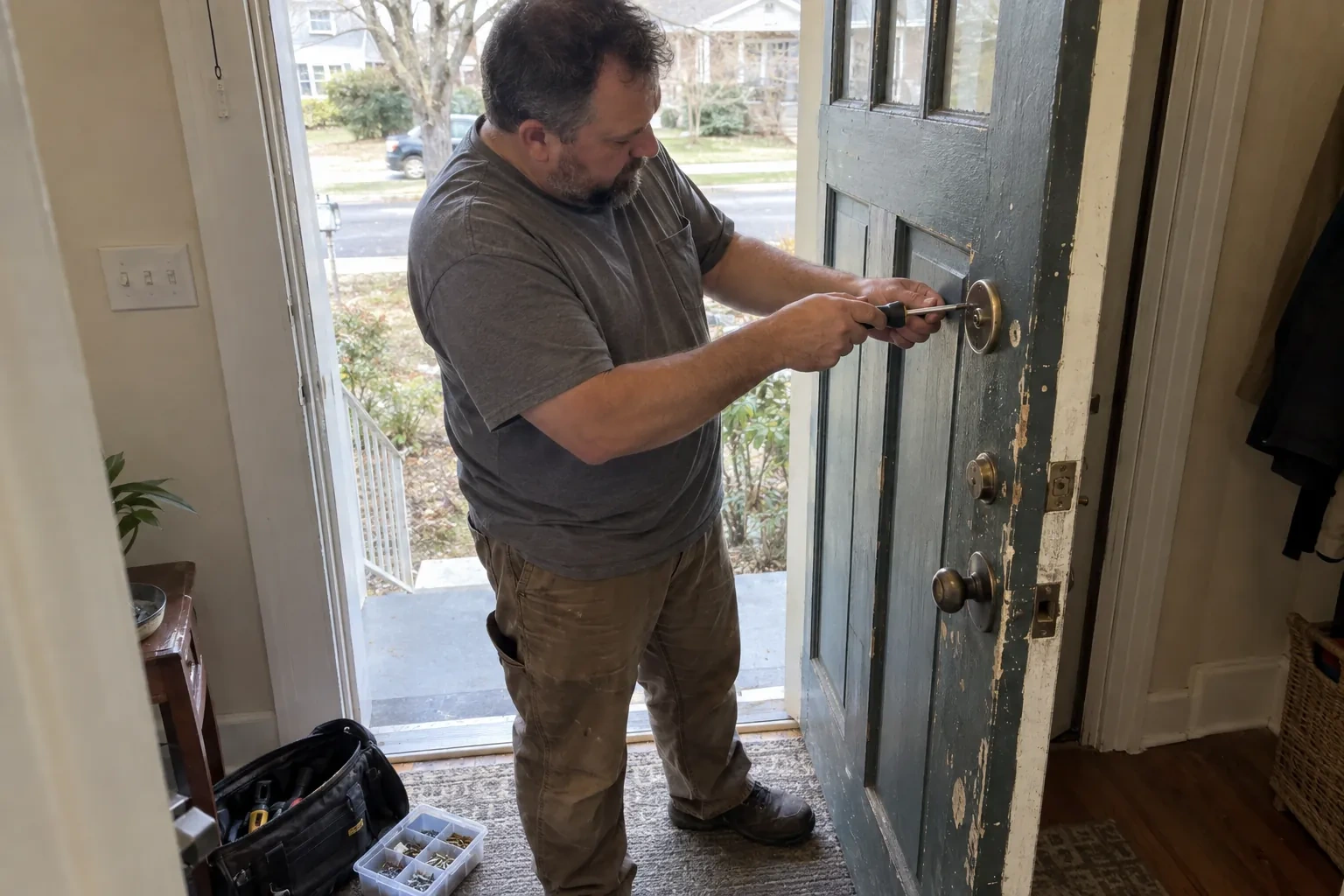
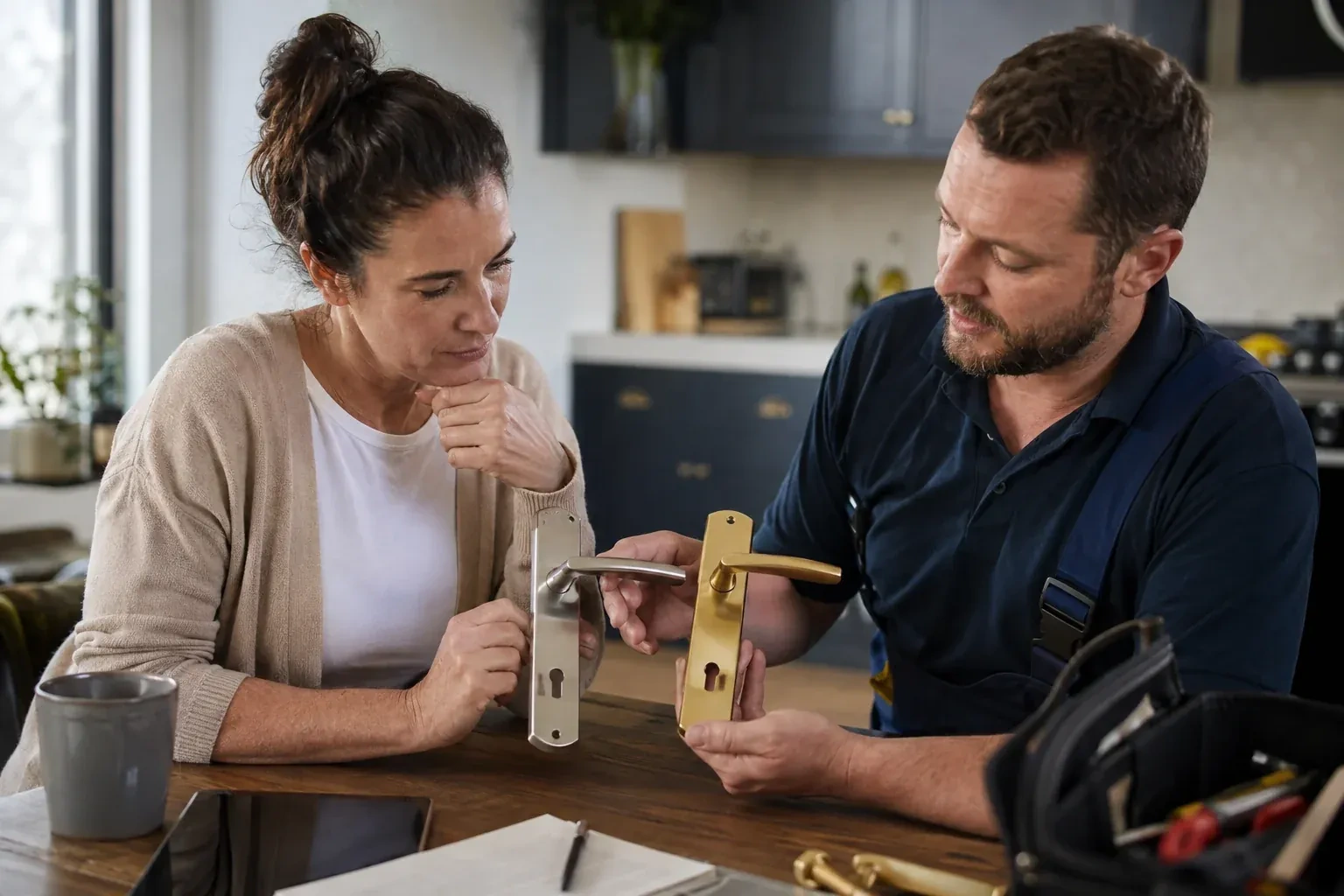
Work you can watch. There is nothing hidden about what we do. Stand beside us, ask questions, and we will show you what the lock looks like inside.
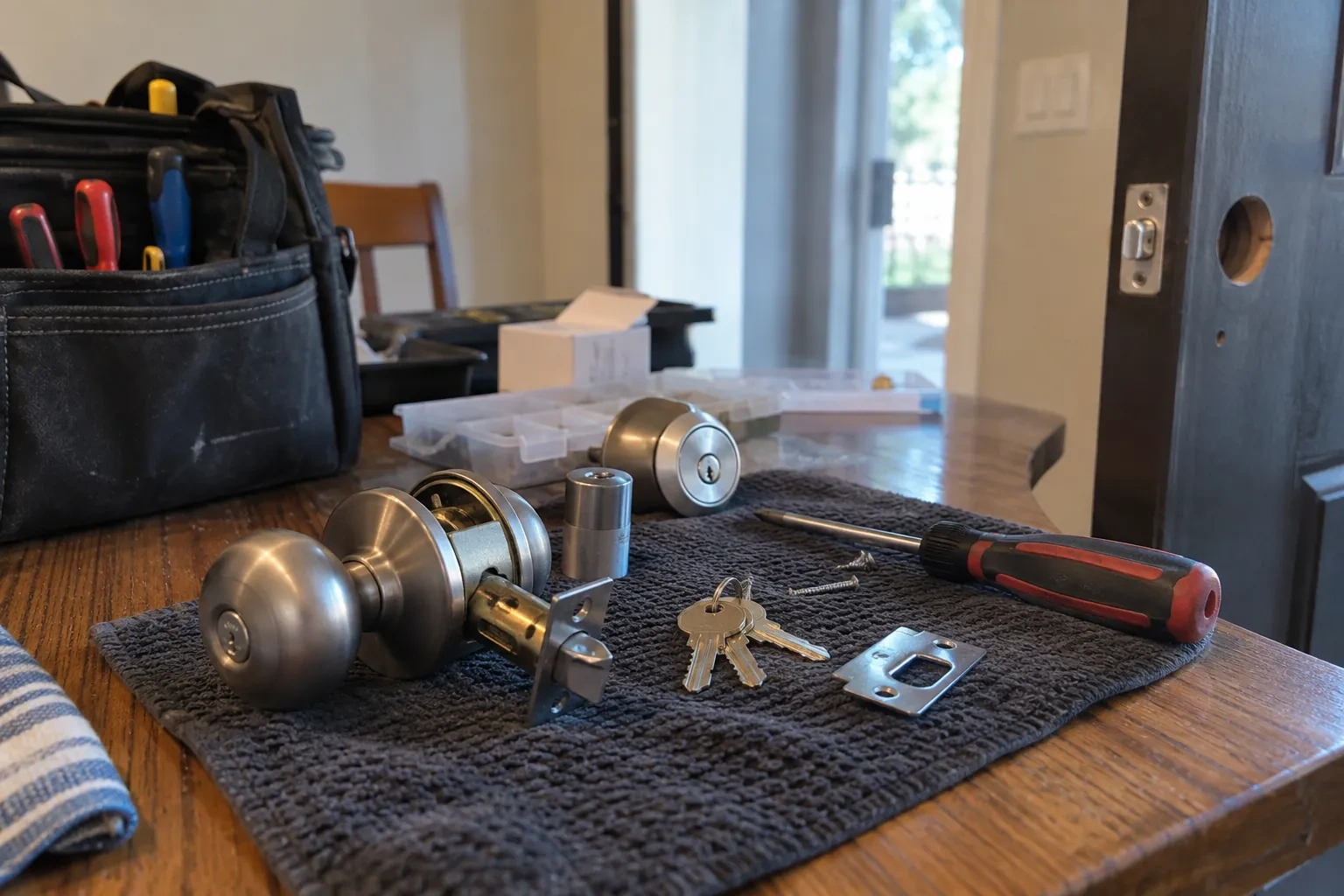
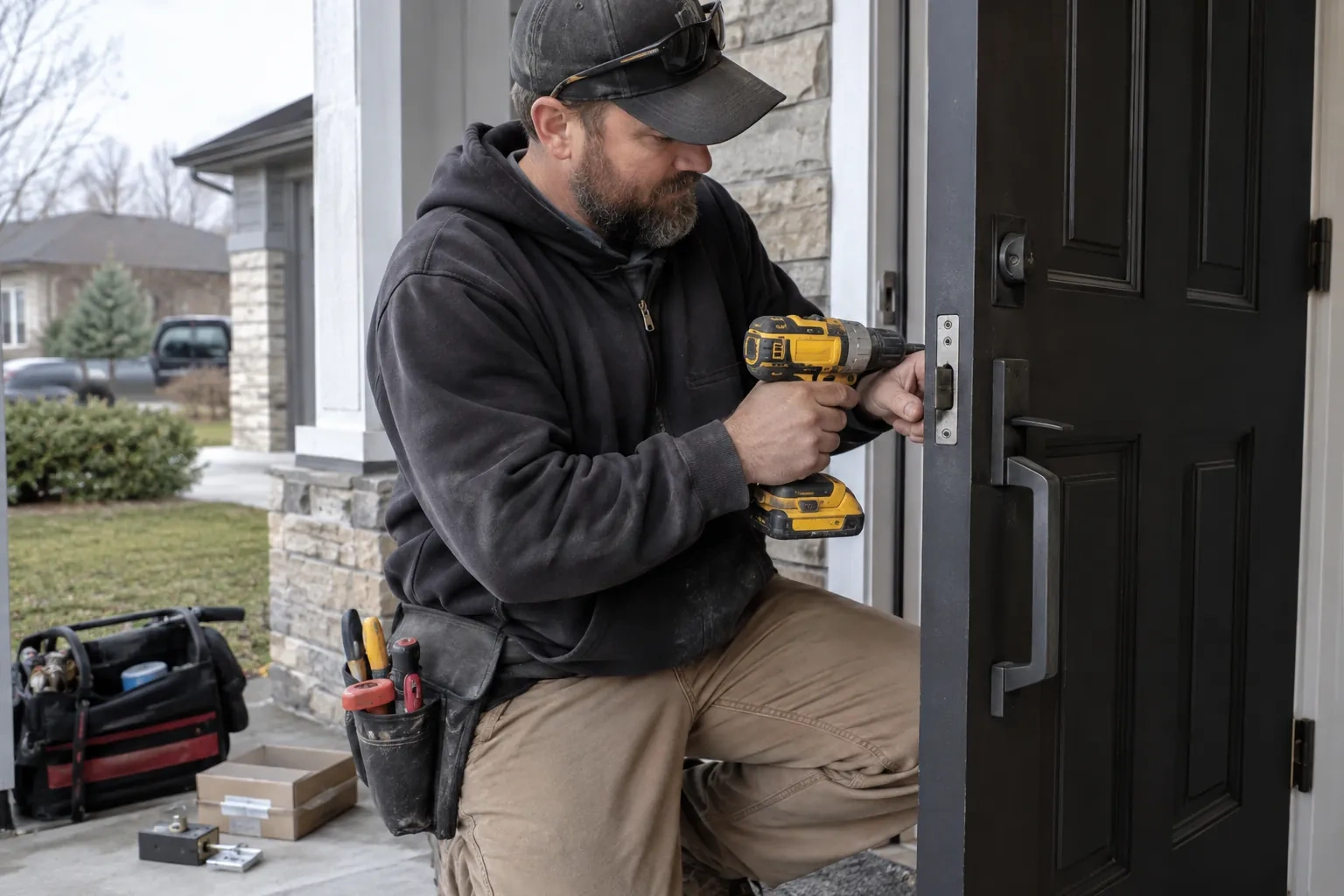
Clean hands, clean floor. We put down a mat where there is drilling, wipe the hardware down and leave the area as we found it, only with a working lock.
Think of this page as a menu rather than a manual. You do not need to know the name of the part or the type of cylinder in your door. Pick the section that sounds closest, read what the visit looks like, and we will fill in the details together.
The manager who holds the only set of office keys is on a plane. The team is gathered in the corridor outside the suite, the landlord's office does not open for another hour, and the client meeting is at nine-thirty.
A roommate moved out on bad terms and says the key was left on the counter. It was not. You have already changed the Wi-Fi password, but the front door still opens for a key that could be anywhere.
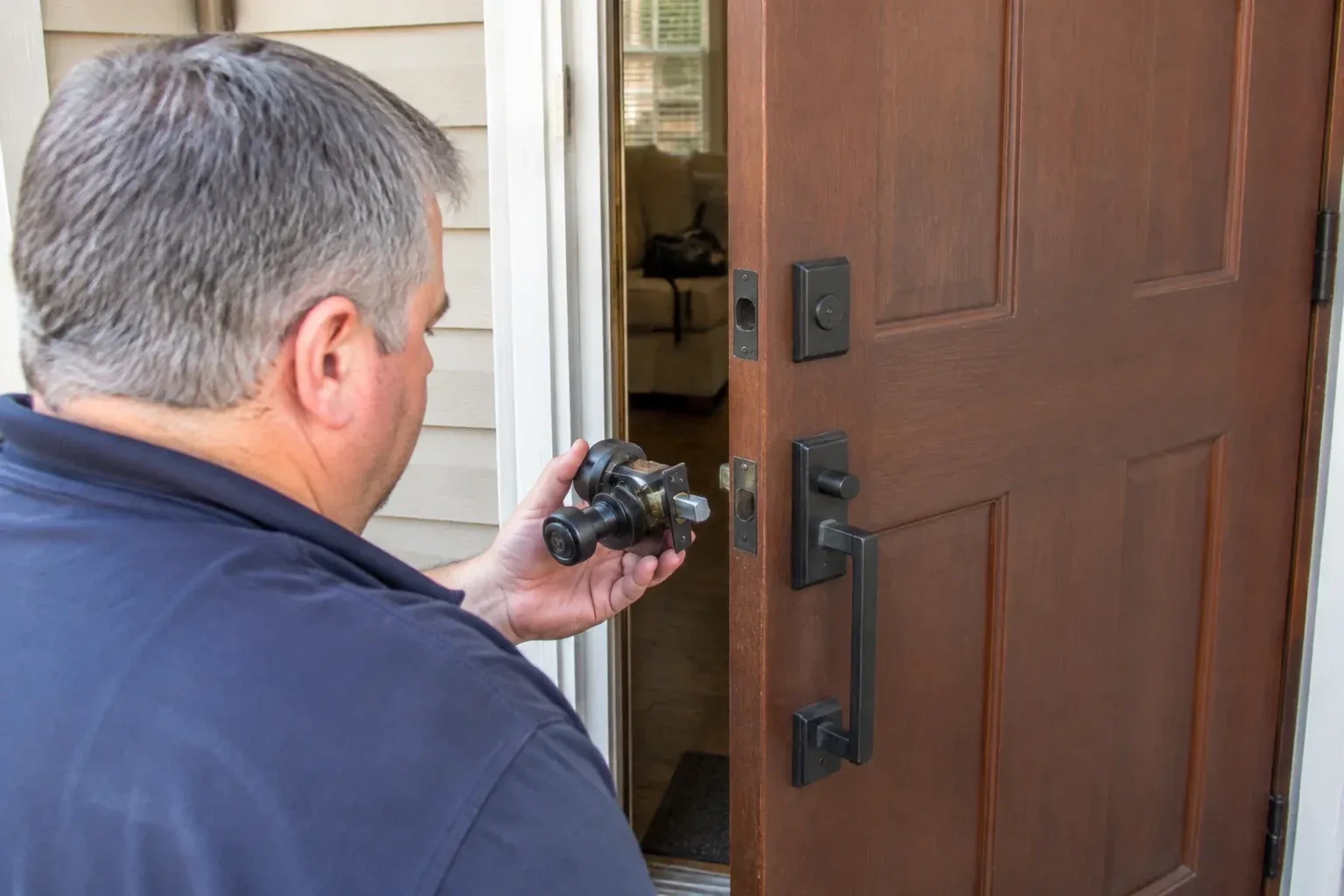
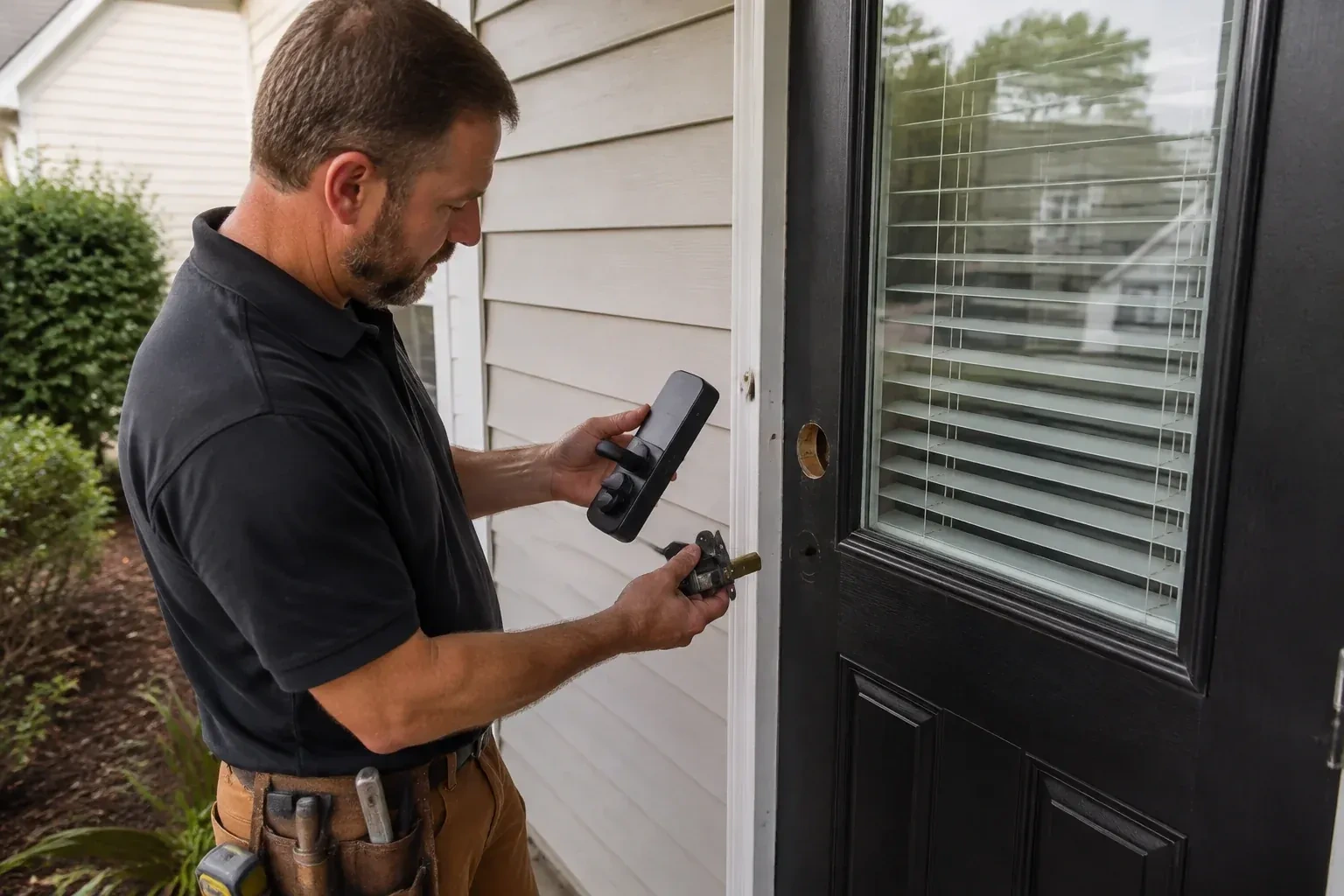
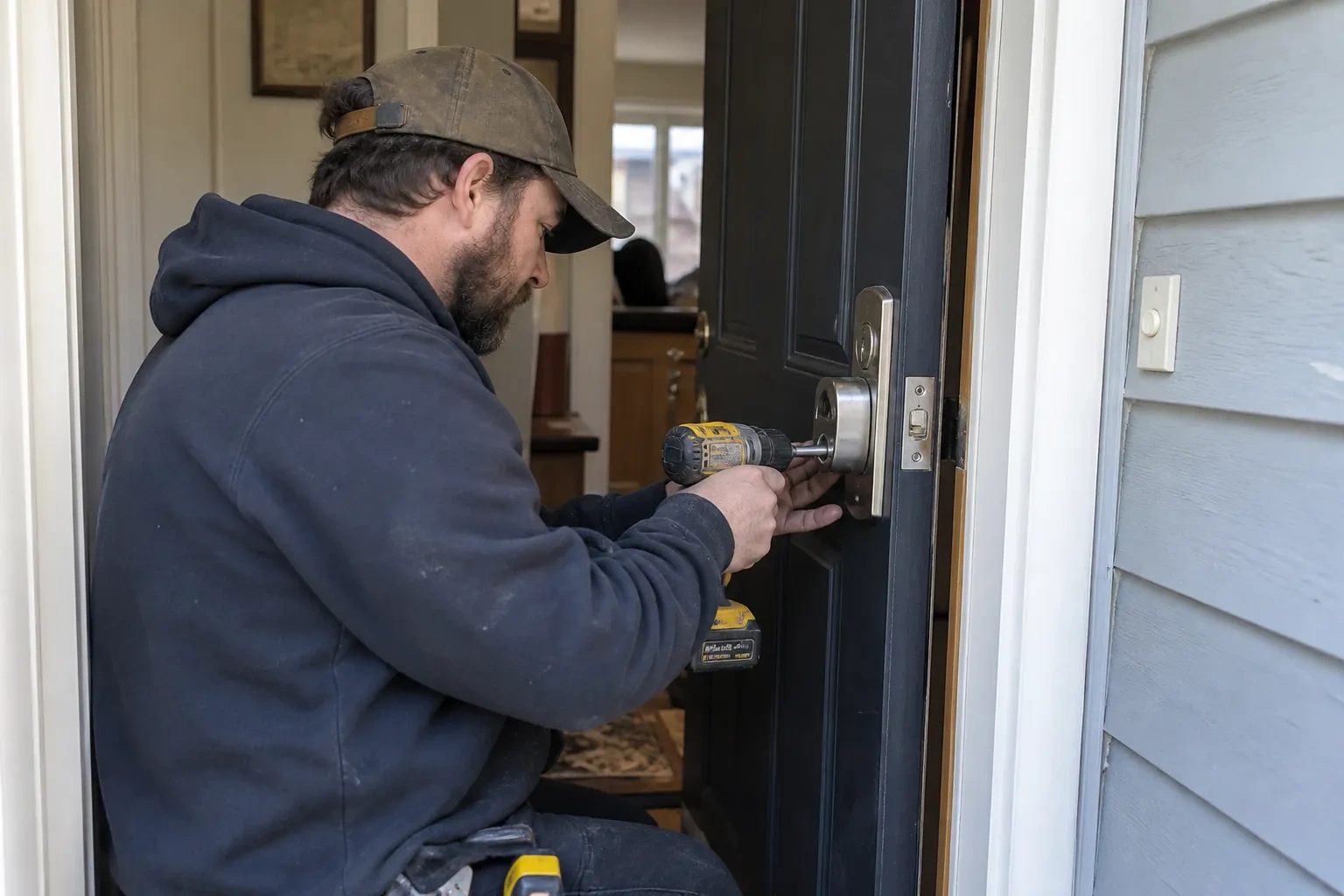
You bought a keypad deadbolt online and pulled the old one off, only to find the hole in the door is a different size and the bolt latch sits at a backset the new kit does not list. The door is now open and the box is on the counter.
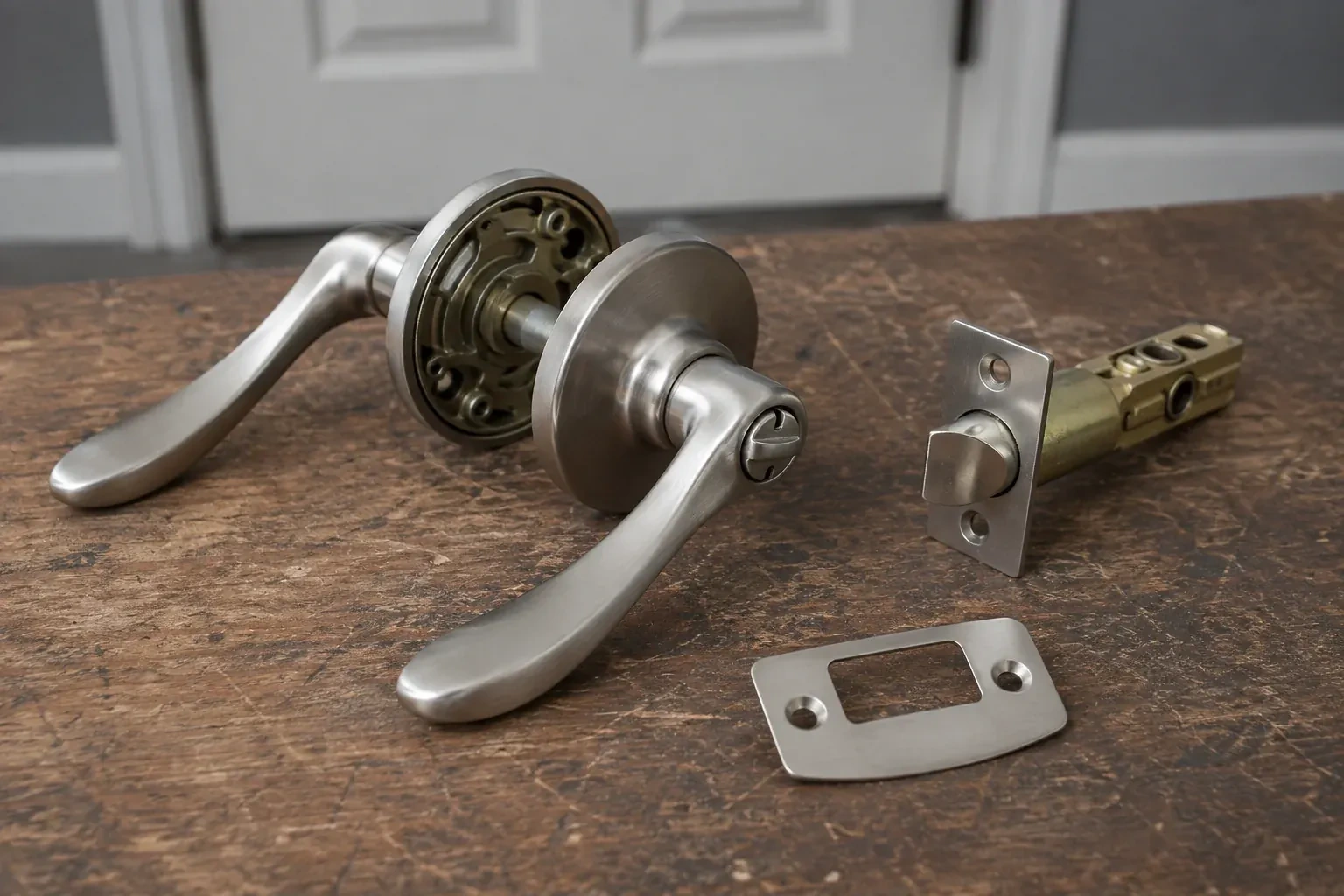
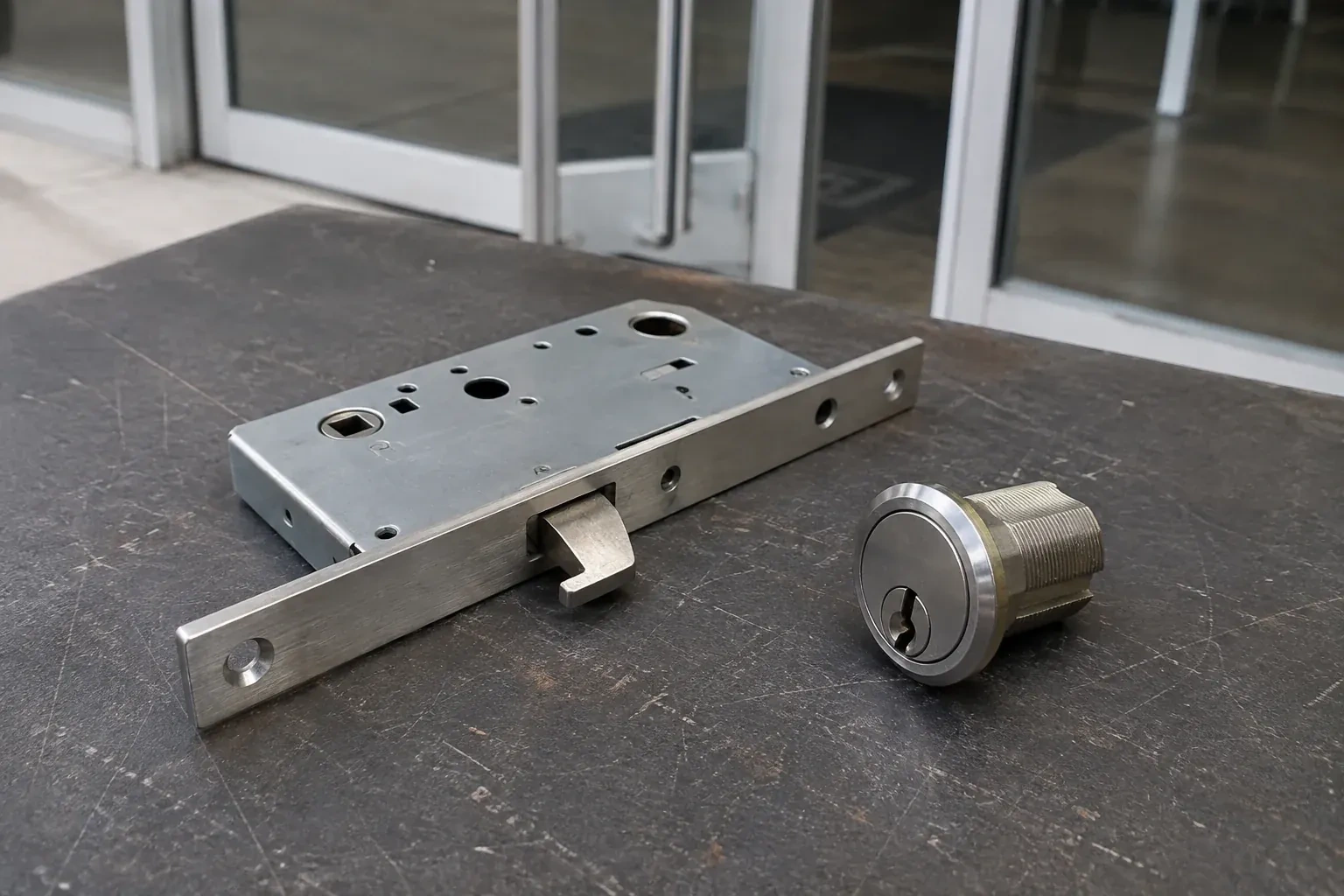
Ordinary locks keep out the curious. High security locks keep out someone who has decided to get in and has tools. The difference lives in four places: cylinder, bolt, strike and key, and each is explained here in plain terms.
You bought a keypad deadbolt online and pulled the old one off, only to find the hole in the door is a different size and the bolt latch sits at a backset the new kit does not list.
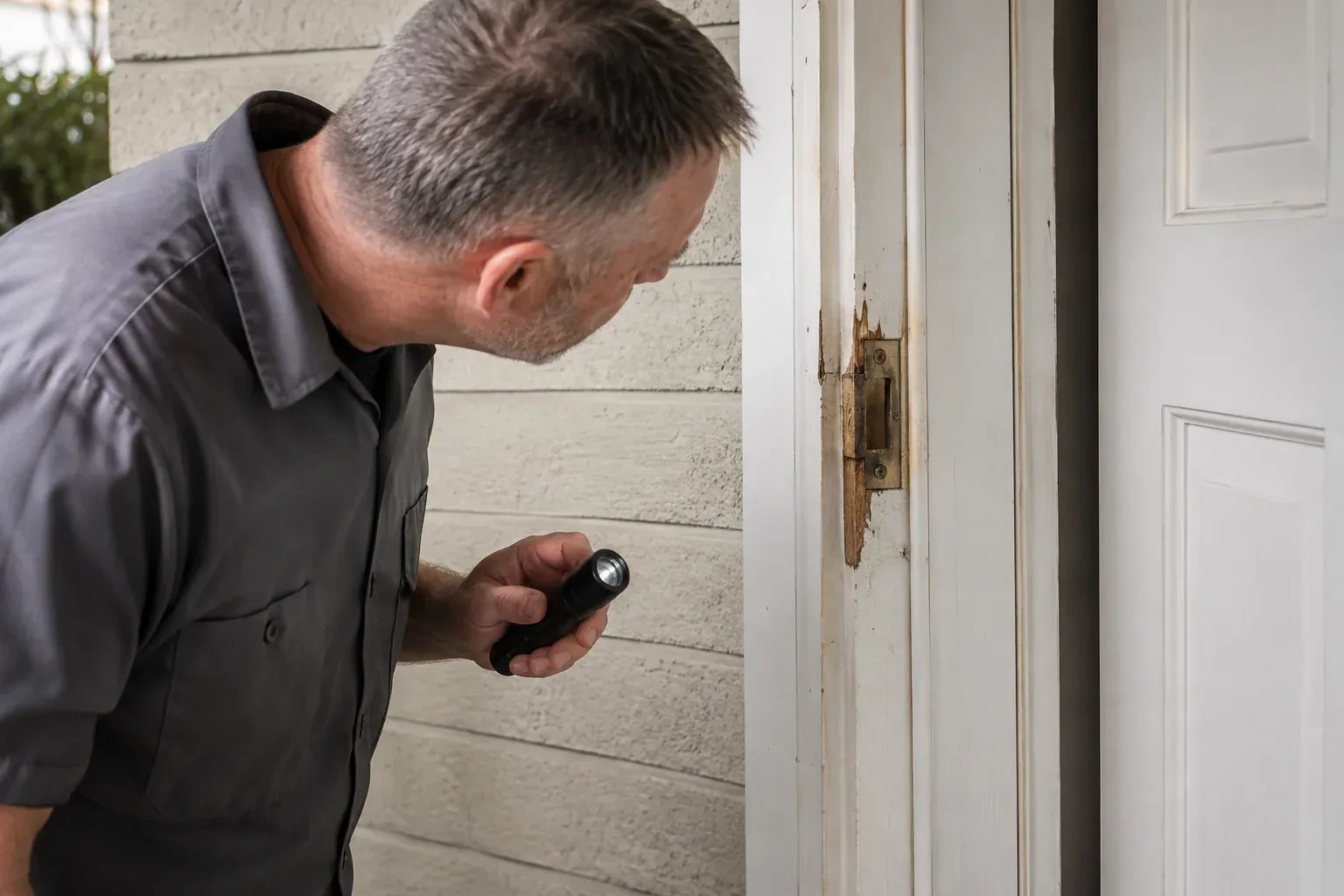
Police have come and gone, the occurrence number is on a sticky note, and you are standing in a cold hallway looking at a splintered frame, wondering how the house gets locked before everyone tries to sleep.
Services here appear in the order a business tends to need them: a lockout or a lost key first, then rekeying, then a master system, then exit hardware and access control as the premises grow and the staff list lengthens.
The pharmacy's drop safe has a keypad that finally lost power for good, and the little override key that was supposed to live behind the counter cannot be found anywhere.
The accountant's office keeps a decade of client files in cardboard boxes because the only safe in the building is a small drawer safe meant for a laptop, nowhere near large enough for binders of paper.
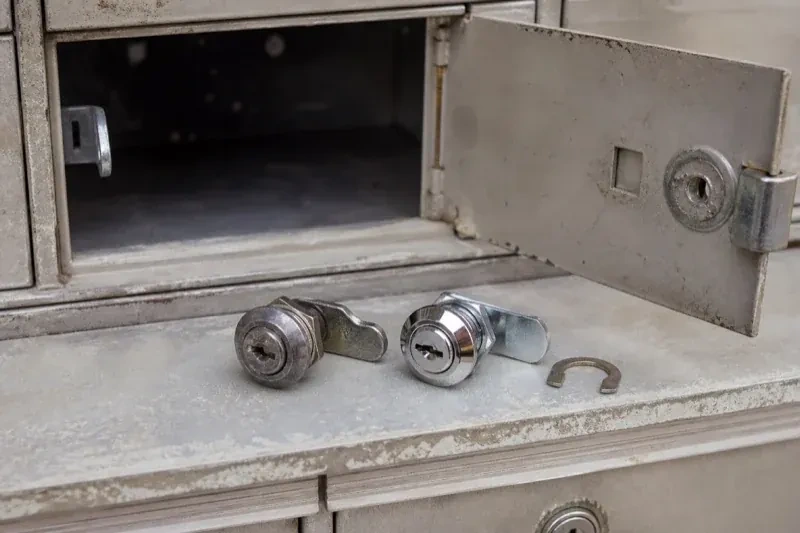
WhyWith proof the box is yours, the cam lock swaps out cleanly and you get two keys for it.
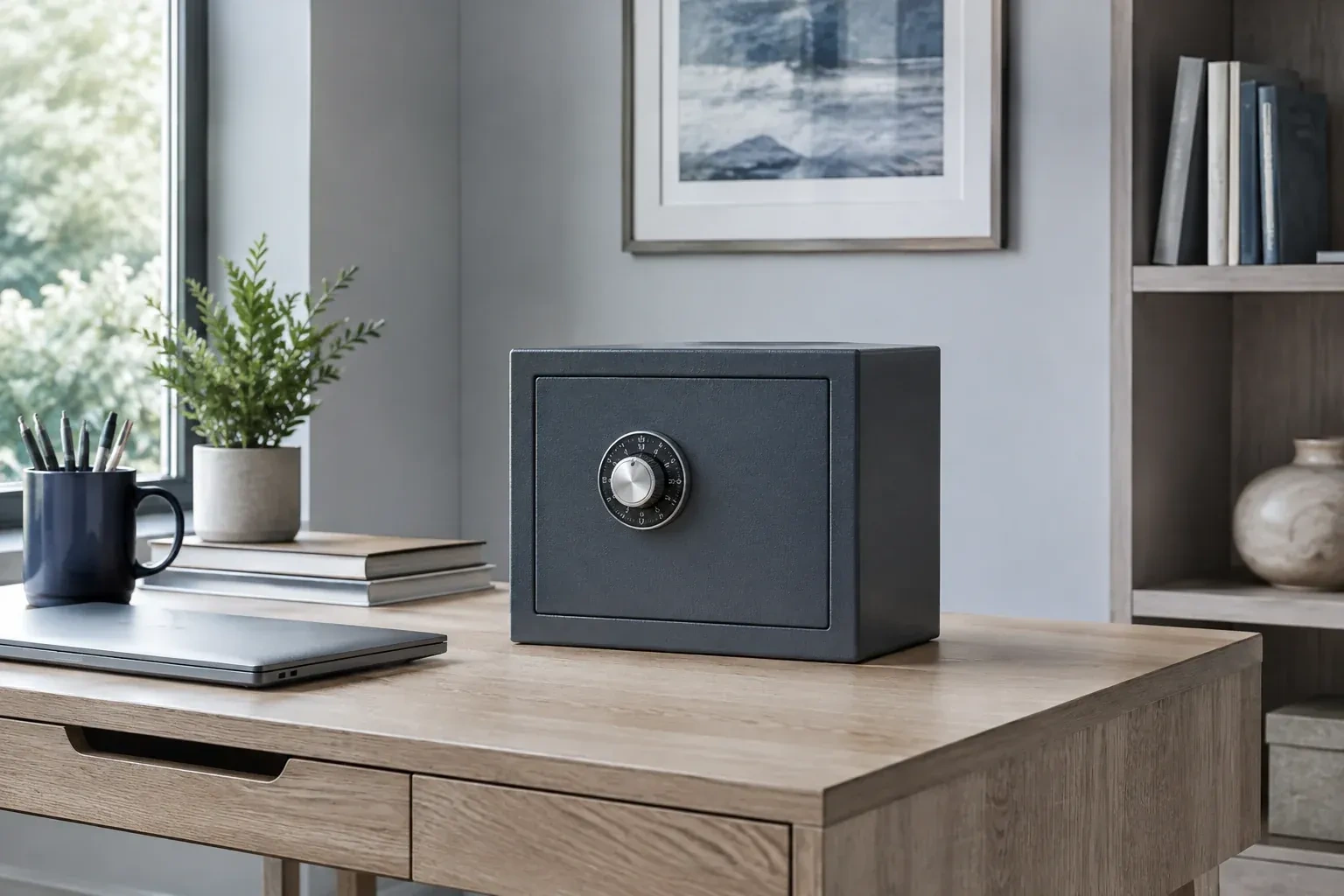
The bookkeeper who set the office safe's code retired in a hurry, and the float cash for tomorrow's registers is sitting behind a keypad nobody else in the building can operate.
WhyChanging a combination is not only for a safe that has stopped opening.
A dinner service ends with a stack of bills and a handful of credit slips, and right now they sit in an unlocked cash box on a shelf until morning, because nobody has gotten around to anything sturdier.
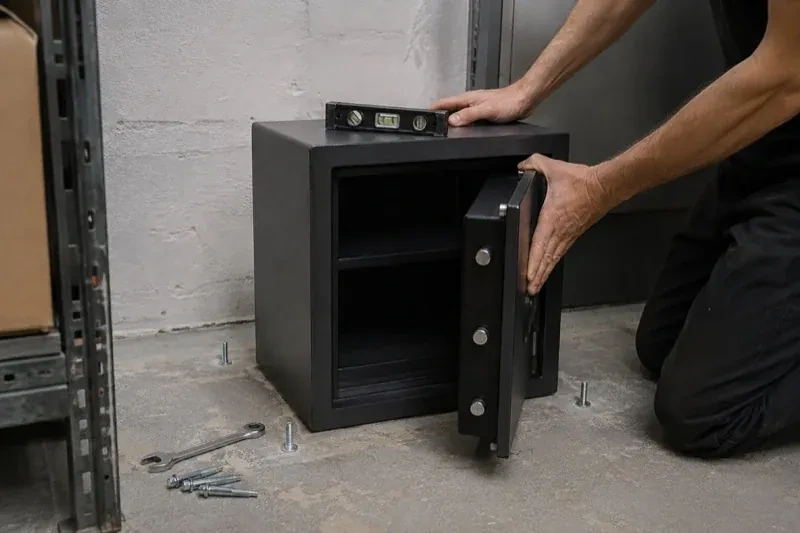
WhyBusinesses call for this service for two different reasons that sometimes overlap: protecting cash held overnight, and protecting paper records that would be enormously slow to recreate.
You run a home office with client files and equipment, and your insurer has asked what kind of lock is on the door.
About 41% of homes in Wilmot were built in 1980 or earlier, according to the 2021 Census.
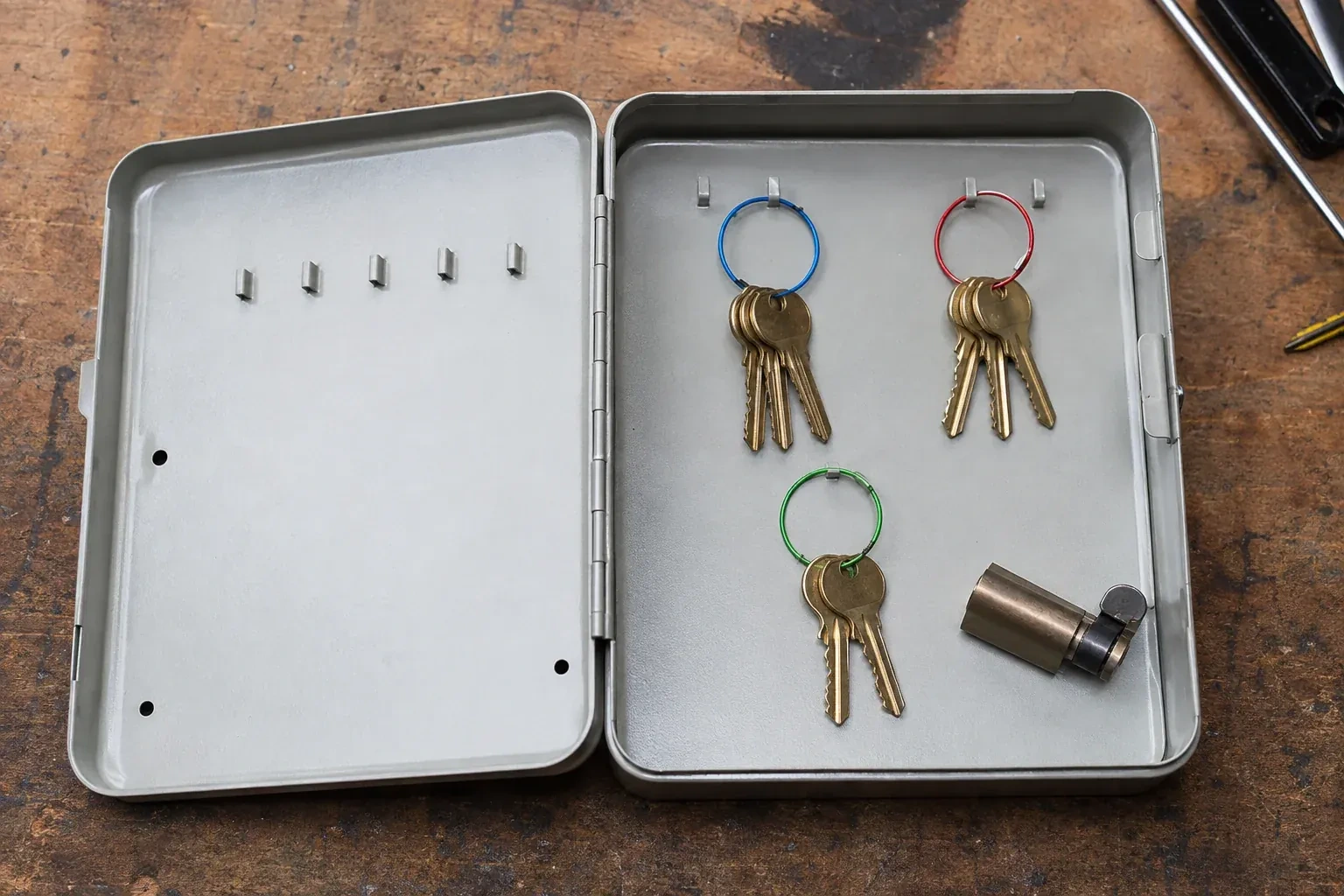
In an area of varied housing ages, rekeying is the one job that fits every door. Old cylinders and new ones both take fresh pins, so a household moving into either kind of home can start with keys that nobody else holds.
Single-detached houses make up about 79% of homes in Wilmot (2021 Census).
Mostly houses
Homeowners in houses often want a spare key that lives outside safely. A locksmith can fit a proper key safe or set up a keypad so a hidden key under a pot is no longer part of the plan.
An authorised person contacts the locksmith who holds your system, quotes the system reference, and the key is cut from code and numbered into the register. Some systems use a physical authorisation card, others an online validation, and business systems often require a signature that matches one on file. The key is collected or delivered, and the record shows the new total. It is deliberately not something a stranger with your key can do.
What is the difference between restricted and patented keys?
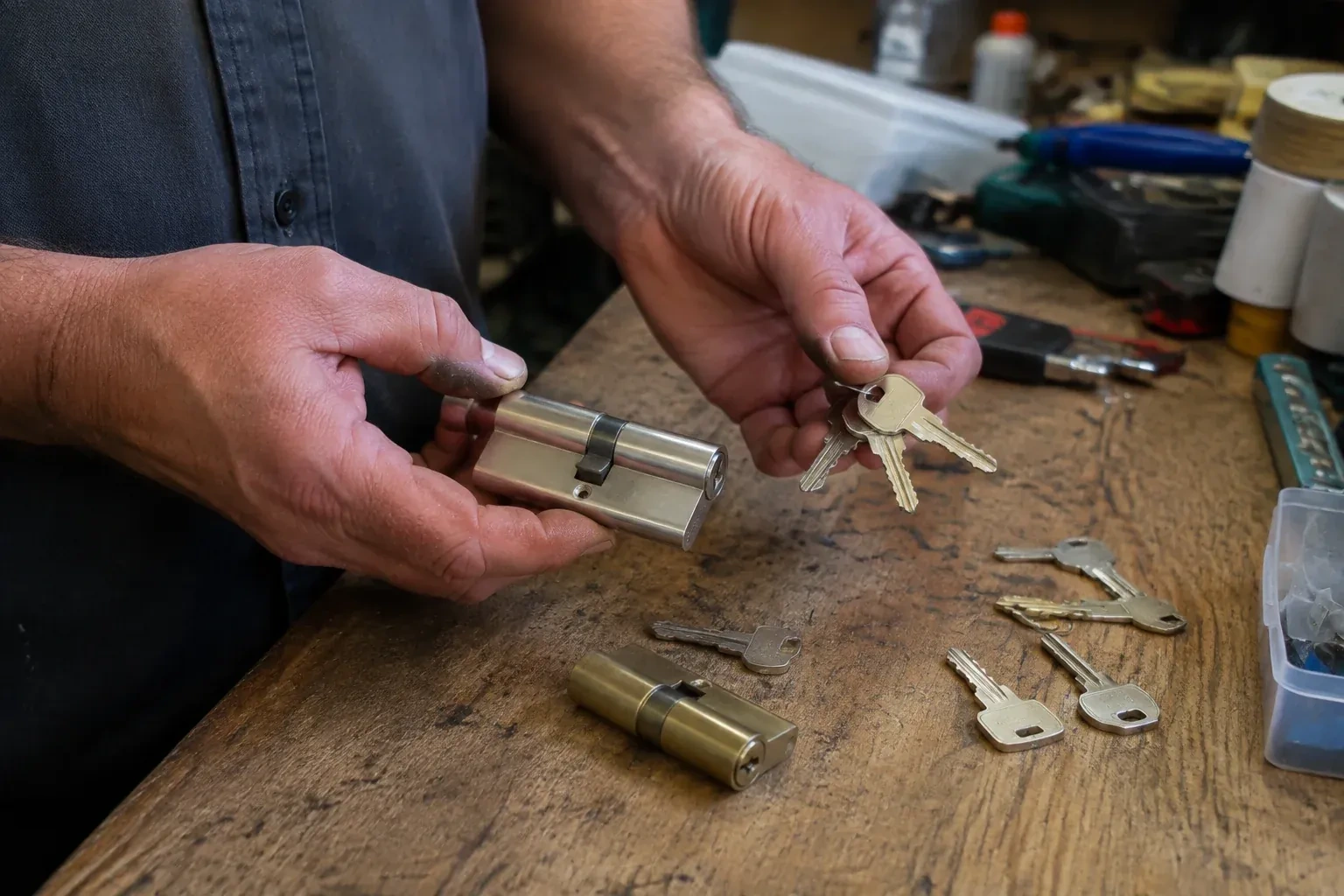
A restricted keyway is one the manufacturer supplies to a limited set of dealers, so blanks are harder to obtain but not legally protected. A patented key design is protected by a patent for a fixed term, and making or selling the blank without permission is unlawful during that time. Patented systems give the firmer control; restricted ones give a useful step up. The locksmith explains which your chosen line uses and when any patent expires.
What happens when the patent on my keys runs out?
The mechanical resistance of the cylinder does not change, but blanks may become openly available, so copy control weakens. Manufacturers issue new patented keyways as older ones expire, and the usual answer is to move to the next generation by changing cylinders and keys while keeping the lock bodies. Your locksmith notes the patent term at handover so the date is on the calendar rather than a surprise years later.
Will my door look different afterwards?
Barely. A high security cylinder sits in the same place as the old one and is usually distinguished only by a different keyway shape and sometimes a hardened collar. A graded deadbolt is a standard-looking deadbolt in your chosen finish. The reinforced strike is longer than the plate it replaces and the wrap-around reinforcer, if used, shows as a neat metal band on the door edge. The difference is felt when you lock up, not seen from the street.
Request a visit
For businesses in Wilmot we keep records. Which cylinders were pinned to which key, how many keys were cut, which doors carry a master, when the closers were last adjusted. That paperwork lands in your inbox after the visit so the next staff change or the next audit is a matter of reading a page rather than calling around.