Locksmith in Phillipsburg, OntarioVintage hardware,cared for properly
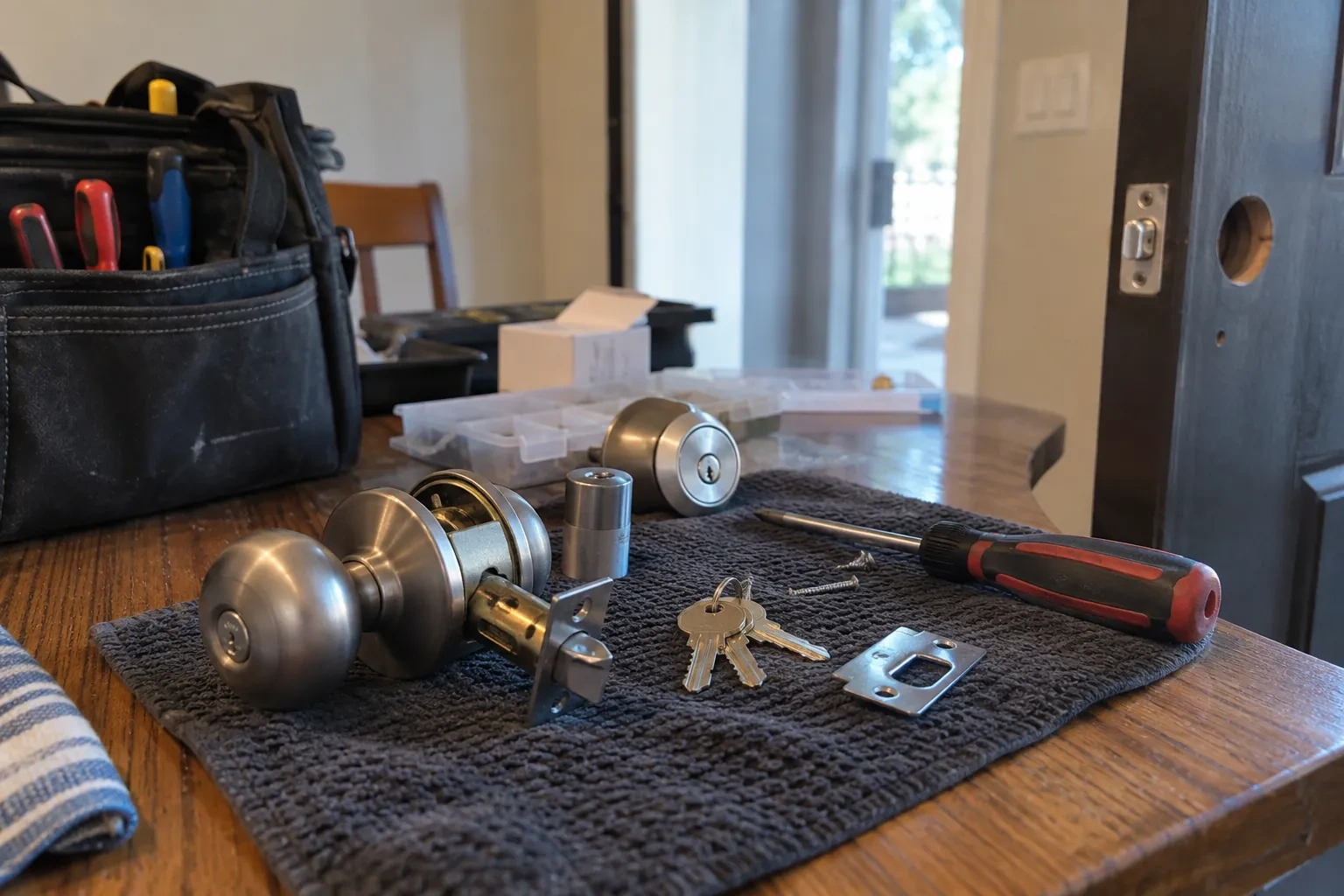
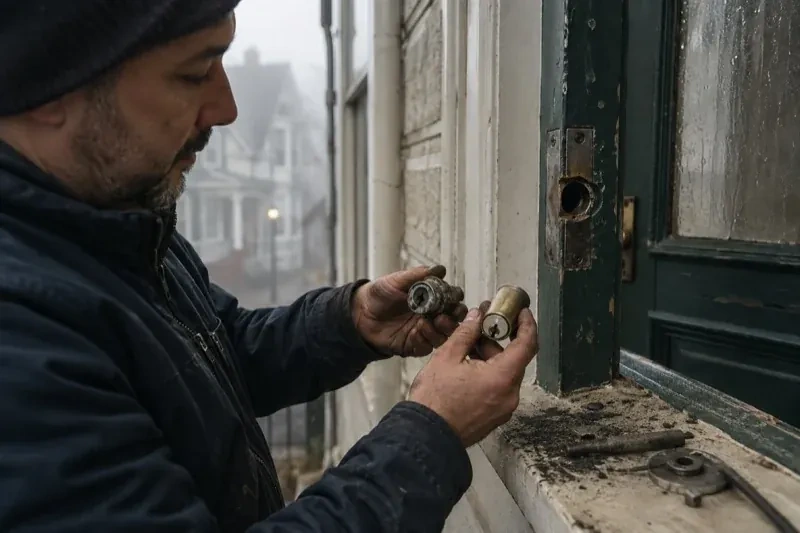
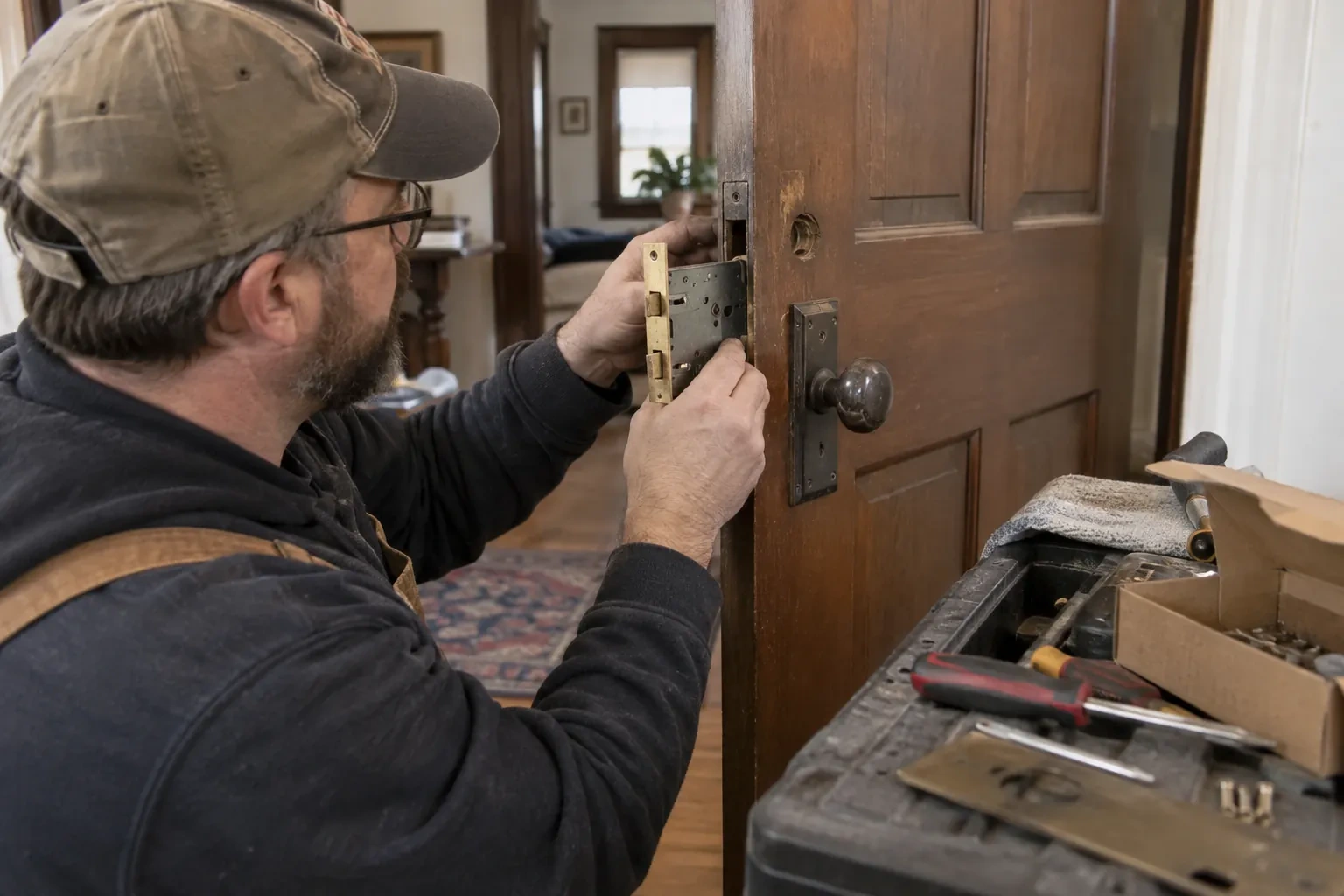
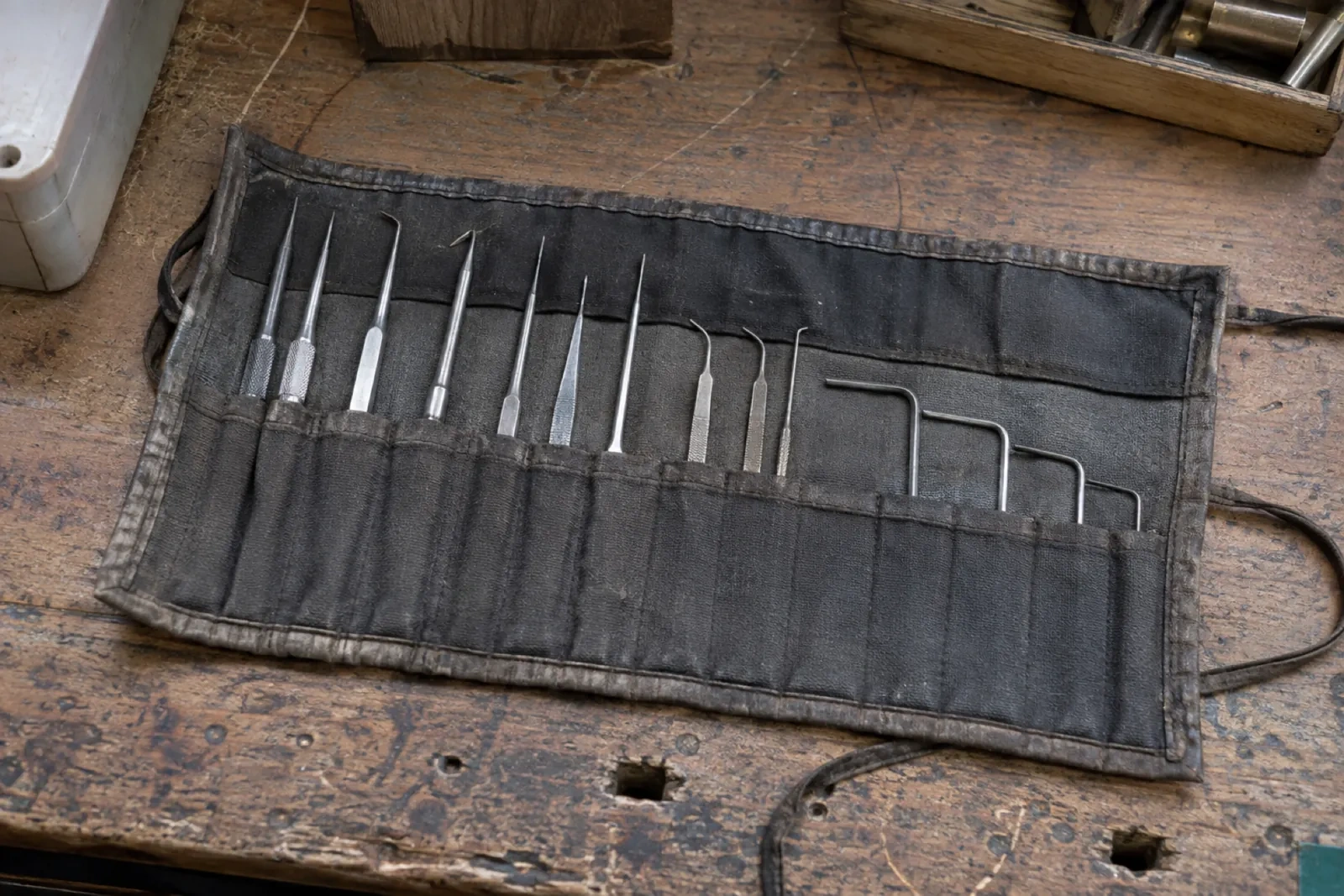
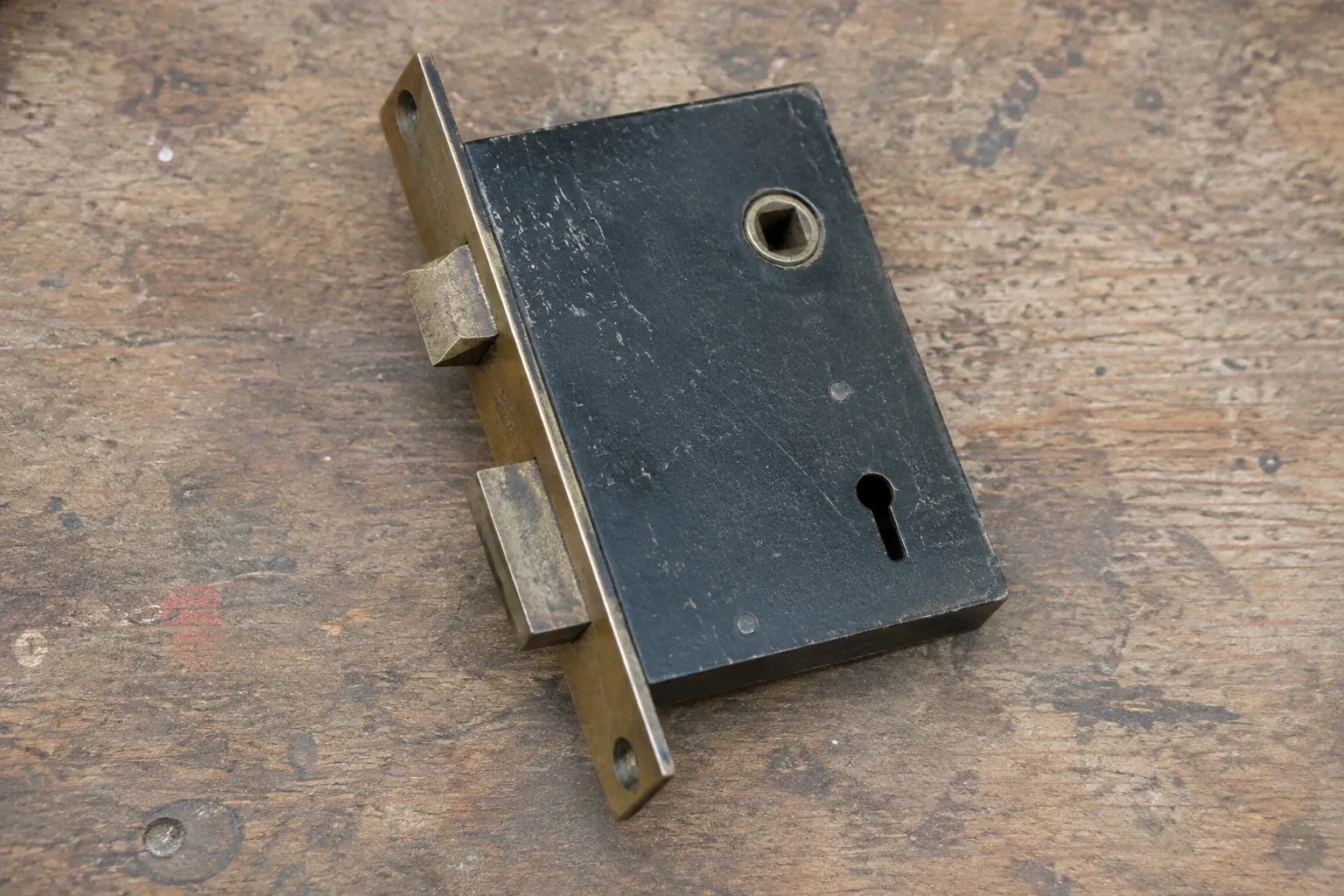
Glass knobs, ornate escutcheons and mortise cases that have turned for generations deserve a locksmith who knows them. In Phillipsburg we clean, rebuild and re-spring old mechanisms, cut keys for locks that no longer have one, and match period-appropriate parts so the door keeps its face. This page also covers Berlett's Corners, Lisbon and New Prussia.
Glass knobs, ornate escutcheons and mortise cases that have turned for generations deserve a locksmith who knows them. In Phillipsburg we clean, rebuild and re-spring old mechanisms, cut keys for locks that no longer have one, and match period-appropriate parts so the door keeps its face. This page also covers Berlett's Corners, Lisbon and New Prussia.
Plain talk, tidy work.
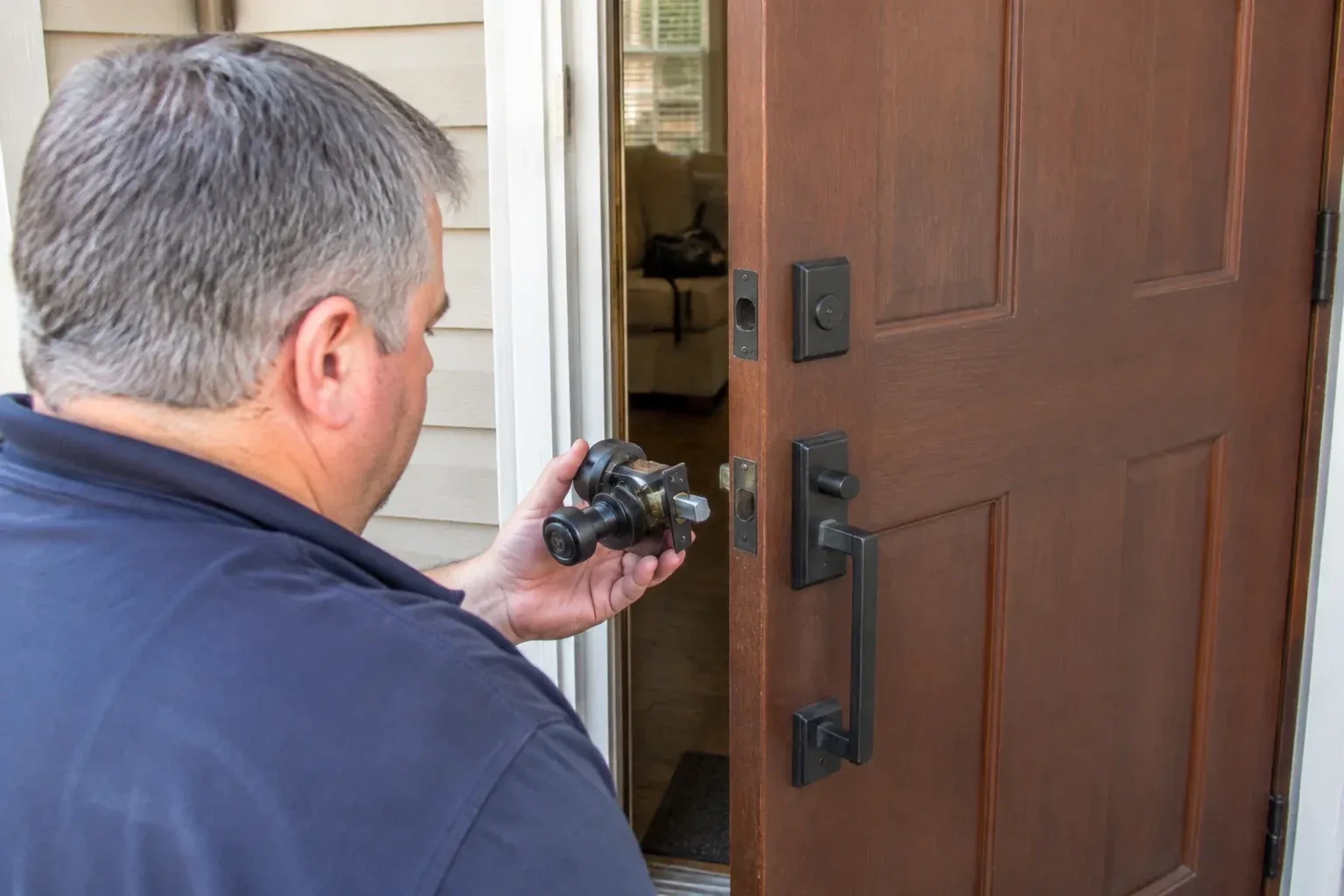
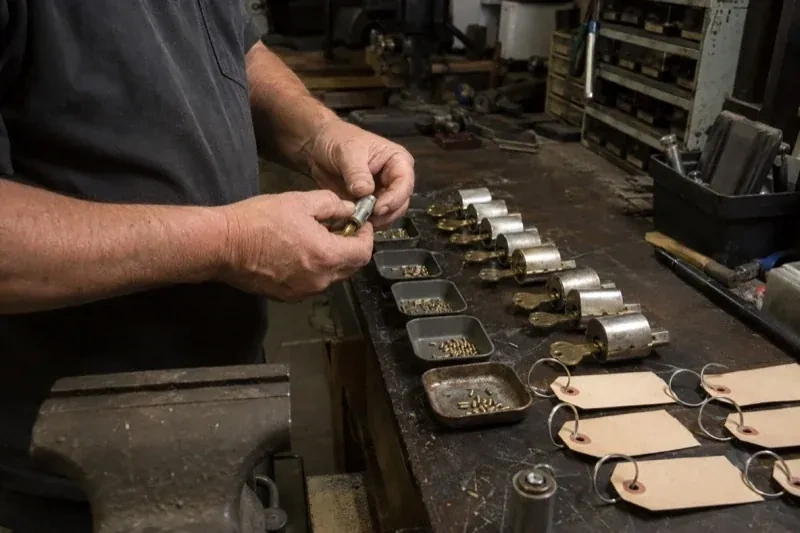
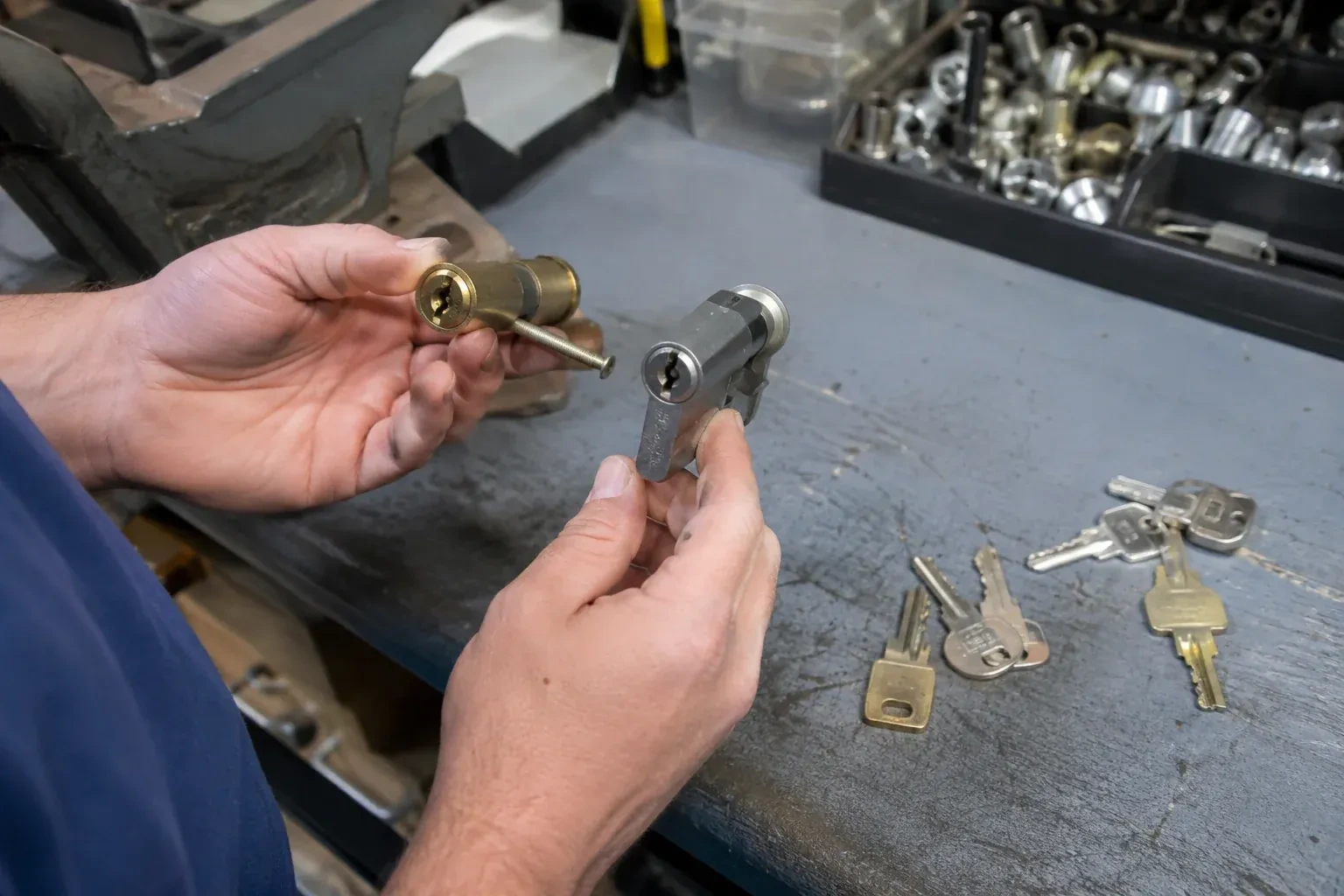
Our default for doors in Phillipsburg is to repair before replacing. A deadbolt that grinds usually needs its strike moved, not a new lock. A cylinder that fights the key often wants fresh pins and a clean. We say so, even when a replacement would be the easier sale, and when replacement really is right we explain why and show you the options in your hand.
Century homes, post-war bungalows and new subdivisions in Phillipsburg all end up asking the same question about their doors: is this lock enough? We answer it door by door, fitting graded deadbolts, patented cylinders and strikes screwed into the framing where they are needed, and leaving the doors that are already sound alone. Ownership is confirmed first, and the work is done without a mark on the trim.
11years in business
24/7open every day
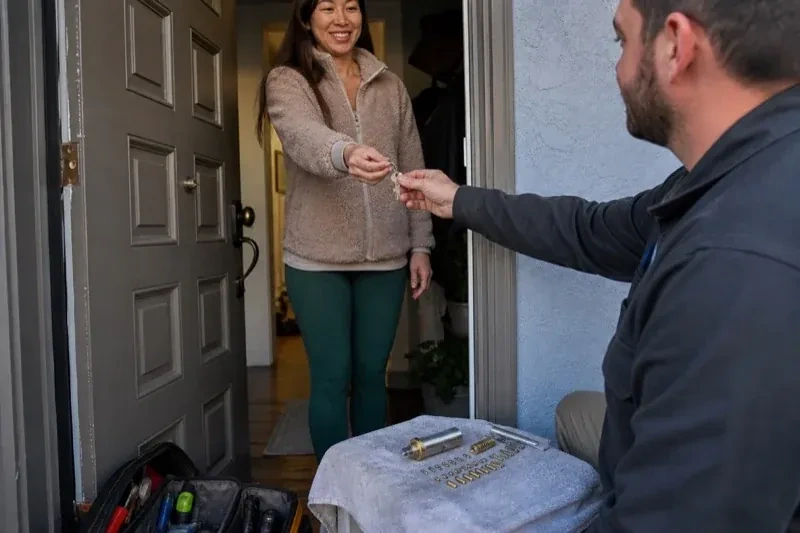
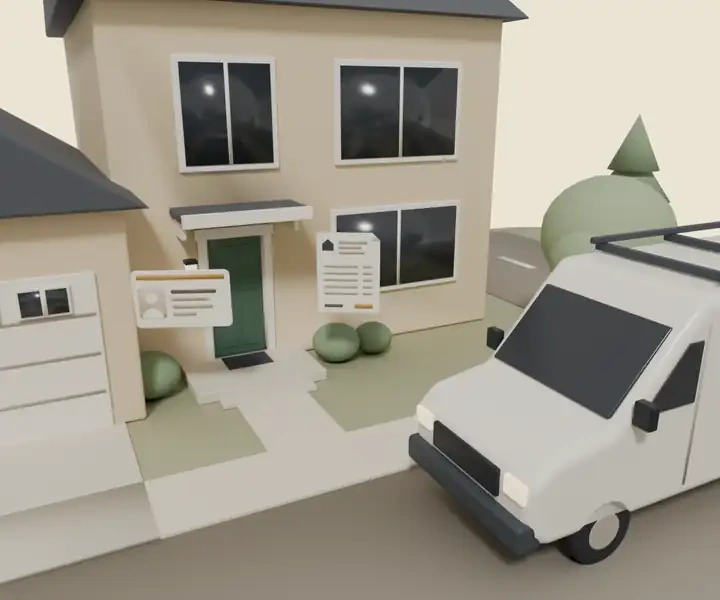
Identity checked, politely. For openings and key work we confirm you have the right to be there. We explain why we ask, and we ask everyone.
Work you can watch. There is nothing hidden about what we do. Stand beside us, ask questions, and we will show you what the lock looks like inside.
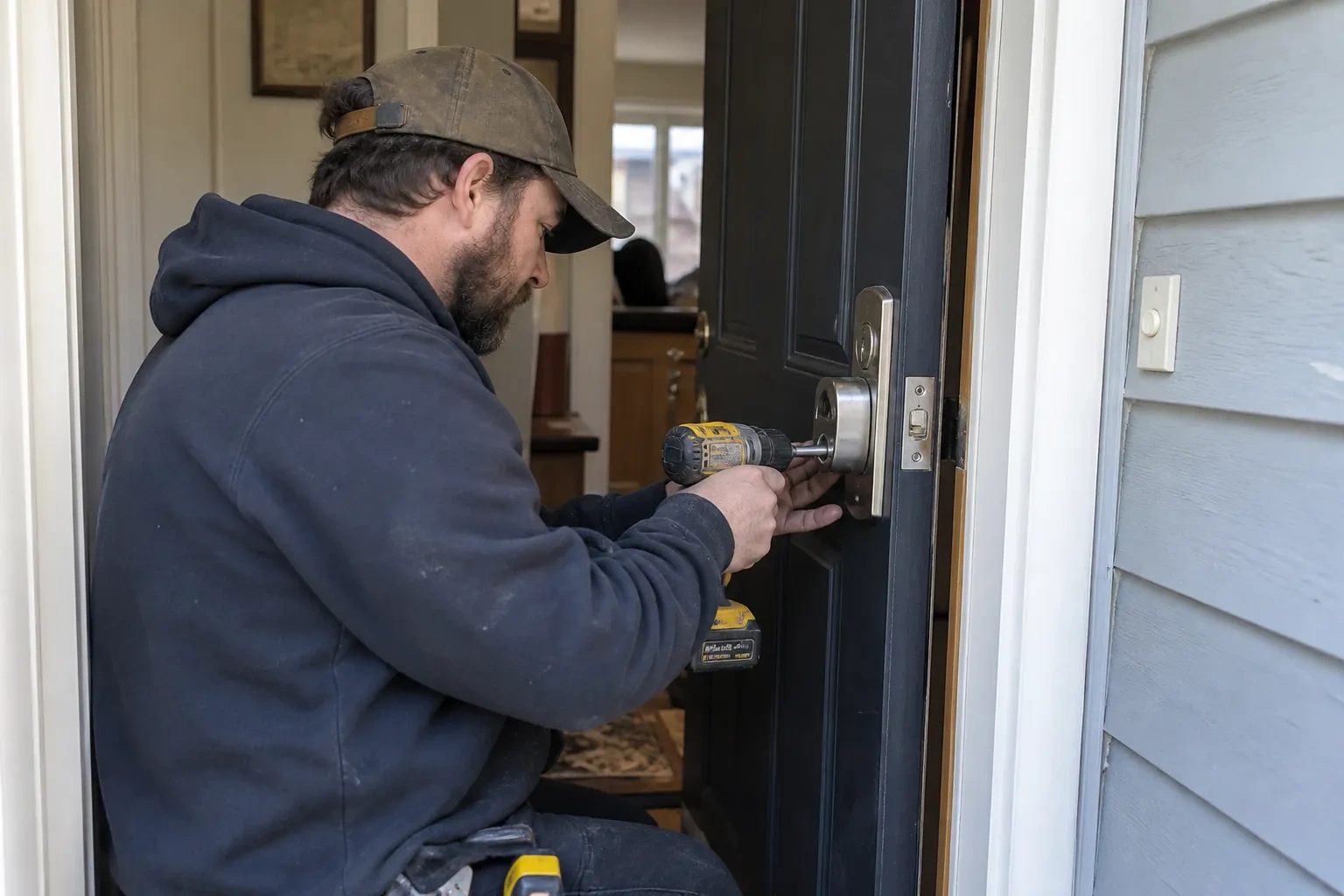
Clean hands, clean floor. We put down a mat where there is drilling, wipe the hardware down and leave the area as we found it, only with a working lock.
Doors in Phillipsburg are opened, rekeyed, repaired, reinforced and replaced by the same small team, so you can pick one service today and add another later without explaining the house all over again. Start with the page that matches your door; the rest of the list will still be here.
About 41% of homes in Wilmot were built in 1980 or earlier, according to the 2021 Census.
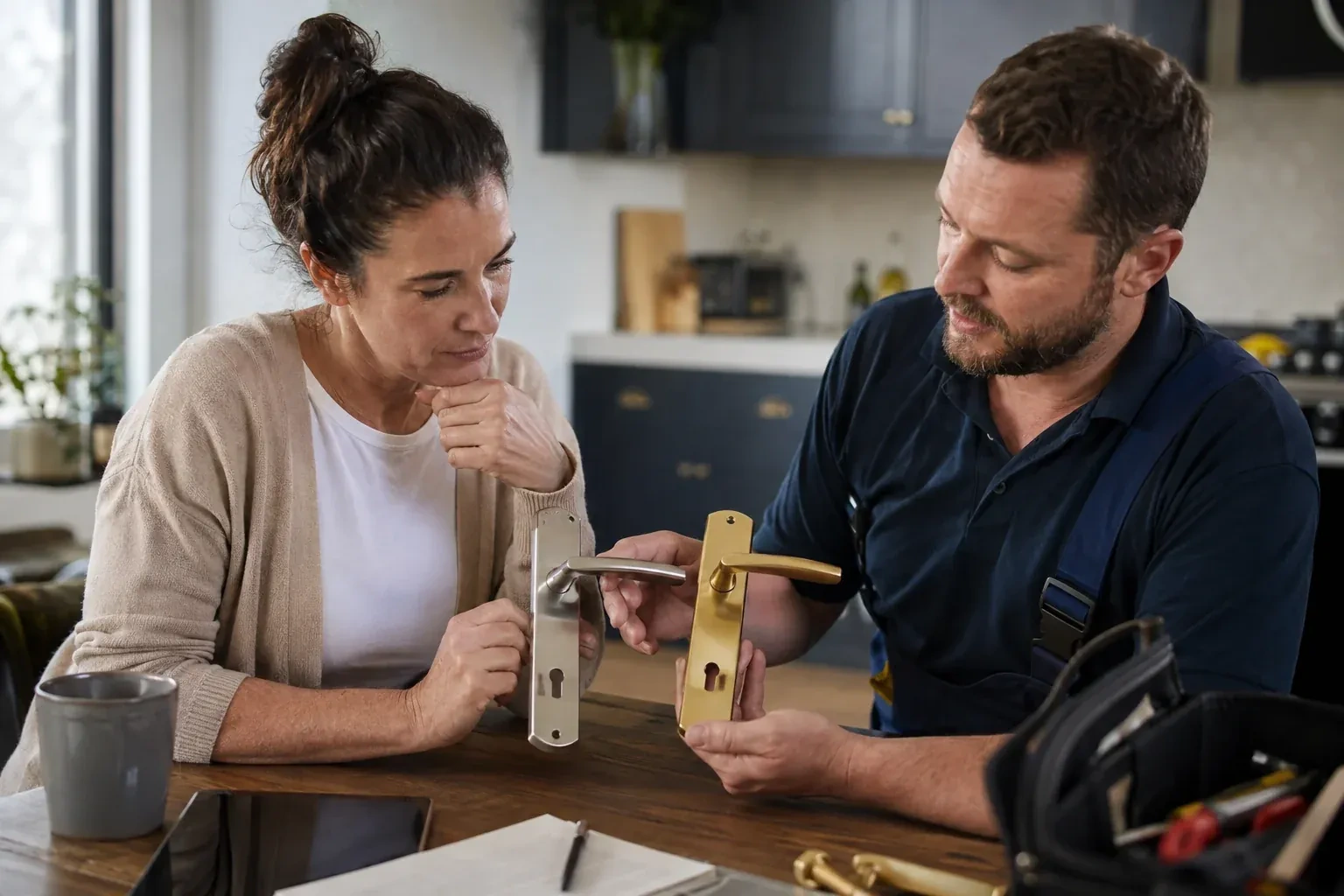
In neighbourhoods with a mix of older and newer homes, the finishes on the doors vary widely: aged brass, satin nickel, matte black. A locksmith serving such an area keeps a range of finishes so replacement hardware suits each house.
Single-detached houses make up about 79% of homes in Wilmot (2021 Census).
Mostly houses
A house has its own front door and its own frame, with nothing shared. That means the homeowner decides everything: the cylinder grade, the strike, the finish, whether to add a smart lock. The locksmith lays out the options and the household picks.
The moving truck has left, half the boxes are inside, and the single key the previous owner handed over turns the knob but not the deadbolt. Someone locked it on the way out, and nobody has a key that fits it.
It is the coldest morning of the winter and the key goes halfway into the side door and stops. There is frost on the face of the cylinder, and the door on the shaded side of the house has done this before.
The keys fell out of a gym bag somewhere between the arena and the parking lot. The ring has a tag from the building with the unit number on it. Whoever finds it has an address and a key that fits.
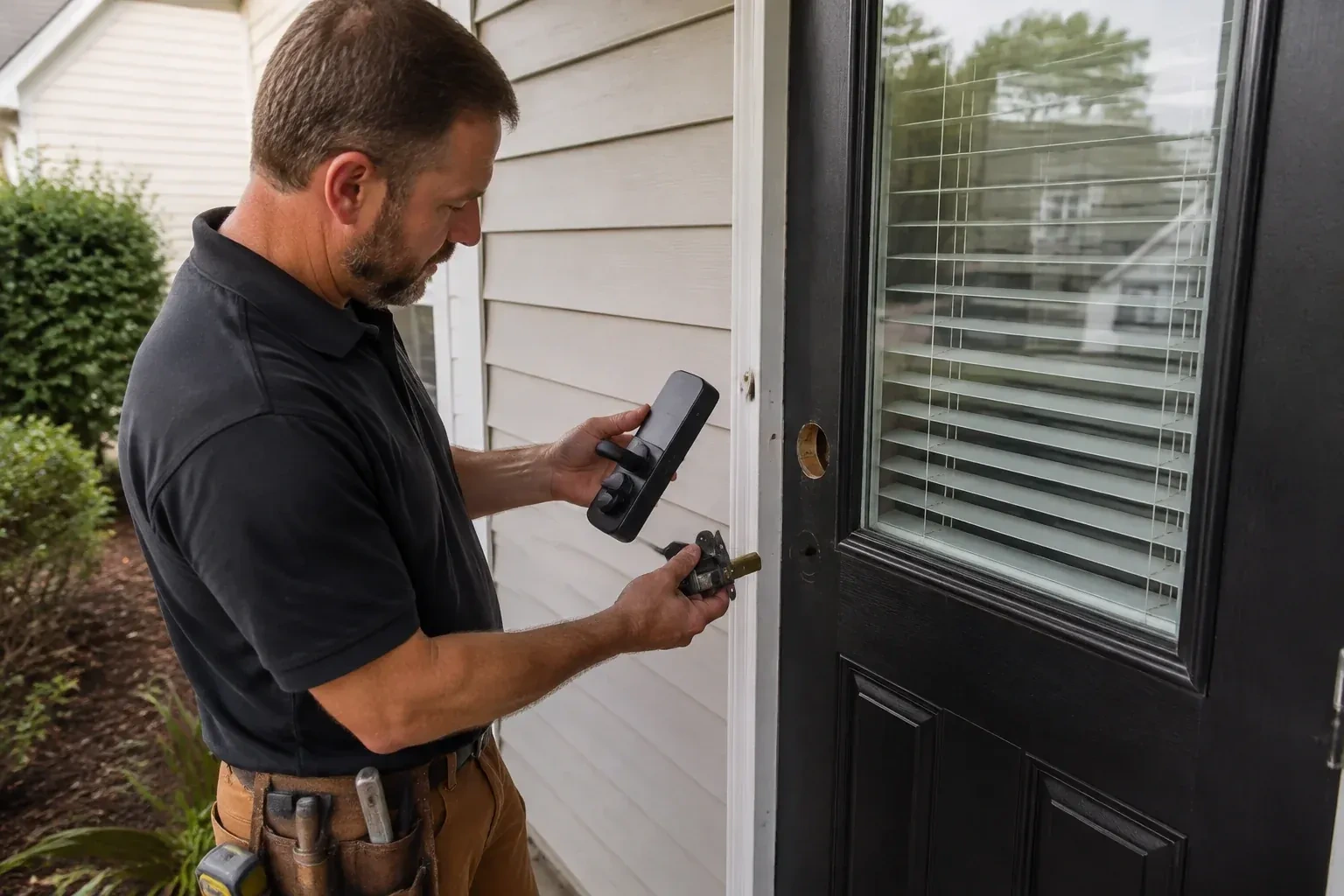
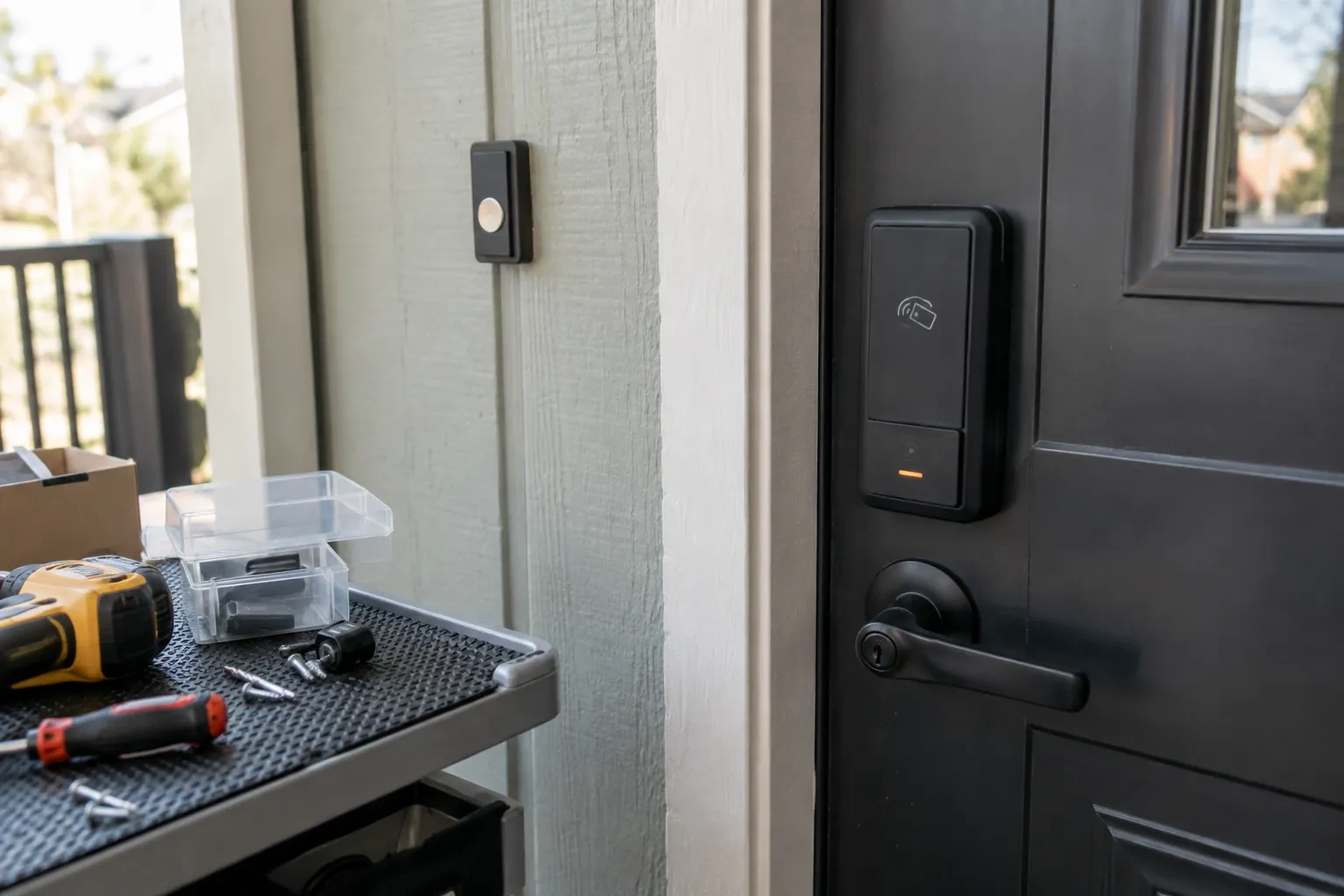
Arthritis has made the small house key hard to grip and turn, especially with gloves on in January. Pressing a few buttons, or tapping a fob against the lock, would make coming home in winter far easier.
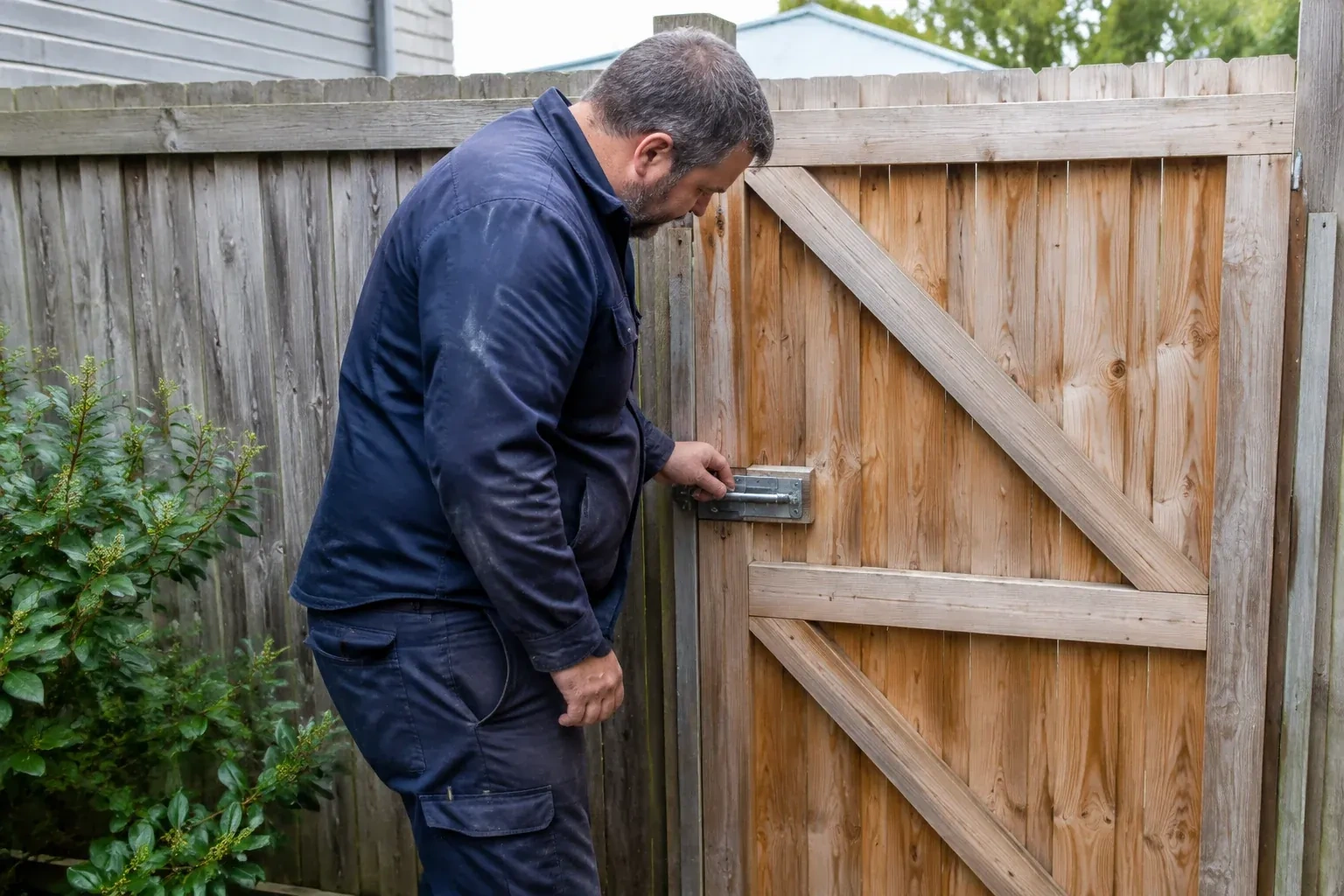
The gate to the side yard used to close with a satisfying click. After a winter of frost heaving the fence post, the latch now sits a full inch below where the strike is waiting for it, and the gate swings free no matter how hard it is pulled shut.
The office has been reshuffled twice since the locks were last touched. Reception can open the server room, the warehouse crew has a key to accounting, and the chart that once explained who could open what has not been seen since the move.
A self-storage operator wants the office, the tenant gate and the equipment shed on three different levels of access for staff, but every lock on the property currently answers to the same handful of interchangeable keys handed out over the years.
It is a January morning, minus twenty with the wind, and the key will not enter the door cylinder. Yesterday's slush ran into the keyhole and froze overnight. The door itself is glued to its rubber seal, and the fob has gone quiet in the cold.
A car sits at the cottage all season, and the only key to it lives on a ring three hours away in the city. Every visit begins with the same small worry about whether that ring made it into the right bag.
The pharmacy's drop safe has a keypad that finally lost power for good, and the little override key that was supposed to live behind the counter cannot be found anywhere.
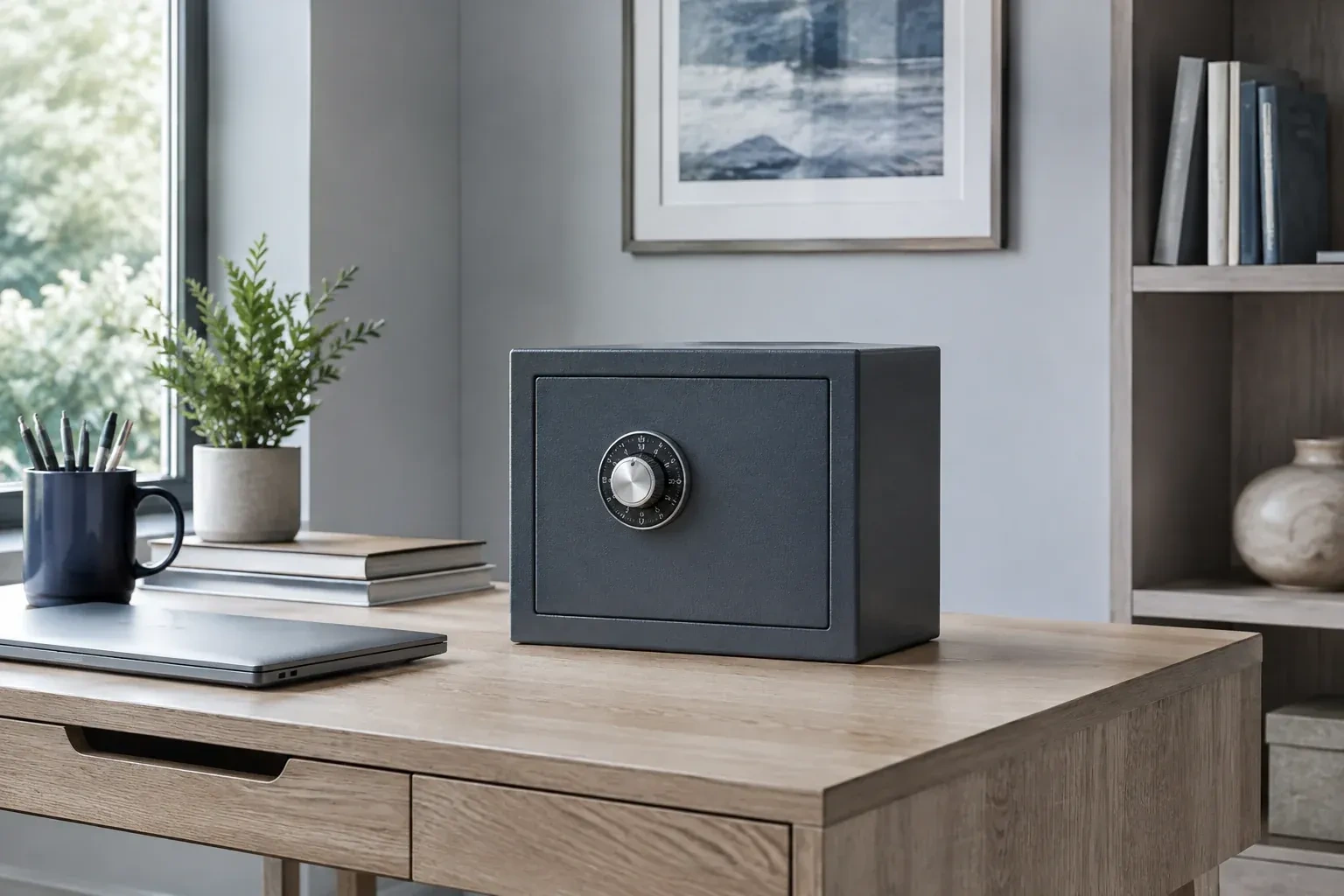
The accountant's office keeps a decade of client files in cardboard boxes because the only safe in the building is a small drawer safe meant for a laptop, nowhere near large enough for binders of paper.
Which fix fits?
The moving truck has left, half the boxes are inside, and the single key the previous owner handed over turns the knob but not the deadbolt.
WhyA smart lock fitted by a locksmith keeps a way in that works when the battery or network fails, a mechanical key on many models or an external battery contact on key-free ones.
The gate to the side yard used to close with a satisfying click.
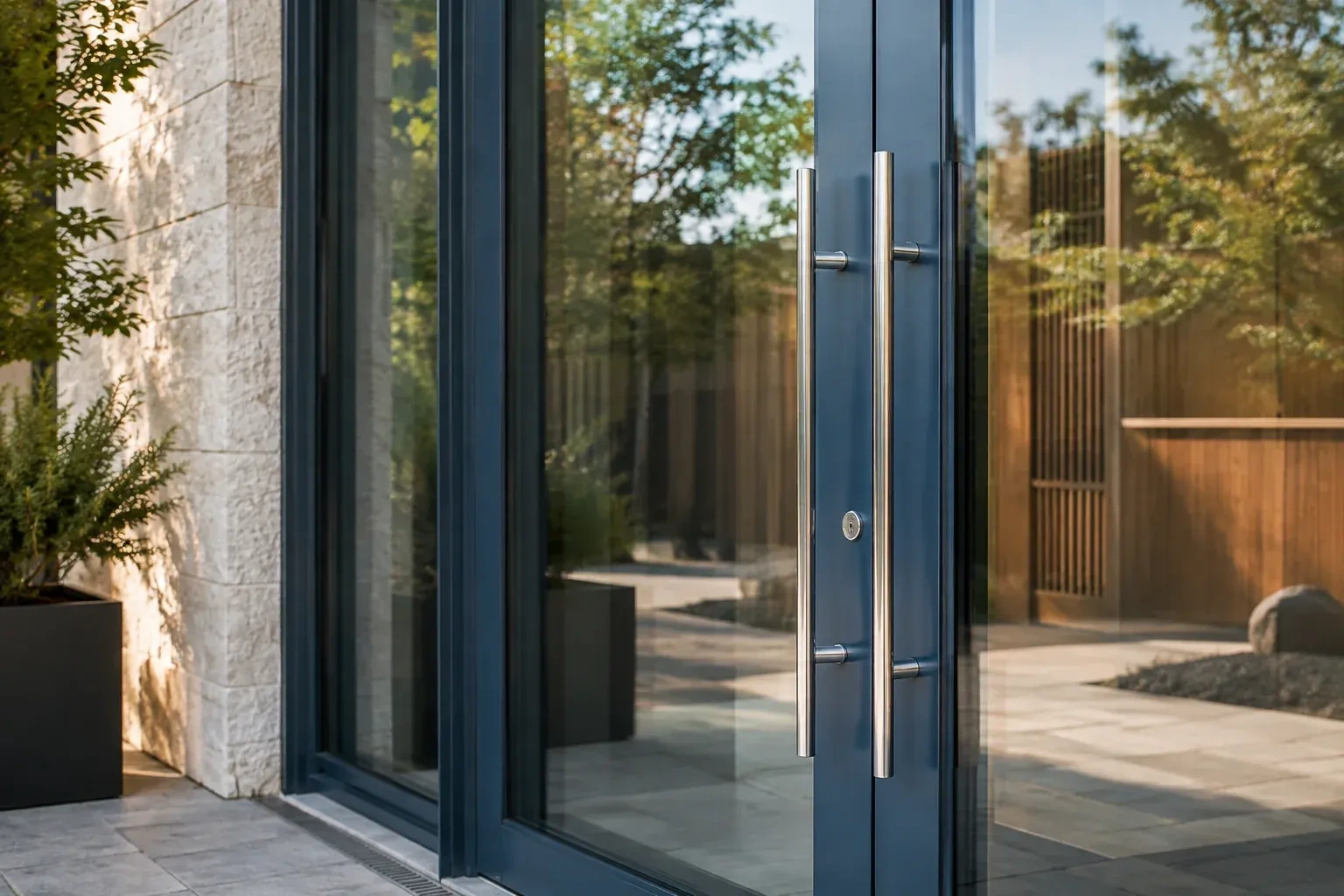
WhyGate & Building Entry Locks brings a property's outdoor gate hardware and its shared entrance into one visit, rather than treating the latch and the door's physical fit as separate problems.
The office has been reshuffled twice since the locks were last touched.
WhyChanging the locks answers today's question; key control keeps it answered.
A self-storage operator wants the office, the tenant gate and the equipment shed on three different levels of access for staff, but every lock on the property currently answers to the same handful of interchangeable keys handed out over the years.
WhyMany commercial properties end up with keys copied from other keys over years of staff changes, until nobody can say with confidence what a given key actually opens.
It is a January morning, minus twenty with the wind, and the key will not enter the door cylinder.
WhyA vehicle that arrives with only one working key is a common situation after a private sale or an estate transfer, and it is one of the more straightforward calls a locksmith takes.
How a visit goes
Describe the property, the hardware and what has changed, and the visit starts from what you have seen.
1
2
3
01
Listening to the door's history
Has it been forced, does it drag, who has had keys? Those answers tell us whether the frame, the cylinder or the key list needs attention first.
02
Reinforcing what takes the blow
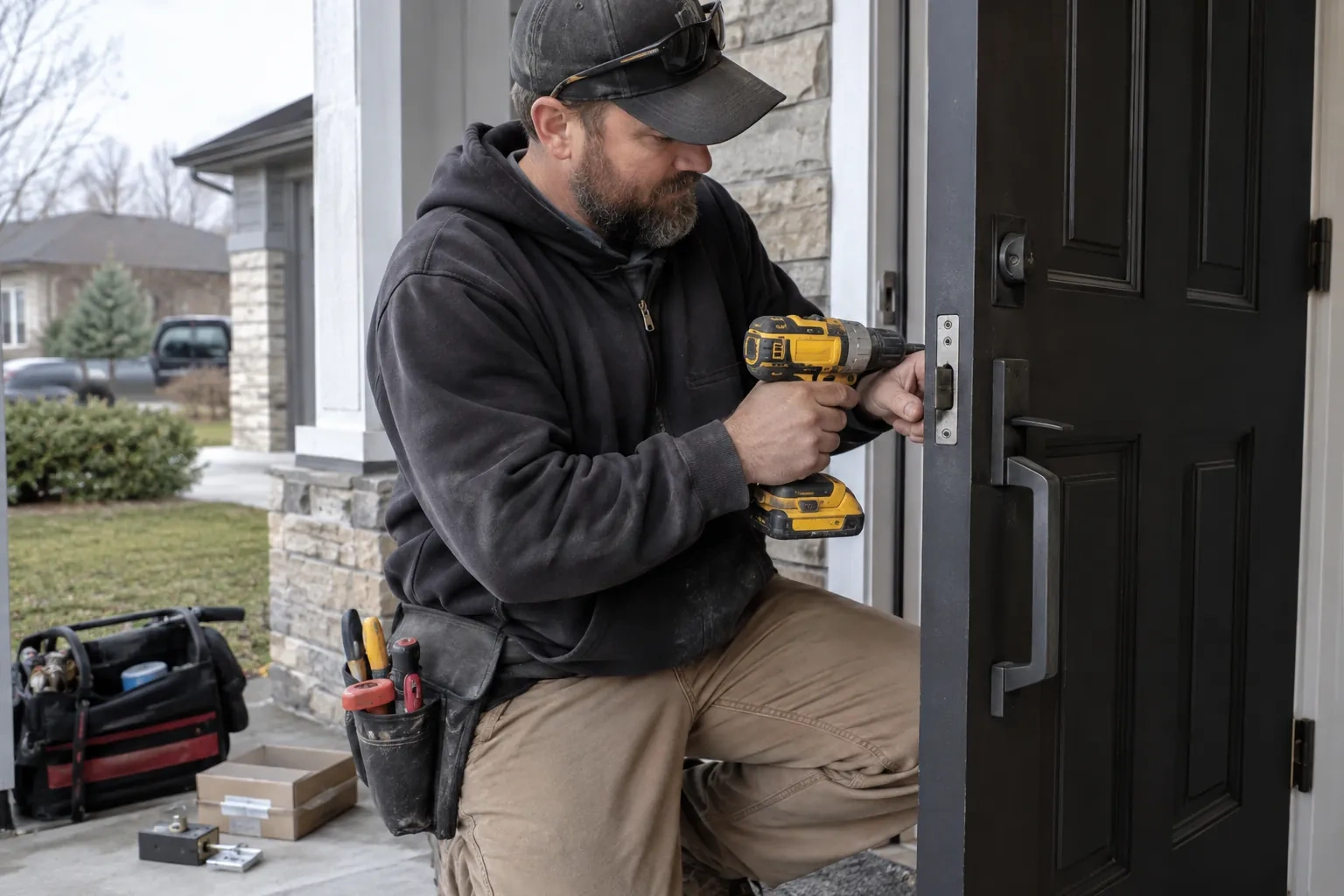
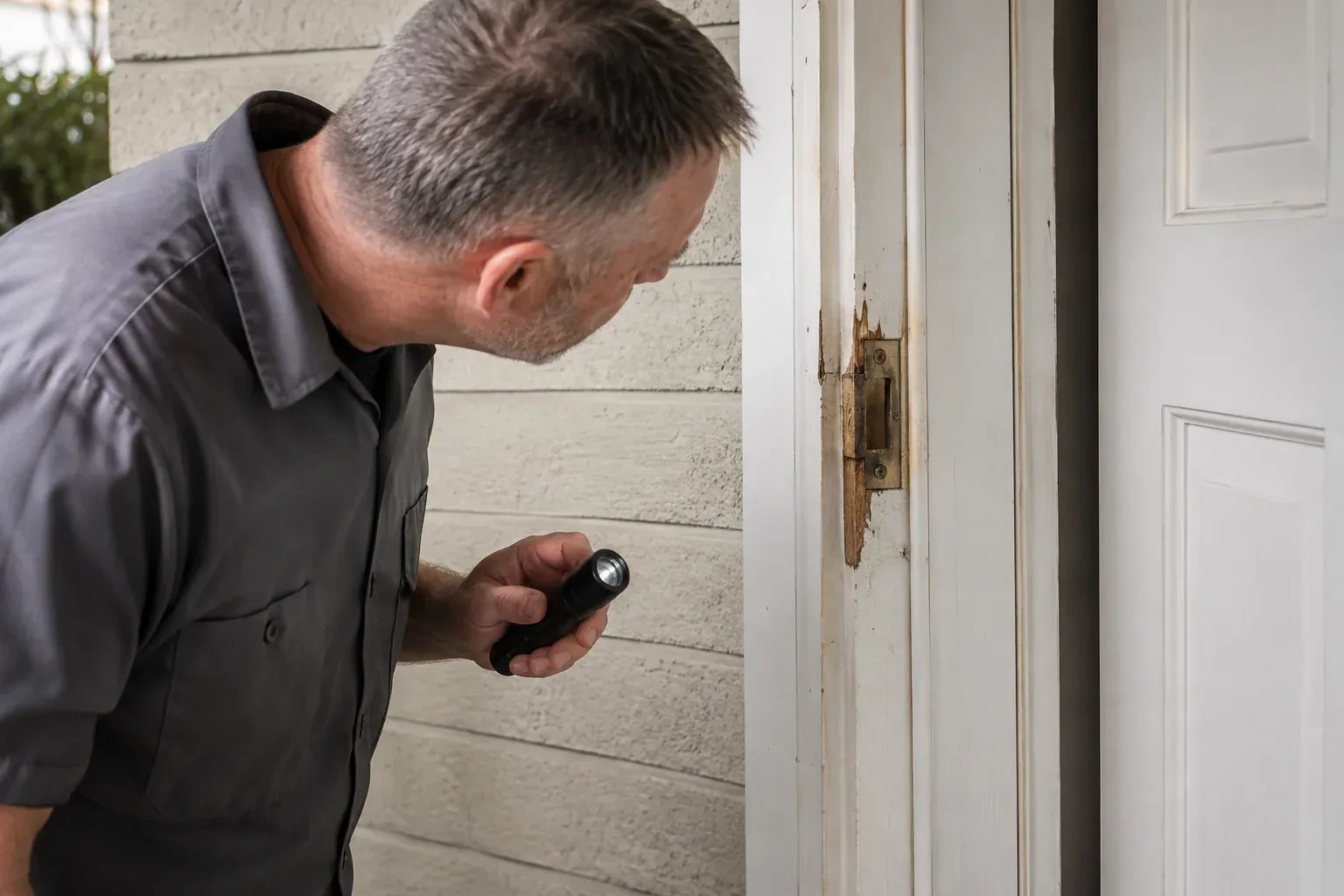
A box strike and three-inch screws into the studs, long hinge screws, and filled holes where the wood has split, before any cylinder is changed.
03
Testing every key in every lock
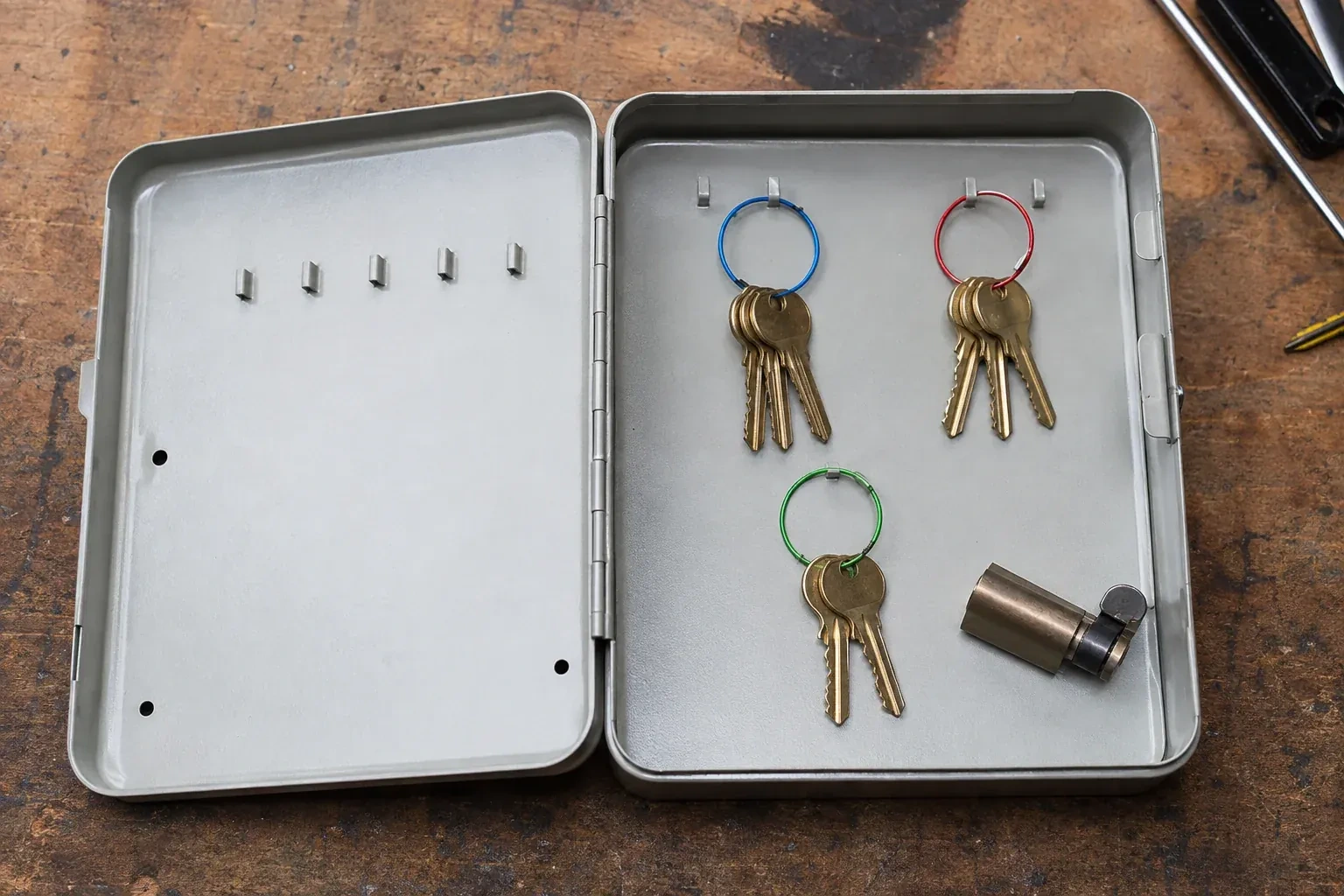
Doors open, doors closed, both sides, then a push on the locked door to feel for play. We finish by writing down what was fitted.
What if my wallet and every document are locked inside?
That is the most common version of a lockout, and there is a routine for it. Tell the locksmith on the phone so the plan is agreed before arrival. Often a neighbour can confirm you live there, a digital copy of a lease or bill is on your phone, or a property manager can vouch for you. Where none of that is available, the locksmith opens the door and completes the identification check with the documents inside before leaving.
Will I need a whole new lock?
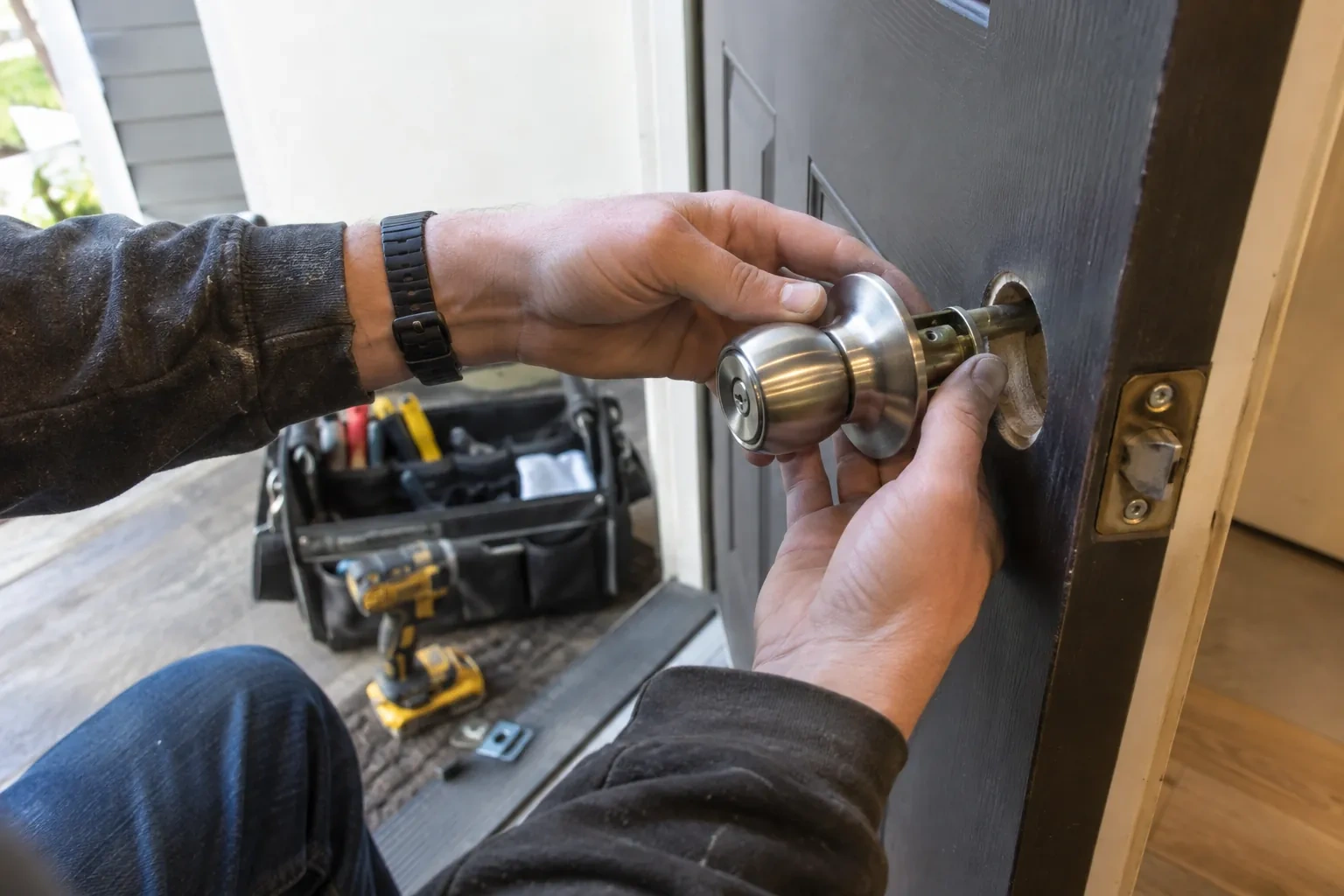
Usually not. Most jammed locks are saved by cleaning the cylinder, fitting a small part such as a tailpiece or spring, or adjusting the door so the bolt has room. A new cylinder is fitted when the plug or shell is corroded through or twisted by forcing, matched to your finish and, where possible, pinned to your current key. A complete new lockset is usually a choice you make rather than a requirement, though some internal failures cannot be serviced in place and call for a full replacement.
What should I do before the locksmith arrives?
Walk the property and note every door the missing key opened, including the garage, shed and gate. Gather any keys you still have, since a working key helps in reading each cylinder. Have identification and, for tenants, something showing the tenancy. Decide roughly how many keys you want and whether you would like all doors on one key. If a garage remote or building fob was lost too, mention it when you book.
Does the lock still work if the internet goes down?
Yes for the things that matter at the door. Codes, fobs, fingerprints and the key talk to the lock directly, and schedules stored in the lock carry on, so you get in and out normally through a router reboot or an outage. What pauses is remote control from far away and the alerts, which return when the connection does. The locksmith will name exactly which features on your model need the network so there are no surprises.
What actually happens during a gate or building entry lock visit?
The locksmith first watches the gate or door move and checks the hardware fitted to it, then works out whether the issue sits in the lock, the closer, the hinges or the alignment of the frame itself. Whatever combination is found, the relevant piece is adjusted, rekeyed or replaced, and the whole assembly is cycled repeatedly afterward to confirm it closes, latches and locks the same way every time. Any keys involved are cut and tested before the visit is considered complete.
How long should we set aside for a commercial rekey?
It depends on the count and the mix. A shop with a front door, a back door and a stockroom is a short visit; an office suite with a dozen lever sets, a master key plan and a mailbox takes a good part of a day. Interchangeable cores are the shortest of all, since they are swapped rather than repinned on site. The locksmith gives a time estimate at the assessment, once every cylinder has been counted.
What does key control actually mean?
It means knowing, at any time, how many keys exist for a given door or level, who holds each one, and how a new copy would be authorized. A master key system supports key control by design, since keys are marked by role, logged by serial, and cut only against the chart, rather than copied informally whenever someone asks for one.
I have lost my only key. Can a locksmith make a new one at the roadside?
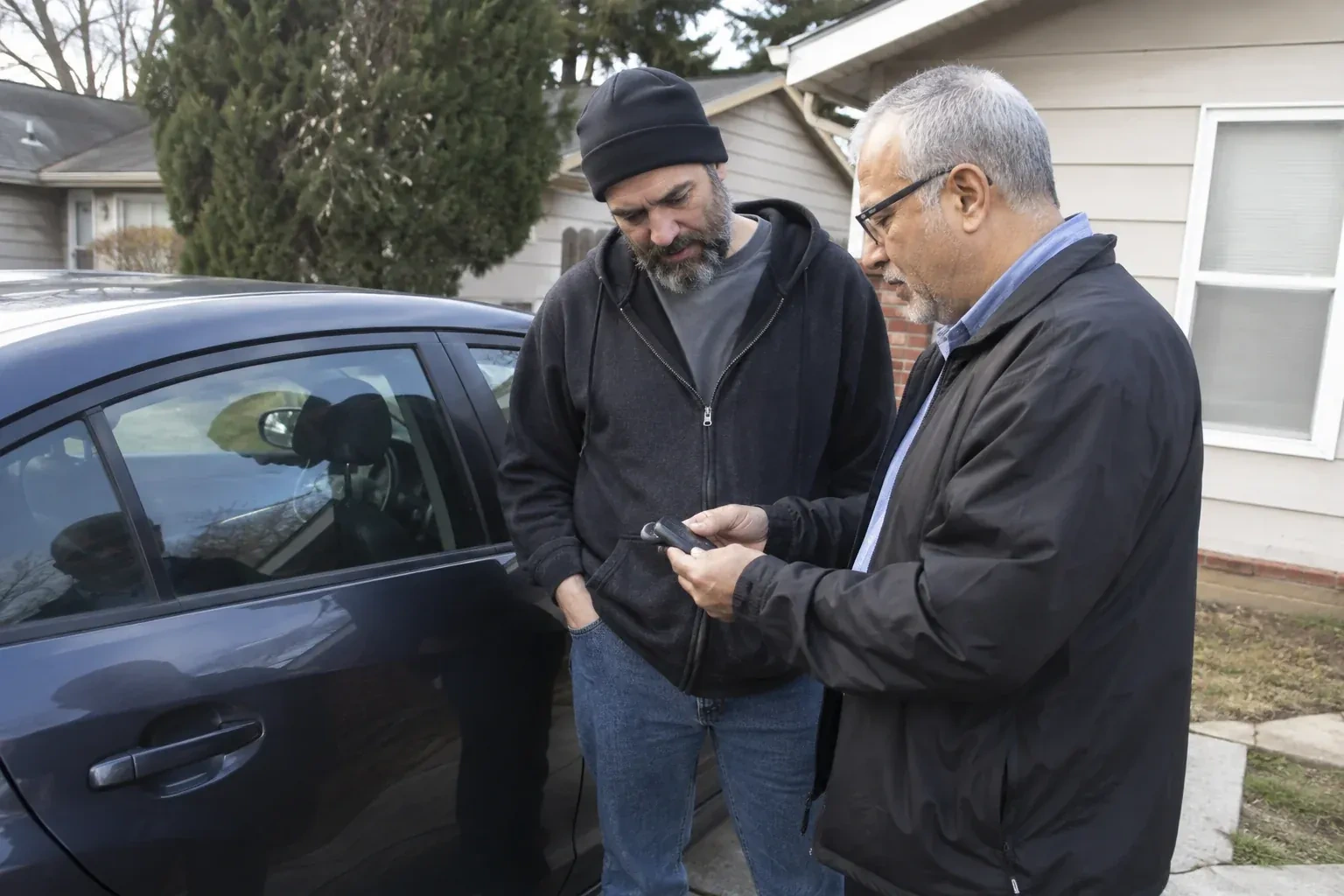
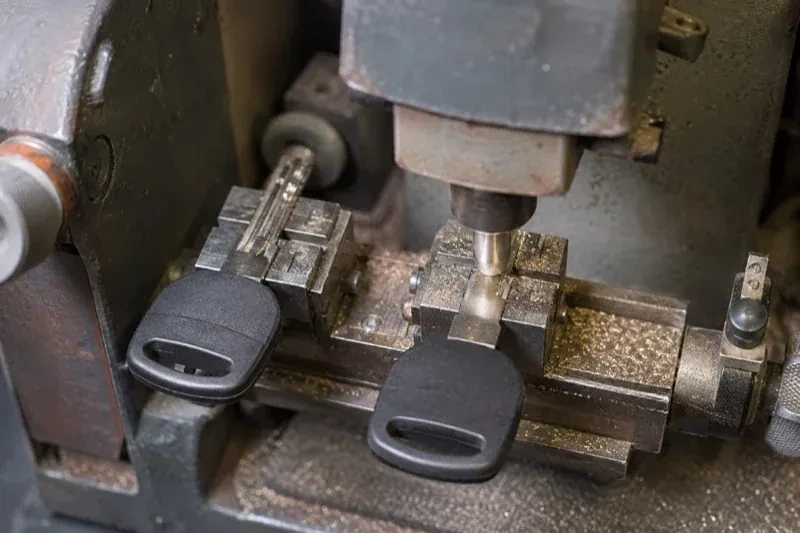
For most cars, yes. After the car is opened, the door cylinder is decoded to read the cuts, or the key code is drawn from the vehicle records against your proof of ownership, and a blade is cut in the van. A transponder key or fob is then programmed through the diagnostic port so the engine will start. Some newer or high-security models need dealer-only parts; you are told that up front rather than after.
Does the new key need to be identical to the original?
Not necessarily. Most households want a spare that behaves exactly like the first key, and that is the default. Some prefer a simpler version for a particular driver, such as a mechanical key without remote buttons for a valet or a young driver. Either choice is a programming decision made at the start of the visit, and the resulting key is fully recognized by the vehicle either way.
Request a visit
Our default for doors in Phillipsburg is to repair before replacing. A deadbolt that grinds usually needs its strike moved, not a new lock. A cylinder that fights the key often wants fresh pins and a clean. We say so, even when a replacement would be the easier sale, and when replacement really is right we explain why and show you the options in your hand.