Commercial · Phillipsburg
Commercial Rekeying in Phillipsburg
A break-in overnight took the cash float and a staff member's bag with her work keys inside it.
In plain words
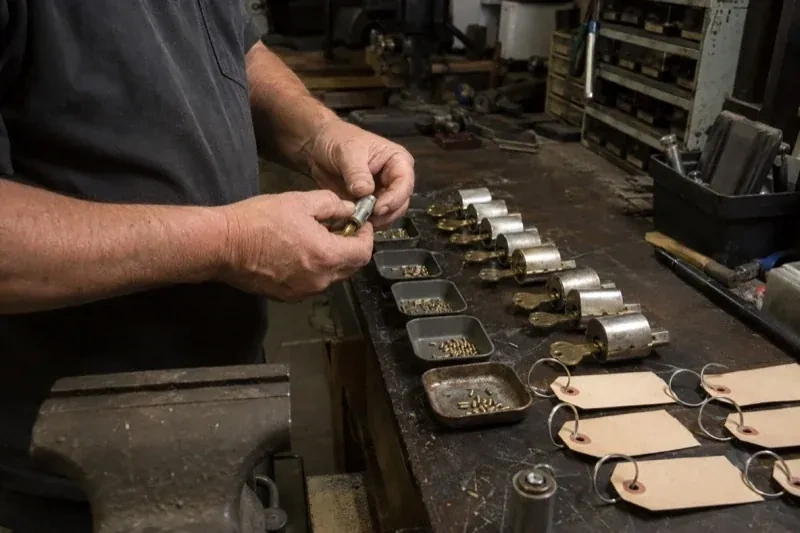
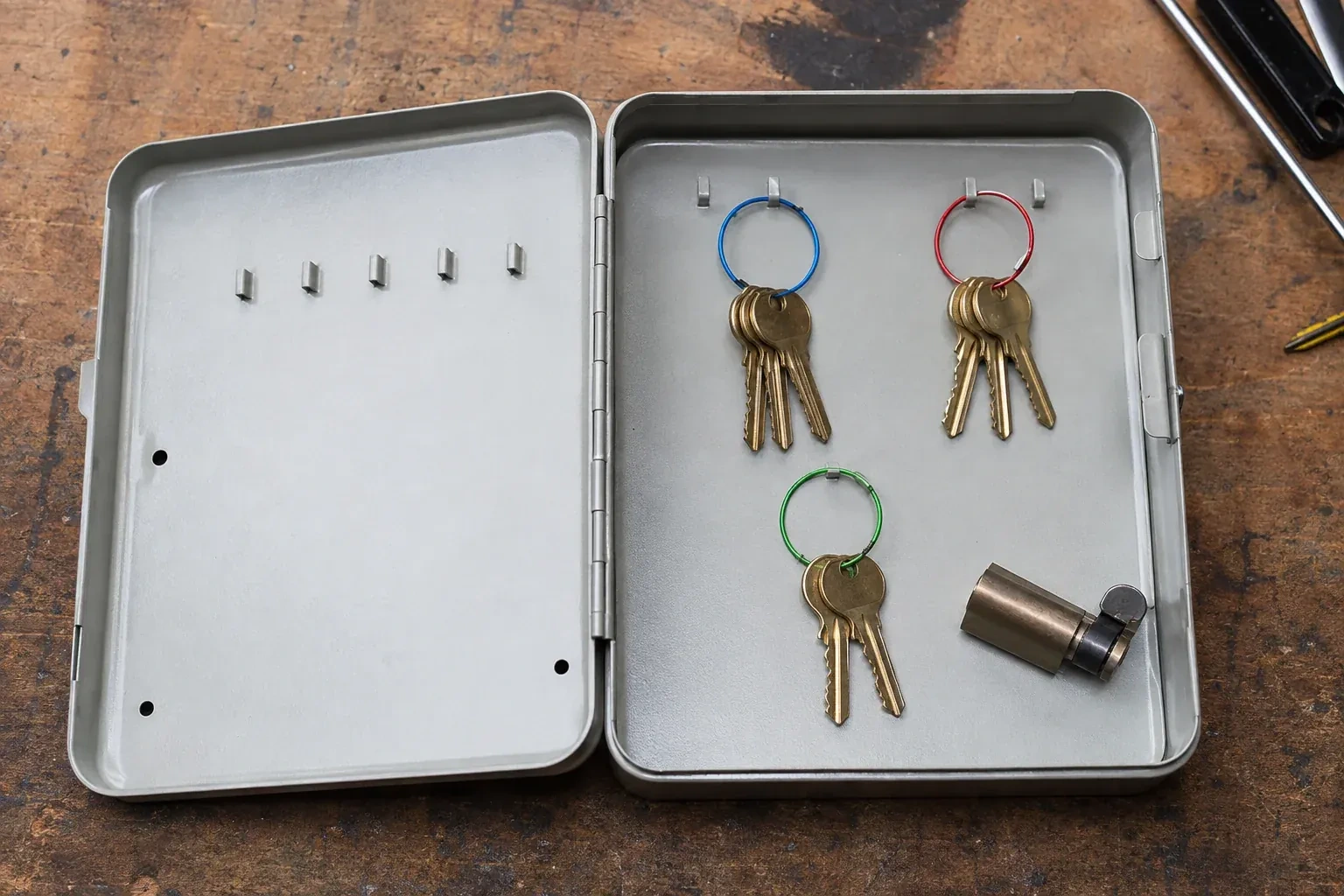
Changing the locks answers today's question; key control keeps it answered. During a commercial rekey the new keys are stamped with a serial code rather than the business name or address, so a dropped key tells its finder nothing. Each key is logged against the person who receives it, and the old keys are collected and cut up on the spot. For premises that want copies kept out of hardware stores, the cylinders can be set up on a restricted keyway, with blanks released only against a signed authorization. What you end up with is a set of locks whose keys you can account for years later.
How the visit goesThe office has been reshuffled twice since the locks were last touched. Reception can open the server room, the warehouse crew has a key to accounting, and the chart that once explained who could open what has not been seen since the move.
Commercial Rekeying
How the visit goes
Reading the keys that already exist
Before deciding anything new, it helps to understand the old. Gather every key the business can find, including the ones with faded tape labels, and the locksmith reads them against the cylinders on the walk. Some will turn out to be duplicates of each other, some will belong to hardware that was replaced years ago, and some may operate doors nobody expected them to. Hardware-store copies stand out by their blanks and by the way they wear. This reading shows how far the key count has drifted and whether an old master still exists, and it lets the new plan retire everything found in the drawer rather than only the keys anyone remembered.
Pinning the master and change keys
When the plan includes a master, each cylinder is pinned to accept two keys: its own change key and the master above it. Thin master pins sit in the pin stacks so the plug can turn at both the change key's height and the master's; master keying can also create extra, unintended combinations, so the locksmith charts the system to keep those from lining up with someone else's key, and the manager's key opens its whole group and nothing beyond it. A well-built system leaves unused combinations in reserve, so when the business adds a door or a department next year the new cylinder joins the plan without disturbing the keys already in people's pockets.
Adding a door without starting over
The pinning records kept from the visit mean the system can grow. When the business takes the unit next door, adds a storage cage or replaces a worn lever set, the new cylinder is pinned into an unused combination on the existing chart and handed a key from the right group, and nobody already carrying a key notices anything changed. That is the value of leaving reserve combinations in a master system rather than using them all up on day one. Keep the locksmith's reference number for the system with the chart, mention it when you call, and a single new door becomes a short visit instead of a fresh plan.
Commercial Rekeying
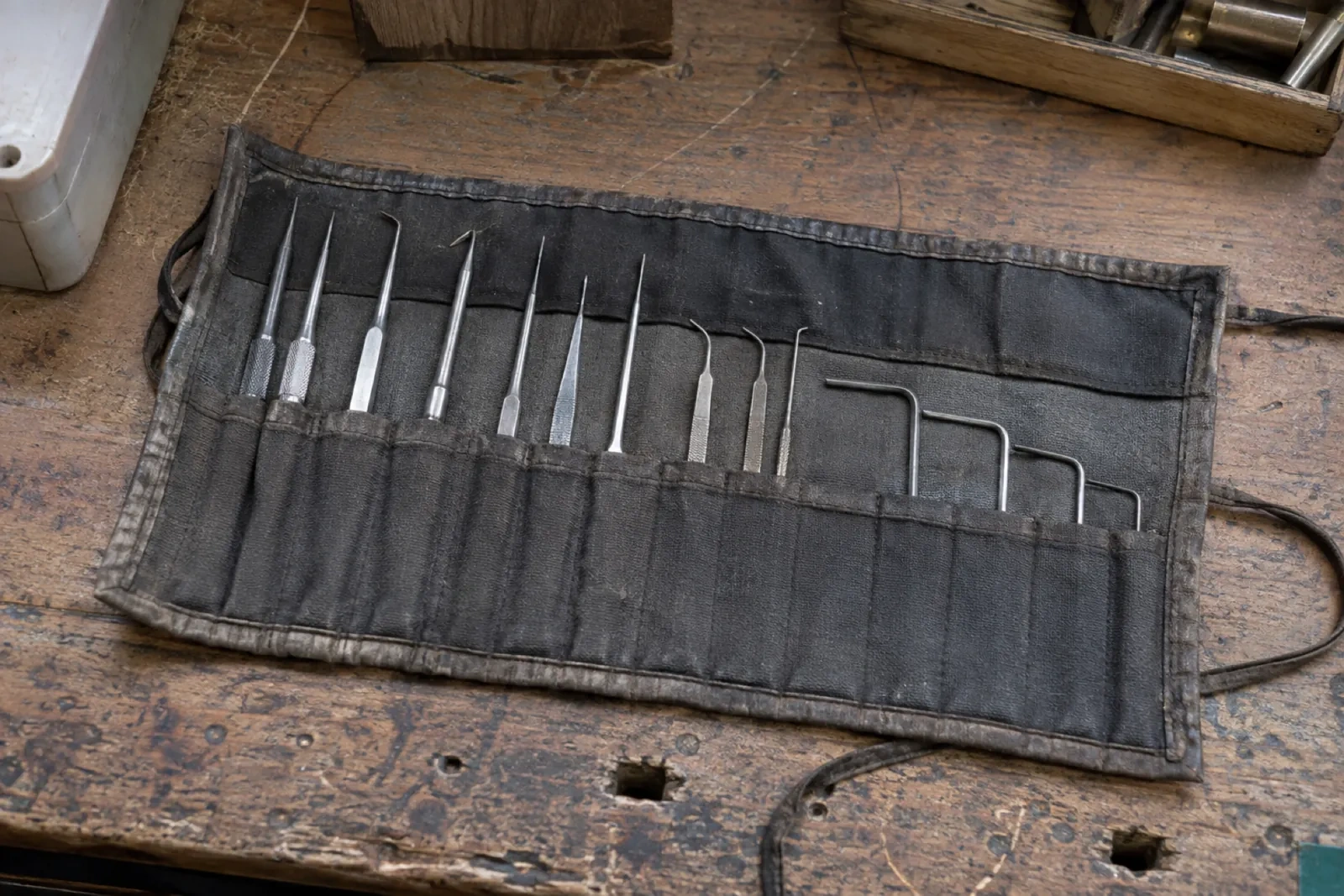
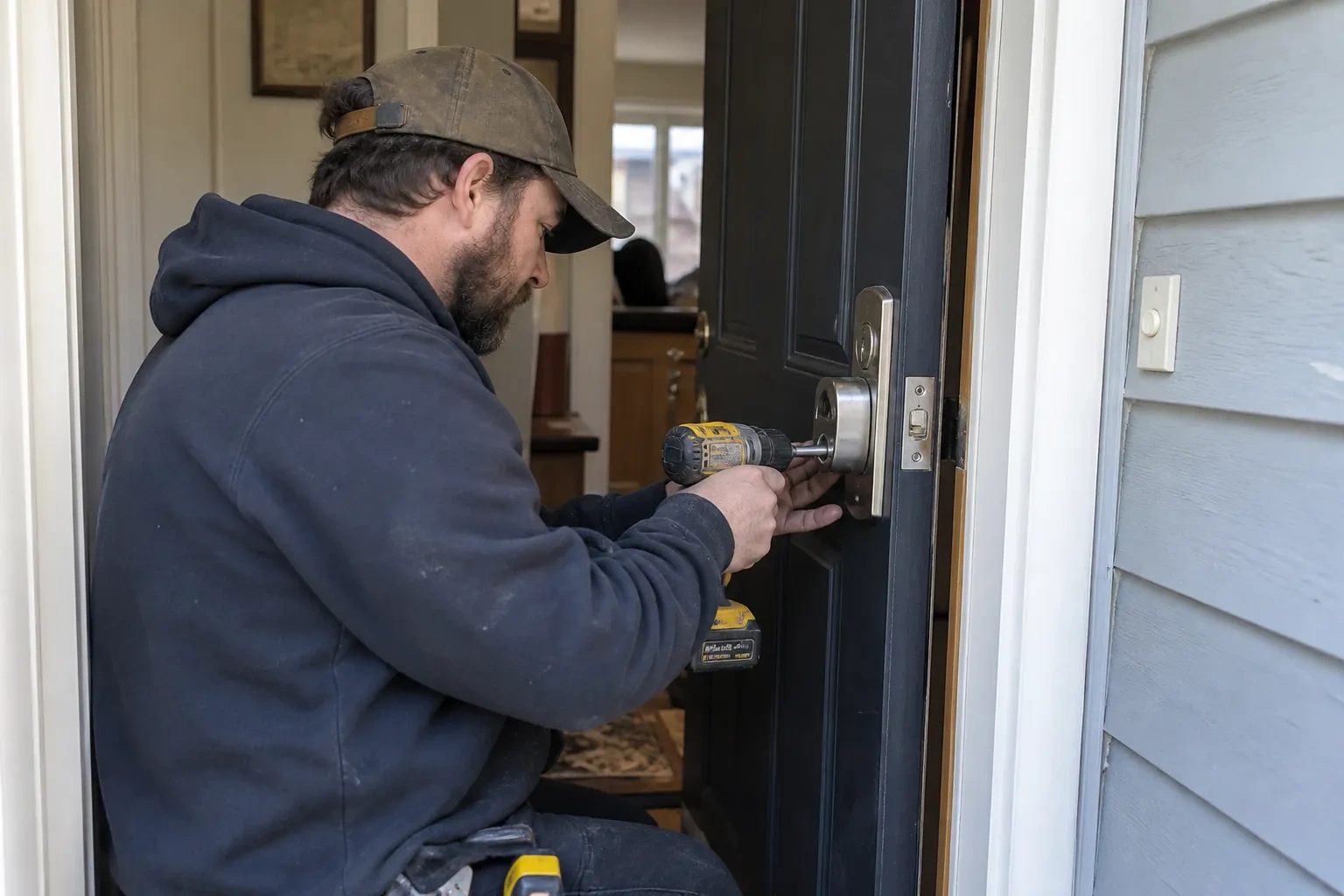
In the van
Plug follower
Code key machine
Key stamp set and tags
Standard and restricted key blanks
Rekeyable padlocks
Commercial Rekeying
What affects the quote
Padlocks, cabinets and mailboxes
Small locks add up. Each padlock repinned to the door key, each cabinet keyed alike and each mailbox cylinder replaced is listed on its own so you can decide what to include.
After-hours or split visits
Work done after closing, before opening or split across two visits to suit trading hours costs the same amount as a single daytime block. The exact figure is confirmed on site once the number of cylinders and the keying plan are known.
Documentation and register
A keying chart, a key register and stamped codes on every key are part of a proper commercial rekey, and the quote names the paperwork so it is never skipped.
What to have ready
- Which staff need to open which doors on a normal day?
- Which doors, if any, belong to the landlord or a shared corridor?
- How many keys do you need cut, and for whom?
Commercial Rekeying: questions
QuestionsHow often should a business change its keys as a matter of routine?
There is no fixed interval. Rekey on events rather than on a calendar: a key not returned, a lease change, a break-in, a renovation crew finished, or a key count that no longer matches the register. Businesses with a good register and a restricted keyway often go years between rekeys because nothing prompts one. A yearly check of the register against the keys on the hook is the habit that tells you when the time has come.
How long should we set aside for a commercial rekey?
It depends on the count and the mix. A shop with a front door, a back door and a stockroom is a short visit; an office suite with a dozen lever sets, a master key plan and a mailbox takes a good part of a day. Interchangeable cores are the shortest of all, since they are swapped rather than repinned on site. The locksmith gives a time estimate at the assessment, once every cylinder has been counted.
What happens with our fire exit doors and panic bars?
The outside cylinder on an exit door controls entry only, and it can be rekeyed like any other. The inside stays as it must: one push or one turn, no key, no special knowledge, on the exit door itself and on any door on the way to it. A locksmith will not add a keyed device to the inside of an exit, and will point out one if it already exists.
Related services
- Access Control InstallationHead office wants a record of who opens the branch and when, tied to an actual name rather than a shared code scrawled on a sticky note taped under the till.
- Panic & Exit HardwareThe fire inspector's note is blunt: the banquet hall's second exit still turns on a deadbolt, and the crowd it is rated to hold needs a door that opens under one motion, no key involved.
- Commercial-Grade Lock ReplacementA new tenant moved into the unit next door, and the property manager just found three different cylinders on three doors, none of them cut to the same key.