Lockouts · Wilmot
Business Lockout Service
It is ten to nine, three staff are on the sidewalk with their coffees, and the key that has opened the glass front door for six years will not turn.
In plain words
A locked business loses trading time, so the visit is arranged around getting people back to work. The locksmith opens the door first and settles the cause second: a snapped key is extracted and the cylinder checked, a lost key leads to rekeying while staff open up, a failed deadlatch spring is replaced before the door is trusted again. What matters as much as the opening is closing time. Every door worked on is locked and unlocked from both sides before the locksmith leaves, so the person doing the final walk-round that evening has no surprises and the premises are as secure as they were before.
How the visit goesThe manager who holds the only set of office keys is on a plane. The team is gathered in the corridor outside the suite, the landlord's office does not open for another hour, and the client meeting is at nine-thirty.
Business Lockout Service
How the visit goes
Every other opening on the premises
The front door is rarely the only lock a business relies on. The locksmith asks about the rear service door, the side door to the compactor, a roll-up shutter and its padlock, the gate on the compound, and interior doors that matter such as the cash office, the stockroom, the server closet and the staff washroom. Some of these may be on the same key as the front door and others on their own. Knowing the map before starting means the right cylinders are rekeyed together afterwards, a padlock is not forgotten, and a second door that could have been opened more gently is not overlooked while everyone stares at the first.
Opening an aluminium storefront door
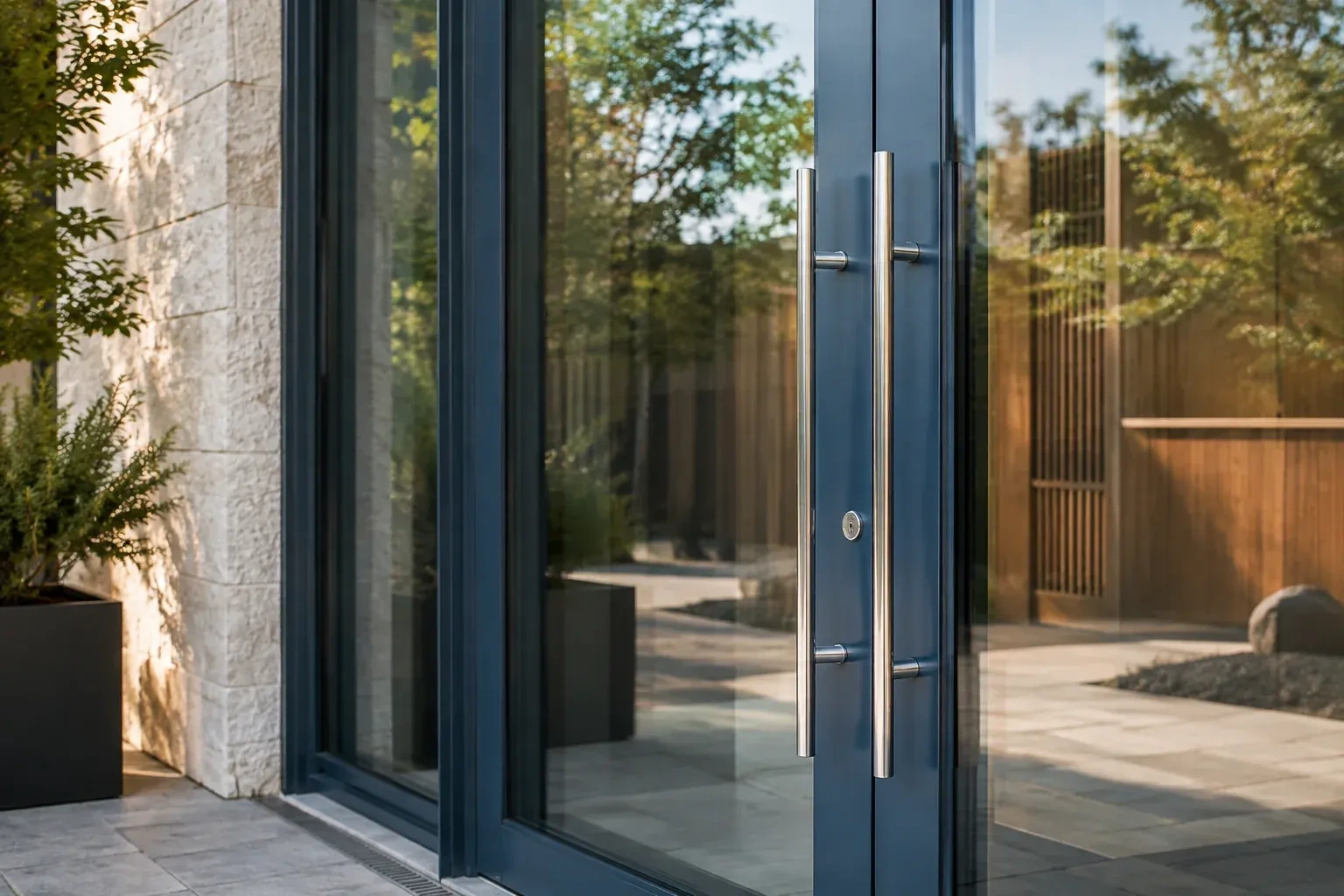
The narrow stile of a glass storefront door carries a mortise cylinder that turns a cam inside a slim lock case. The locksmith picks or decodes that cylinder, then works the cam through its full travel to draw the hookbolt out of the frame or lift the deadlatch. A hookbolt hangs into its strike and cannot be pushed back with a shim, so the cylinder is the honest route in. Once open, the cylinder's set screw and cam alignment are checked, because a cam that has slipped a few degrees is a common reason the key stopped working, and the paddle inside is tested so staff can leave through the same door without a key.
Exit doors that still let everyone out
Whatever was replaced, a door on the way out of the building still opens from inside with a single motion and no key while people are in it. That standard is why a storefront gets a thumb-turn or paddle inside, a rear door keeps its push bar, and a double-cylinder deadbolt does not go on an exit route. The locksmith checks each door for this before leaving and points out any older hardware, such as a chain or a keyed-inside bolt on a back door, that the business may want to bring into line.
Business Lockout Service
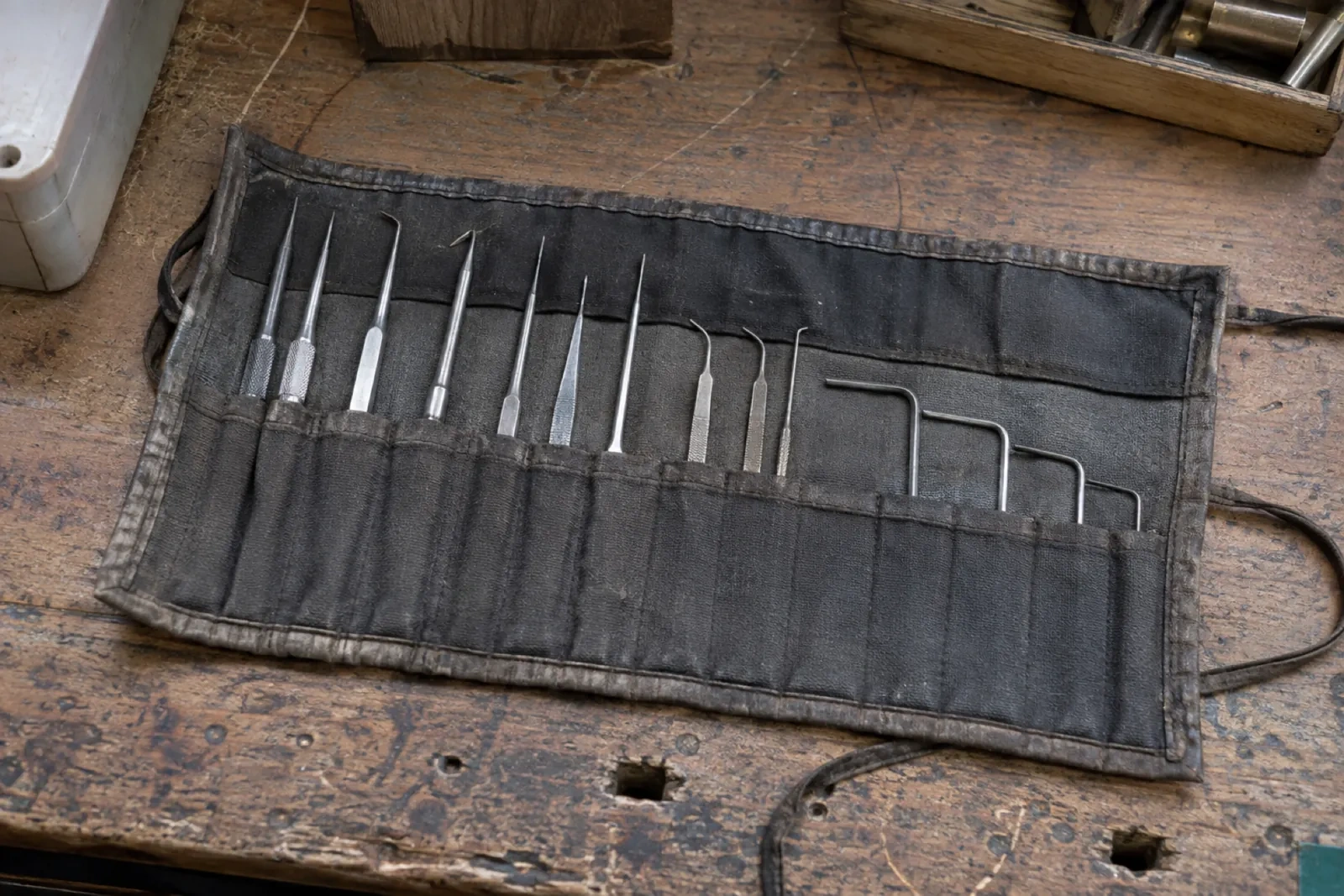
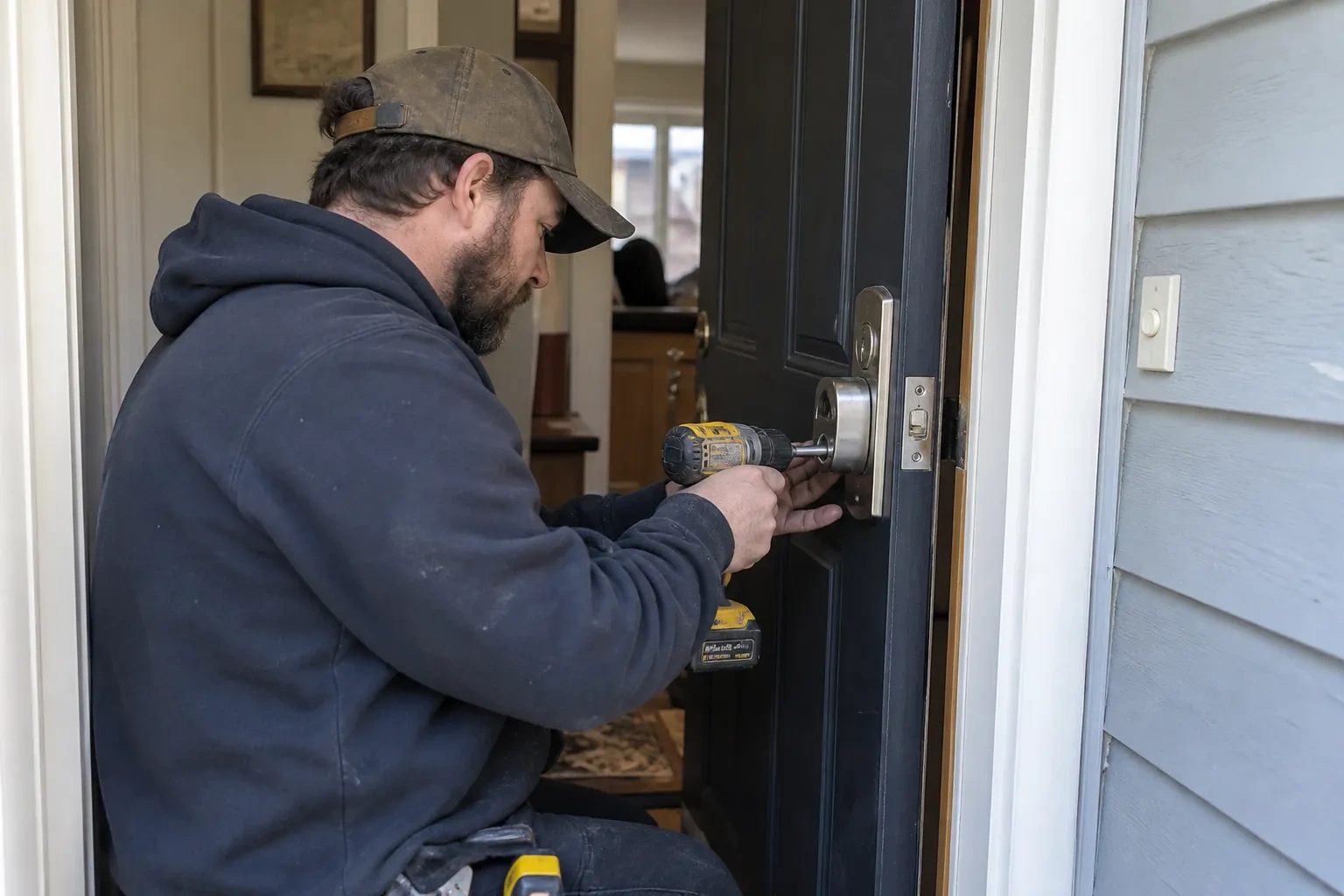
In the van
Replacement mortise and rim cylinders
Storefront deadlock and deadlatch bodies
Strikes, pivot shims and closer adjustment tools
Control keys and core-removal tools
Exit device trim cylinders and dogging keys
Business Lockout Service
What affects the quote
Padlocks, gates and interior doors
A shutter padlock, a compound gate and interior doors for the cash office, stockroom or server closet are lighter work than an exterior lock but each is its own line, and a padlock is often replaced rather than opened.
Upgrades you choose while the locksmith is there
Some businesses use the visit to move to a heavier storefront deadlock, a restricted keyway, interchangeable cores, a lockbox for keyholders or a reinforced strike. None of it is needed to get you open; each is priced as its own option.
Standard or high-security cylinder
Restricted keyways, security pins and patented cylinders take longer to open and cost more to replace, and their keys are cut from system records rather than copied at a counter.
What to have ready
- Are there other doors, a roll-up shutter, a gate or a padlock you also need opened?
- Is anyone able to reach the owner, head office or property manager to confirm the request?
- Has the door been dragging, scraping the threshold or failing to latch at closing recently?
Business Lockout Service: questions
QuestionsWe have just taken over a unit and have no keys for the old locks. Is that a lockout?
It is treated as one, with the same authority check: your new lease and identification settle it. The locksmith opens the previous occupant's locks, then rekeys or replaces them so keys still floating around from the last tenant stop working. It is also the moment to decide how the unit will be keyed: one key for every door, separate keys for the cash office and stockroom, or cores that suit a growing staff.
How long does a business lockout take?
It depends on the hardware and what else is wired to it. A standard storefront cylinder or office lever on a well-hung door is often a short job once authority is confirmed. A high-security cylinder, a frozen lock, a dropped door or a dead access controller adds time, and so does rekeying several doors afterwards. The locksmith gives you a realistic idea on the phone once you describe the door and the situation.
I am an employee, not the owner. Can you still open the door for me?
Yes, with the owner or a manager in the loop. Tell the locksmith who can confirm you work there and how to reach them. A call to the business owner, the regional manager or the property manager, ideally on a number that can be looked up rather than one you supply, settles it. Staff on an opening shift arrange this on the phone before the locksmith arrives so nothing waits at the door.
Related services
- Broken Key ExtractionThat key had been bending a little for years, and you kept straightening it.
- Break-In Damage Lock RepairPolice have come and gone, the occurrence number is on a sticky note, and you are standing in a cold hallway looking at a splintered frame, wondering how the house gets locked before everyone tries to sleep.
- Seized & Jammed Lock OpeningThe old mortise lock on the front door of the house turns the key halfway and stops with a dull clunk.