Locksmith in Blandford-Blenheim, OntarioSerious locksfor Blandford-Blenheim homes
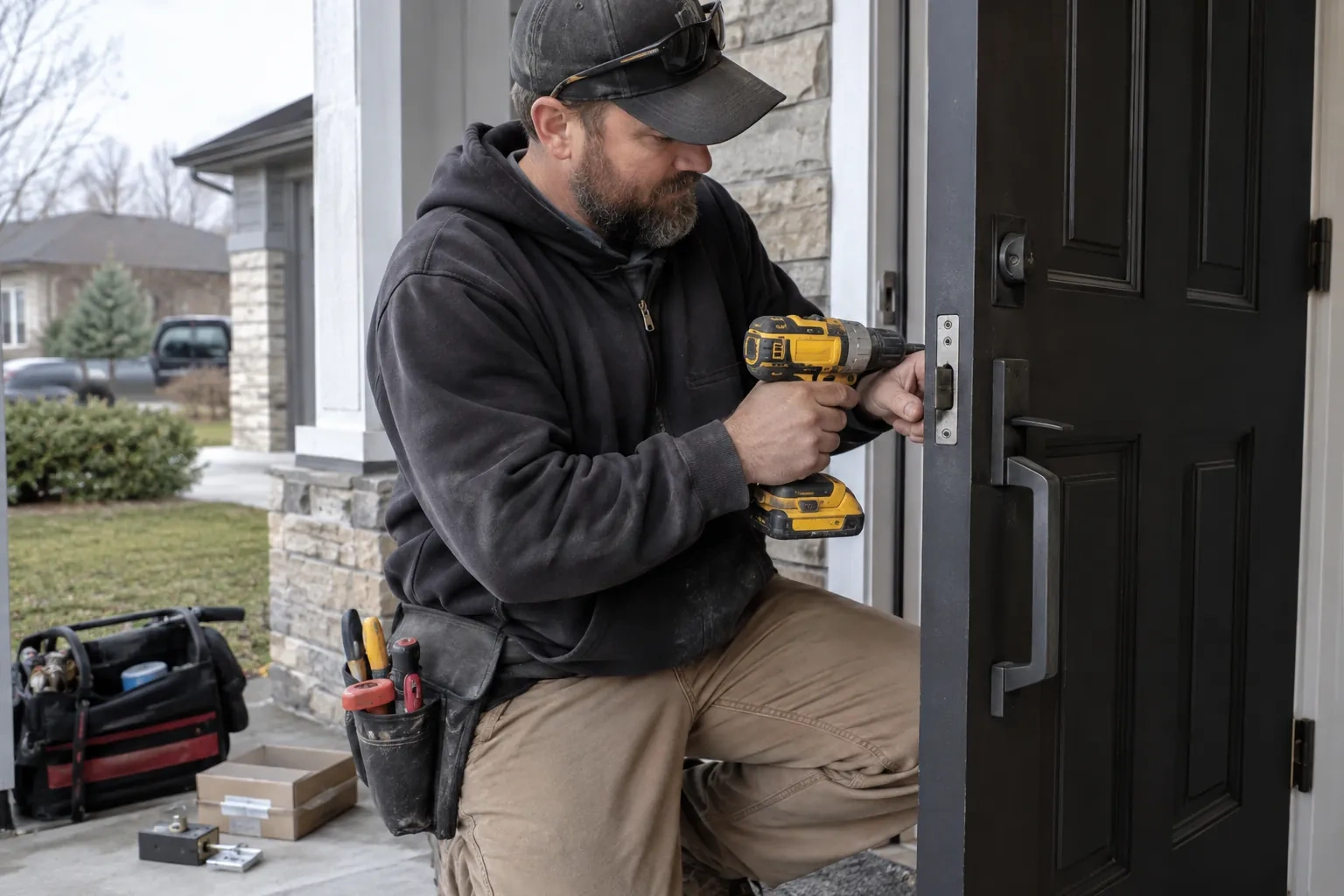
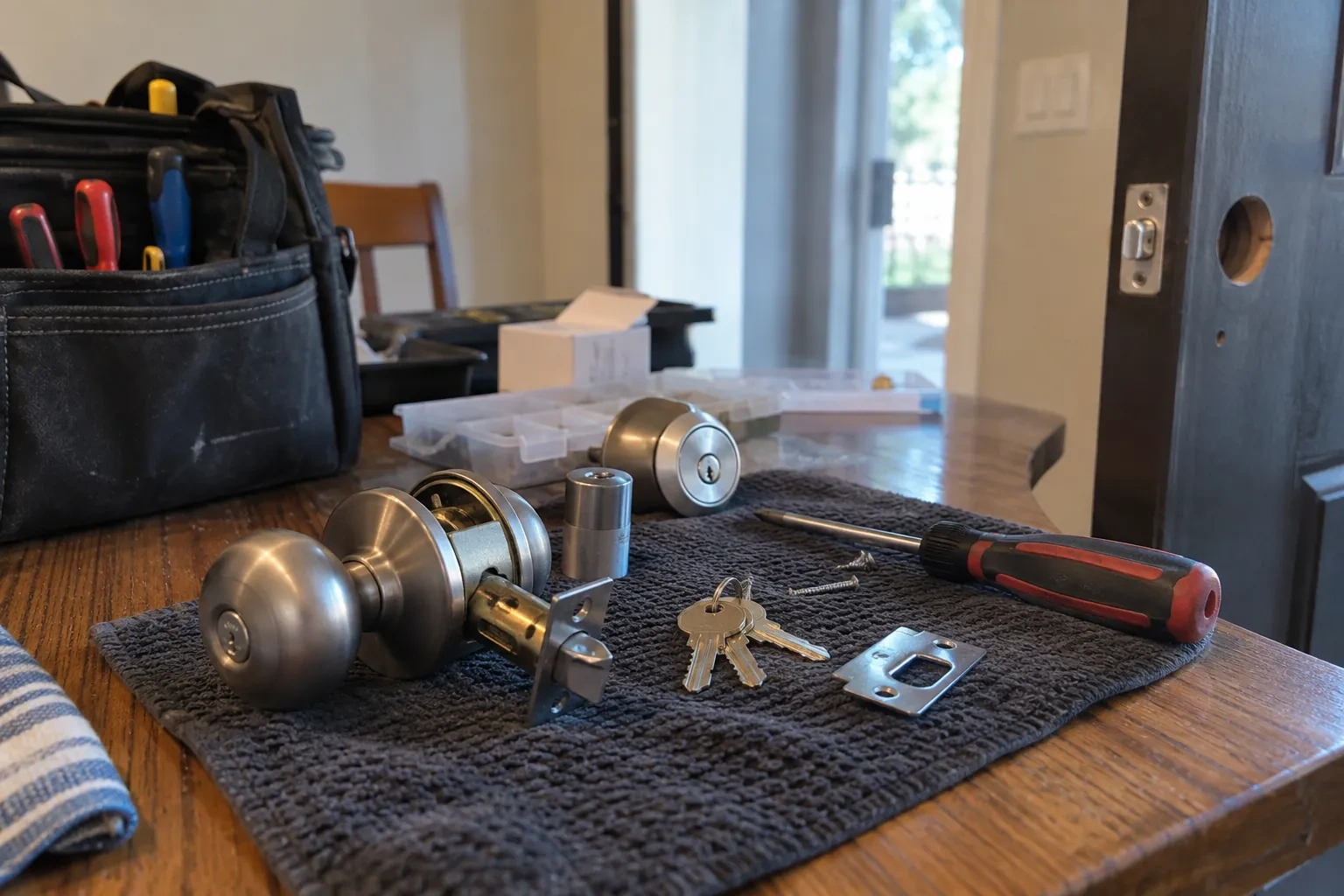
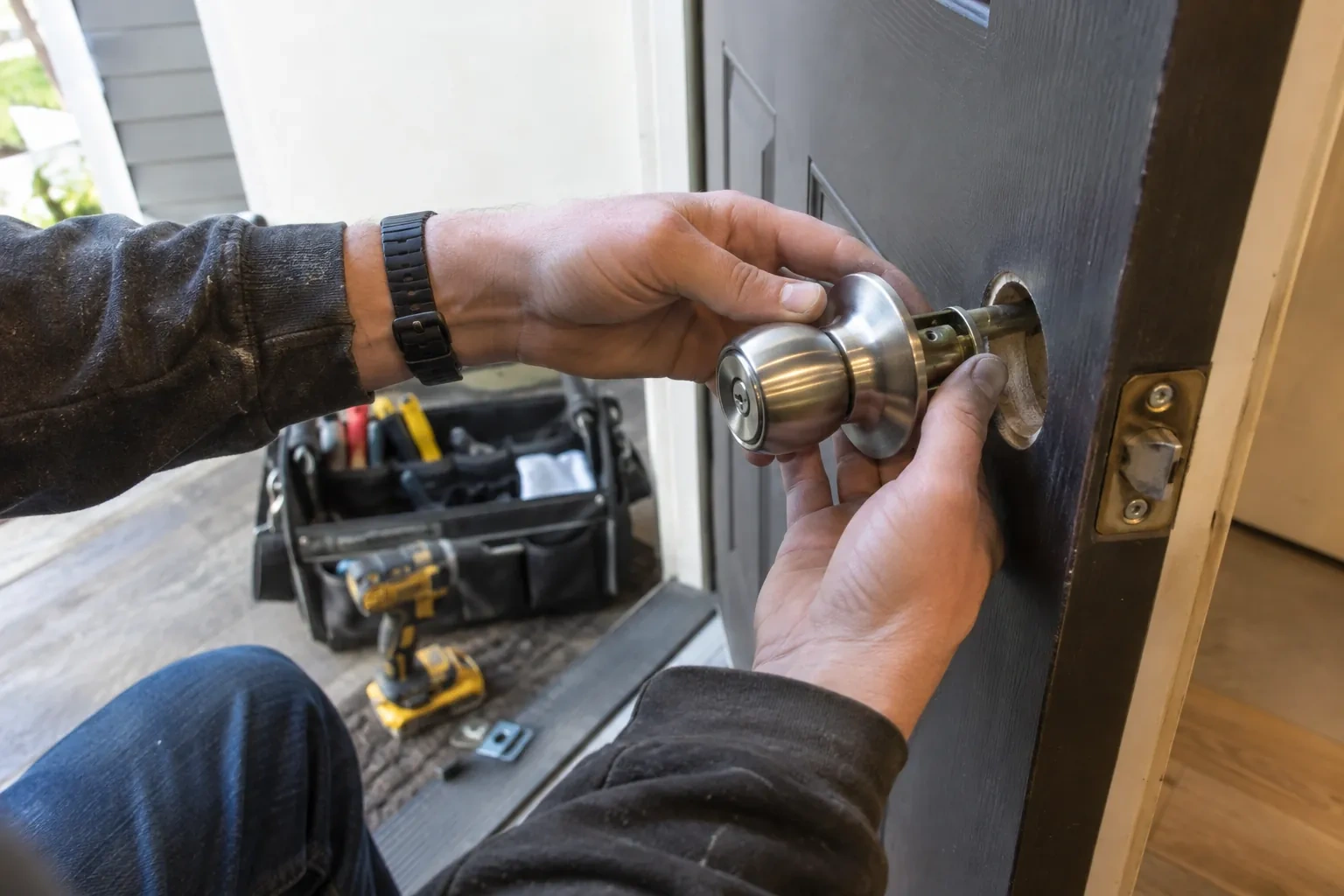
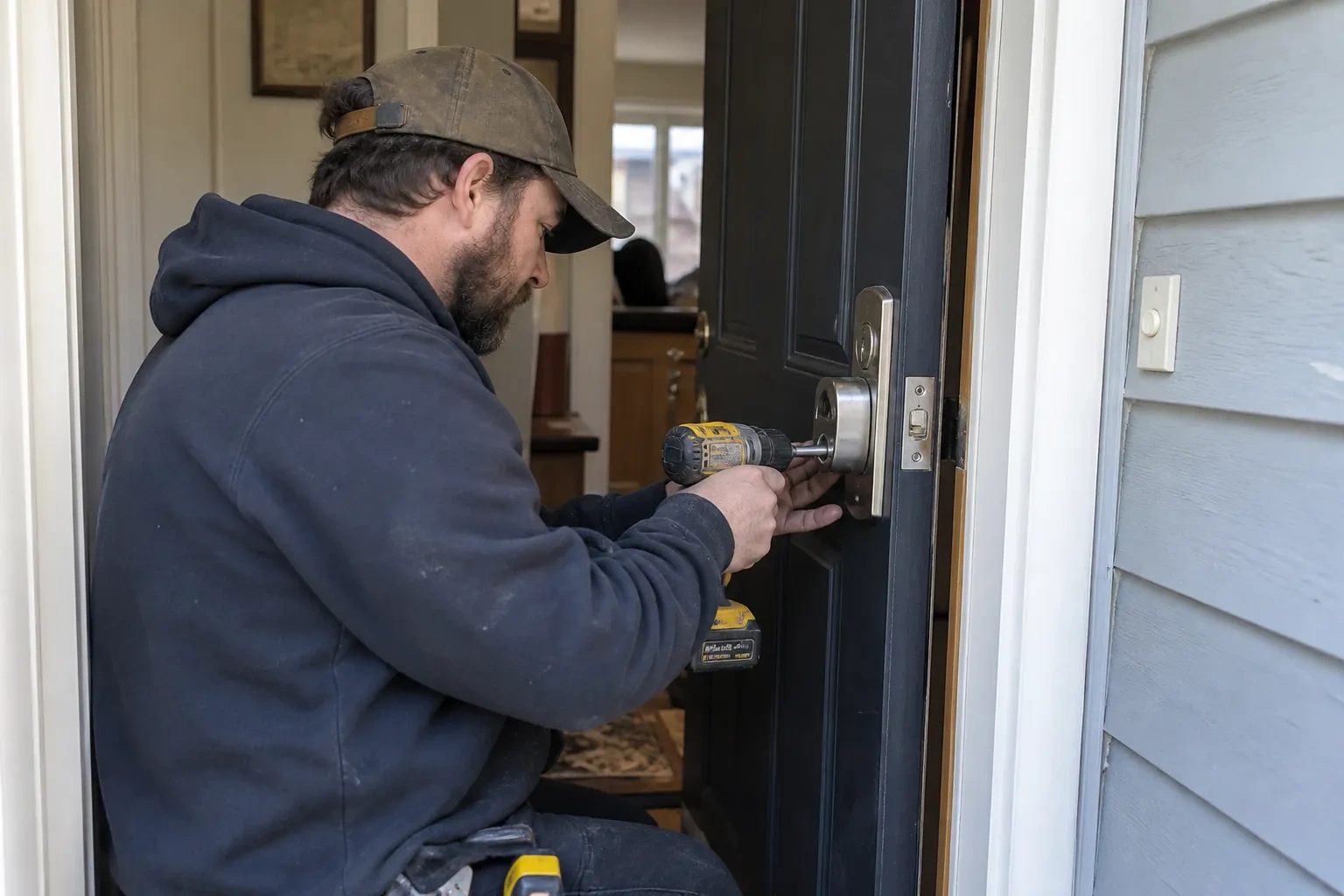
A good cylinder shrugs off picking and bumping; a deep strike plate with long screws stops a shoulder. Together they turn an ordinary front door into one that holds. We fit high-security hardware to houses across Blandford-Blenheim, set up keys that only you can have copied, and finish so the door closes as smoothly as before. Nearby, we also work in Bright, Drumbo and Wolverton.
A good cylinder shrugs off picking and bumping; a deep strike plate with long screws stops a shoulder. Together they turn an ordinary front door into one that holds. We fit high-security hardware to houses across Blandford-Blenheim, set up keys that only you can have copied, and finish so the door closes as smoothly as before. Nearby, we also work in Bright, Drumbo and Wolverton.
Plain talk, tidy work.
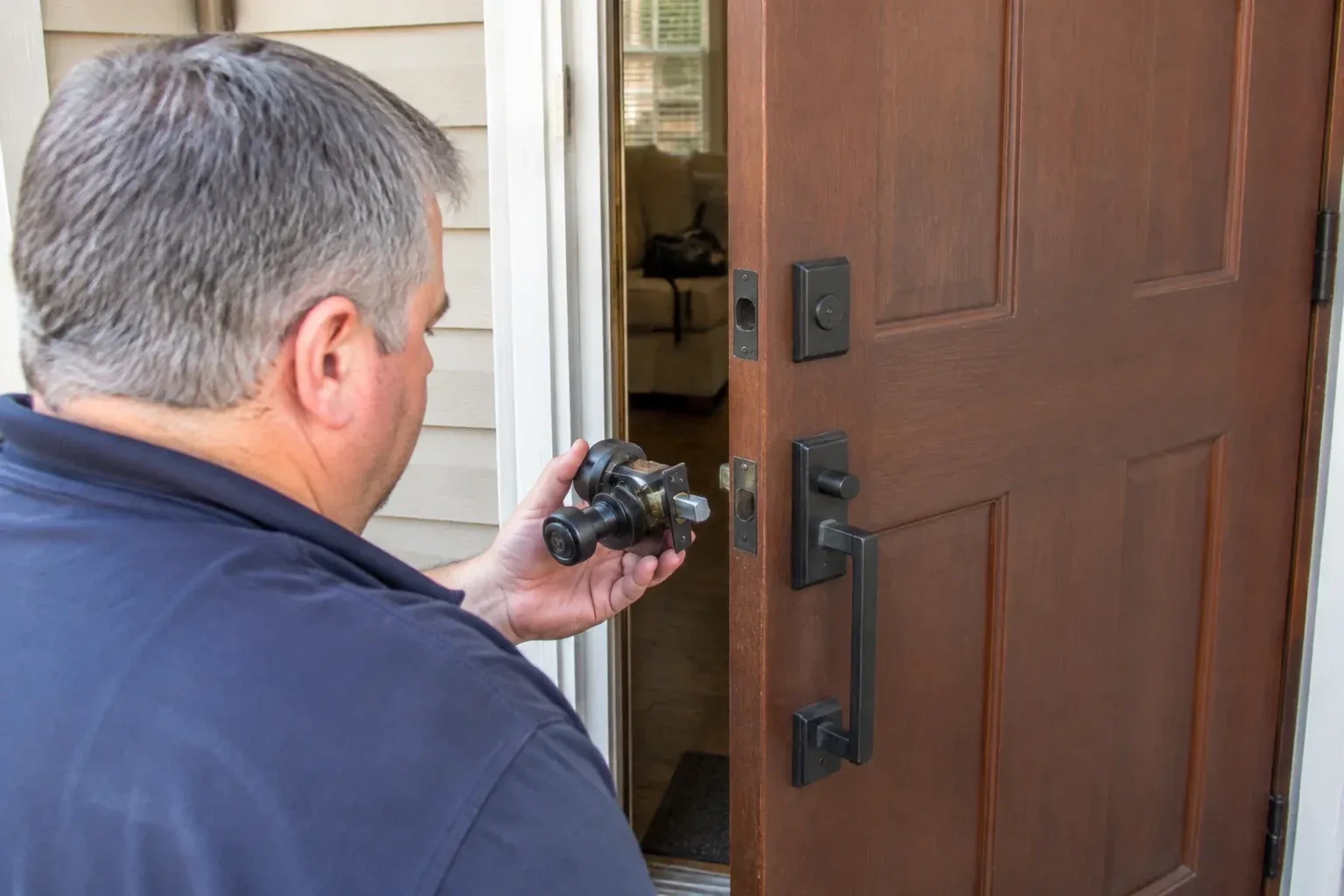
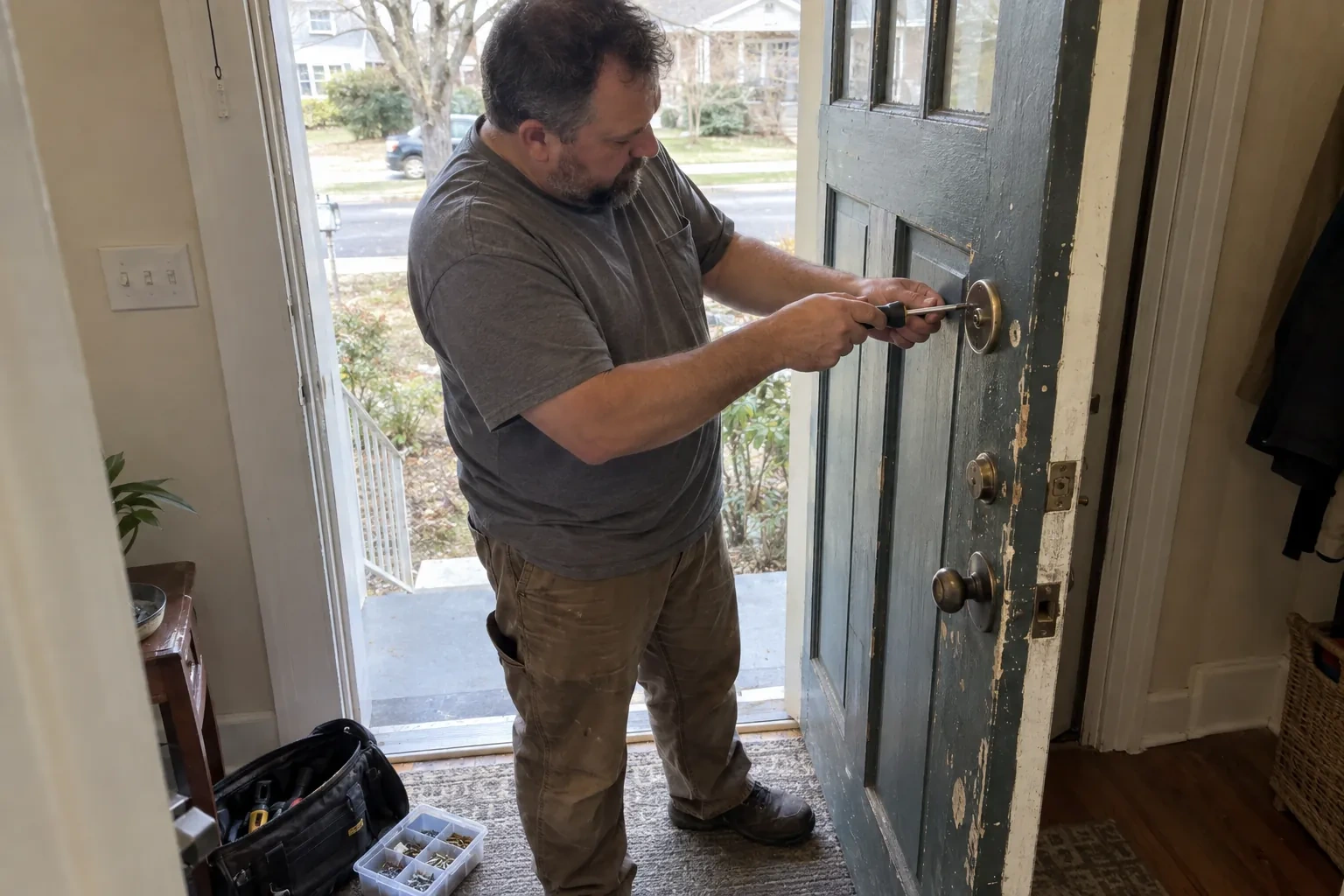
One locksmith handles your job in Blandford-Blenheim from the first call to the last turn of the key. He is the person who answered, the person who arrives in a marked van, and the person who walks you through the new hardware before leaving. No handoffs, no call centre, no explaining the door twice. If a question comes up a week later, you speak to the same man.
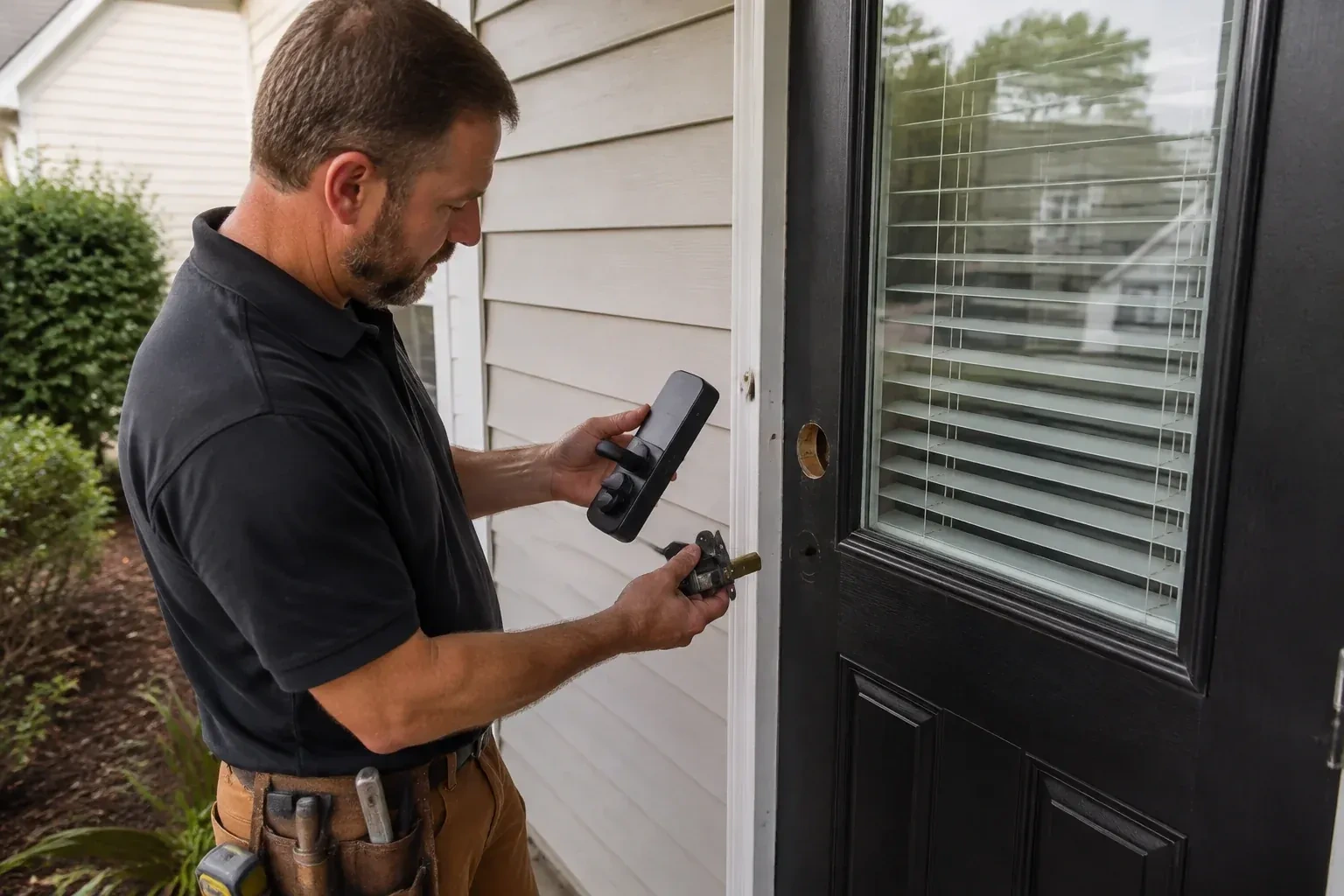
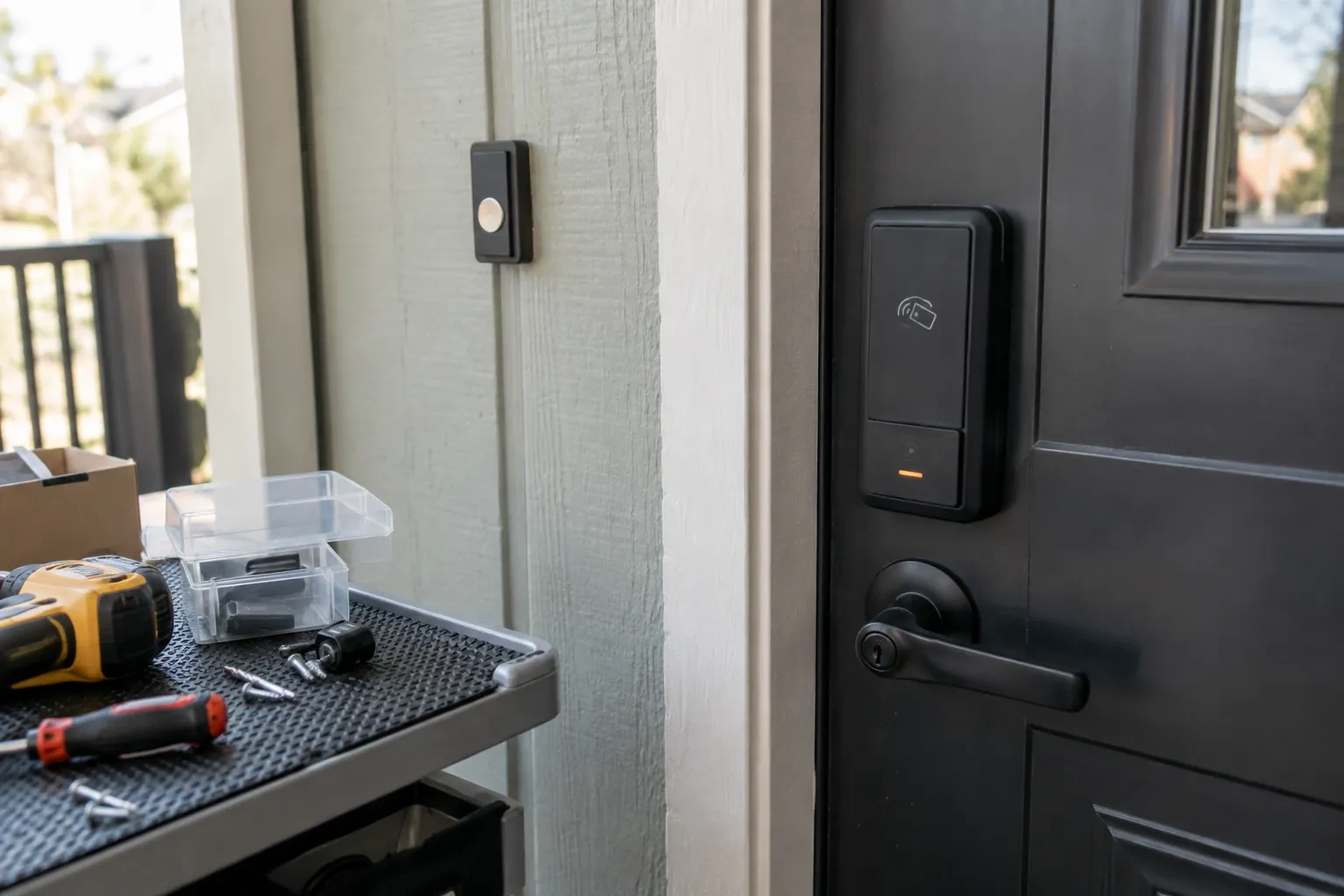
Smart locks are turning up on more doors in Blandford-Blenheim, and they bring their own questions. Which models cope with cold weather, how they behave when the battery dies, whether the door is aligned well enough for the motor to throw the bolt. We fit, program and troubleshoot them, and we say honestly when a plain mechanical deadbolt would serve you better.
11years in business
24/7open every day
Identity checked, politely. For openings and key work we confirm you have the right to be there. We explain why we ask, and we ask everyone.
Work you can watch. There is nothing hidden about what we do. Stand beside us, ask questions, and we will show you what the lock looks like inside.
Clean hands, clean floor. We put down a mat where there is drilling, wipe the hardware down and leave the area as we found it, only with a working lock.
A locksmith's week in Blandford-Blenheim is a mix of small fixes and bigger decisions. A cylinder rekeyed after a lost key, a deadbolt added to a door that never had one, a shop rekeyed after staff changes, a safe that finally opens. The pages below describe each service and how the visit usually goes.
About 63% of homes in Blandford-Blenheim were built in 1980 or earlier, according to the 2021 Census.
Older homes
Decades of seasons move a frame, and an older house often has a front door that locks easily in summer and fights in winter. Setting the strike with the seasons in mind, and choosing a lubricant that stays fluid in the cold, keeps it working year round.
Single-detached houses make up about 90% of homes in Blandford-Blenheim (2021 Census).
Mostly houses
In areas of single houses, the door nobody watches is the side or back entry. It often has the weakest lock on the property. Fitting a proper deadbolt and a reinforced strike there is a modest job that closes the obvious gap.
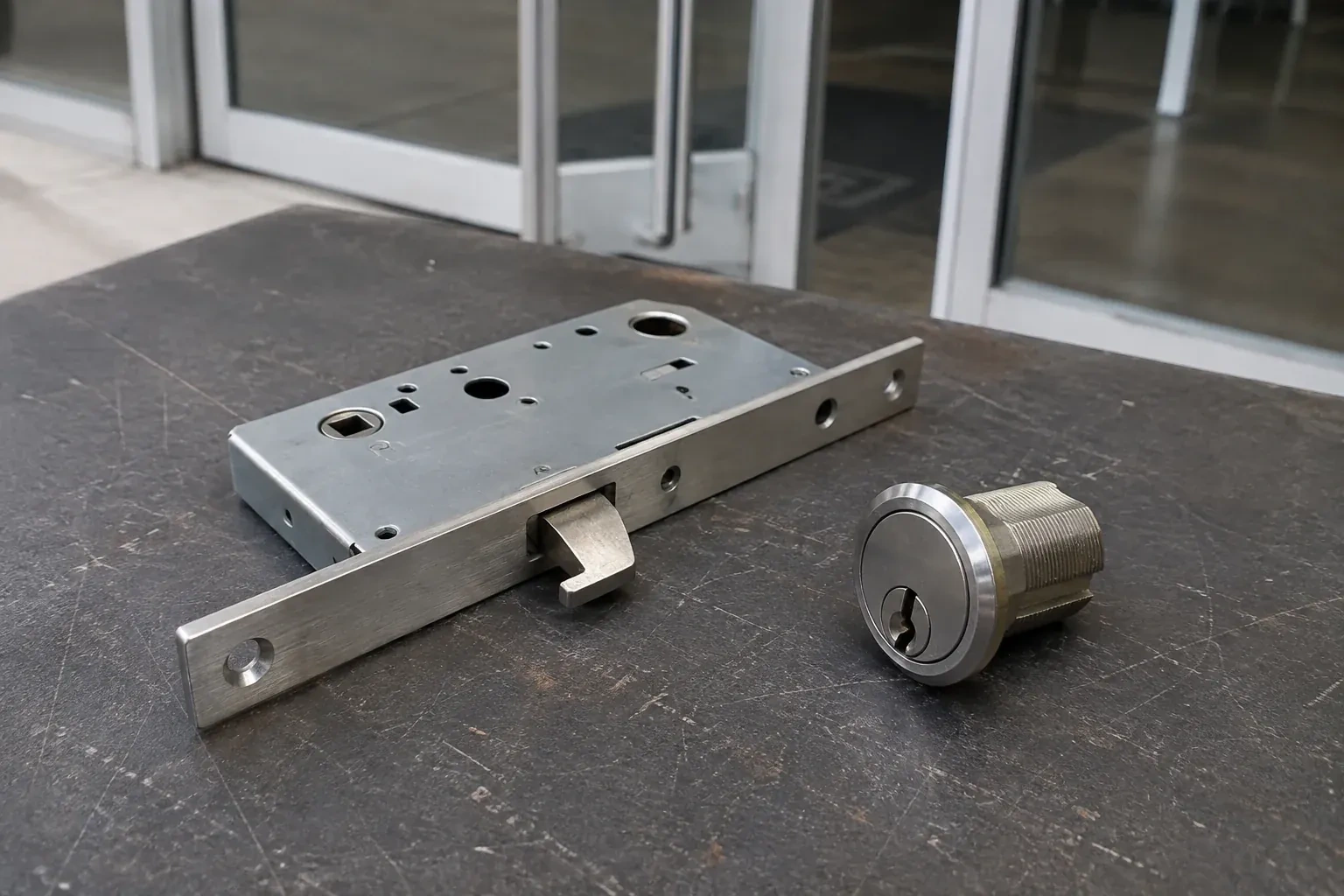
Ordinary locks keep out the curious. High security locks keep out someone who has decided to get in and has tools. The difference lives in four places: cylinder, bolt, strike and key, and each is explained here in plain terms.
You bought a keypad deadbolt online and pulled the old one off, only to find the hole in the door is a different size and the bolt latch sits at a backset the new kit does not list.
Police have come and gone, the occurrence number is on a sticky note, and you are standing in a cold hallway looking at a splintered frame, wondering how the house gets locked before everyone tries to sleep.
Services here appear in the order a business tends to need them: a lockout or a lost key first, then rekeying, then a master system, then exit hardware and access control as the premises grow and the staff list lengthens.
The pharmacy's drop safe has a keypad that finally lost power for good, and the little override key that was supposed to live behind the counter cannot be found anywhere.
The accountant's office keeps a decade of client files in cardboard boxes because the only safe in the building is a small drawer safe meant for a laptop, nowhere near large enough for binders of paper.
Which fix fits?
The moving truck has left, half the boxes are inside, and the single key the previous owner handed over turns the knob but not the deadbolt.
WhyOlder vehicles without an immobilizer are a pleasure to key, but whether a given car has one is checked rather than assumed from age, since several early-2000s vehicles already shipped with a factory immobilizer.
Every fob for the car disappeared at once inside a bag that was never recovered, and the vehicle now sits in the driveway with no way in and no way to start it.
WhyThere are really two separate keys hiding inside one piece of metal and plastic: the cut, which is entirely mechanical and opens doors and turns cylinders, and the code, which is electronic and tells the immobilizer to allow the engine to run.
The dash lights come on, the starter cranks, and the engine simply refuses to catch, though the same key has run this bike since it was new.
WhySometimes the machine is not the problem; the key is.
Good days. Start with a turn.
1/9Home Lockout Service
The moving truck has left, half the boxes are inside, and the single key the previous owner handed over turns the knob but not the deadbolt. Someone locked it on the way out, and nobody has a key that fits it.
The bolt on the front door is keyed on both sides. Getting out at night means finding the key in the dark, and with a toddler in the house you have decided the inside should turn by hand. You want it done properly, not just swapped.
The old skeleton key still fits the keyhole, but it now needs a jiggle, a lean on the door and a little luck before the bolt moves. Last week it took three tries. You have one key and no idea where a second could come from.
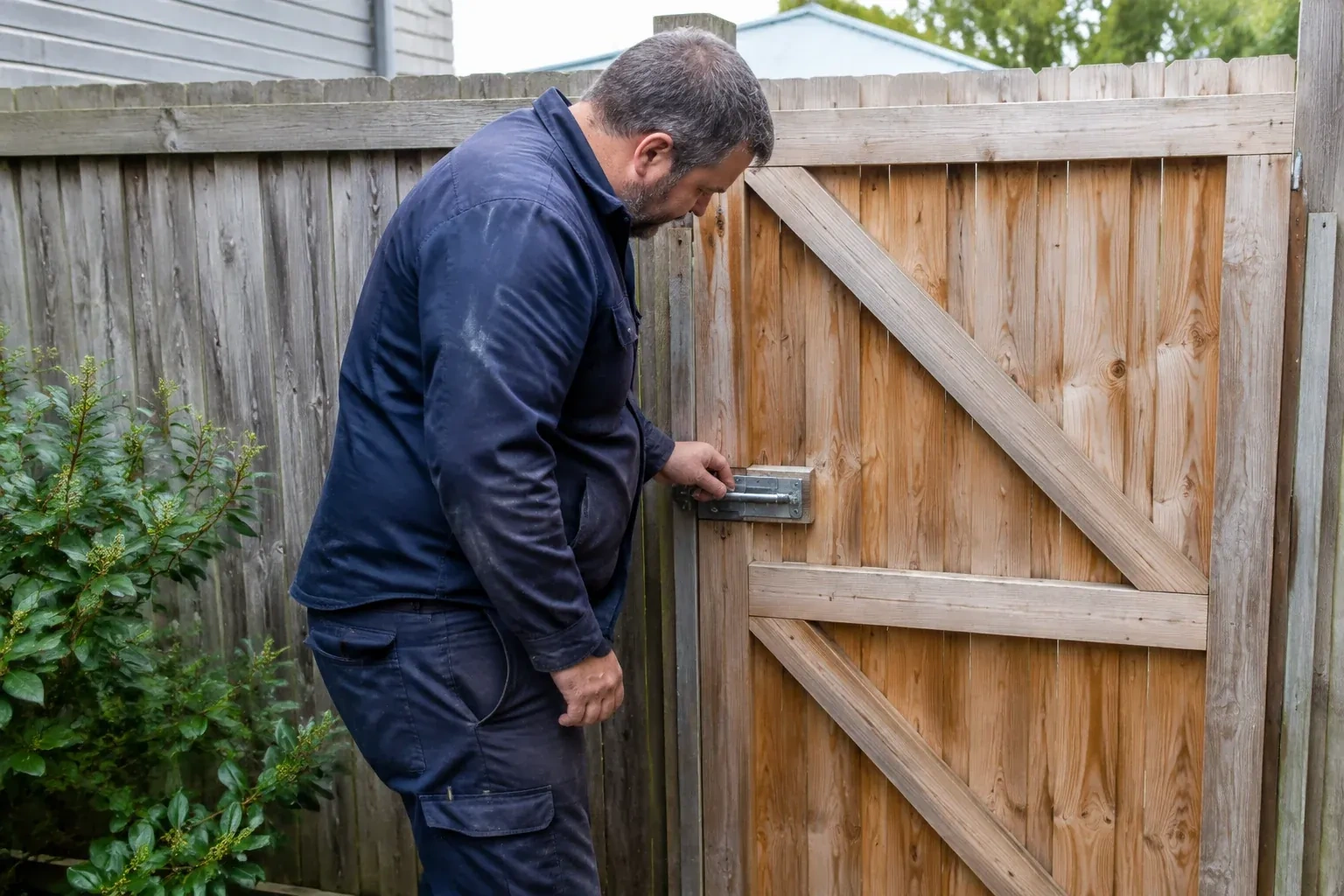
Someone pried at the gate latch overnight, and now the strike plate hangs by one screw and the cylinder spins loose in its housing. The gate still closes, technically, but a firm shoulder is all it would take to open it from outside.
The office key ring has become the org chart. Every manager carries a fistful of cuts, a couple of staff hold copies nobody remembers issuing, and when someone asks which key opens the records room, three different people give three different answers.
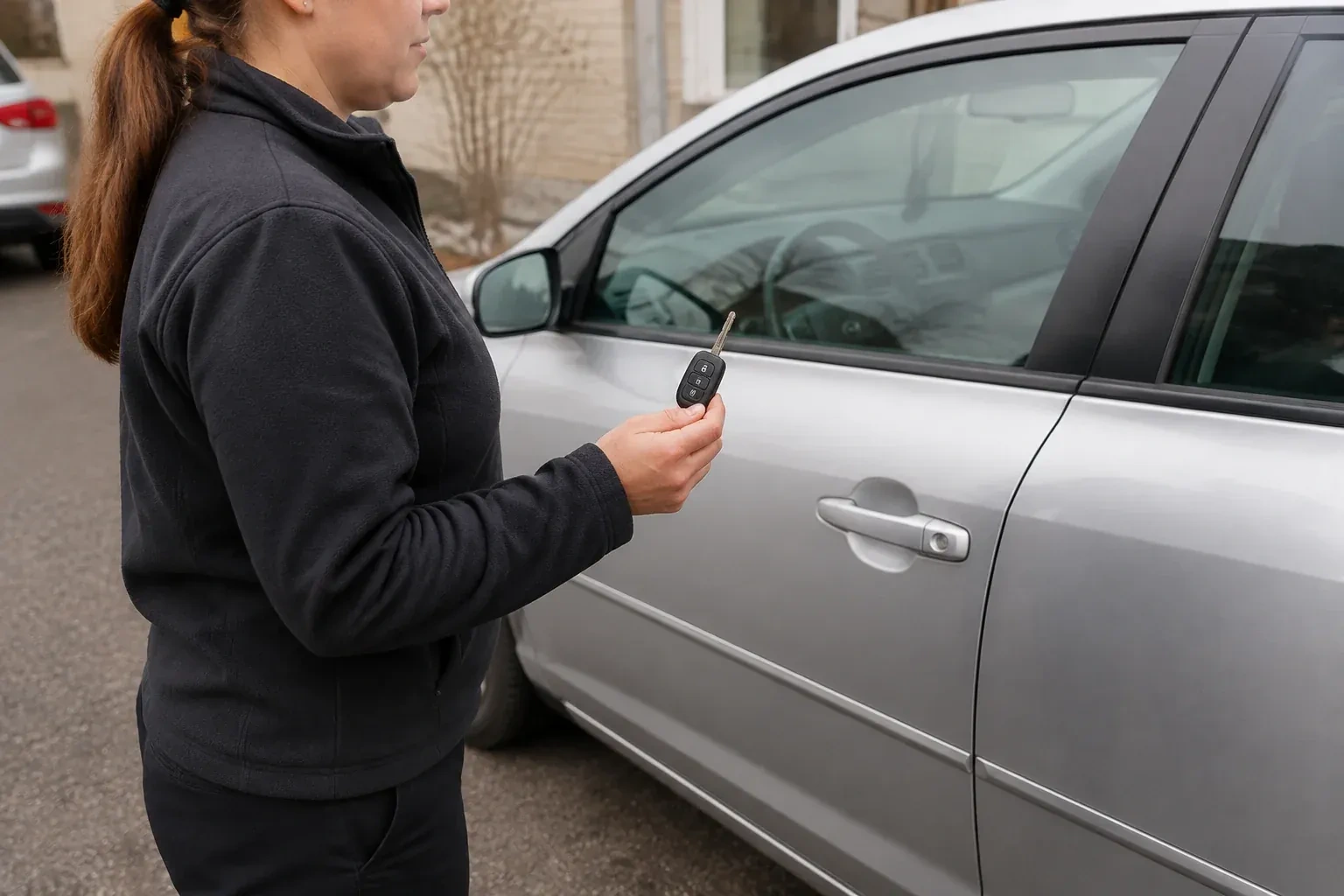
You bought the car privately and it came with a single key on a shoelace. Every time it leaves your hand you notice, and you would like a second one made before the first goes missing.
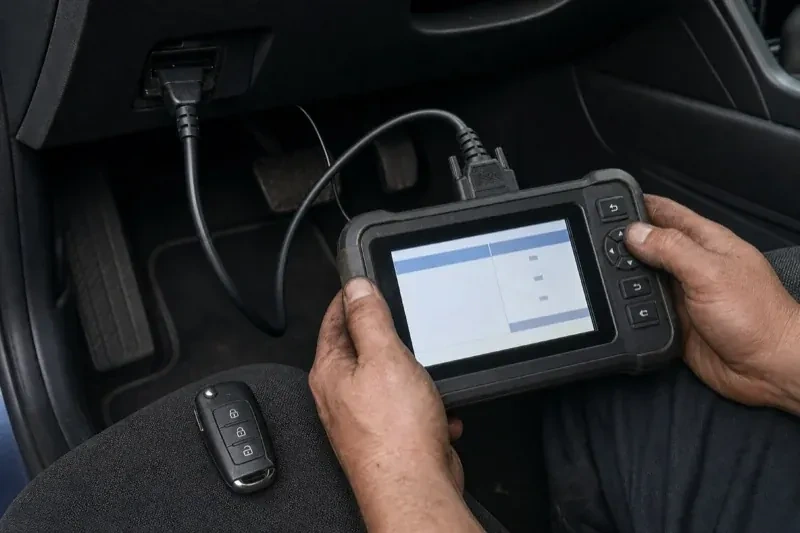
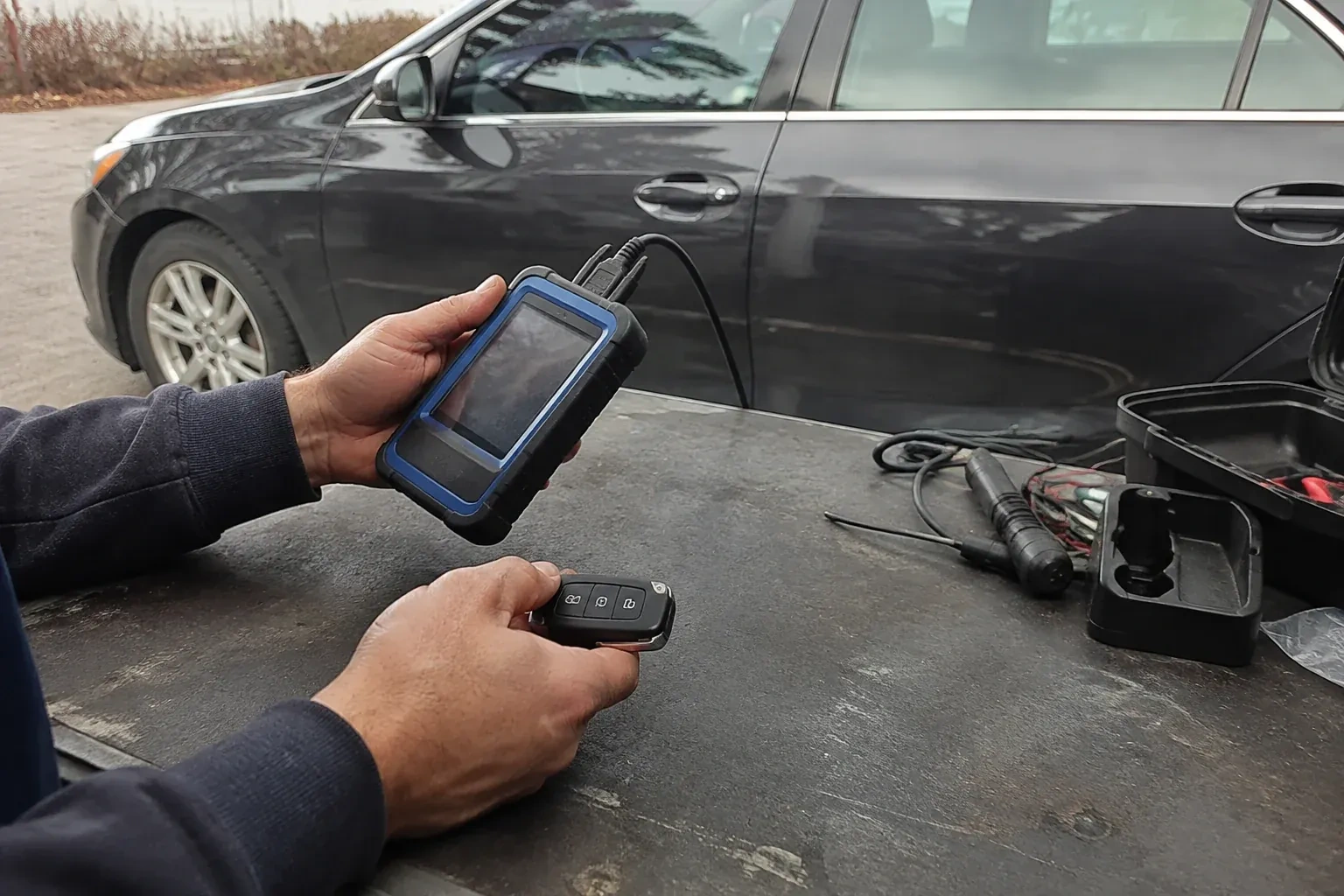
Every fob for the car disappeared at once inside a bag that was never recovered, and the vehicle now sits in the driveway with no way in and no way to start it. A dealership visit would mean arranging a tow; a mobile programming visit is the other route.
The blade snapped off flush with the door lock last winter, and the shop that cut a replacement only matched the metal shape. The fob still locks and unlocks the doors from across the driveway, but the engine cranks over and over without ever catching.
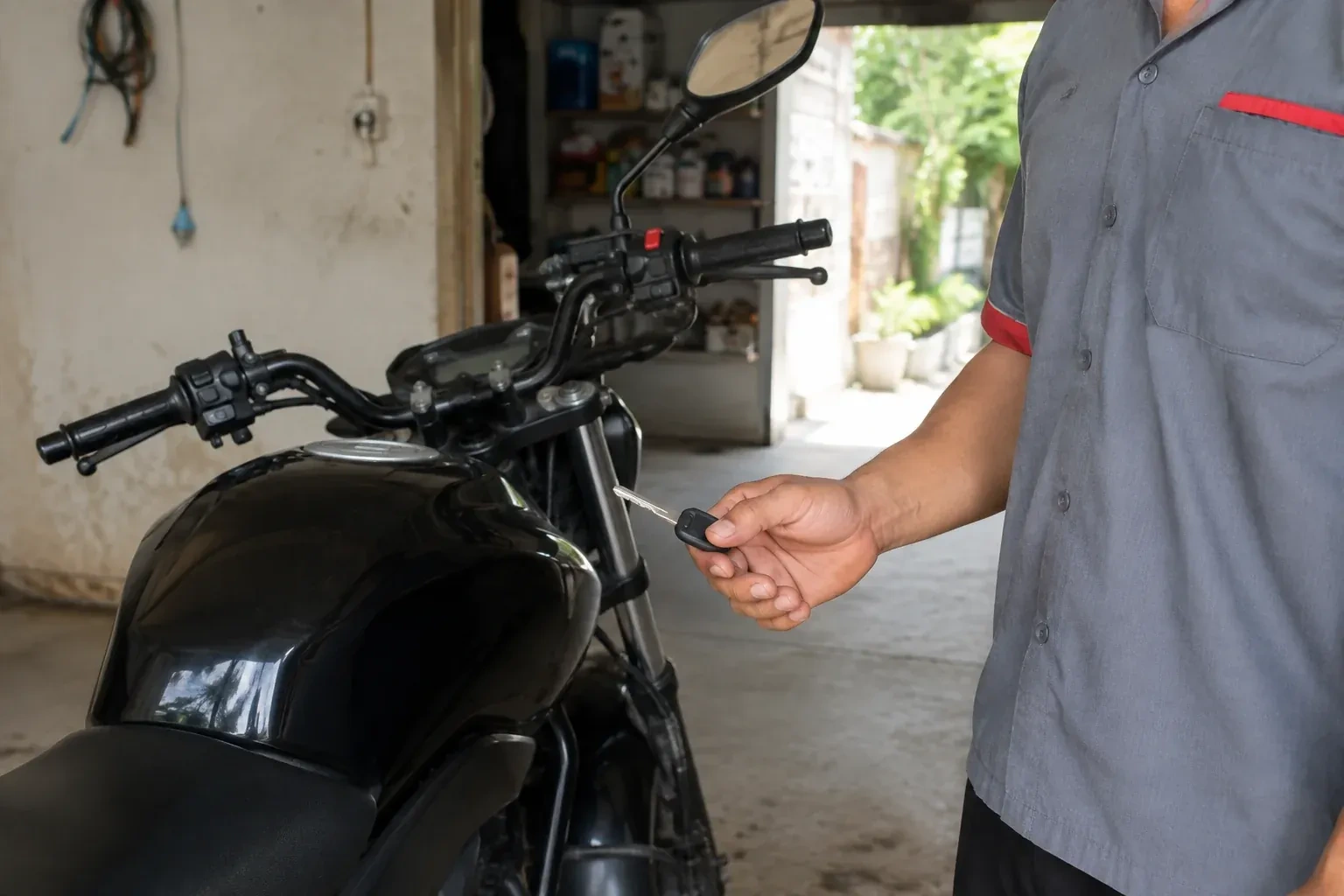
The dash lights come on, the starter cranks, and the engine simply refuses to catch, though the same key has run this bike since it was new. It could be the key and ignition module no longer agreeing, or an ordinary fuel or ignition fault sharing the same symptom.
What if my wallet and every document are locked inside?
That is the most common version of a lockout, and there is a routine for it. Tell the locksmith on the phone so the plan is agreed before arrival. Often a neighbour can confirm you live there, a digital copy of a lease or bill is on your phone, or a property manager can vouch for you. Where none of that is available, the locksmith opens the door and completes the identification check with the documents inside before leaving.
Why does the strike plate matter so much?
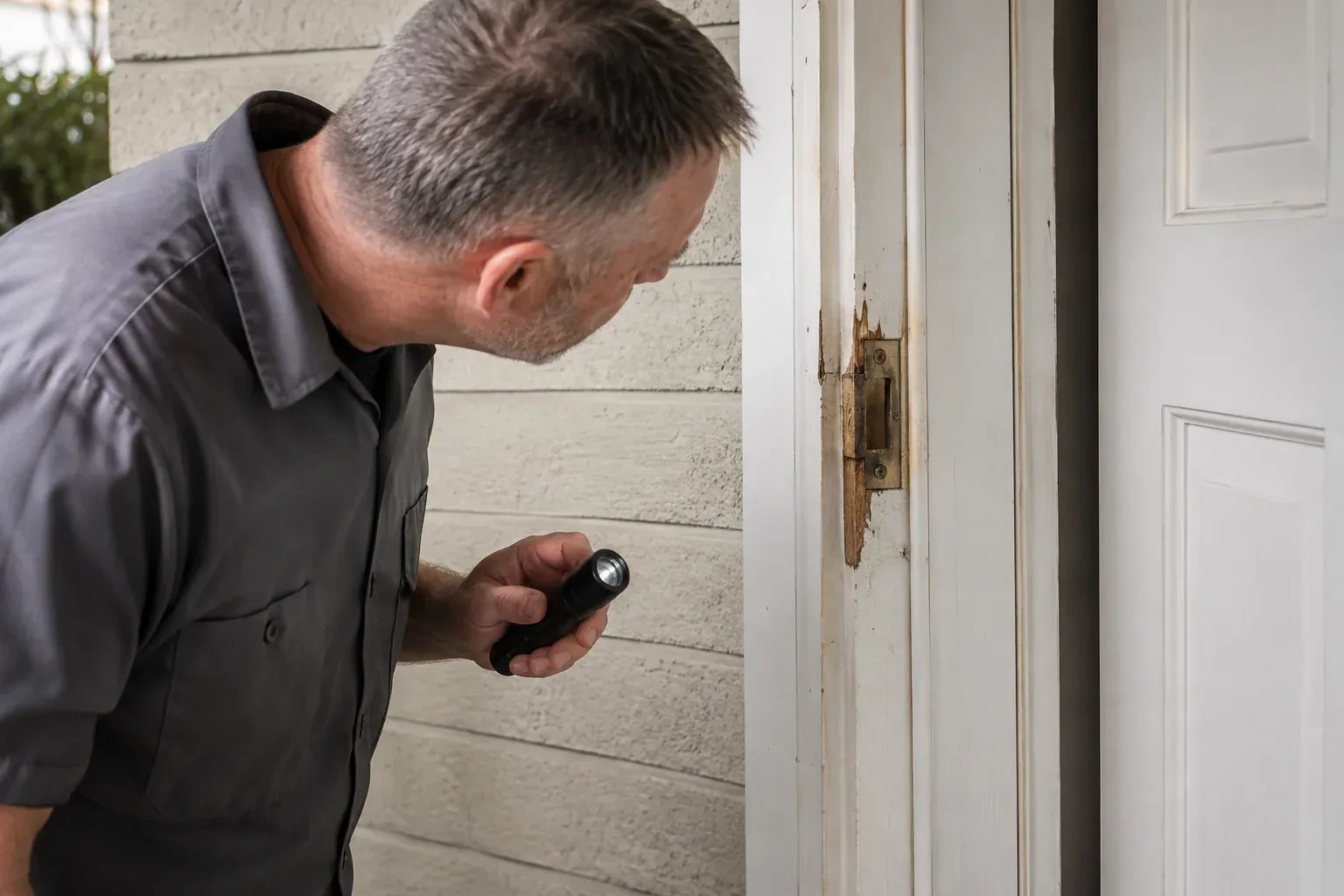
The strike is the metal plate the bolt throws into, and it is where a kicked door usually fails: short screws bite only into the thin jamb board, which splits. A reinforced strike or strike box fastened with 75 mm screws passes through the jamb into the stud behind, so a blow is met by the framing of the house. On a wood frame, strike screws that reach at least 30 mm into solid wood behind the jamb are what actually holds.
My home is a designated heritage property. Does that change anything?
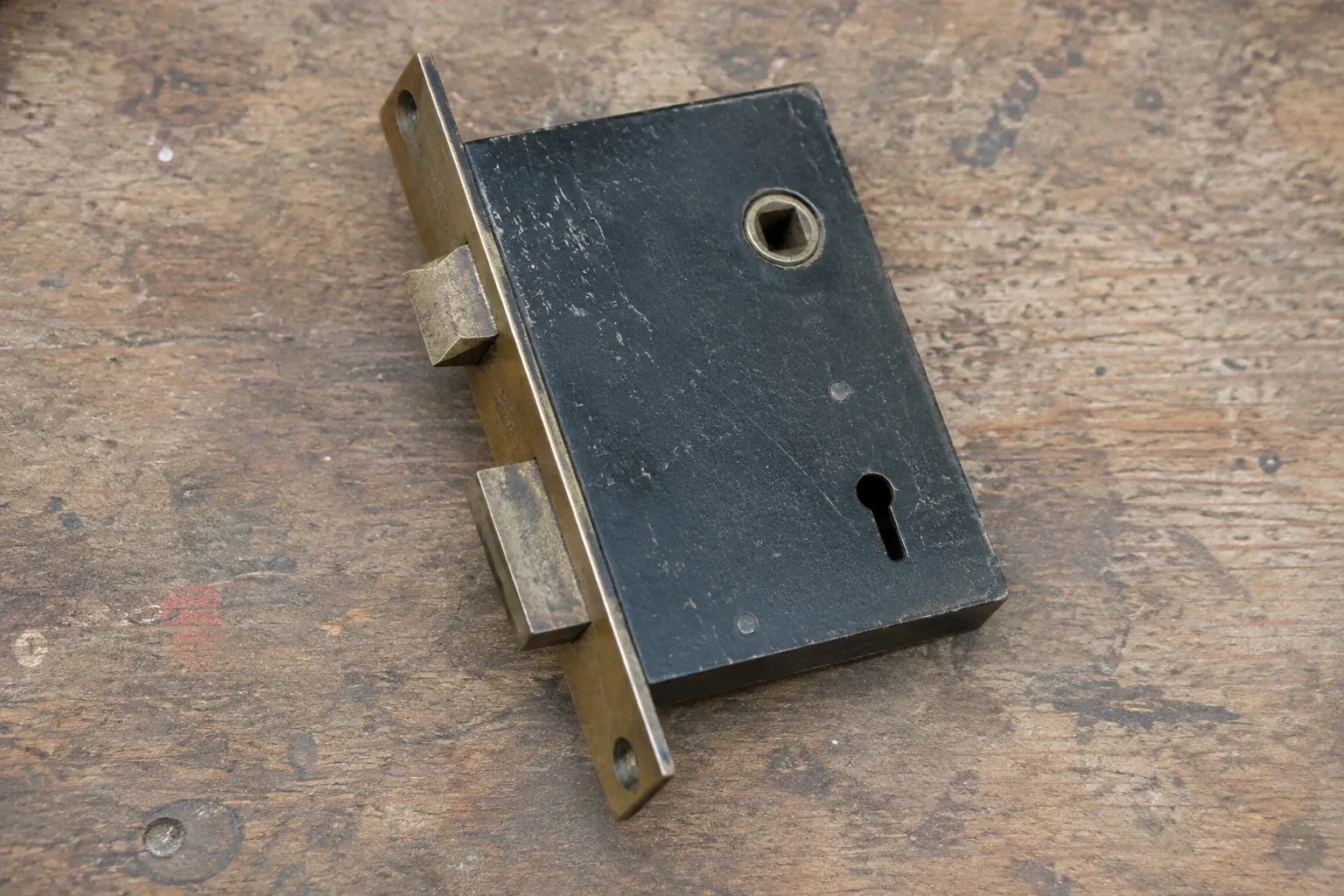
It reinforces the choice to service rather than replace. Where a property carries a heritage designation, changes affecting listed features can need extra sign-off, and original door hardware is occasionally among those features. A rebuilt mortise case with its original trim is preservation rather than alteration, and the locksmith's written record of what was retained and what was replaced is useful for your file.
What actually happens during a gate or building entry lock visit?
The locksmith first watches the gate or door move and checks the hardware fitted to it, then works out whether the issue sits in the lock, the closer, the hinges or the alignment of the frame itself. Whatever combination is found, the relevant piece is adjusted, rekeyed or replaced, and the whole assembly is cycled repeatedly afterward to confirm it closes, latches and locks the same way every time. Any keys involved are cut and tested before the visit is considered complete.
What does key control actually mean?
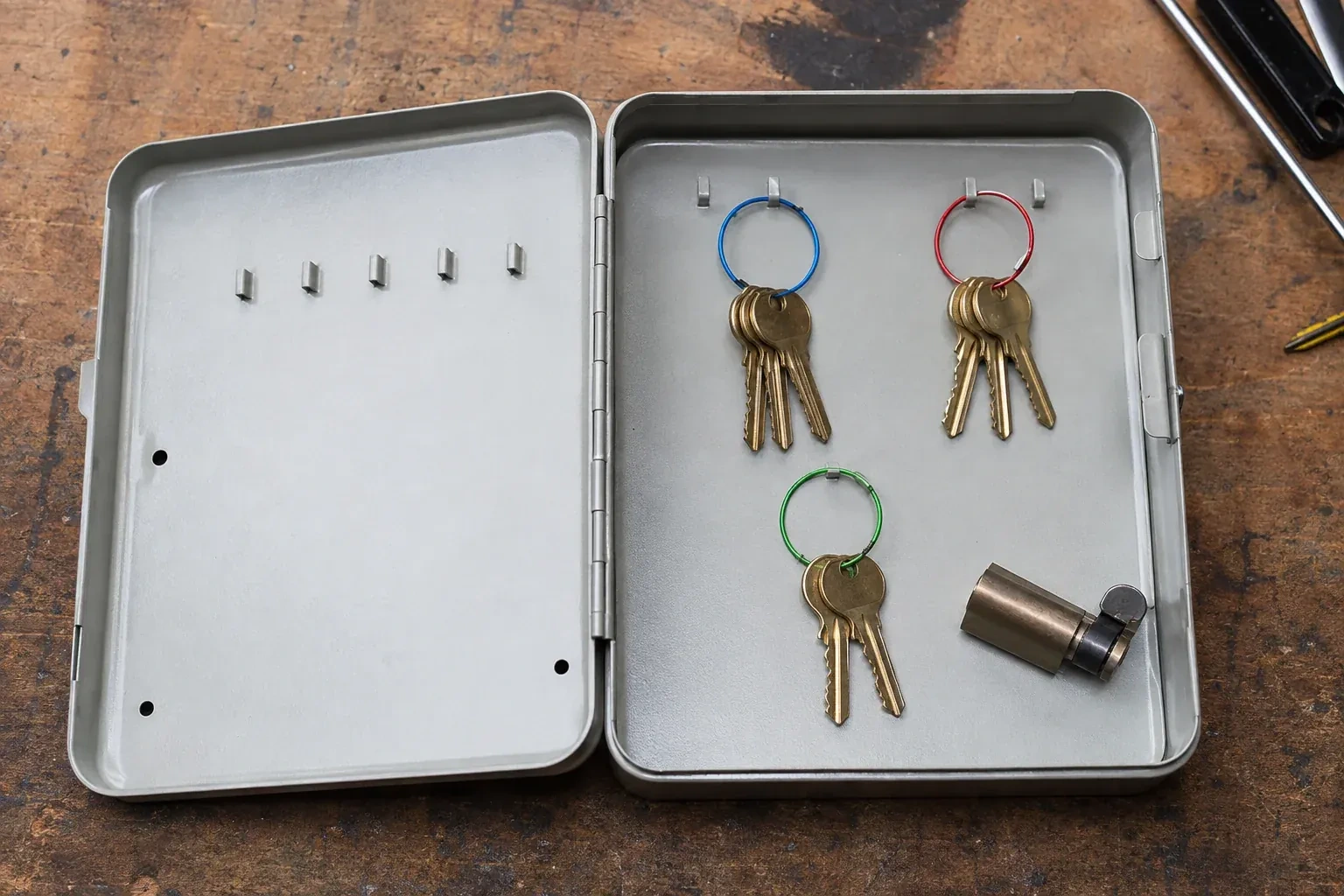
It means knowing, at any time, how many keys exist for a given door or level, who holds each one, and how a new copy would be authorized. A master key system supports key control by design, since keys are marked by role, logged by serial, and cut only against the chart, rather than copied informally whenever someone asks for one.
The car is leased or belongs to my employer. Can you still make me a key?
Yes, with the right paperwork. For a leased car, the lease agreement in your name together with your identification and the permit covers it. For a company vehicle, the locksmith needs authorization from the business: a work order, purchase order or letter naming the VIN and the person collecting the key. Mention the arrangement when you call so the correct document is ready and the record can be completed properly.
Is fixing a lost key different from just adding a spare?
Yes. Adding a spare while every existing fob still works only involves registering the new one. A lost key involves that same registration plus removing the missing fob's authorization following that vehicle's own procedure, since leaving it active means whoever has it can still use it; some vehicles also relearn the fobs you keep, and a mechanical blade in the lost fob is ruled out by rekeying the matching lock. The two situations share a first step but not a last one.
Can I have a spare key made before I actually need one?
Yes, and on many vehicles it is one of the more straightforward visits in this service, since a working key already on hand can authorize the new one; a few models instead call for two working keys or a different programming route. The spare is cut, its chip is written in, and both keys are tested before the locksmith leaves, so the spare is proven rather than simply handed over untested.
Do I have to have the original key for you to cut a new one?
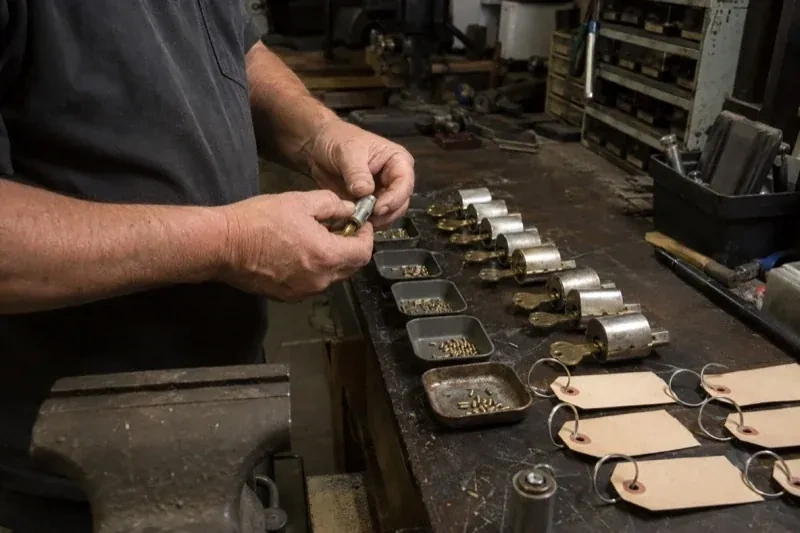
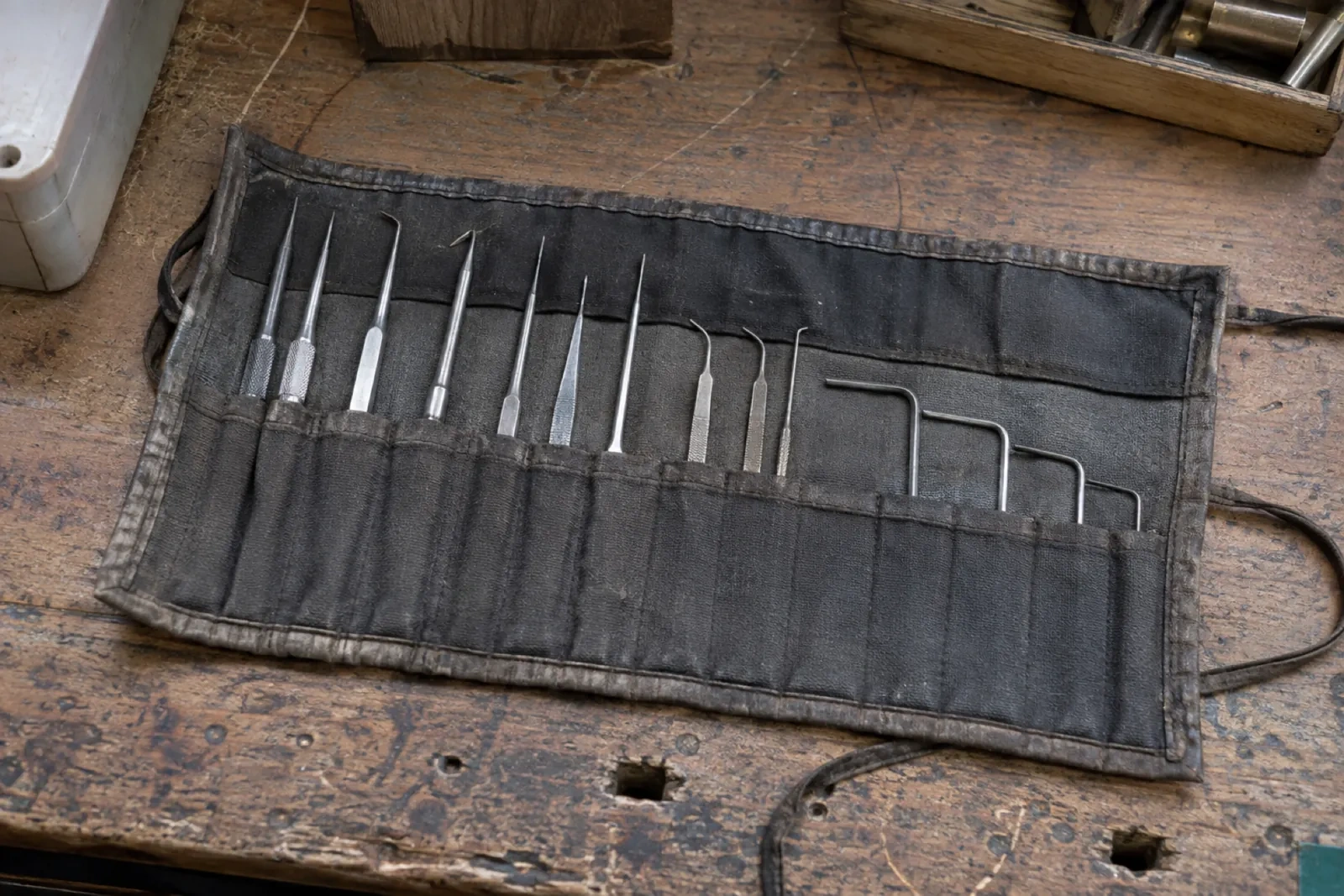
No. When every key for the machine is gone, the locksmith reads the lock directly, working out each wafer's depth by picking and reading the cylinder or using a decoder built for that keyway, and cuts a fresh key to the code that comes out of that reading. It takes longer than copying an existing key, since every wafer is read individually, but it produces a key that matches the lock rather than a guess.
Request a visit
One locksmith handles your job in Blandford-Blenheim from the first call to the last turn of the key. He is the person who answered, the person who arrives in a marked van, and the person who walks you through the new hardware before leaving. No handoffs, no call centre, no explaining the door twice. If a question comes up a week later, you speak to the same man.