Change or rekey · Blandford-Blenheim
Vintage Mortise Lock Service in Blandford-Blenheim
Someone painted the door years ago without removing the hardware.
In plain words
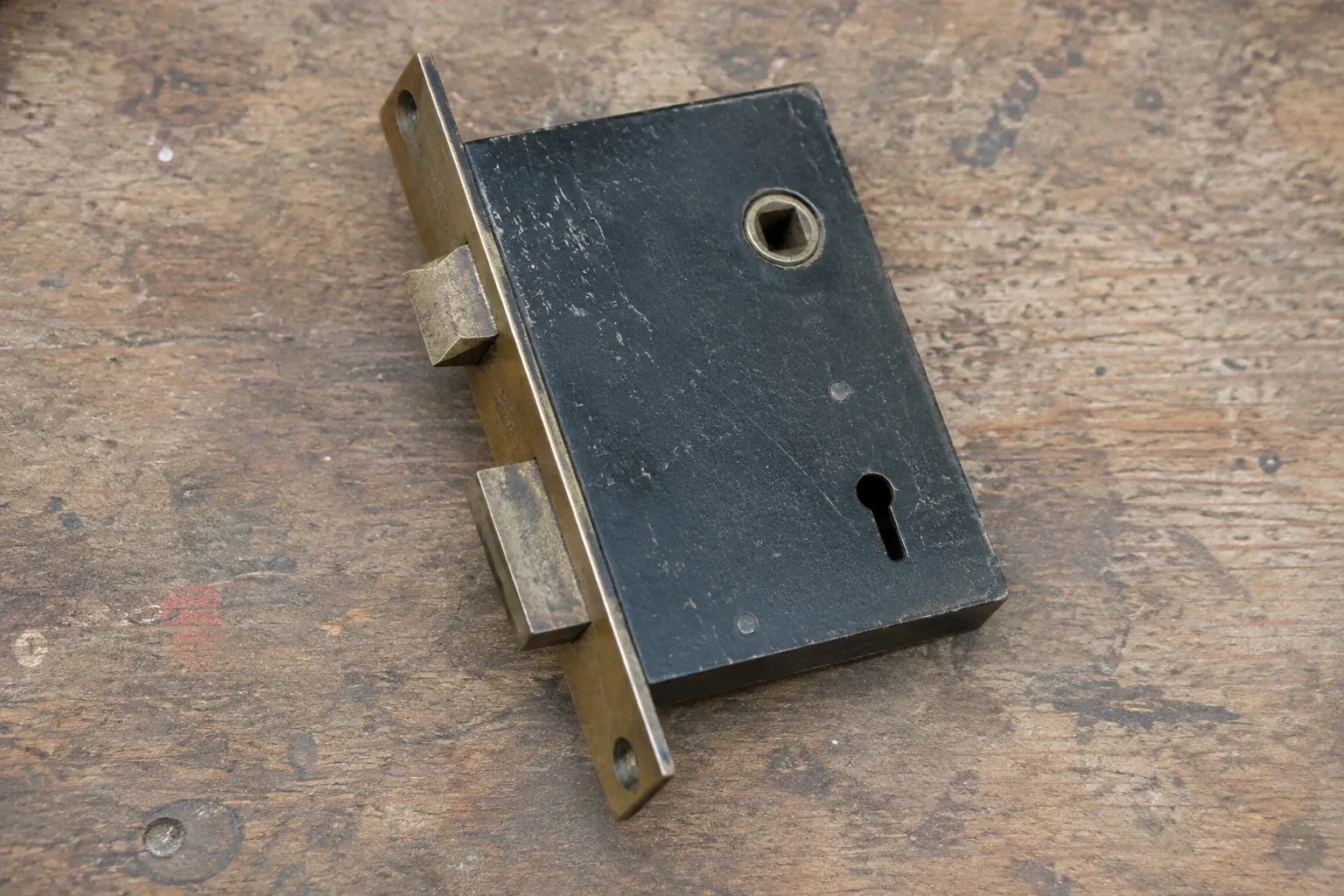
Servicing the original lock is usually the better choice for an older home, for practical reasons as much as sentimental ones. Cutting a period door for a modern cylindrical lockset means boring a large hole through the stile and leaves the old mortise to be filled; a repaired mortise case avoids all of that. Where the home is a designated heritage property, keeping the hardware may also be what the municipality expects. The service treats the door as something to preserve: minimal disturbance, parts matched to the original, a strike adjusted rather than replaced, and the old lock left running smoothly for decades to come.
How the visit goesThe old skeleton key still fits the keyhole, but it now needs a jiggle, a lean on the door and a little luck before the bolt moves. Last week it took three tries. You have one key and no idea where a second could come from.
Vintage Mortise Lock Service
How the visit goes
Repair, replacement cylinder or replacement case
The last step of the check is deciding what the lock needs, in plain terms, before any of it is done. Most cases need cleaning, springs and adjustment, and that is the recommendation. A cylinder lock with a worn plug may be better served by a new mortise cylinder of the same thread and cam, keeping the case. A cracked case, a bolt worn thin or a hub broken through calls for a replacement case in the same pocket, and the locksmith measures for it on the spot. You hear which of these applies and why, and if the answer is a replacement case, the choice between a reproduction and a modern case is yours to make.
Inside the case on the bench
With the cover screws out, the case opens like a book: the latch bolt with its spring, the hub the spindle passes through, the deadbolt with its lever or tumblers, and the springs holding each in place. The locksmith notes what is broken, worn or merely stuck, then cleans the case with solvent and a brass brush until the old grease and rust are gone; old paint on the hardware is treated as a possible lead hazard and cleared with contained, lead-safe methods rather than dry brushing. Parts are cleaned individually, burrs are dressed off the bolts, and the hub square is checked against a fresh spindle to see whether it has rounded.
Keys that fit the lock, and a spare
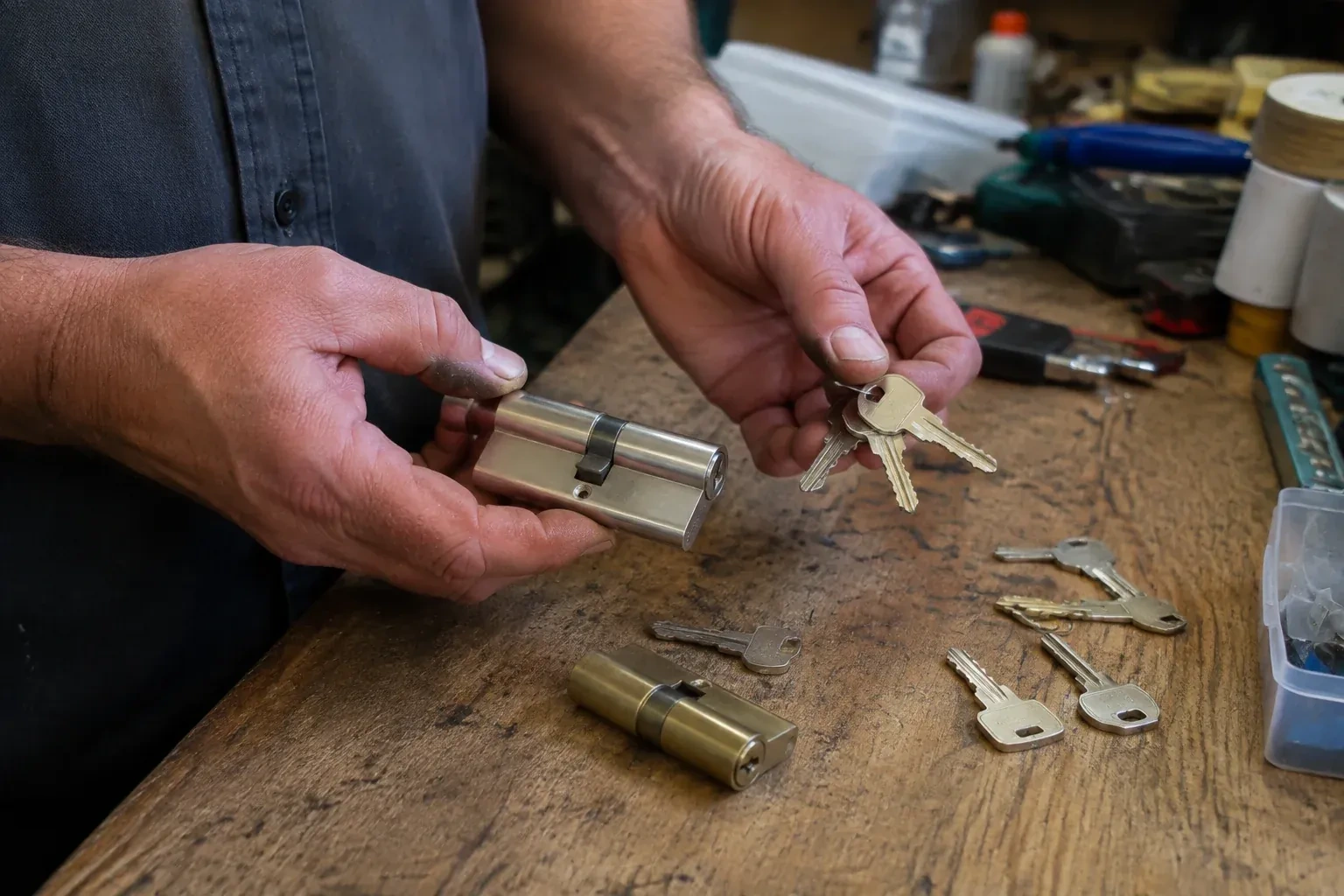
You are handed keys made to the restored lock, counted into your hand, and each one is tried in the door before the locksmith drives away. For a bit-key lock that means keys filed to your case; copying one needs the right blanks and equipment, which most hardware counters do not stock, so the locksmith keeps the record needed to make more. For a cylinder lock it means keys cut to the new combination, with any old keys now useless. Keep one spare somewhere other than the door, ideally with a neighbour or in a lockbox, and treat bit keys gently: they bend in a pocket and a bent key is how most of these locks become stiff again.
Vintage Mortise Lock Service
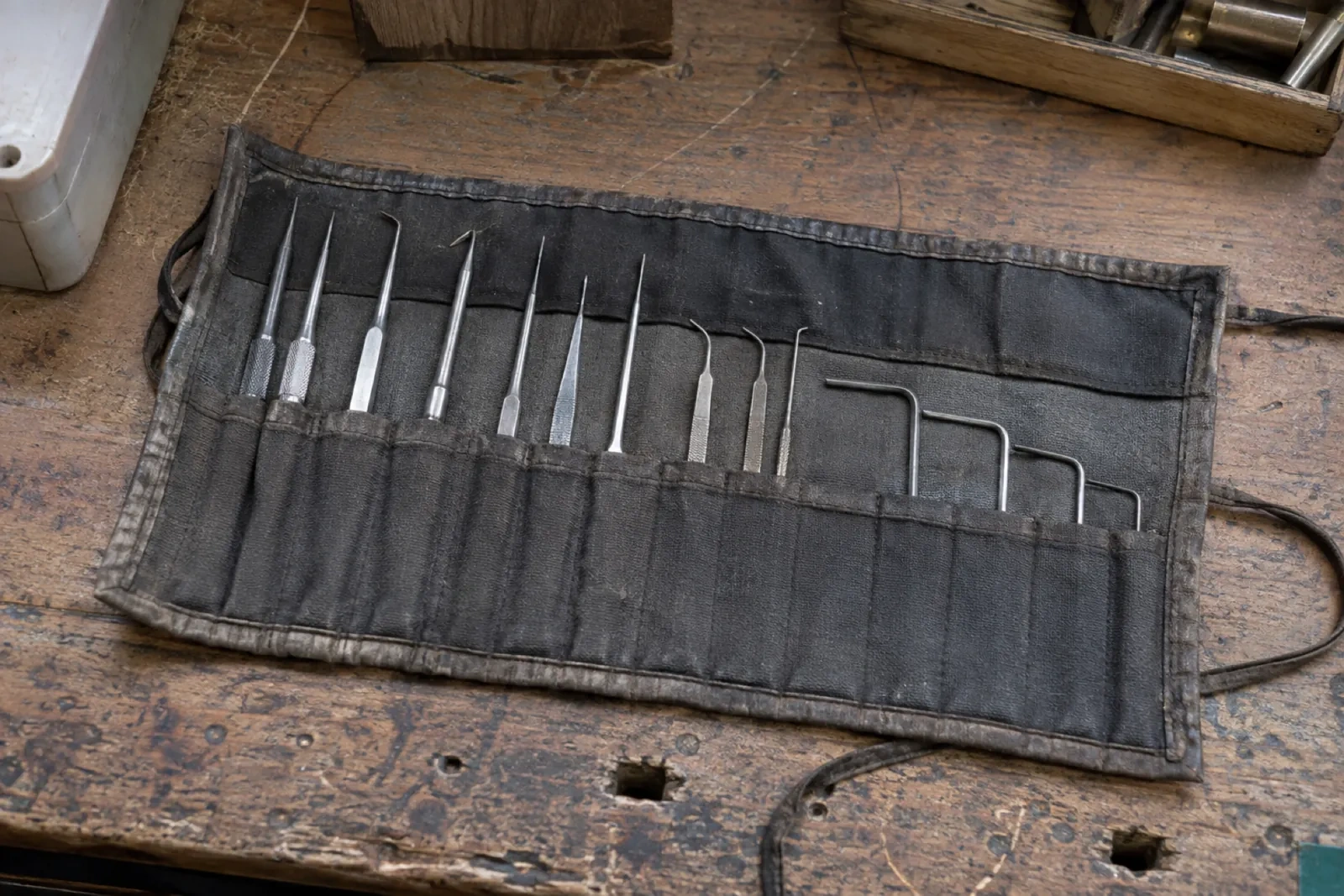
In the van
Hardwood dowel and wood glue
Hub followers and lever packs
Warding files
Cylinder set screw
Reproduction mortise case
Vintage Mortise Lock Service
What affects the quote
What is actually broken inside
A clean and new springs is the lightest job. A worn hub, a cracked lever or a part that has to be fabricated to match the original adds bench time, and the assessment names which applies before any of it starts.
Keying doors alike
Bringing several interior locks onto one bit key, or several cylinders onto one flat key, is extra bench work per lock and is simplest to arrange while all the cases are out on the same visit.
Travel and access
Distance to the property and how easy it is to work at the door, on a busy entry or a third-floor walk-up, are part of any call-out and are stated when the visit is booked.
What to have ready
- What does the knob do when you turn it: return, sag, or not come back?
- Is the trouble worse with the door closed than with it open?
- How many keys would you like to have afterwards?
Vintage Mortise Lock Service: questions
QuestionsWhat does the service visit involve, step by step?
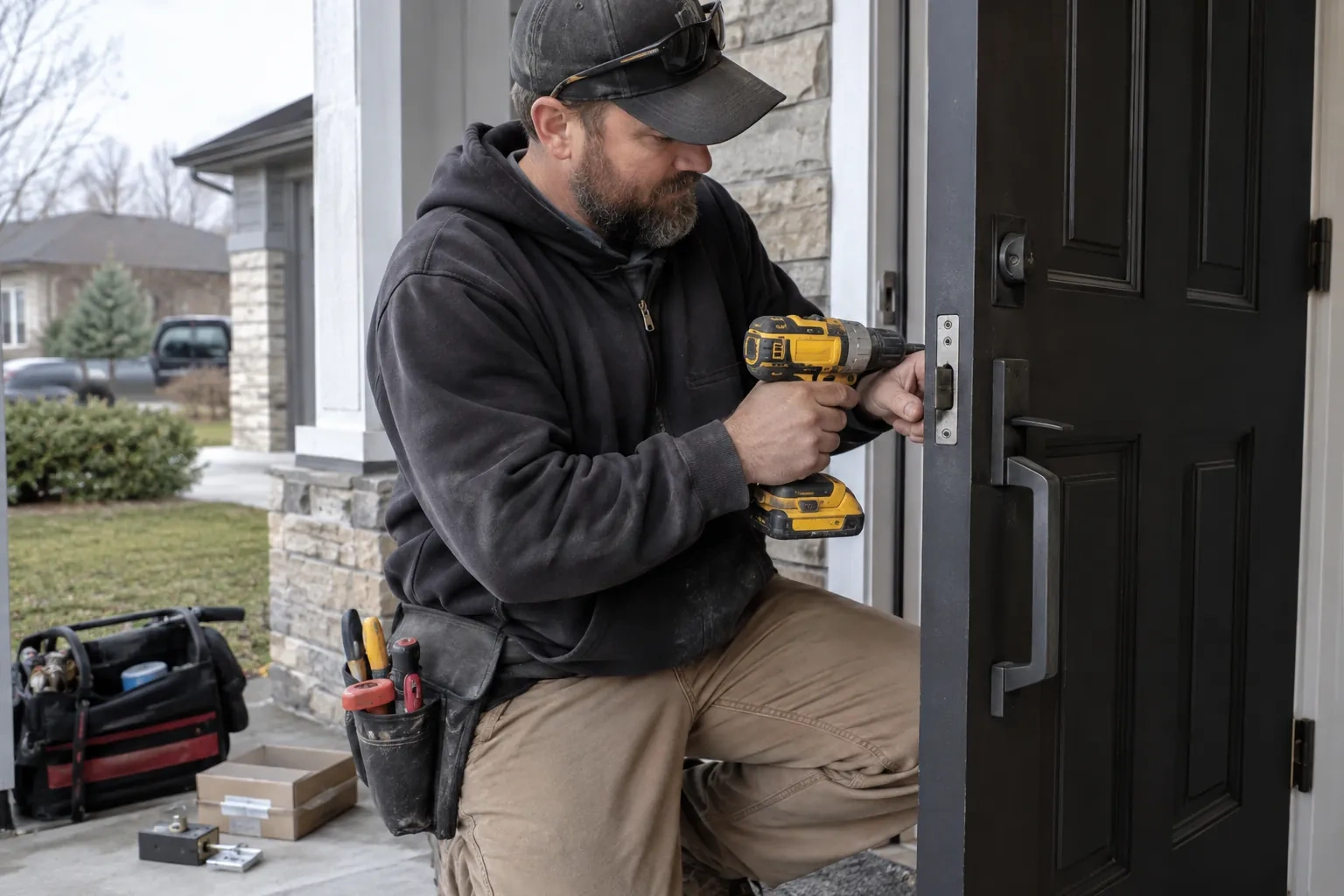
The locksmith checks your authority to request the work, examines the door and lock, and tells you what it needs. The knobs, plates and cylinder come off, the case slides out of the door edge and is opened on a bench, cleaned, re-sprung and repaired. Keys are made or the cylinder rekeyed, the door pocket is tidied, everything goes back on, and the strike is adjusted. You test the finished lock from both sides.
My home is a designated heritage property. Does that change anything?
It reinforces the choice to service rather than replace. Where a property carries a heritage designation, changes affecting listed features can need extra sign-off, and original door hardware is occasionally among those features. A rebuilt mortise case with its original trim is preservation rather than alteration, and the locksmith's written record of what was retained and what was replaced is useful for your file.
Will the door look any different afterwards?
Usually not, when the original case is repaired: the same knobs, escutcheons, faceplate and strike go back on in the same positions, and the only visible change is paint or grime cleared from the edges that were catching. A replacement case is chosen to match the pocket so original trim is reused wherever spacing allows, though an occasional case needs a small pocket or fixing change, explained beforehand.
Related services
- Deadbolt InstallationYou bought a keypad deadbolt online and pulled the old one off, only to find the hole in the door is a different size and the bolt latch sits at a backset the new kit does not list.
- Lock Replacement & UpgradeThree teenagers, a dog walker, a cleaner and one house key that keeps going missing.
- Smart Lock InstallationYou have just taken possession of the house and the previous owners handed over a keypad deadbolt with a code nobody wrote down and an app account you cannot get into.