Change or rekey · Blandford-Blenheim
Gate & Building Entry Locks in Blandford-Blenheim
The padlock on the side gate has gone stiff every winter for three years running, and this year the key simply will not turn past the first few pins.
In plain words
A gate or door that will not latch is rarely just a lock problem; more often the hardware is being asked to catch a moving target. This visit reads the gate or door's actual swing, sag and alignment first, then brings the closer, hinges, strike and cylinder into agreement with each other rather than replacing parts one at a time. Once the physical fit is right, the same lock that seemed unreliable for months often turns out to have been sound all along.
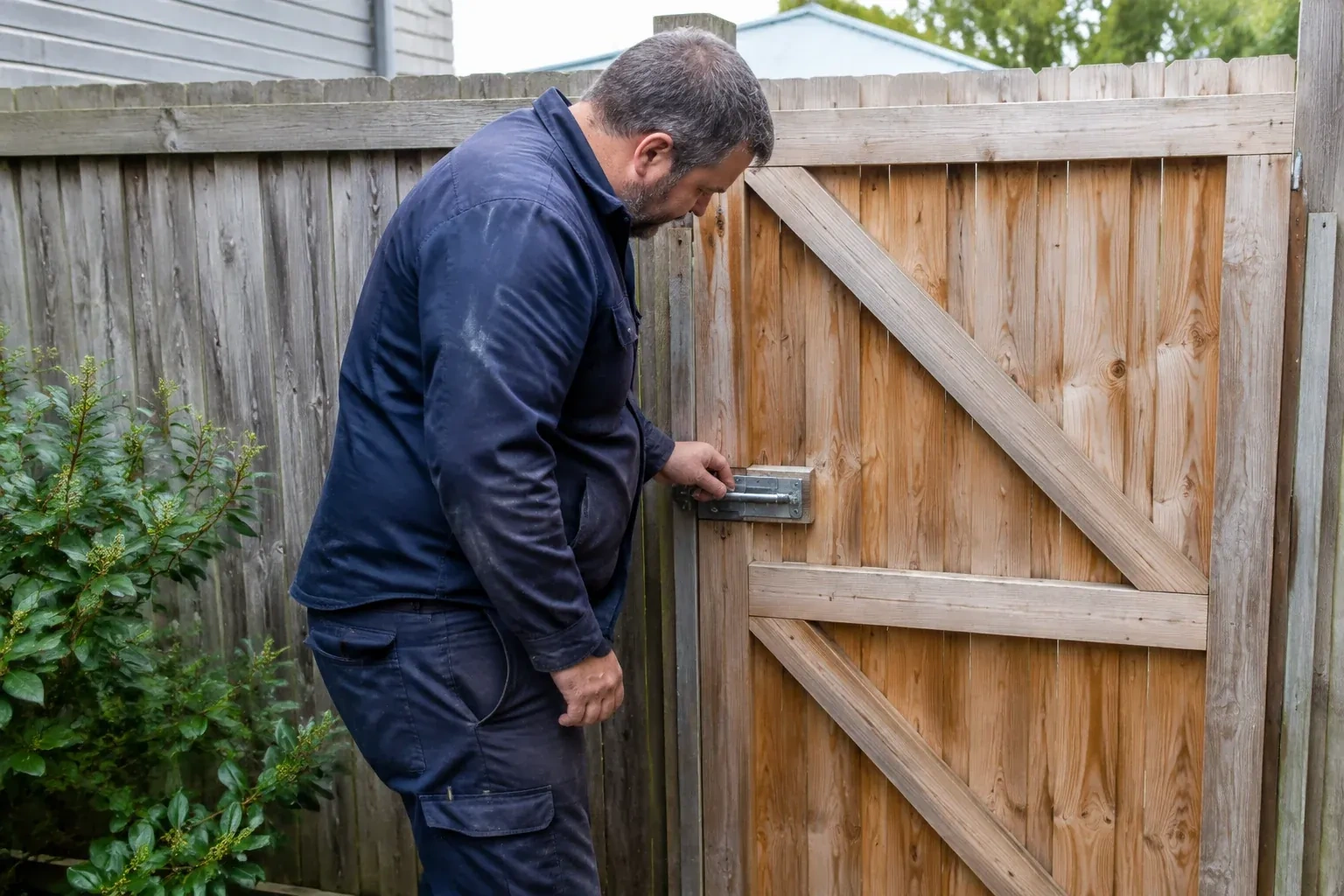
How the visit goesSomeone pried at the gate latch overnight, and now the strike plate hangs by one screw and the cylinder spins loose in its housing. The gate still closes, technically, but a firm shoulder is all it would take to open it from outside.
Gate & Building Entry Locks
How the visit goes
Taking stock of who holds a key
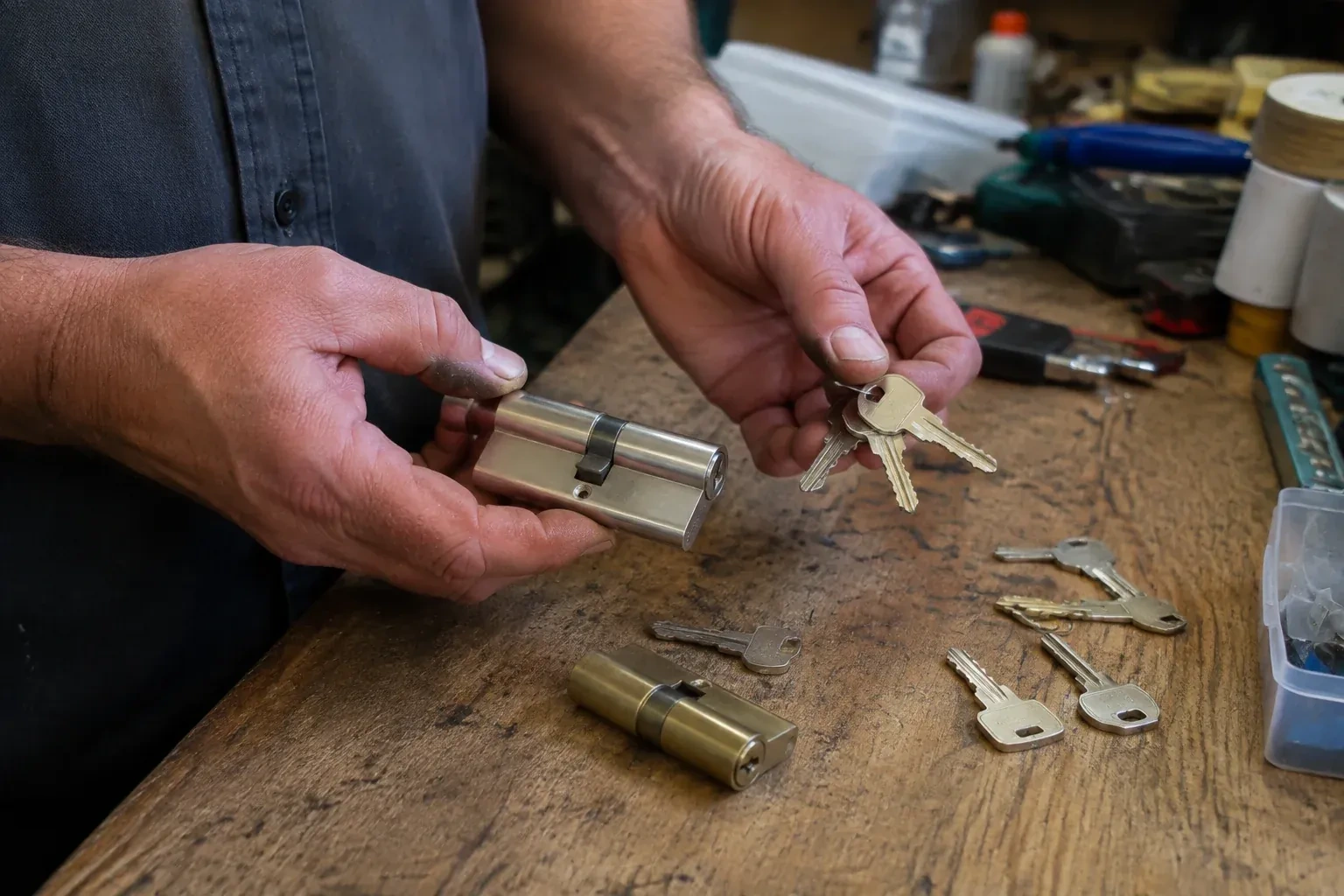
On a shared entry, the lock is only half the picture; the other half is who currently has a working key. The locksmith asks how many units or households rely on this door, whether anyone has moved out without returning a key, and whether other gates or entries on the property are meant to share the same one. That inventory decides whether a straightforward rekey covers everyone or whether some doors need to be brought onto a common key during the same visit, so nobody is left holding a key that no longer opens anything.
Freeing a seized or salted padlock
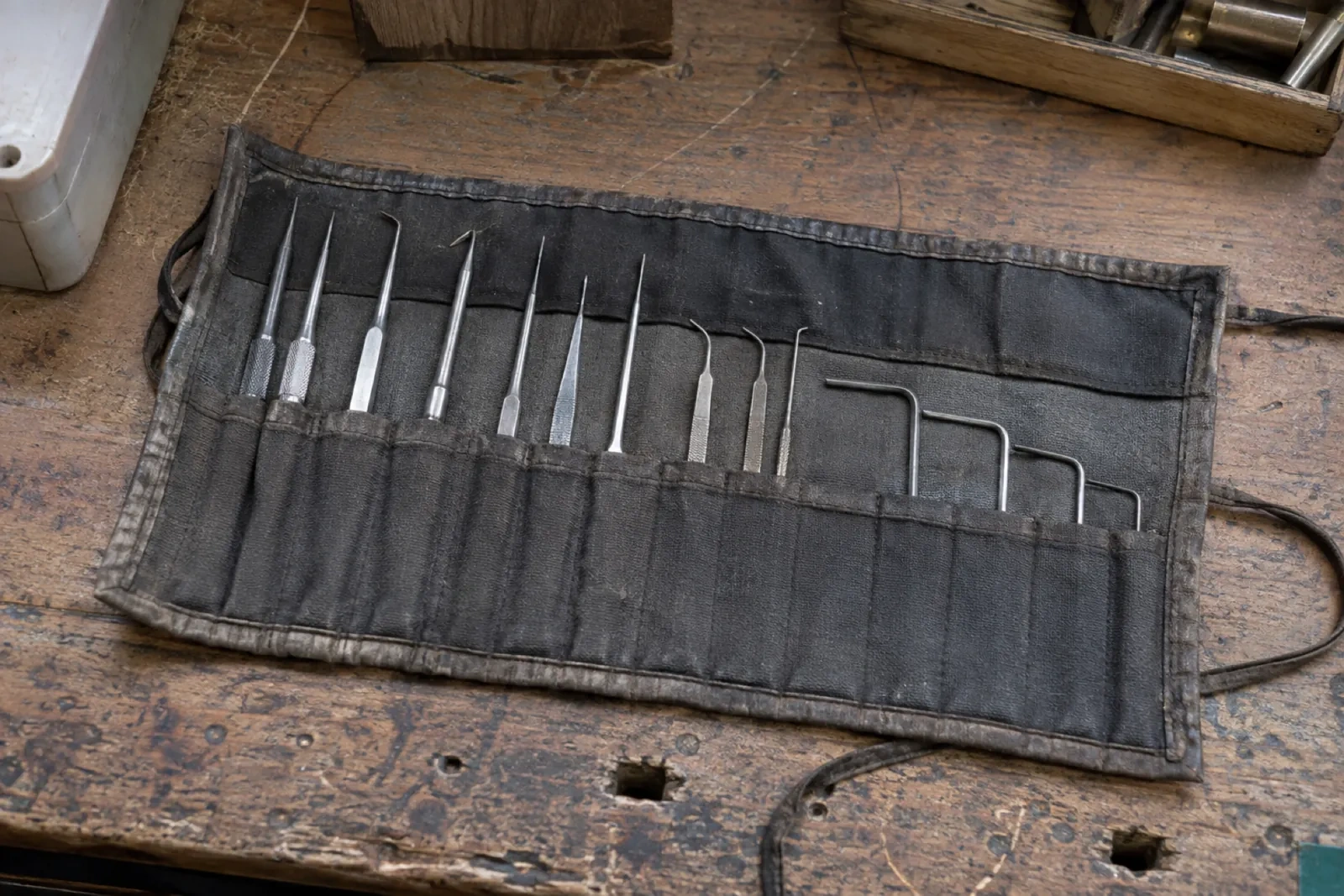
A padlock or gate cylinder stiffened by rust, dried grease or old grit is worked open with patience: a penetrating product suited to locks, gentle heat where appropriate, and a pick or the original key worked in small movements rather than forced. Where the internals have corroded past saving, the padlock or cylinder is replaced with a weather-rated unit built for that kind of exposure. Afterward the mechanism is dried and treated with the lubricant the manufacturer specifies for that cylinder, since the right product for one model can gum up another.
Nothing left half-finished after a break-in attempt
Where the visit followed prying, cutting or an attempted entry, you leave with every damaged piece accounted for: what was replaced, what was straightened, and what was simply cleaned up and reused because it tested sound. The gate or door is shown closing, latching and locking normally, and any weak point the attempt revealed, such as an undersized hasp or a strike with too little bite, has been addressed rather than left as it was found.
Gate & Building Entry Locks
In the van
Voltage tester for electric strikes
Key blanks and code cutter
Hinges, pivots and shims
Strike plates and keepers
Dry graphite or PTFE lubricant
Gate & Building Entry Locks
What affects the quote
Weather-rated versus standard hardware
Hardware built and sealed for outdoor exposure differs from standard indoor-grade hardware, and choosing the weather-rated option for anything mounted outside is reflected in the parts portion of the quote.
Number of gates or entries involved
One gate lock is the simplest case. A front gate, a side gate and a shared building entry looked at in the same visit is naturally a longer job with more hardware to work through.
Whether the property manager or a board is involved
Work on a shared building entry sometimes needs sign-off from a property manager or condo board before proceeding, and coordinating that approval, along with providing a record of the work for their files, is part of the visit.
What to have ready
- Is the gate sagging, dragging, or hard to close by hand?
- Roughly how many people currently need a working key?
- Is the lock dragging, slamming, stuck, or simply not latching?
Gate & Building Entry Locks: questions
QuestionsHow should I look after a gate lock so it keeps working?
Twice a year, work the lubricant the cylinder maker specifies into the keyway and cycle the key a few times; the wrong product for that model can collect grit or gum up the mechanism instead of helping it. Check that the closer still settles the gate into the latch without slamming, and look at hinges or post hardware for movement, especially after a hard winter. A cylinder that starts needing a wiggle, or a gate that has begun to drag, is worth addressing while it is still a small adjustment.
What actually happens during a gate or building entry lock visit?
The locksmith first watches the gate or door move and checks the hardware fitted to it, then works out whether the issue sits in the lock, the closer, the hinges or the alignment of the frame itself. Whatever combination is found, the relevant piece is adjusted, rekeyed or replaced, and the whole assembly is cycled repeatedly afterward to confirm it closes, latches and locks the same way every time. Any keys involved are cut and tested before the visit is considered complete.
How long does a gate or building entry lock visit usually take?
It depends on what the assessment finds once the locksmith is looking at the actual hardware. A single gate lock that only needs adjusting or rekeying is a shorter visit than one where the closer, hinges and post all need attention, or where several gates on a property are being brought onto one key. Electronic hardware such as a buzzer or electric strike adds its own testing time. The locksmith can give a closer sense of the scope once the gate or door has been examined in person.
Related services
- Deadbolt InstallationYou bought a keypad deadbolt online and pulled the old one off, only to find the hole in the door is a different size and the bolt latch sits at a backset the new kit does not list.
- Lock Replacement & UpgradeThree teenagers, a dog walker, a cleaner and one house key that keeps going missing.
- Vintage Mortise Lock ServiceSomeone painted the door years ago without removing the hardware.