Locksmith in Wilmot, OntarioLocksmith in Wilmot.Doors that lock properly.
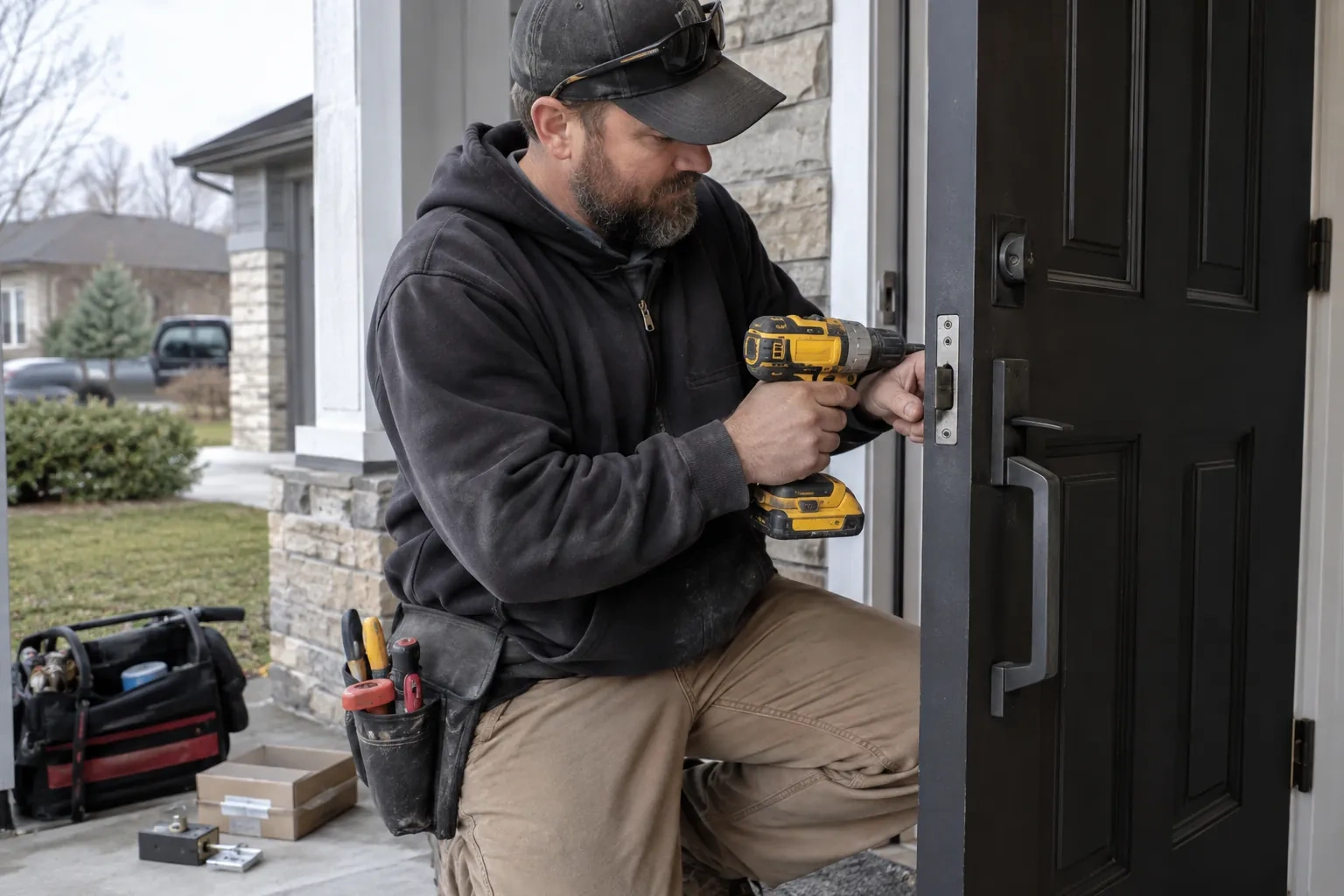
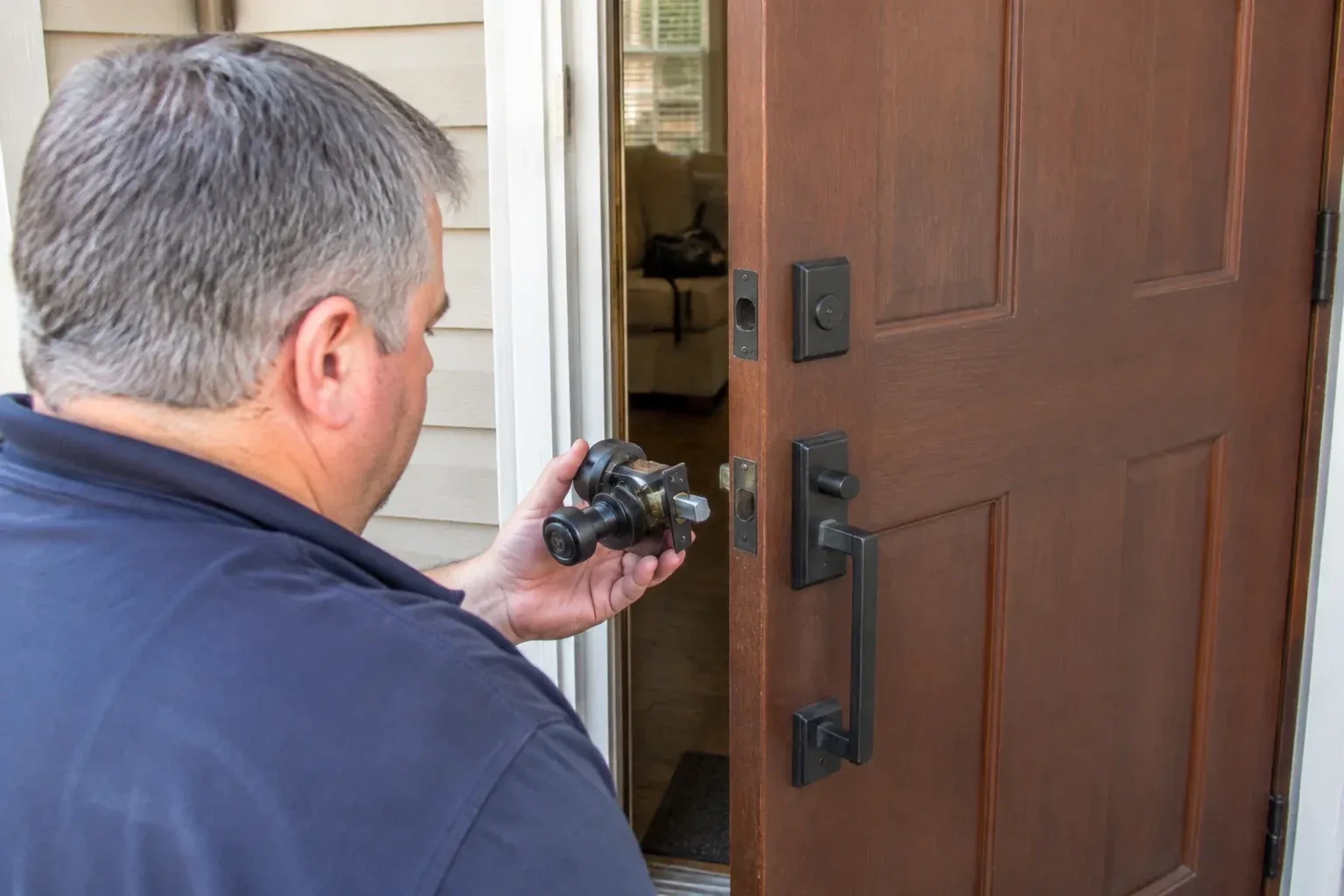
Every street in Wilmot has a door that sticks, a deadbolt that needs a shove, or a key that was lent out and never came back. We rekey, repair and replace lock hardware for homes and businesses here, explain what we find in ordinary words, and leave you with keys that turn the way they should. We also come out to Wilmot Centre.
Every street in Wilmot has a door that sticks, a deadbolt that needs a shove, or a key that was lent out and never came back. We rekey, repair and replace lock hardware for homes and businesses here, explain what we find in ordinary words, and leave you with keys that turn the way they should. We also come out to Wilmot Centre.
Plain talk, tidy work.
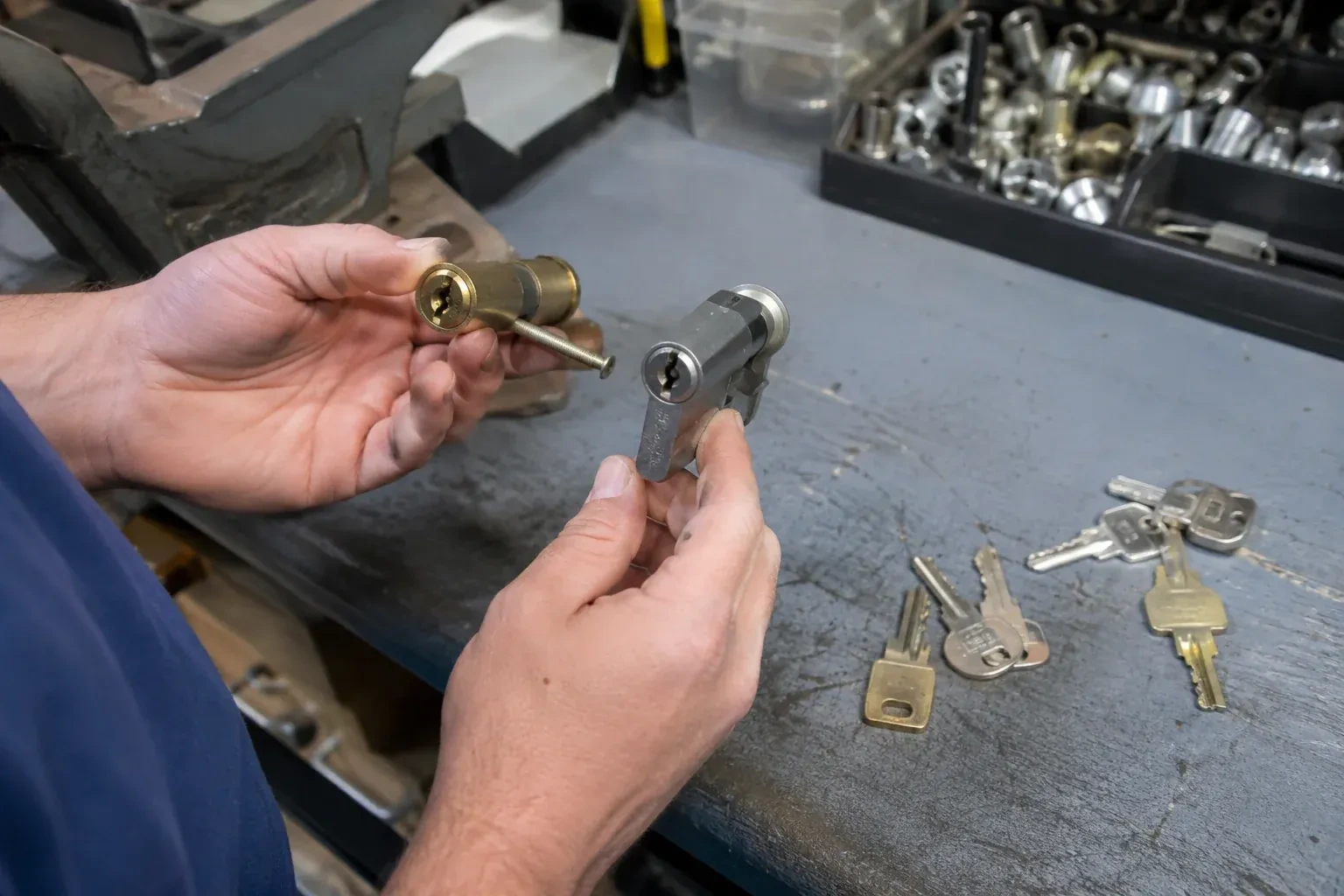
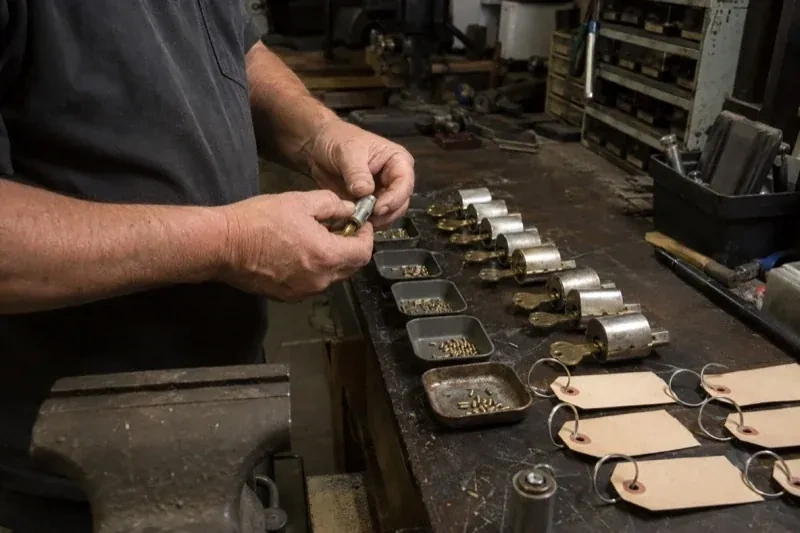
For businesses in Wilmot we keep records. Which cylinders were pinned to which key, how many keys were cut, which doors carry a master, when the closers were last adjusted. That paperwork lands in your inbox after the visit so the next staff change or the next audit is a matter of reading a page rather than calling around.
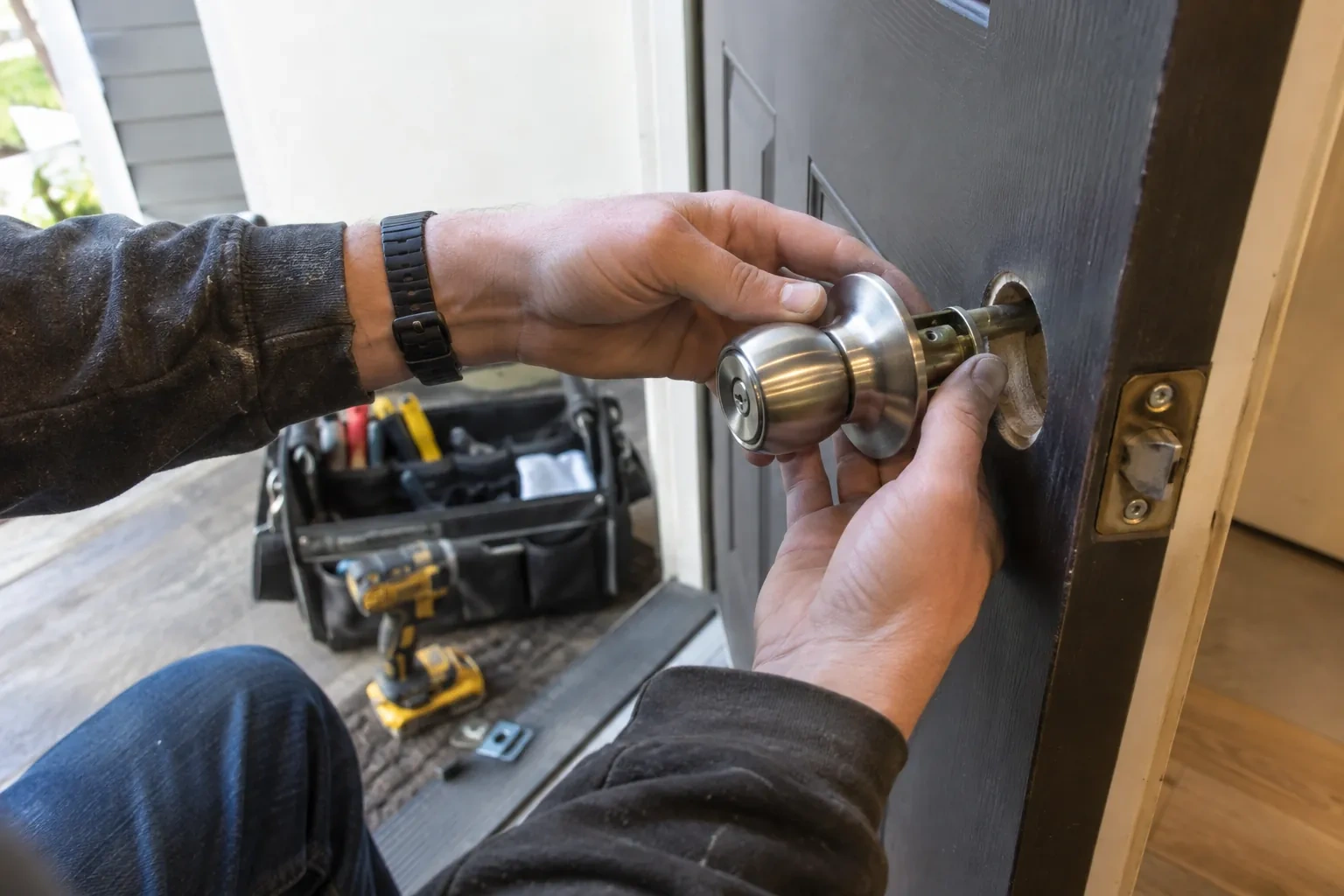
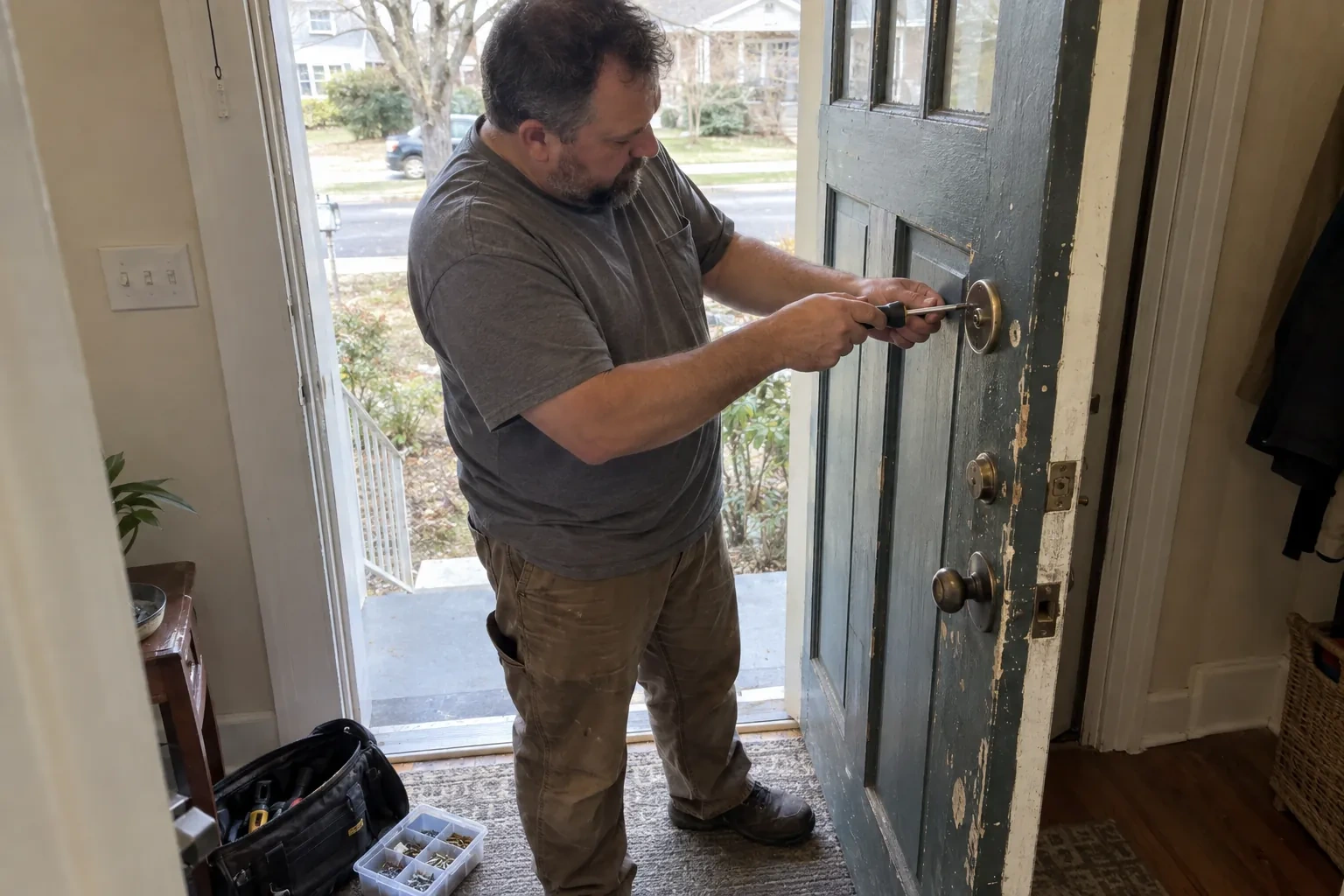
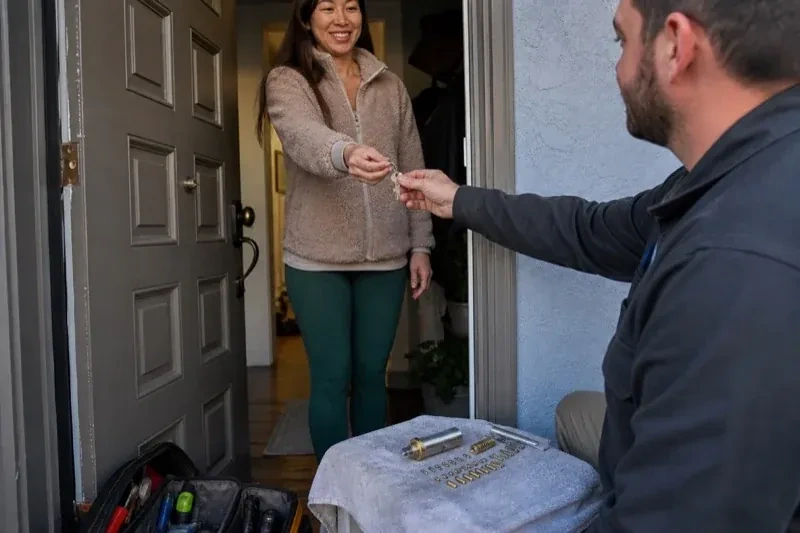
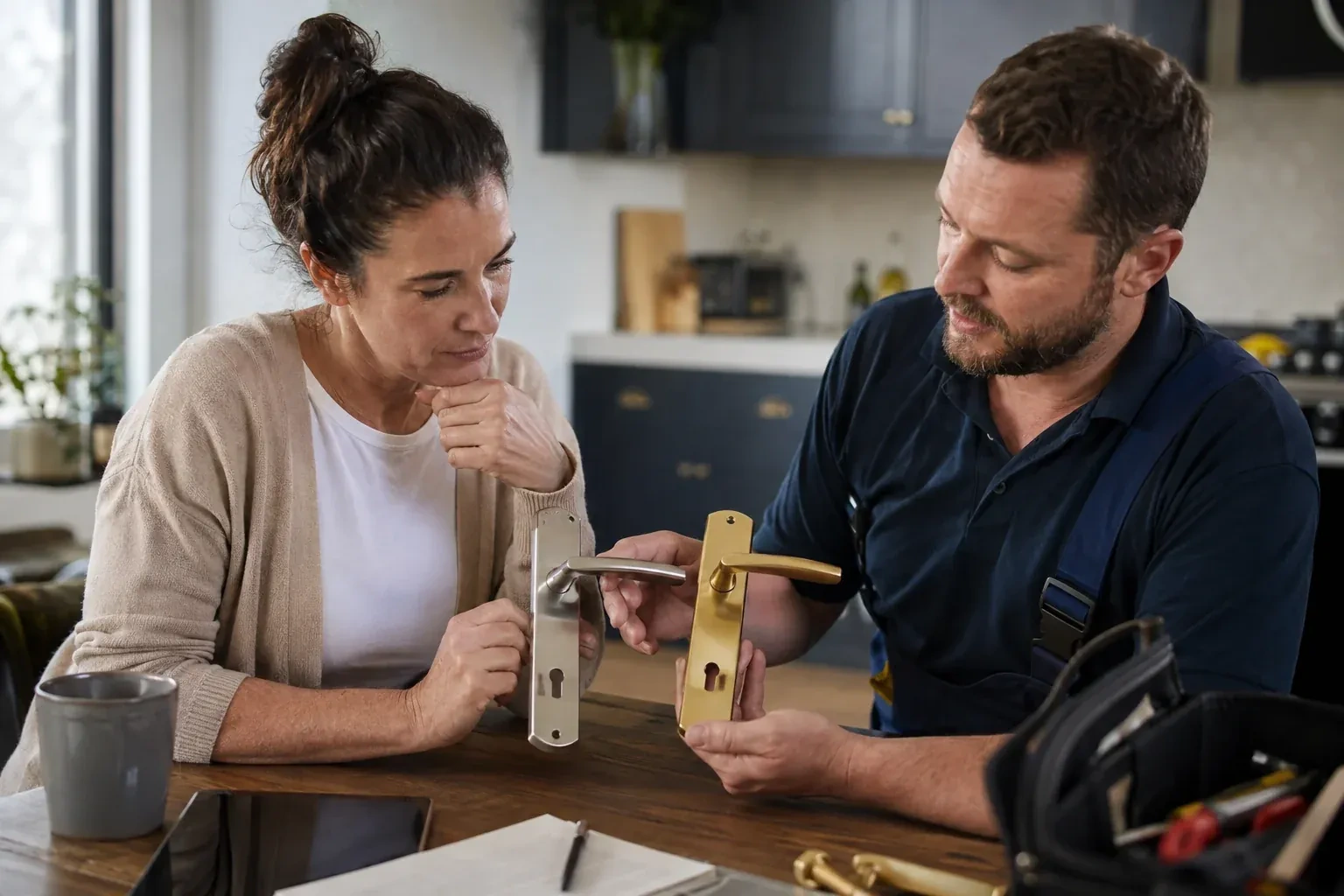
For families in Wilmot, the goal is usually simple: a door that locks with one hand, keys that turn without a fight, and the peace of mind that nobody else holds a copy. We deliver that through rekeying, careful deadbolt installation and attention to the frame and hinges, and we show you everything before we leave.
11years in business
24/7open every day
Identity checked, politely. For openings and key work we confirm you have the right to be there. We explain why we ask, and we ask everyone.
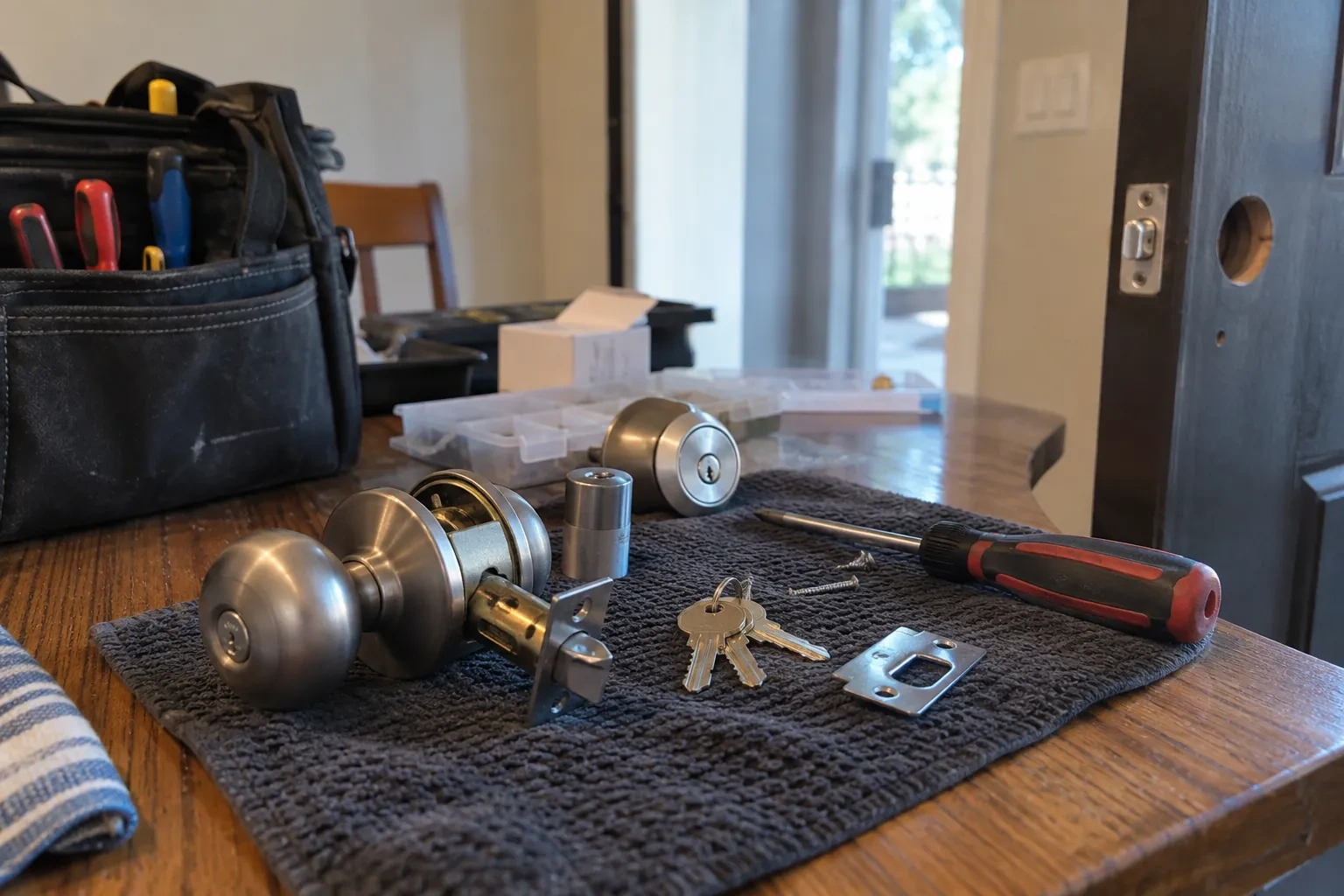
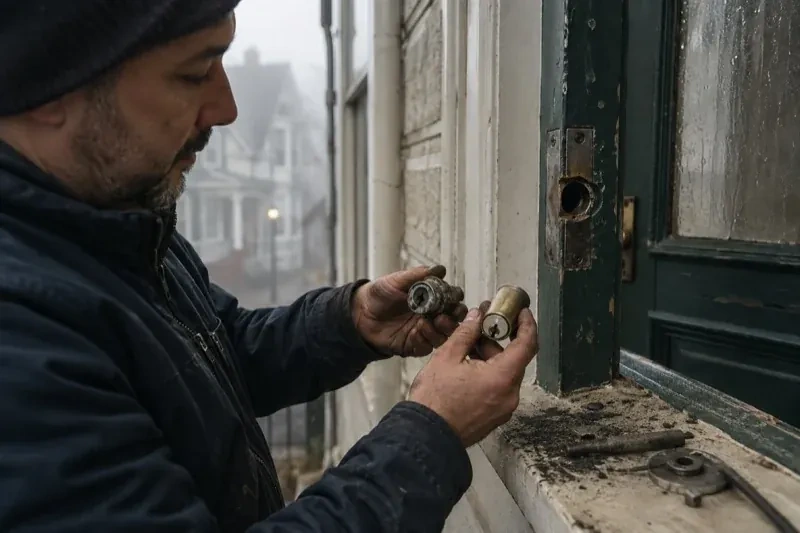
Work you can watch. There is nothing hidden about what we do. Stand beside us, ask questions, and we will show you what the lock looks like inside.
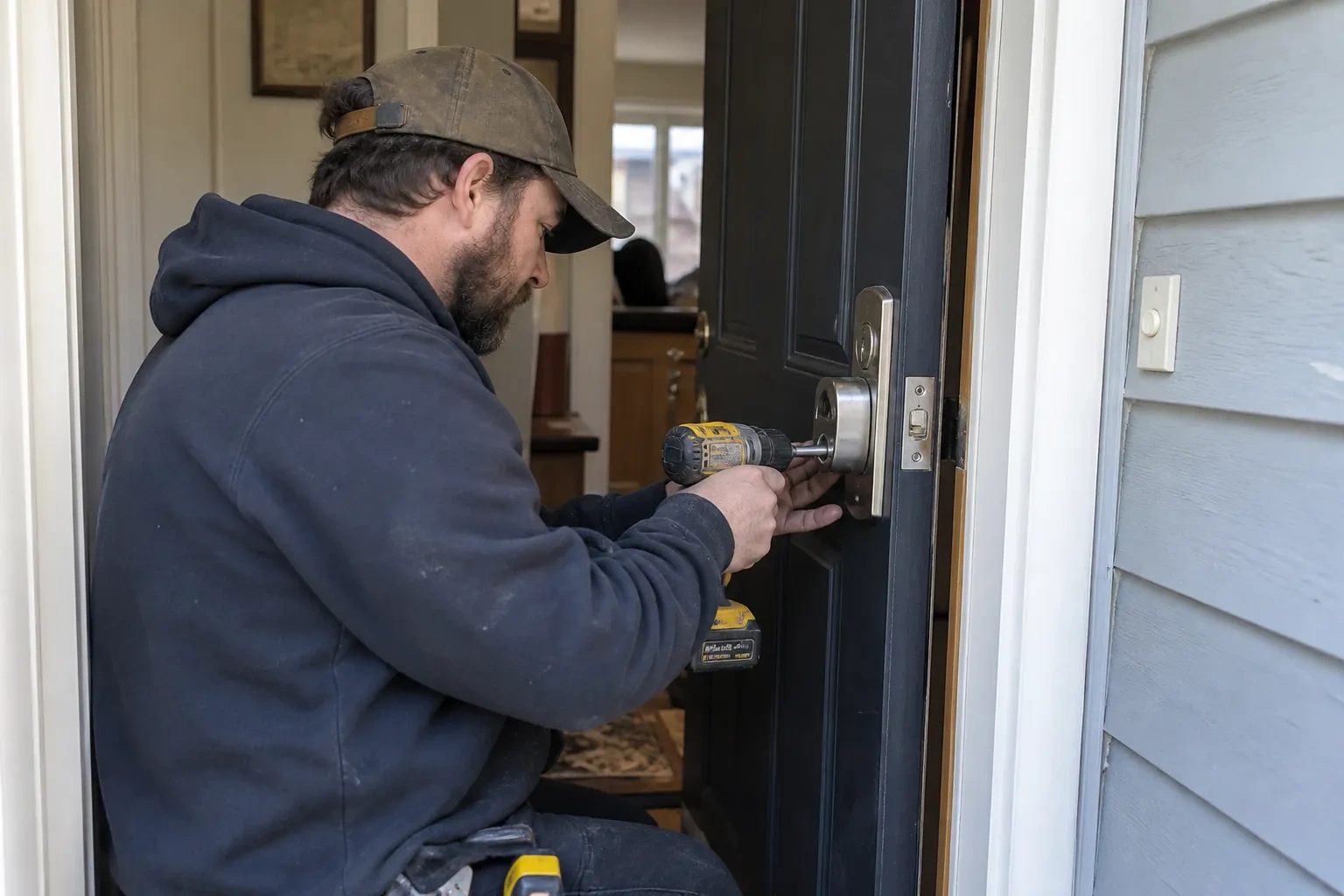
Clean hands, clean floor. We put down a mat where there is drilling, wipe the hardware down and leave the area as we found it, only with a working lock.
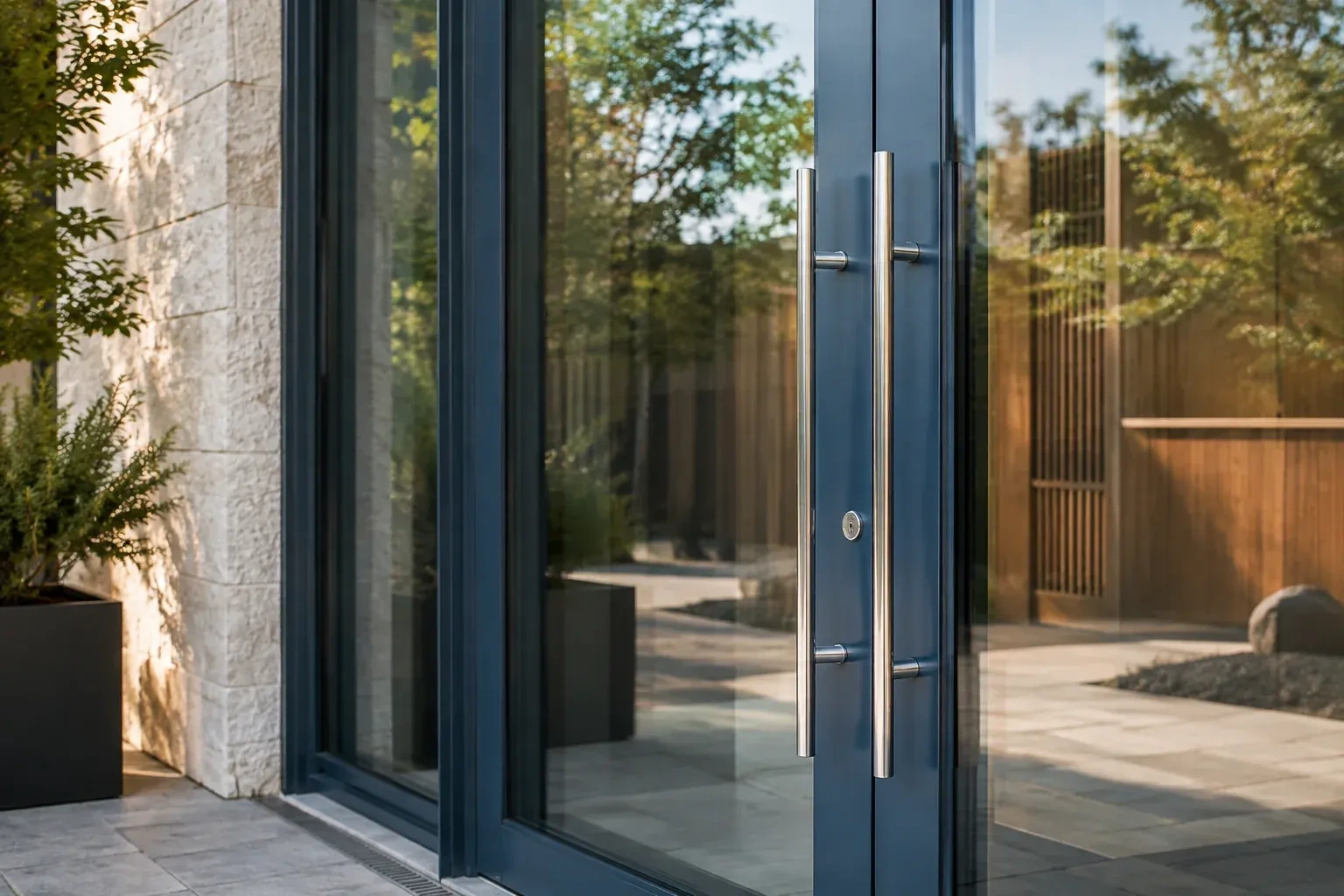
From the front door of a house to the back door of a warehouse, the work in Wilmot comes down to a few families of jobs: getting in, changing who can get in, making it harder for the wrong people to get in, and keeping the hardware turning smoothly year after year. Browse the list to find yours.
About 41% of homes in Wilmot were built in 1980 or earlier, according to the 2021 Census.
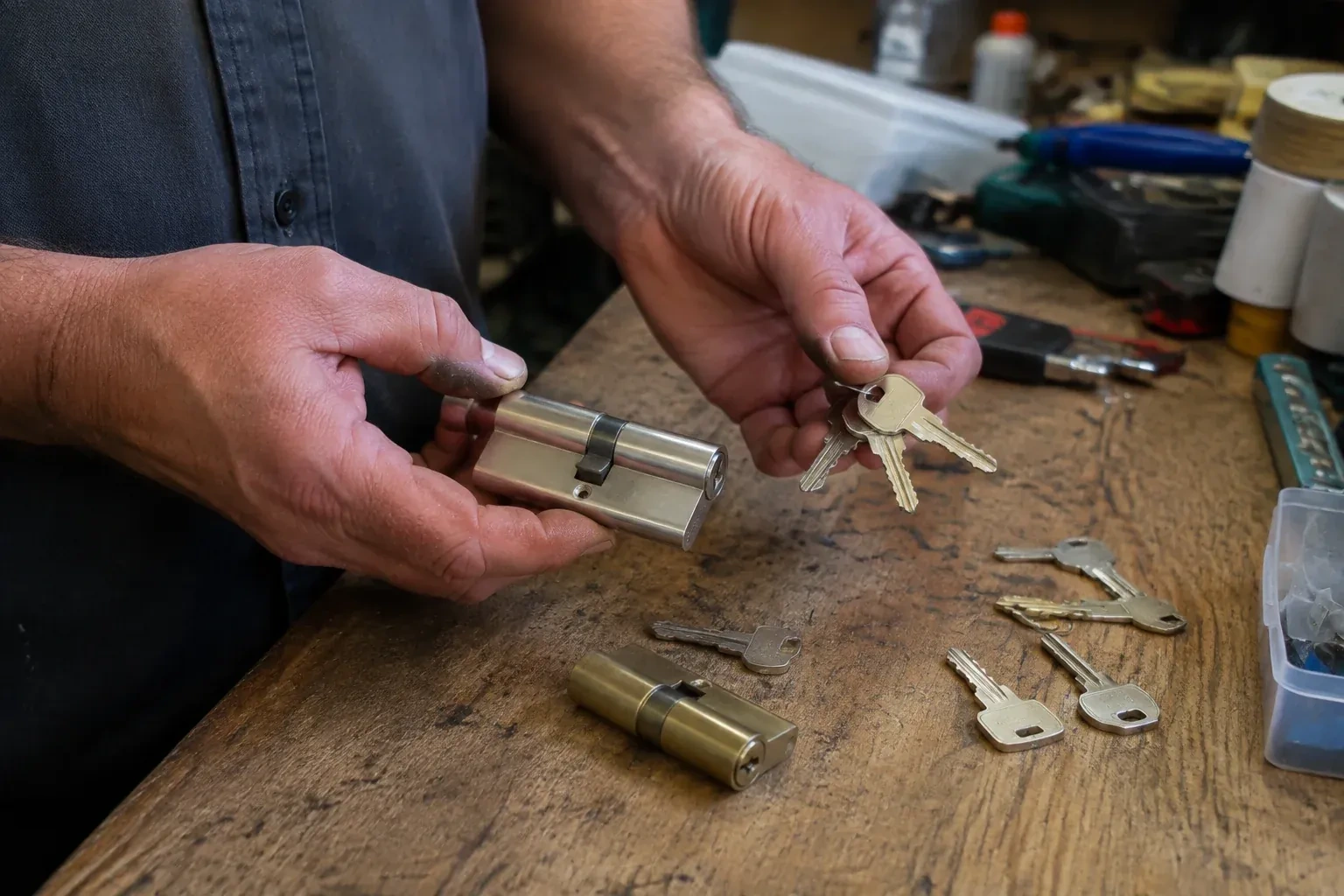
In an area of varied housing ages, rekeying is the one job that fits every door. Old cylinders and new ones both take fresh pins, so a household moving into either kind of home can start with keys that nobody else holds.
Single-detached houses make up about 79% of homes in Wilmot (2021 Census).
Mostly houses
Homeowners in houses often want a spare key that lives outside safely. A locksmith can fit a proper key safe or set up a keypad so a hidden key under a pot is no longer part of the plan.
Someone smashed the little window beside the door, reached in and turned the thumb-turn. The lock itself is fine, but there is glass on the mat, a hole in the sidelight and a deadbolt anyone can reach.
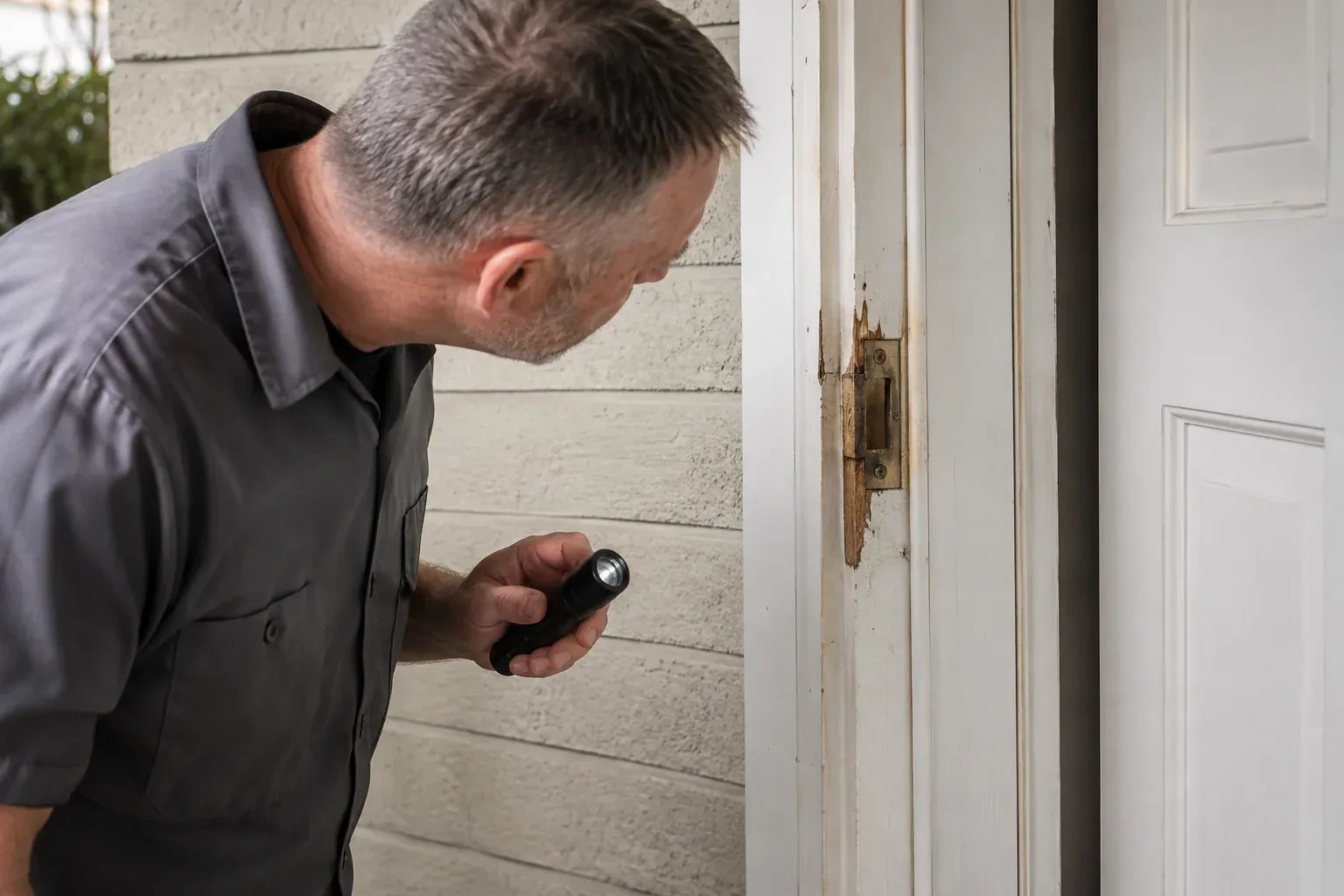
The back door has a deadbolt in name only: a short bolt, a thin brass strike held by two little screws, and a jamb you can flex with your palm. It was fine for a builder's showing. It is not fine for a laneway.
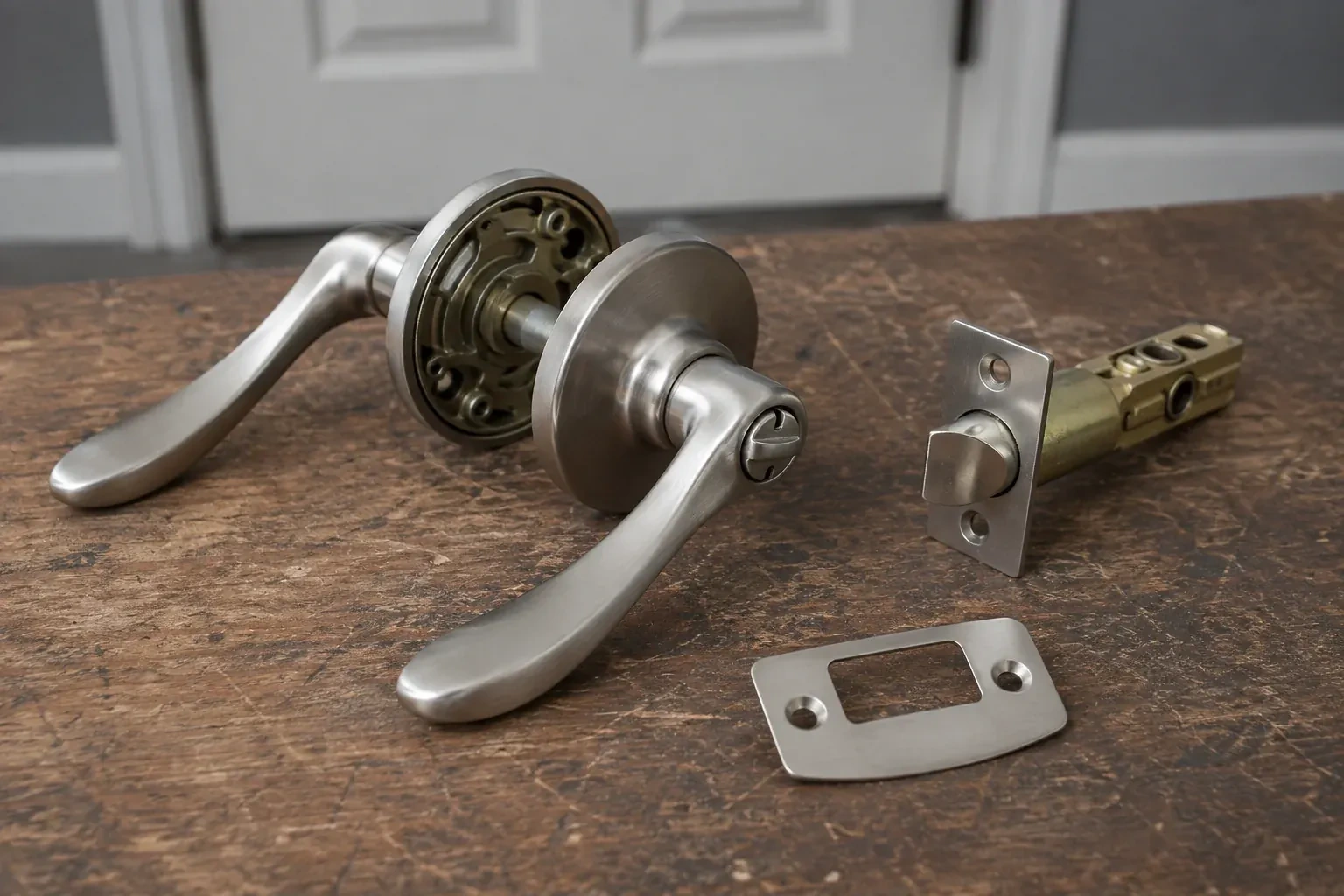
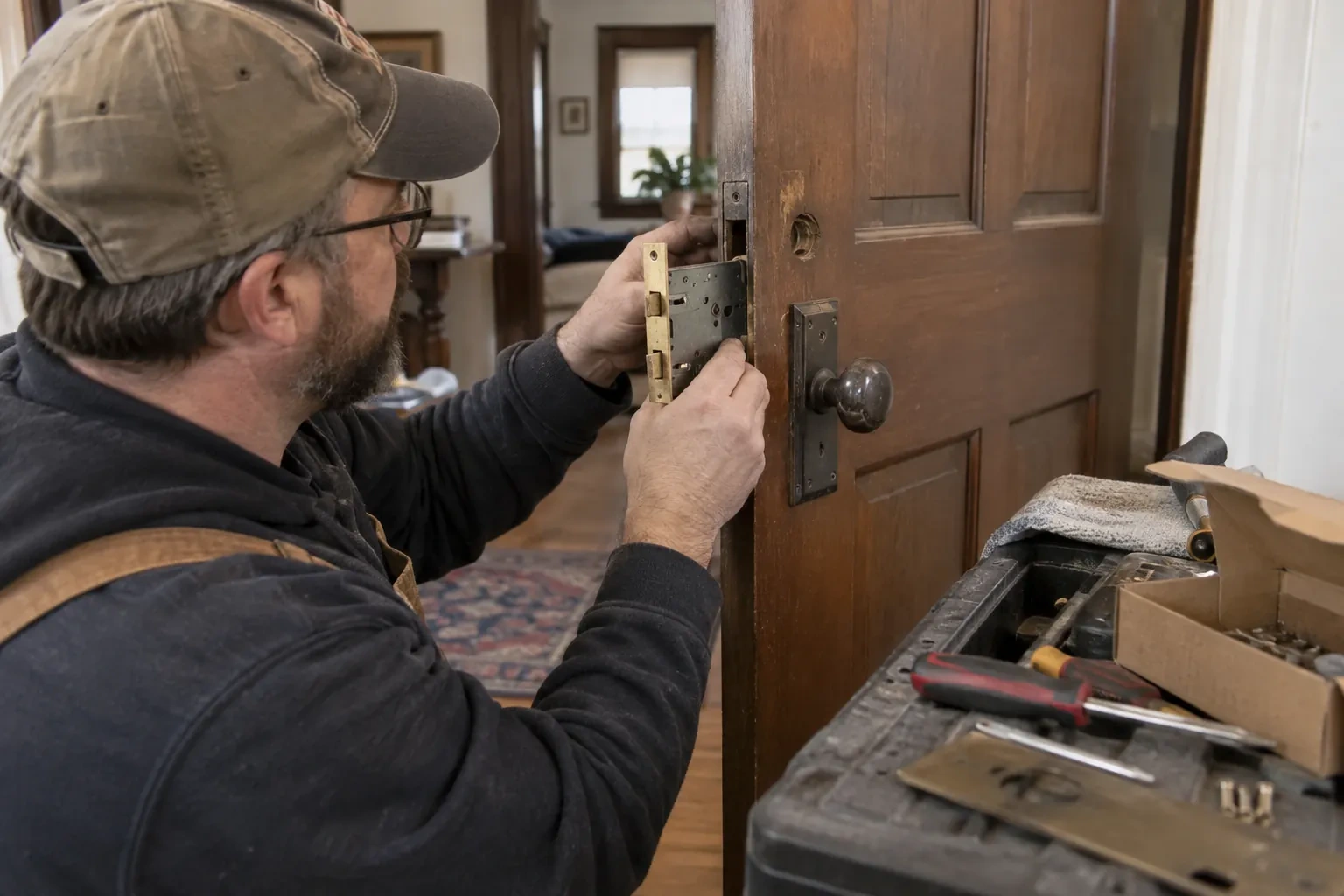
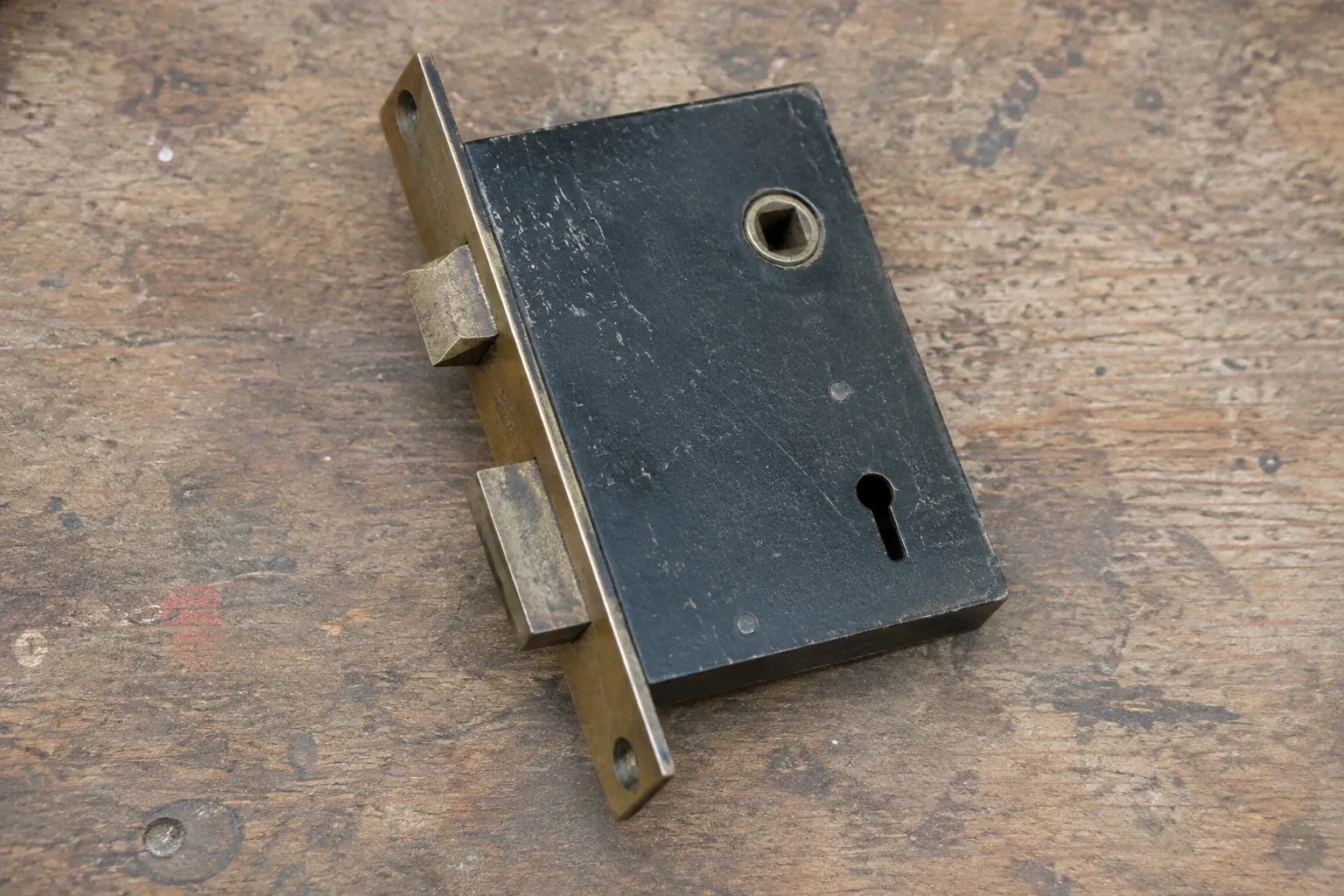
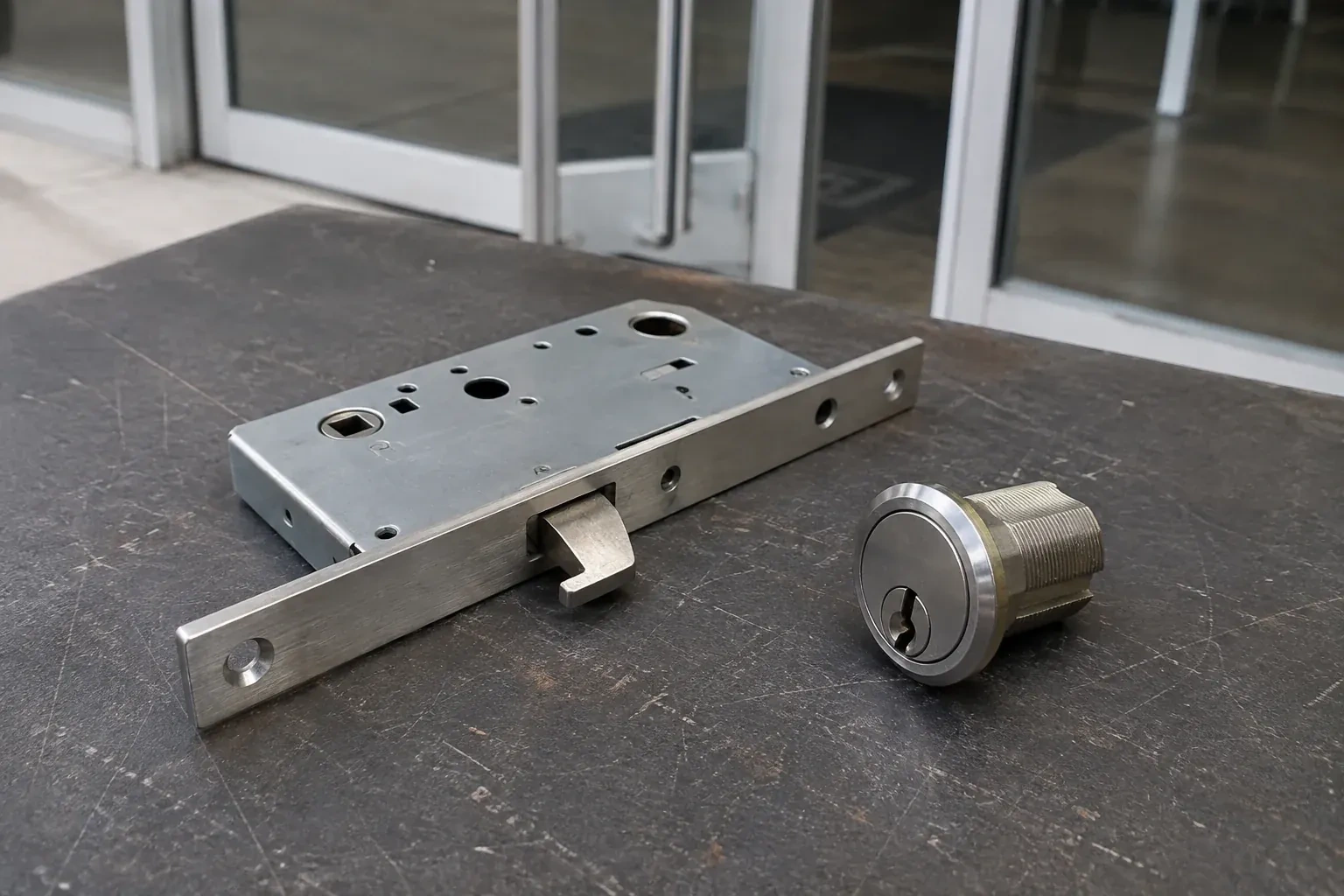
The century home's original mortise lock takes a key the size of a spoon, sticks in humid weather and has worn its strike to a groove. You want a lock that works every day without giving up the old door.
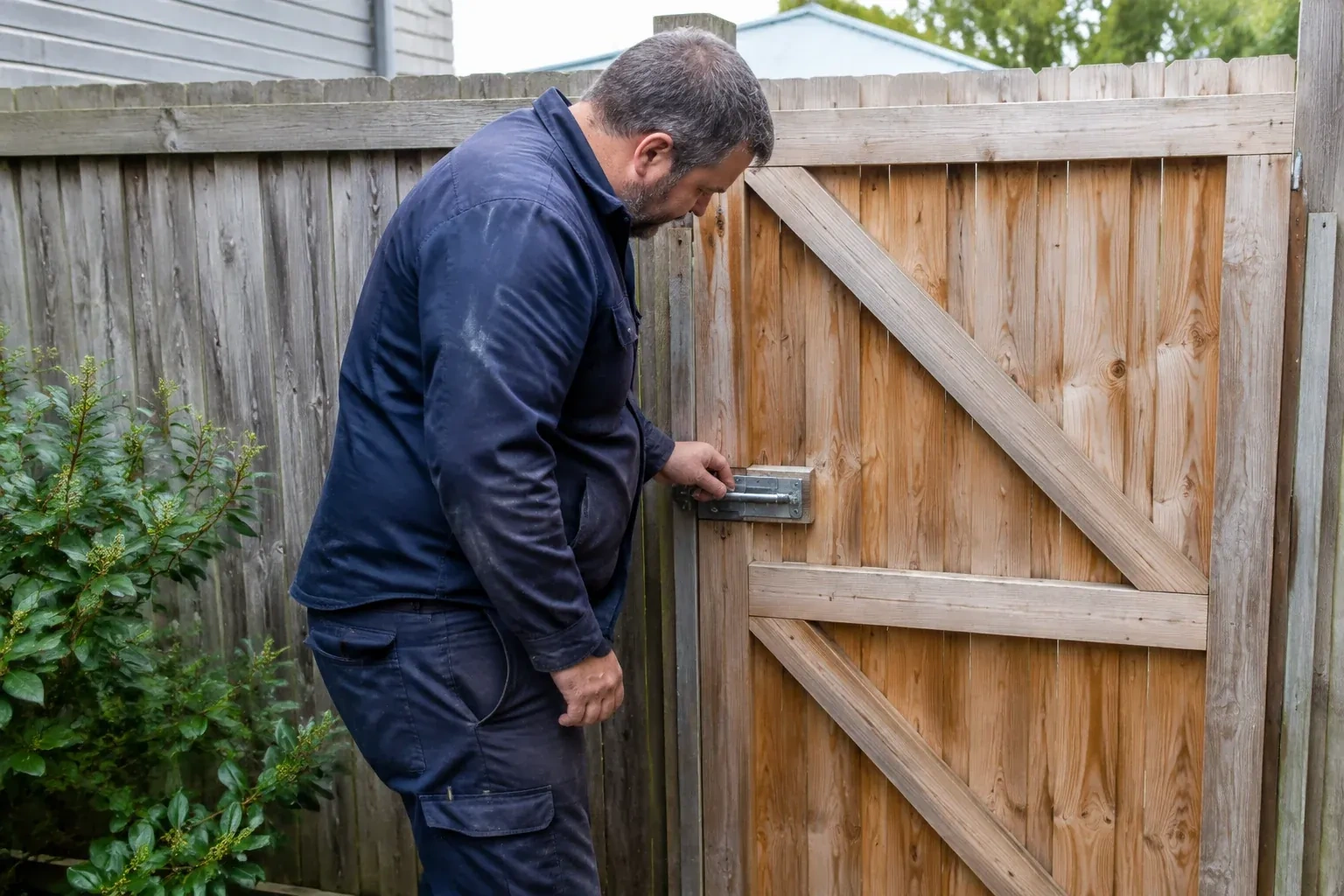
The padlock on the side gate has gone stiff every winter for three years running, and this year the key simply will not turn past the first few pins. Salt spray off the road and a season of meltwater have left the cylinder pitted and reluctant.
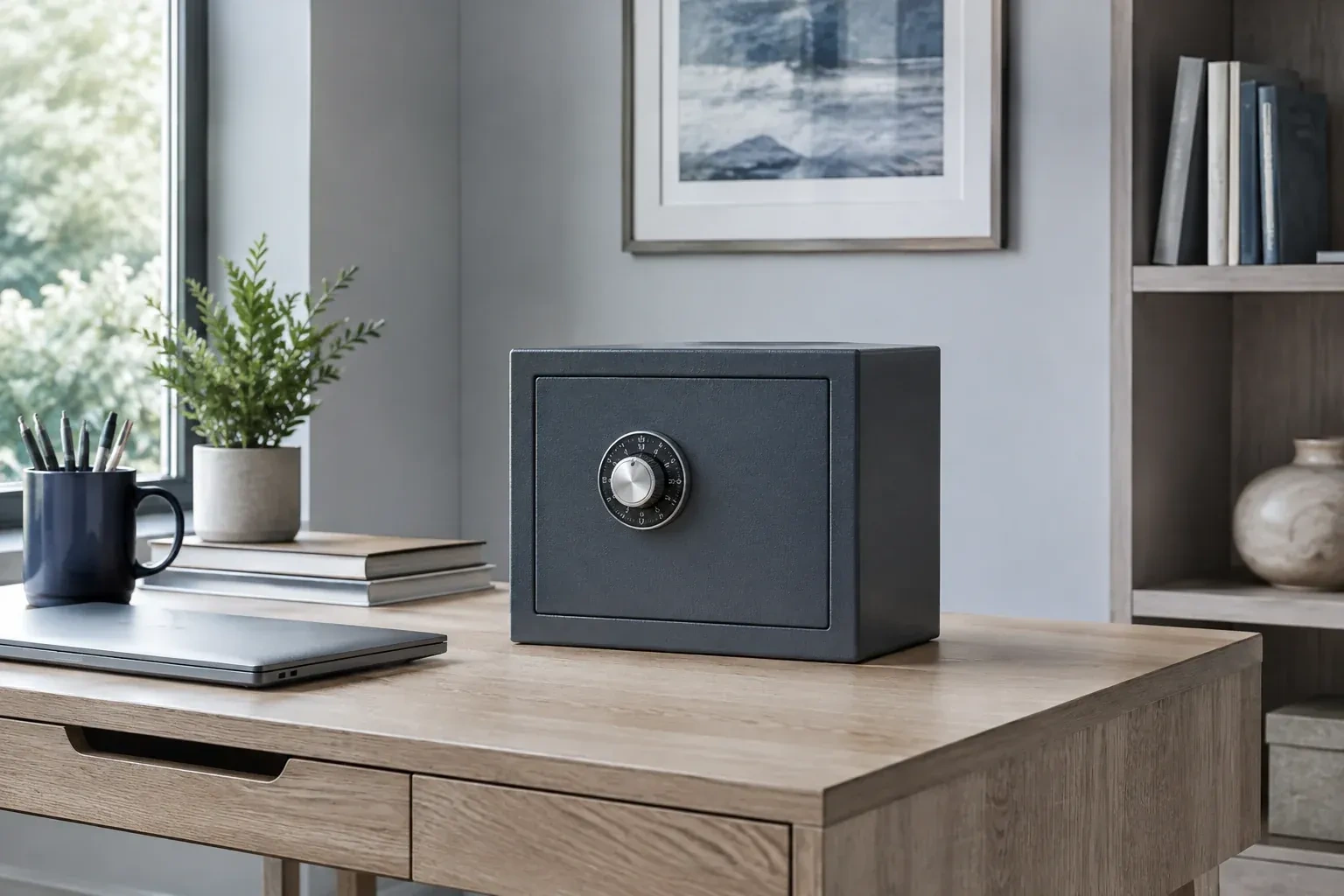
A software update reset the clinic's small safe overnight, and the receptionist's usual code now does nothing on a keypad that lights up but goes no further.
Deliveries arrive before anyone is scheduled to be there, which right now means either propping the loading dock open at dawn or handing a key to a driver you have never met.
It is a January morning, minus twenty with the wind, and the key will not enter the door cylinder. Yesterday's slush ran into the keyhole and froze overnight. The door itself is glued to its rubber seal, and the fob has gone quiet in the cold.
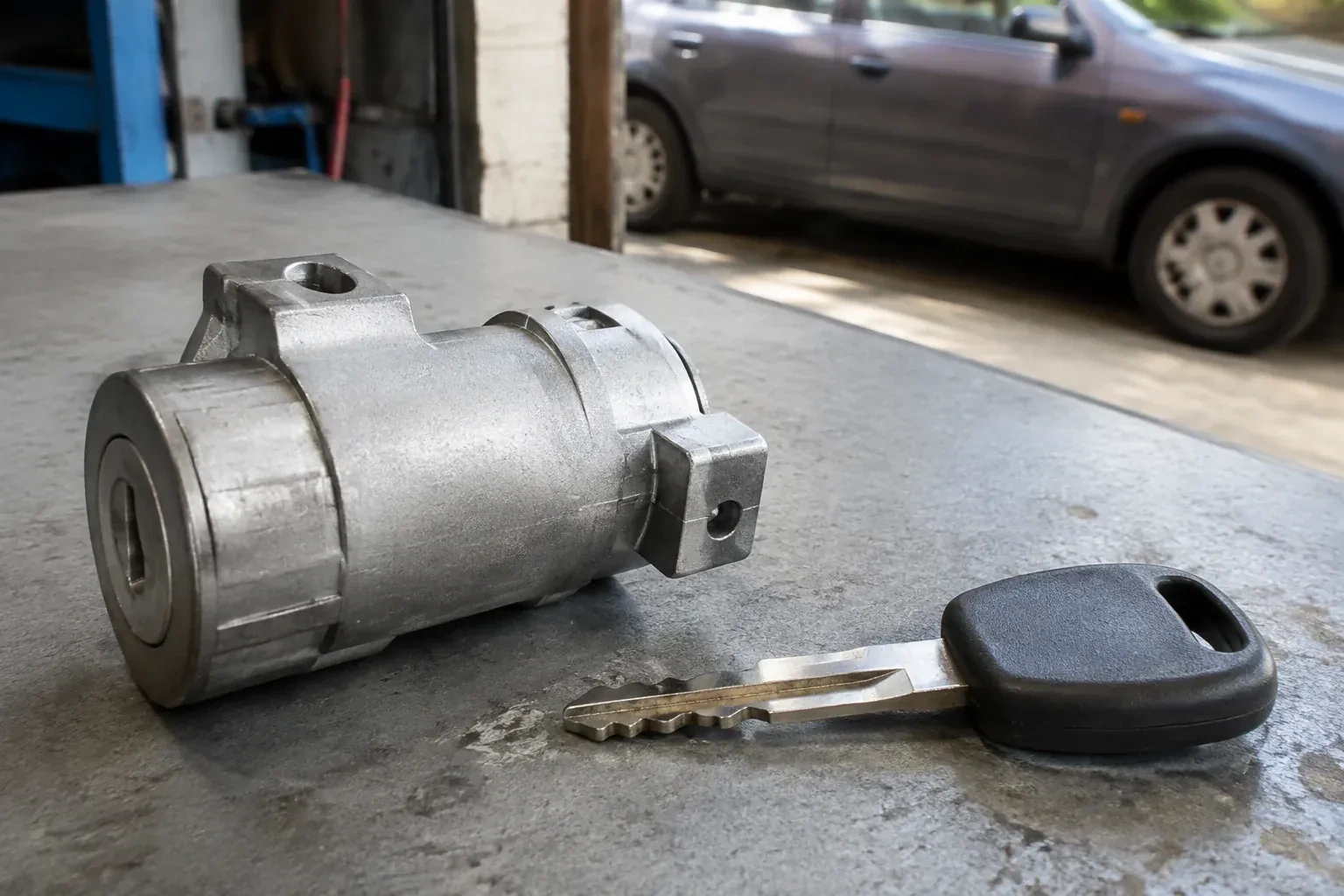
Turning the key used to take one smooth motion. Lately it grinds partway through, sometimes needing a second attempt, and yesterday it stopped reaching start altogether. The key itself looks the same as always; something inside the ignition has changed instead.
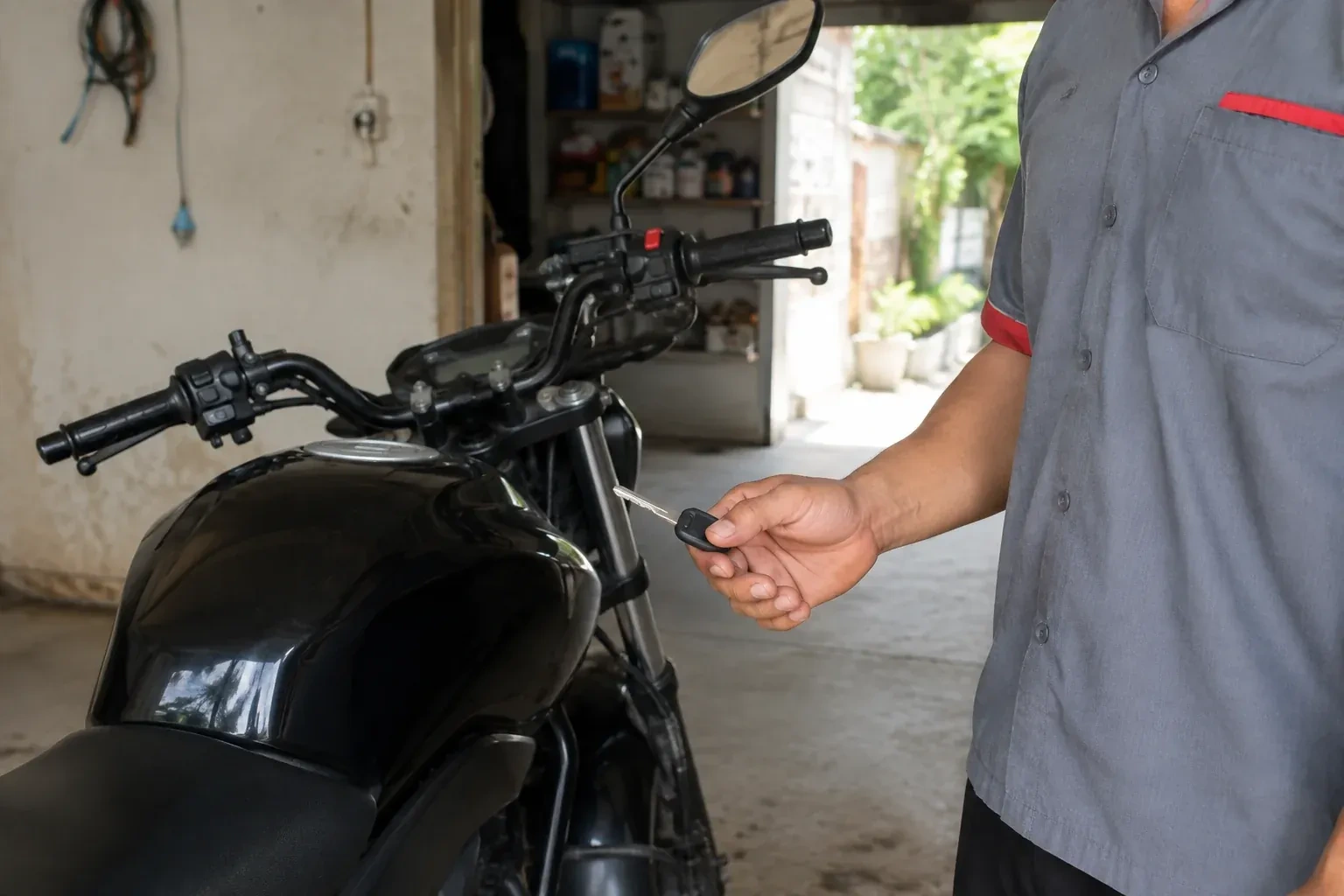
The key still opens the seat and unlocks the fork, but at the ignition it needs a slow half-turn and a small lift before the switch engages, a habit that has crept in over years of daily starts.
Services here appear in the order a business tends to need them: a lockout or a lost key first, then rekeying, then a master system, then exit hardware and access control as the premises grow and the staff list lengthens.
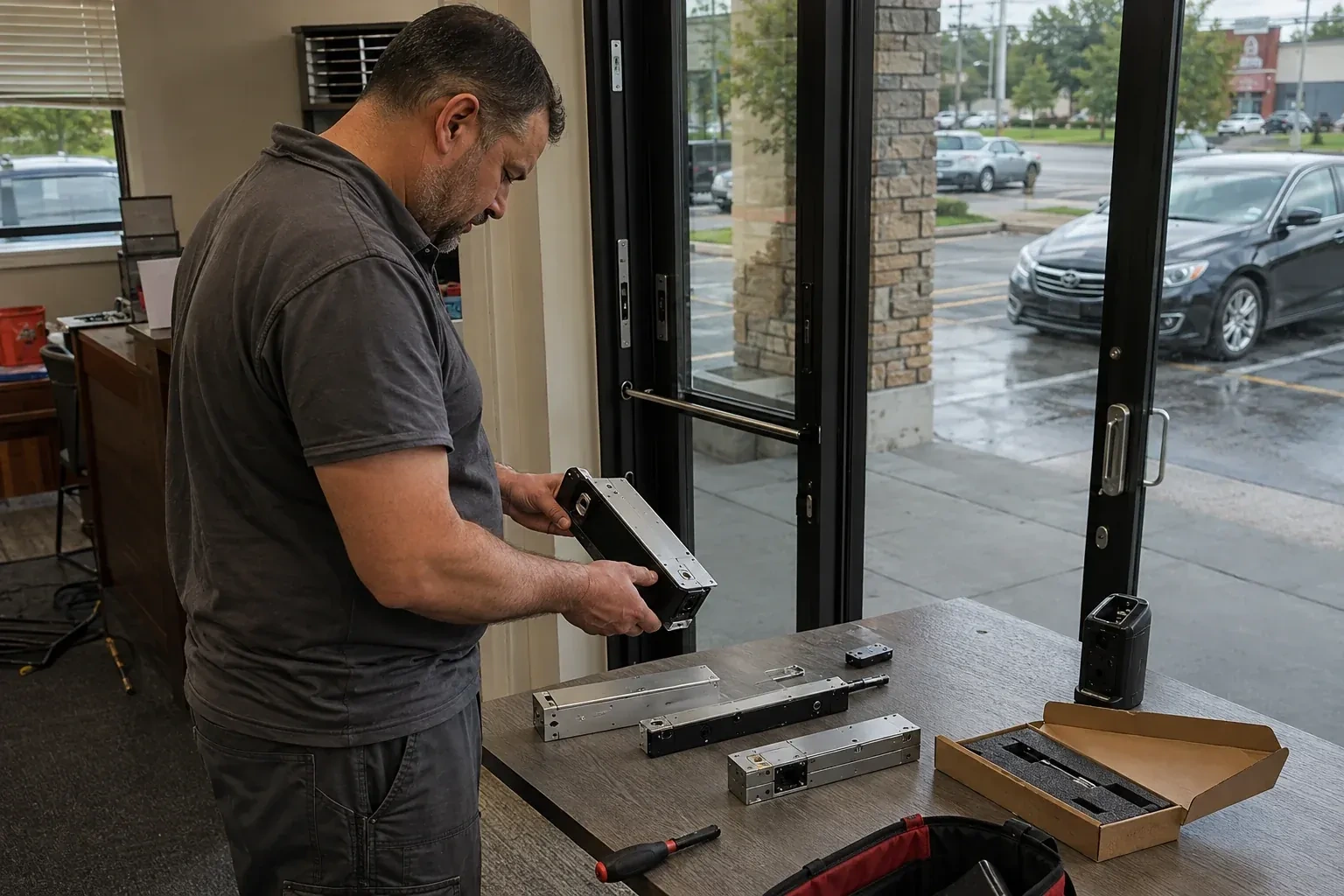
WhySome building entries add a buzzer, a keypad or an electric strike to the mechanical lock, and any one of those pieces can be the reason a door stops releasing on cue.
A software update reset the clinic's small safe overnight, and the receptionist's usual code now does nothing on a keypad that lights up but goes no further.
WhyOnce a safe is open, the visit is only half finished.
Deliveries arrive before anyone is scheduled to be there, which right now means either propping the loading dock open at dawn or handing a key to a driver you have never met.
WhyWhere a building has more than one controlled door, a networked system lets each opening run its own schedule: the front office unlocked for regular hours, a stockroom open to two people only, a loading dock released for a delivery window, with the management software tying those schedules together.
It is a January morning, minus twenty with the wind, and the key will not enter the door cylinder.
WhyA key that has snapped off inside the ignition barrel is not the end of the key, or of the barrel.
The key still opens the seat and unlocks the fork, but at the ignition it needs a slow half-turn and a small lift before the switch engages, a habit that has crept in over years of daily starts.
WhyNewer machines add an electronic layer to a mechanical lock: a chip inside the key carries a coded signal that the ignition module checks before letting the engine run, so a correctly shaped blade that lacks the right chip will turn the switch without starting anything.
How a visit goes
Describe the property, the hardware and what has changed, and the visit starts from what you have seen.
1
2
3
01
Listening to the door's history
Has it been forced, does it drag, who has had keys? Those answers tell us whether the frame, the cylinder or the key list needs attention first.
02
Reinforcing what takes the blow
A box strike and three-inch screws into the studs, long hinge screws, and filled holes where the wood has split, before any cylinder is changed.
03
Testing every key in every lock
Doors open, doors closed, both sides, then a push on the locked door to feel for play. We finish by writing down what was fitted.
I rent. Who arranges the repair, and can I change the lock myself?
Tell your landlord or property manager as soon as the police have been called; provincial tenancy law makes the landlord responsible for repairs to the unit, and most will arrange the locksmith. A tenant may not change locks without the landlord's agreement, and a landlord who changes them must give the tenant keys, so the visit is coordinated between you. If you arrange securing yourself in an emergency, keep the receipt and the record of what was done for both sides.
Why does the strike plate matter so much?
The strike is the metal plate the bolt throws into, and it is where a kicked door usually fails: short screws bite only into the thin jamb board, which splits. A reinforced strike or strike box fastened with 75 mm screws passes through the jamb into the stud behind, so a blow is met by the framing of the house. On a wood frame, strike screws that reach at least 30 mm into solid wood behind the jamb are what actually holds.
Is there anything different about steel or fibreglass doors?
The lock hardware is the same; the door construction changes the method. Steel and fibreglass doors have a wooden or composite block inside the lock stile, and existing bores are used wherever possible. Where a new deadbolt must be added, the locksmith drills with a jig and bits suited to the skin so the hole is clean and square, and fits an edge plate designed for that door. Insulated doors also move less with humidity, so alignment tends to hold well.
What actually happens during a gate or building entry lock visit?
The locksmith first watches the gate or door move and checks the hardware fitted to it, then works out whether the issue sits in the lock, the closer, the hinges or the alignment of the frame itself. Whatever combination is found, the relevant piece is adjusted, rekeyed or replaced, and the whole assembly is cycled repeatedly afterward to confirm it closes, latches and locks the same way every time. Any keys involved are cut and tested before the visit is considered complete.
I bought the safe secondhand and have no idea of the combination. Can it still be opened?
Yes. A safe with no known history is treated as an unknown from the start: the locksmith identifies the make, model and lock type directly from the hardware and works through the same manipulation, decoding or reset options used on any other safe. Proof of the purchase or transfer establishes your authority to have it opened, and the process afterward does not depend on any prior record existing.
What credential types are available: cards, codes, fobs, phones?
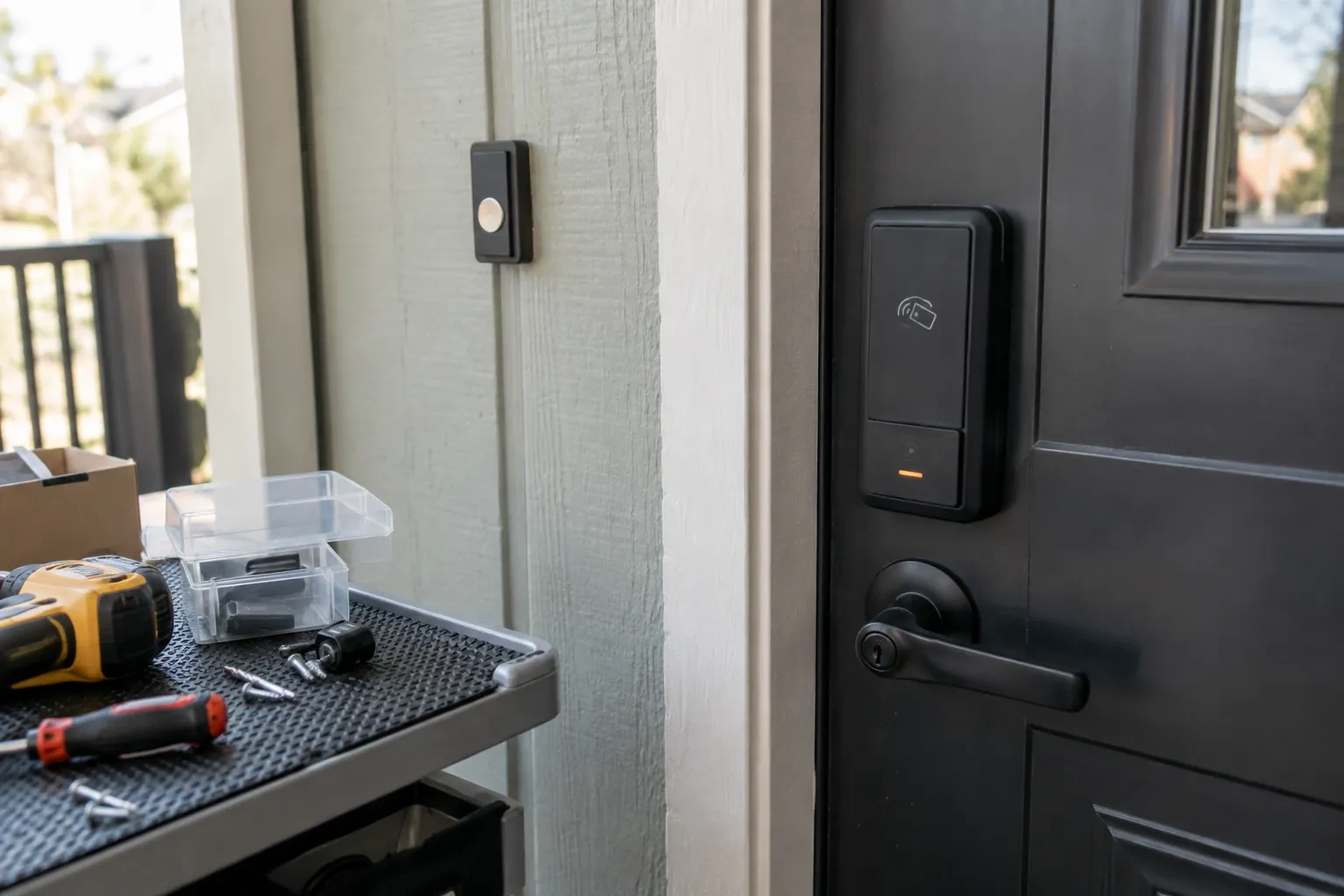
A proximity card or fob held near a reader, a code typed on a keypad, or a mobile credential read from a phone are all in common use, and a single building can mix them by door or by person. Cards and fobs are simple to issue and switch off individually; a keypad needs no card to lose but a shared code eventually gets passed around; a mobile credential ties entry to a device the person already carries.
I have lost my only key. Can a locksmith make a new one at the roadside?
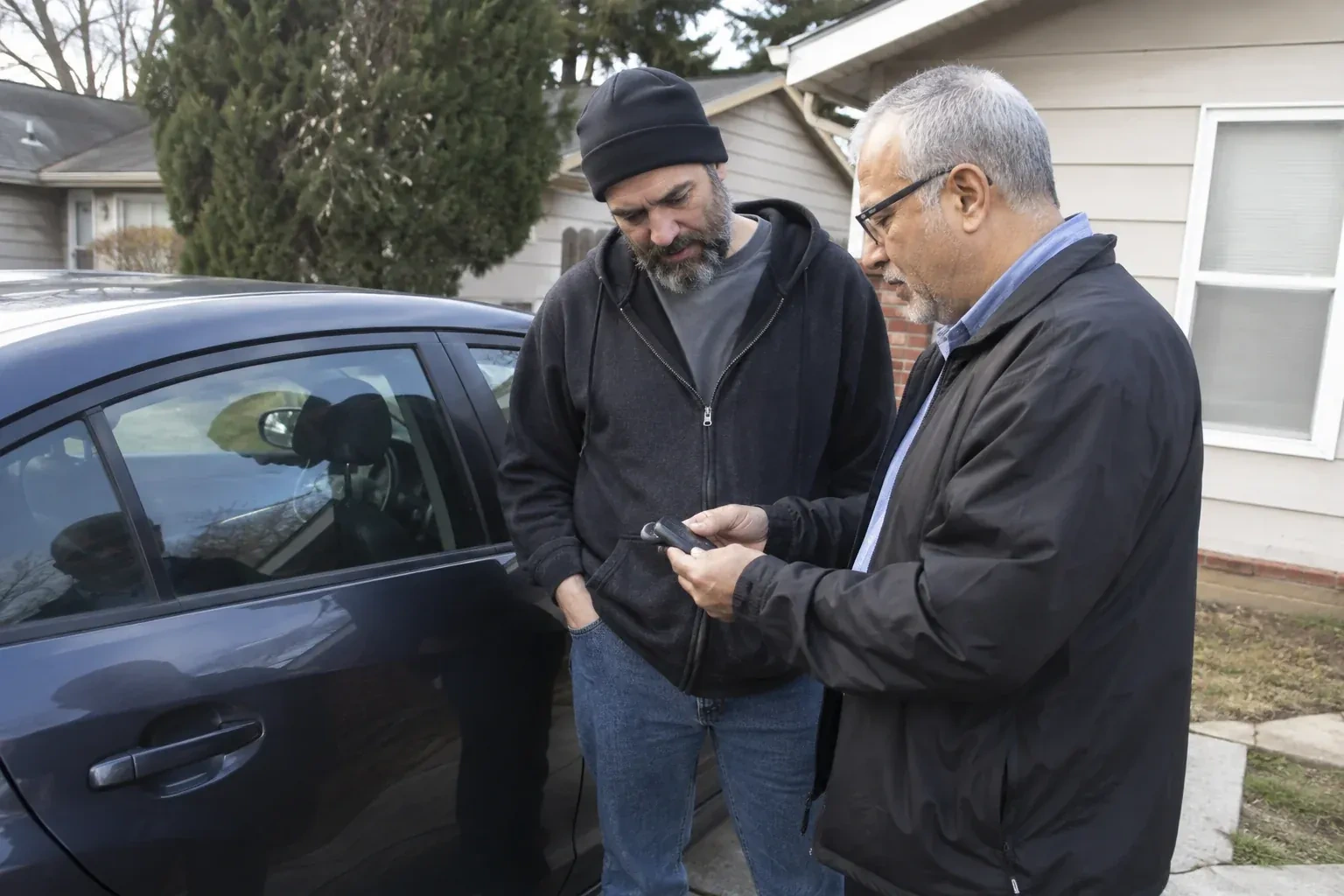
For most cars, yes. After the car is opened, the door cylinder is decoded to read the cuts, or the key code is drawn from the vehicle records against your proof of ownership, and a blade is cut in the van. A transponder key or fob is then programmed through the diagnostic port so the engine will start. Some newer or high-security models need dealer-only parts; you are told that up front rather than after.
How many keys will I leave with?
That depends on what you ask for and what the vehicle already has. A single working key is enough to drive away, but most people ask for at least one spare cut and tested at the same time, especially if the visit started because the only working key had worn down badly or snapped off inside the ignition altogether.
Do I have to have the original key for you to cut a new one?
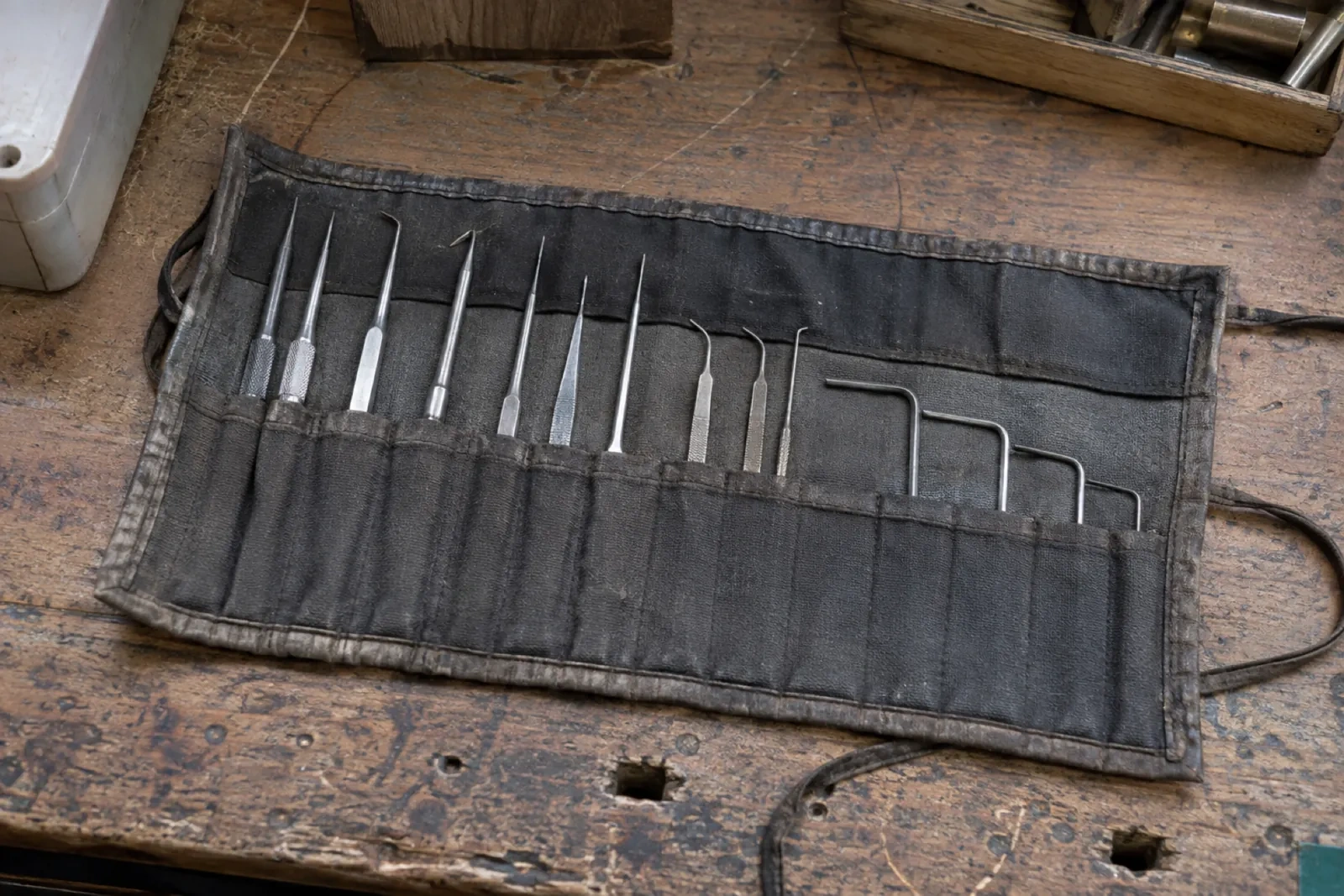
No. When every key for the machine is gone, the locksmith reads the lock directly, working out each wafer's depth by picking and reading the cylinder or using a decoder built for that keyway, and cuts a fresh key to the code that comes out of that reading. It takes longer than copying an existing key, since every wafer is read individually, but it produces a key that matches the lock rather than a guess.
Request a visit
For businesses in Wilmot we keep records. Which cylinders were pinned to which key, how many keys were cut, which doors carry a master, when the closers were last adjusted. That paperwork lands in your inbox after the visit so the next staff change or the next audit is a matter of reading a page rather than calling around.