Lockouts · Wilmot
Lost Keys — Same-Visit Rekey
You let a part-time employee go on Friday.
In plain words
If you rent, losing a key is handled in three steps rather than one. Tell your landlord first, since a lock change on a rented unit goes smoother when both sides know about it and both end up with a working key. Then the locksmith rekeys the suite door, and any other cylinder that key fitted, with both parties knowing. Finally new keys are cut for you and for the landlord's set, so the arrangement that existed before the loss is restored on a fresh combination. Landlords generally welcome the call; their hardware stays in place and their own key set is refreshed too.
How the visit goesA roommate moved out on bad terms and says the key was left on the counter. It was not. You have already changed the Wi-Fi password, but the front door still opens for a key that could be anywhere.
Lost Keys — Same-Visit Rekey
How the visit goes
How many keys, and who gets them
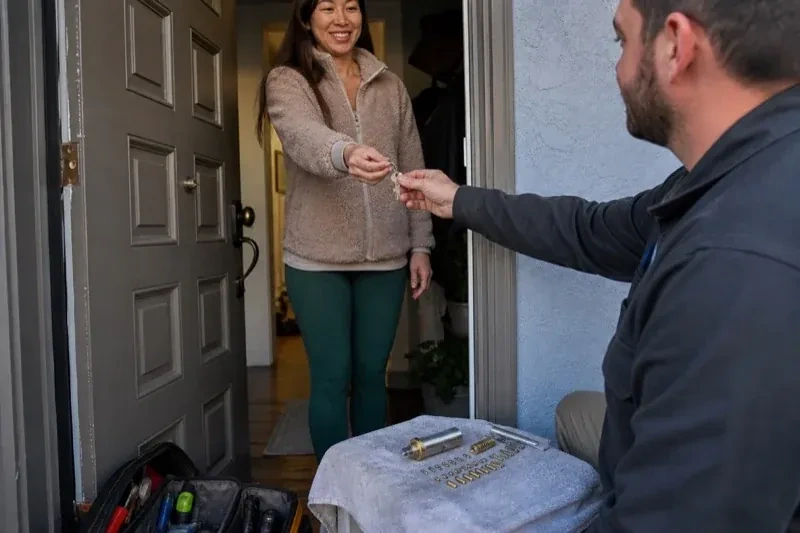
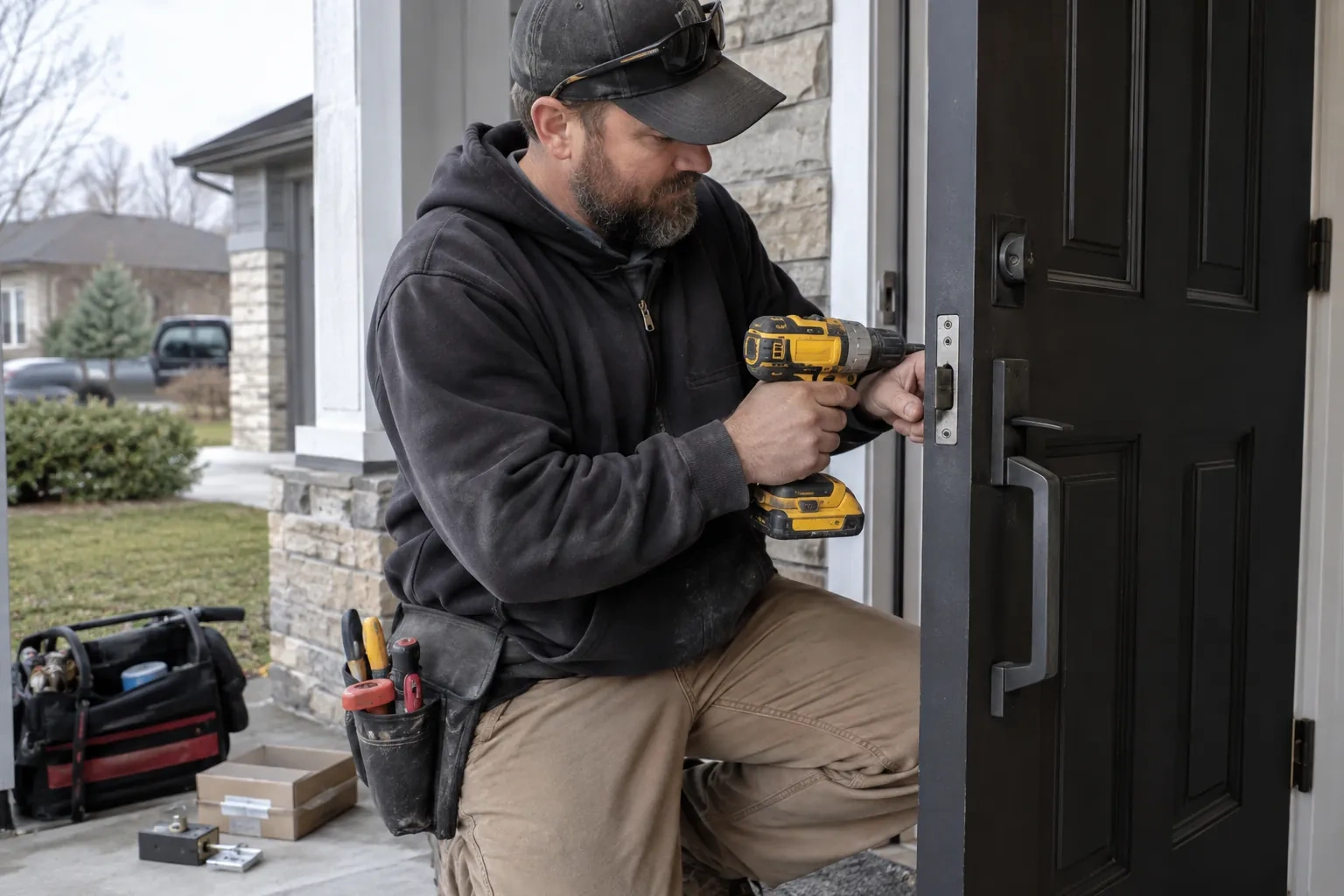
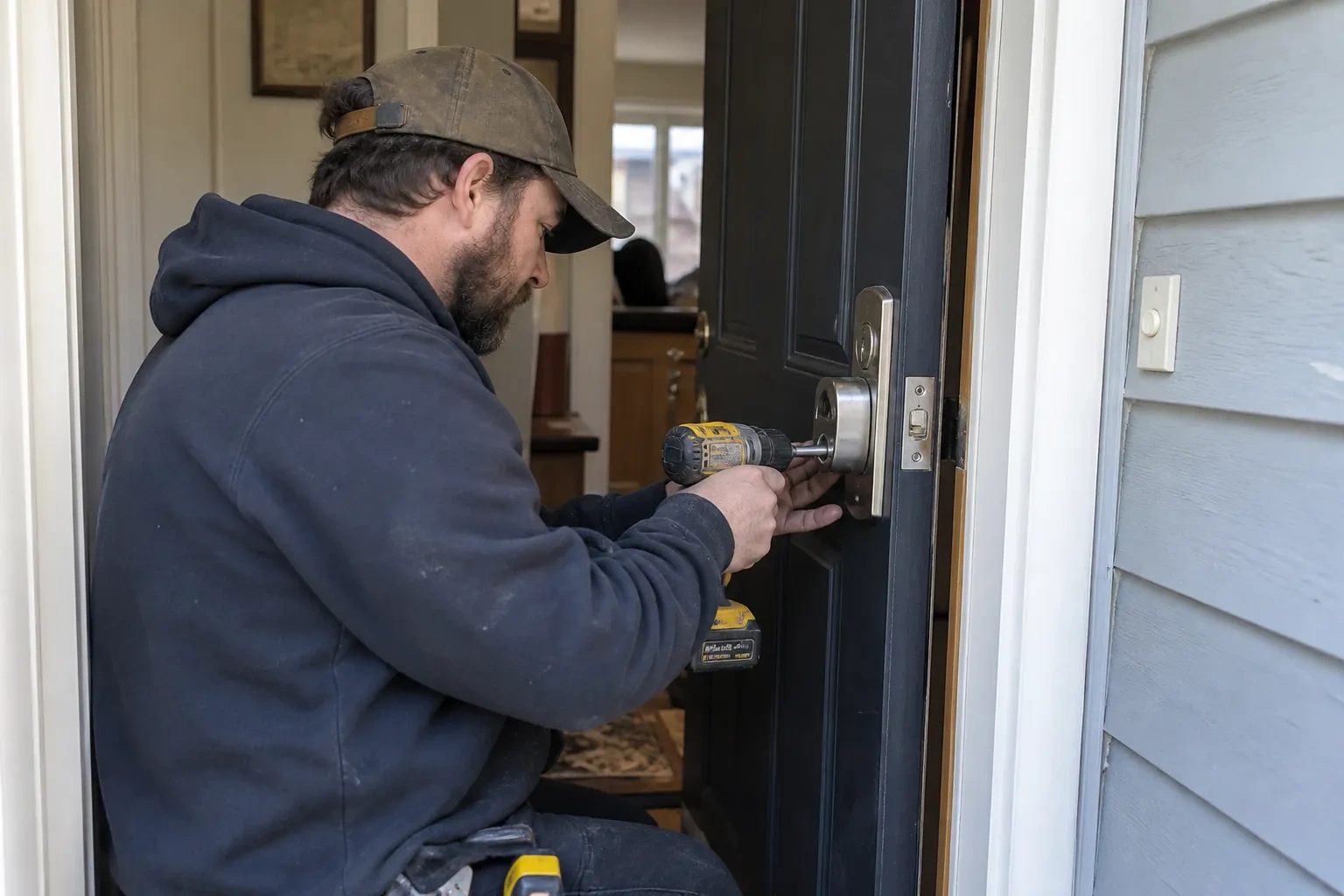
Before pins are touched, the number of keys is agreed, because that number is the whole point of key control. The locksmith asks who in the household or business needs one: each adult, a teenager, a caregiver, the neighbour who feeds the cat, the landlord, the cleaner. Each name gets a key and the total is written down. Anyone who had a copy of the old key but is not on the new list is, from that moment, simply someone without a key. Knowing the count on day one is what makes it possible, years later, to say with confidence exactly how many keys to this property exist.
Resetting a homeowner-rekeyable cylinder without its key
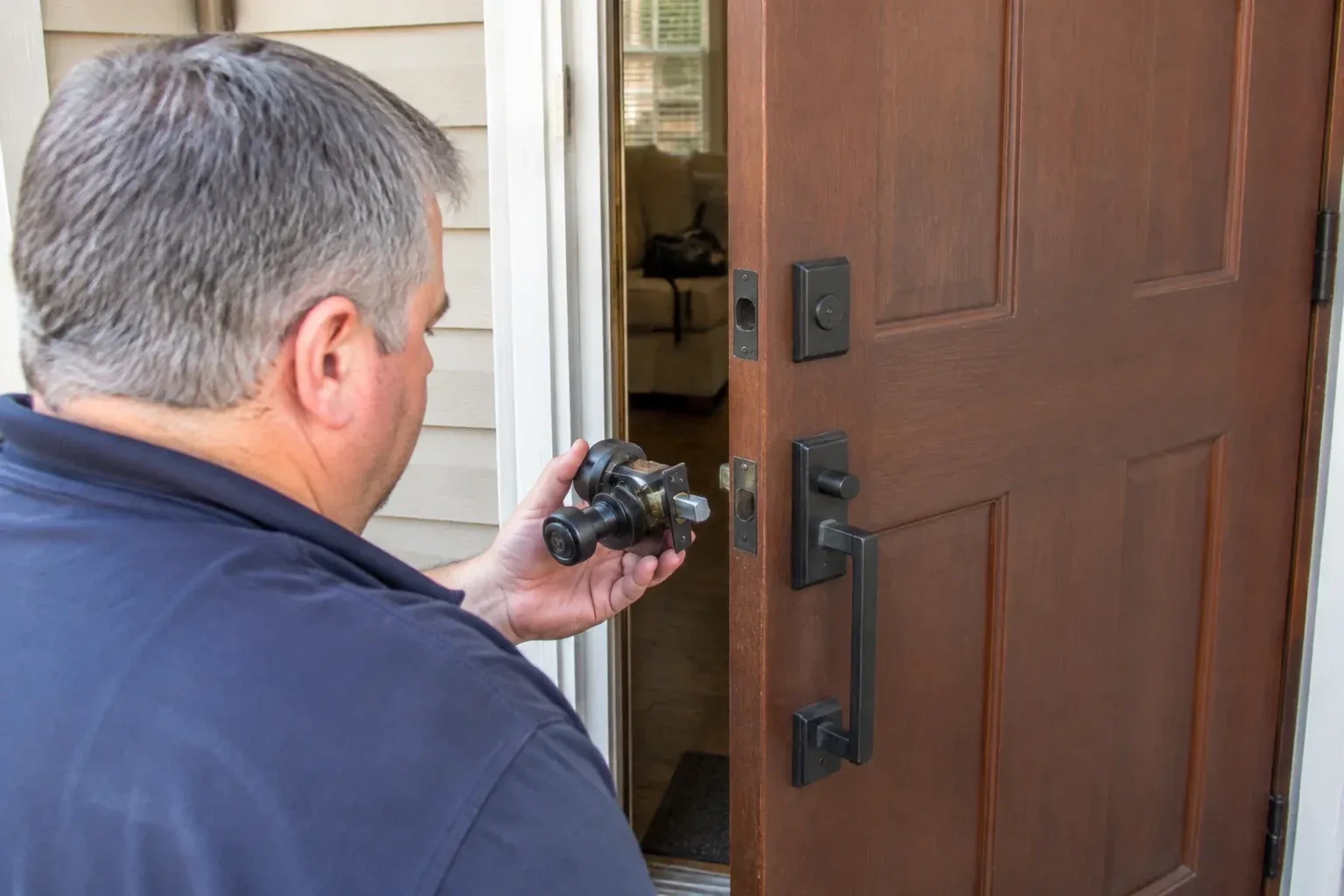
Some newer residential locks carry a small slot beside the keyway that lets a homeowner change the key with a learn tool, but only while a working key is in hand. When that key is the one that was lost, the locksmith uses the manufacturer's reset tool instead: the cylinder is pulled from the lock, seated in the reset fixture, and its internal sidebar and wafers are returned to a blank state. A new key of the right blank is then inserted, the learn tool sets the cylinder to it, and the lock goes back on the door taking the new key and rejecting the old one.
When to think about rekeying again
Rekeying is a repeatable act, and after this visit you know what triggers it. Moving into a new home, because previous occupants and their helpers may hold copies. A contractor or tenant leaving without handing a key back. A separation or a change of roommates. A ring lost with anything that names your address. Manufacturers list exactly these moments, and a household that treats them as routine stays in control of its doors for decades with the same hardware. The locks on the door today can be repinned many more times; only the small pins and the keys change each time.
Lost Keys — Same-Visit Rekey
In the van
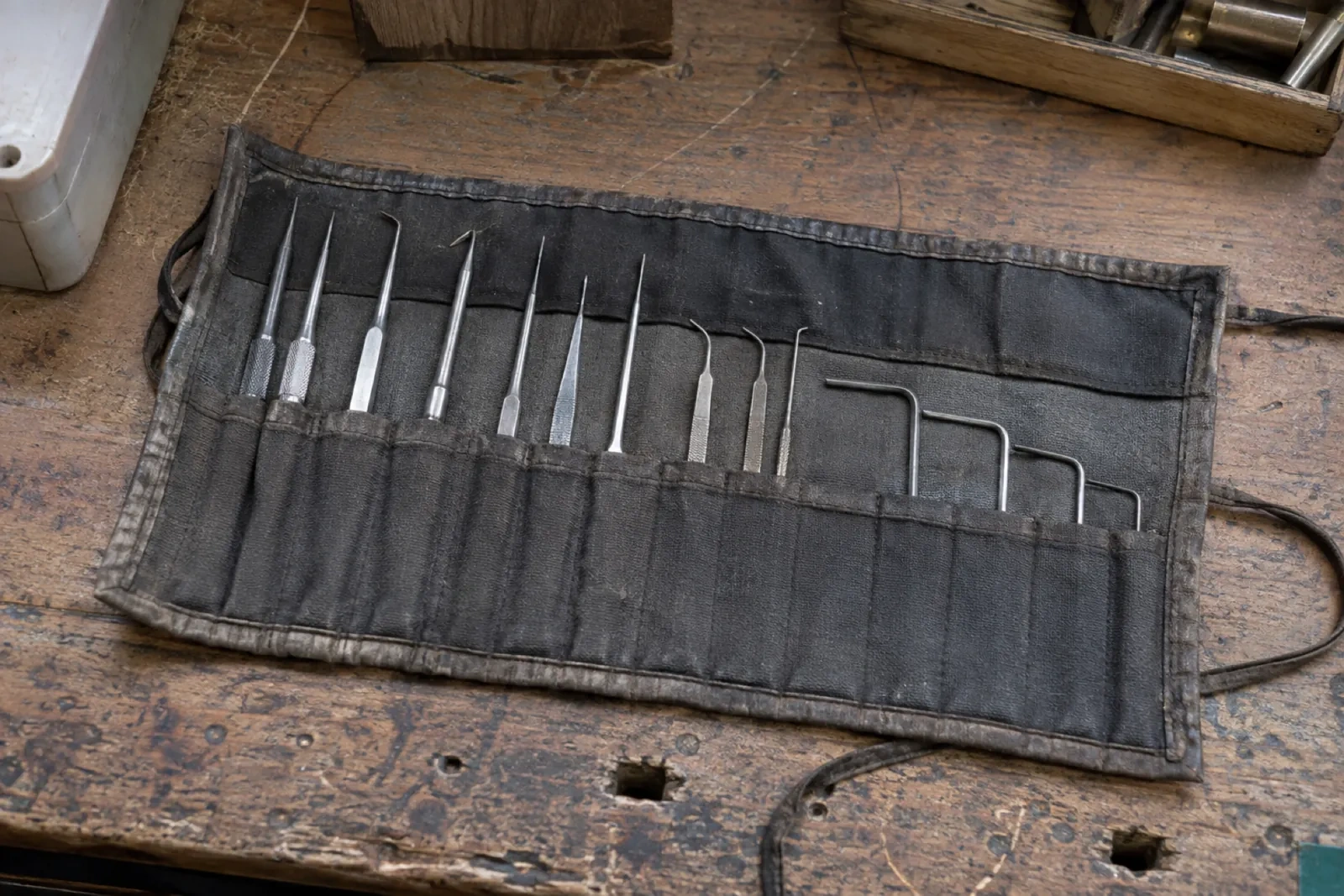
Key blanks in common keyways
Plug follower set
Code key machine
Rekeyable-cylinder reset tool
Key gauge and decoder
Lost Keys — Same-Visit Rekey
What affects the quote
Getting to each cylinder
Doors spread across a large lot, a suite up several flights behind a locked lobby, or a gated property with a padlock at the road add walking and waiting time that the quote allows for.
Master-keyed building cylinders
A condominium or apartment suite cylinder on a building master system is pinned so the master still works, which takes coordination with management and a little more time than a stand-alone house door.
Number of keys cut
New keys are cut on site and counted individually. Two for a couple or six for a household with teenagers and a sitter: name the number and the quote reflects it.
What to have ready
- Was anything with your address, such as a licence or a mail tag, lost with the keys?
- Do you know roughly how many copies of the old key exist?
- Would you like every exterior door to work on one key?
Lost Keys — Same-Visit Rekey: questions
QuestionsShould I rekey after a renovation or when a cleaner stops coming?
It is good practice whenever a key has been out of your hands for a while and you are not certain it came back. Contractors, cleaners, sitters and short-term guests all have honest reasons to hold a key, and most return it, but a rekey at the end of the arrangement is what turns 'probably' into certainty. Some households make it a habit at the close of every project.
What should I do before the locksmith arrives?
Walk the property and note every door the missing key opened, including the garage, shed and gate. Gather any keys you still have, since a working key helps in reading each cylinder. Have identification and, for tenants, something showing the tenancy. Decide roughly how many keys you want and whether you would like all doors on one key. If a garage remote or building fob was lost too, mention it when you book.
My key fell in the snow in my own yard. Do I still need to rekey?
It is your call, and it is a reasonable one either way. A key lost on your own property is unlikely to be picked up by a stranger, but it will surface in the spring thaw, and until then you are trusting a guess about where it lies. Many households rekey anyway for the certainty, and because the visit also lets them put every door on one key while the locksmith is there.
Related services
- Business Lockout ServiceIt is ten to nine, three staff are on the sidewalk with their coffees, and the key that has opened the glass front door for six years will not turn.
- Broken Key ExtractionThat key had been bending a little for years, and you kept straightening it.
- Break-In Damage Lock RepairPolice have come and gone, the occurrence number is on a sticky note, and you are standing in a cold hallway looking at a splintered frame, wondering how the house gets locked before everyone tries to sleep.