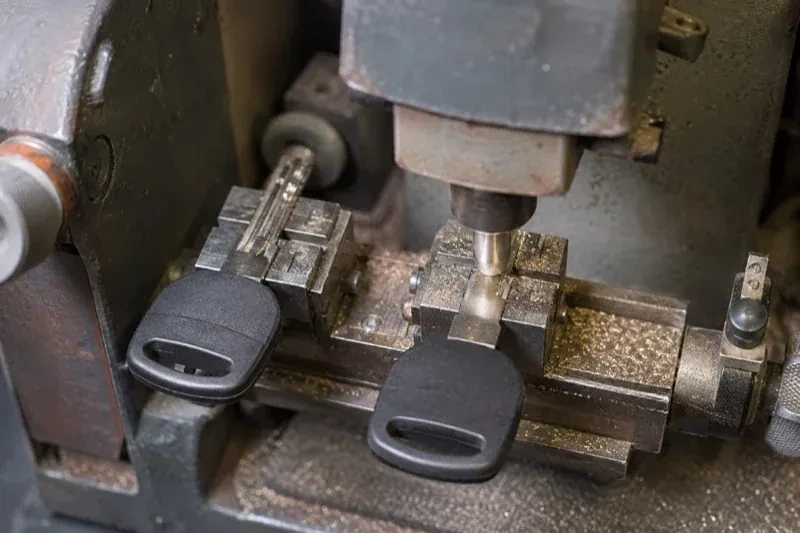
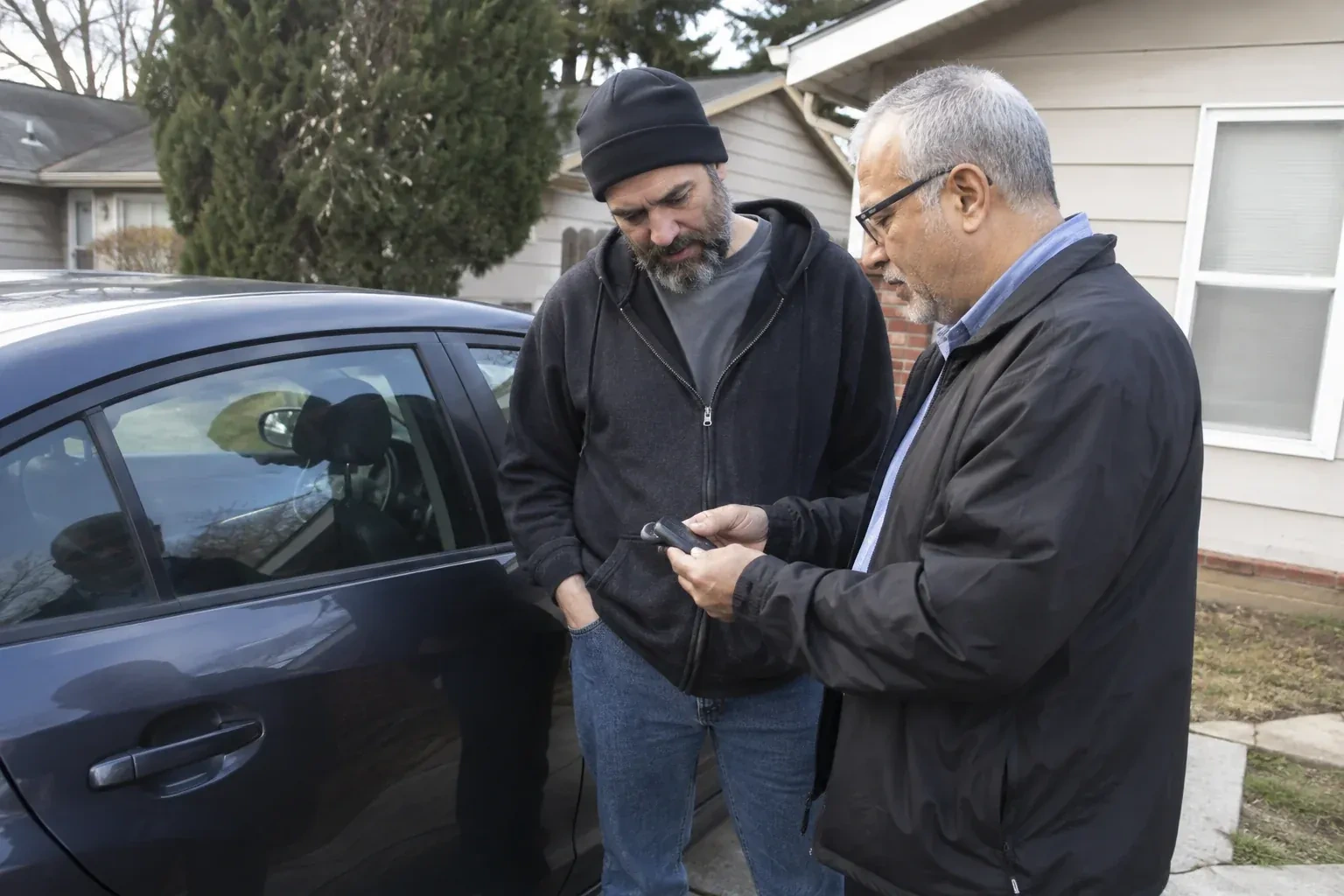
Car keys · Hamilton Heights
Spare Car Key Duplication in Hamilton Heights
A lockout last month ended with a locksmith opening the door and going home, and the same single key has been carried ever since with nothing behind it.
In plain words
When a key's blade has thinned or its buttons have gone soft with age, waiting for it to fail outright is the harder plan to manage. A spare made from the original while it still works produces a fresh blade and, where the car carries a chip or remote, a fresh electronic match, so the household stops depending on the most tired copy in the house. The new key is tested apart from the old one in every lock and the starting system, and the worn original can then be retired or kept as a genuine backup rather than the only option.
How the visit goesA teenager just passed a driving test and reasonably wants a key of their own rather than negotiating over the family's single copy every time the car is needed. Two drivers and one key keep colliding on the same schedule.
Spare Car Key Duplication
How the visit goes
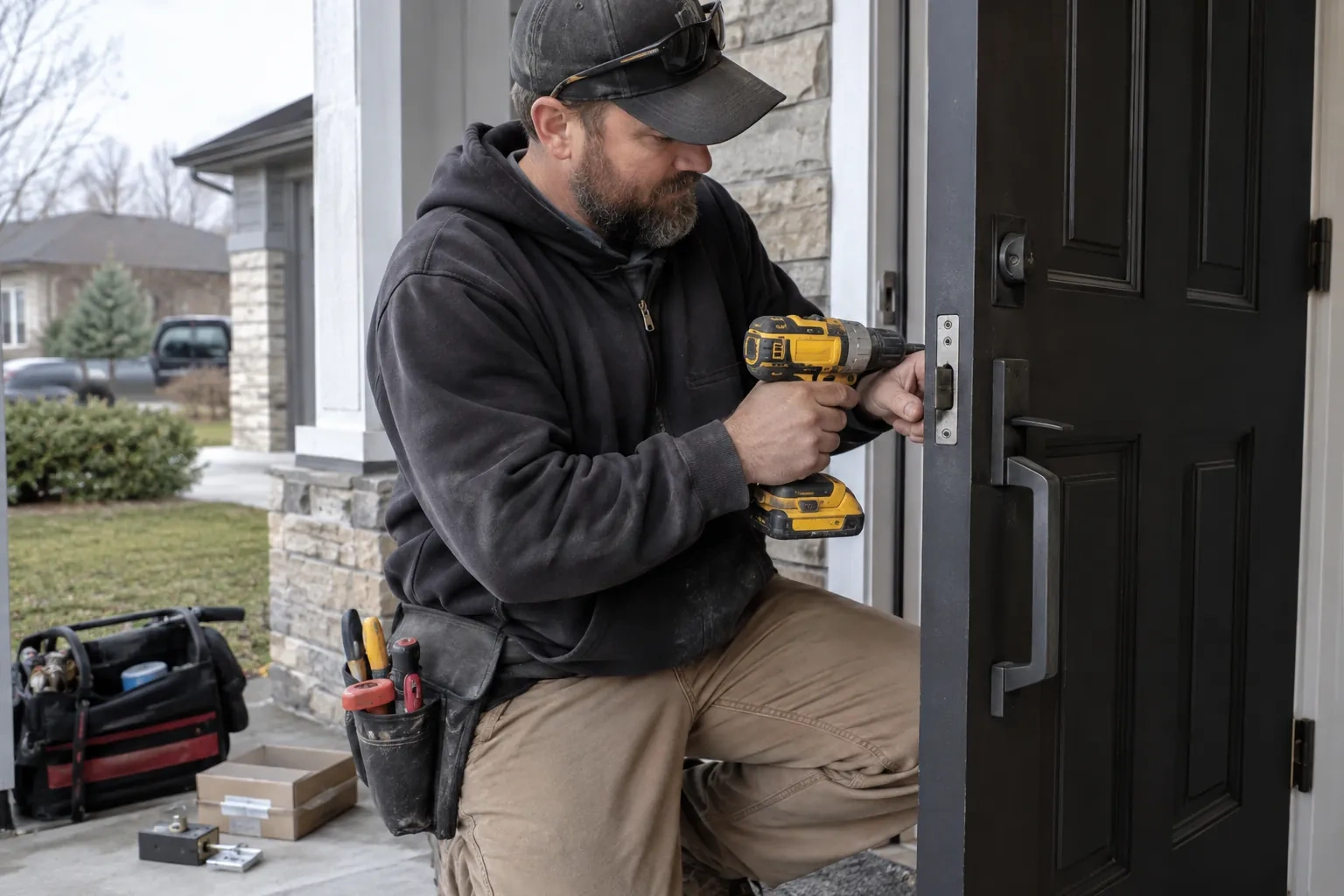
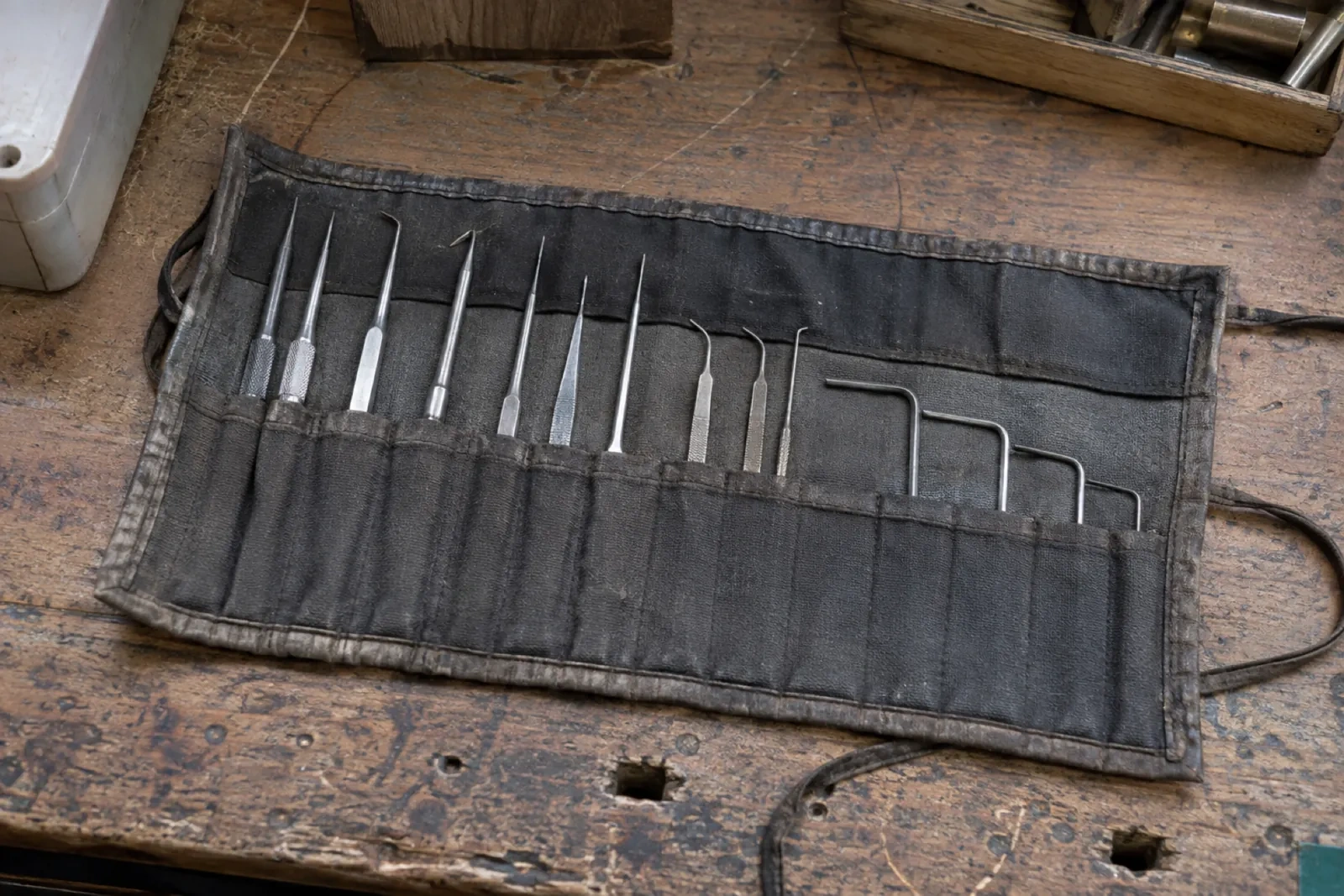
Reading the vehicle's key system
Every make, model and model year settles on a particular combination of blade shape and electronic layer, and the locksmith identifies both before ordering a blank. The VIN narrows the search to the exact immobilizer generation the factory installed, which decides whether the chip can be copied directly or needs to be freshly coded through the car's diagnostic connection. A vehicle that has already had an aftermarket alarm or remote starter fitted sometimes changes what the factory system expects, so a look under the dash or a question about prior work can matter as much as the VIN itself.
Bringing a second vehicle onto the same key
Households running two vehicles from the same manufacturer sometimes want one key that opens and starts both, which needs more than a shared keyway: the two locks must also take a compatible bitting, or one vehicle's cylinders need rekeying to match, and the transponder chosen has to be capable of authorization on both immobilizers. The locksmith reads both vehicles' requirements before cutting anything, and where a single key genuinely will not satisfy both locks and both immobilizers, the answer is two separate keys carried on one ring, explained before any cutting starts so expectations match what the hardware can actually deliver.
Two keys, both proven
The visit ends with two keys that have each been tested on their own: every door, the trunk or hatch, the ignition or start button, and any remote functions. Neither key is a backup that has only been assumed to work, and neither is treated as the senior copy. It is worth deciding on the spot which key rides on the daily ring and which goes into storage, and writing that decision down somewhere the household will actually check later, such as a shared note or a label on the ring itself, rather than trusting memory a year from now.
Spare Car Key Duplication
In the van
VIN and key-system reference
Proximity fob shell
Code-cutting machine
Deburring file
Coin-cell fob battery
Spare Car Key Duplication
What affects the quote
Scheduling more than one vehicle together
Two vehicles booked into the same visit, such as a household's pair of cars, are generally more efficient to handle together than arranging two separate appointments on different days.
Timing around the day's other calls
A visit that fits between other scheduled stops is generally simpler to arrange than one needing a dedicated block of time set aside on its own.
Manufacturer-specific security systems
Certain manufacturers build key systems that call for specialized equipment or additional authorization steps, which can mean more time at the vehicle than a more widely supported system.
What to have ready
- Does the key have buttons, a chip, or neither?
- Where is the vehicle usually parked?
- Do you want the spare to match every function, or just start the car?
Spare Car Key Duplication: questions
QuestionsHow long does making a spare car key usually take?
The time depends mainly on the key system rather than the blade. A plain mechanical key can often be duplicated within one visit, without extra electronic work. A transponder or remote-head key adds a cloning or programming step, done off the vehicle when the chip supports it and through the vehicle's own diagnostic port when it does not, with the diagnostic route usually taking longer. The locksmith can usually say which category your vehicle falls into once the make, model and year are known, before the appointment starts.
Does the new key need to be identical to the original?
Not necessarily. Most households want a spare that behaves exactly like the first key, and that is the default. Some prefer a simpler version for a particular driver, such as a mechanical key without remote buttons for a valet or a young driver. Either choice is a programming decision made at the start of the visit, and the resulting key is fully recognized by the vehicle either way.
What is the difference between a transponder key and a smart key?
A transponder key still has a blade you insert into the ignition, with a chip in the head that the immobilizer checks once it is turned. A smart or proximity key usually stays in a pocket or bag; the vehicle senses it nearby, unlocks the doors, and starts with a push button rather than a turned key. Both rely on the same underlying idea, an electronic identity the vehicle recognizes, delivered in different ways.
Related services
- Car Key ReplacementAfter fifteen years the blade has worn to a smooth sliver.
- Key Fob ProgrammingThe car changed hands last week, and the paperwork included exactly one fob for a household with two drivers.
- Transponder Key ProgrammingThe new key slides into the ignition and turns exactly the way the old one did, but the engine only cranks.