Lockouts · Hamilton Heights
Seized & Jammed Lock Opening in Hamilton Heights
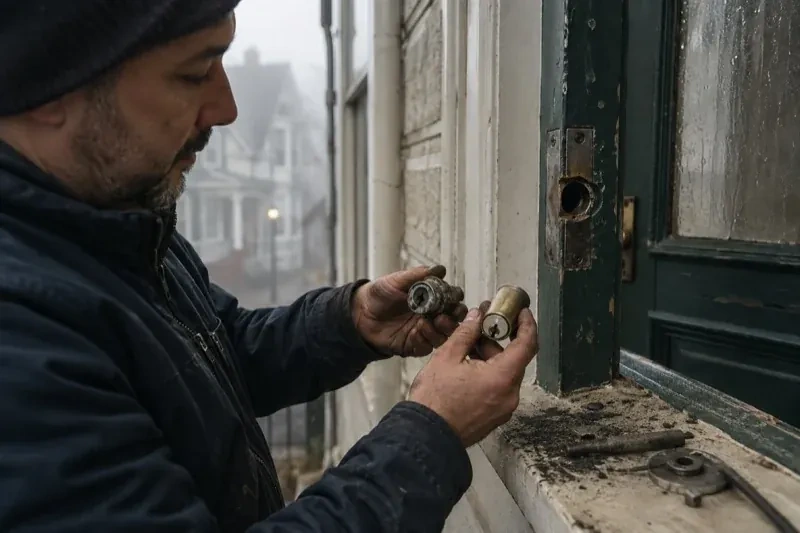
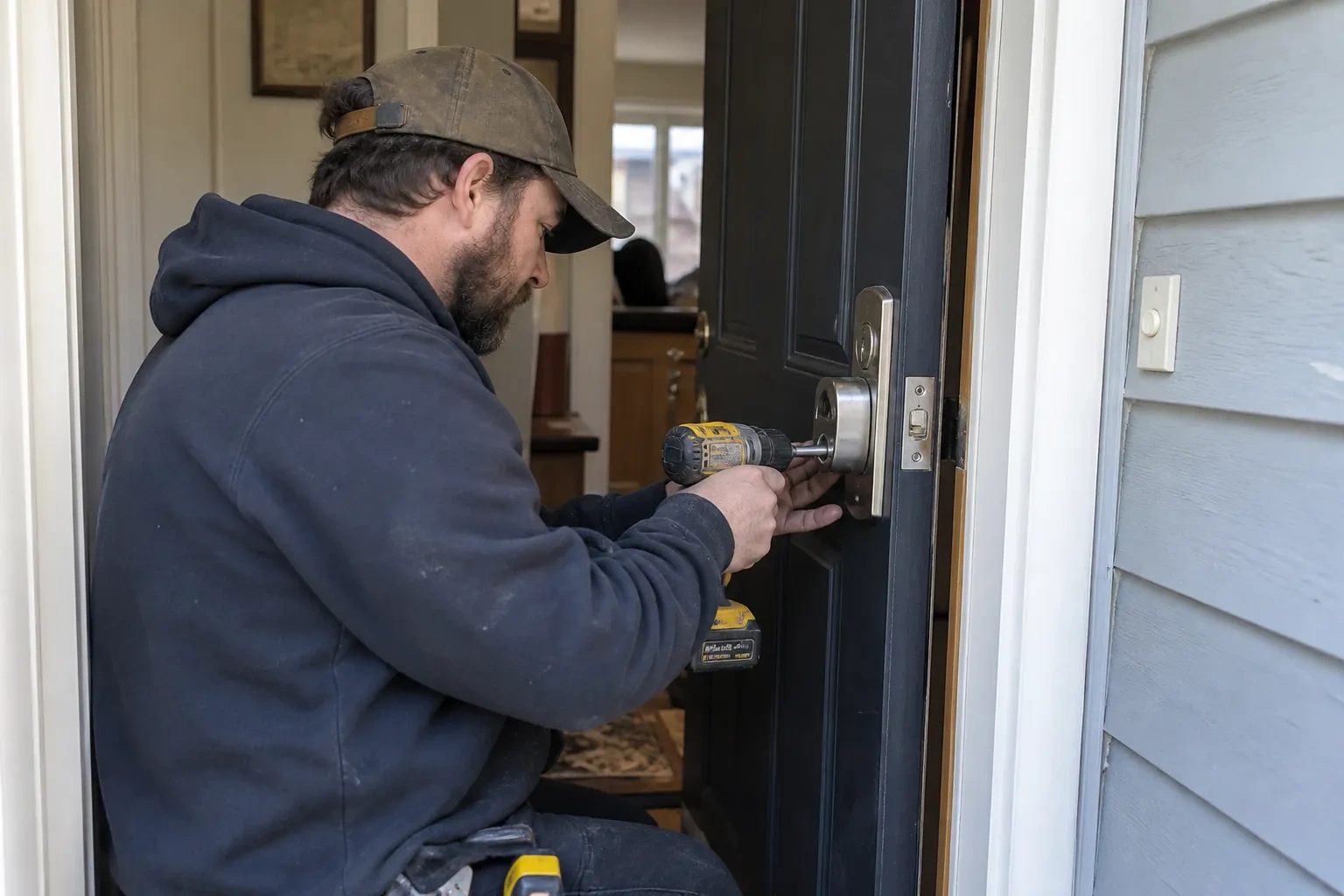
The old mortise lock on the front door of the house turns the key halfway and stops with a dull clunk.
In plain words
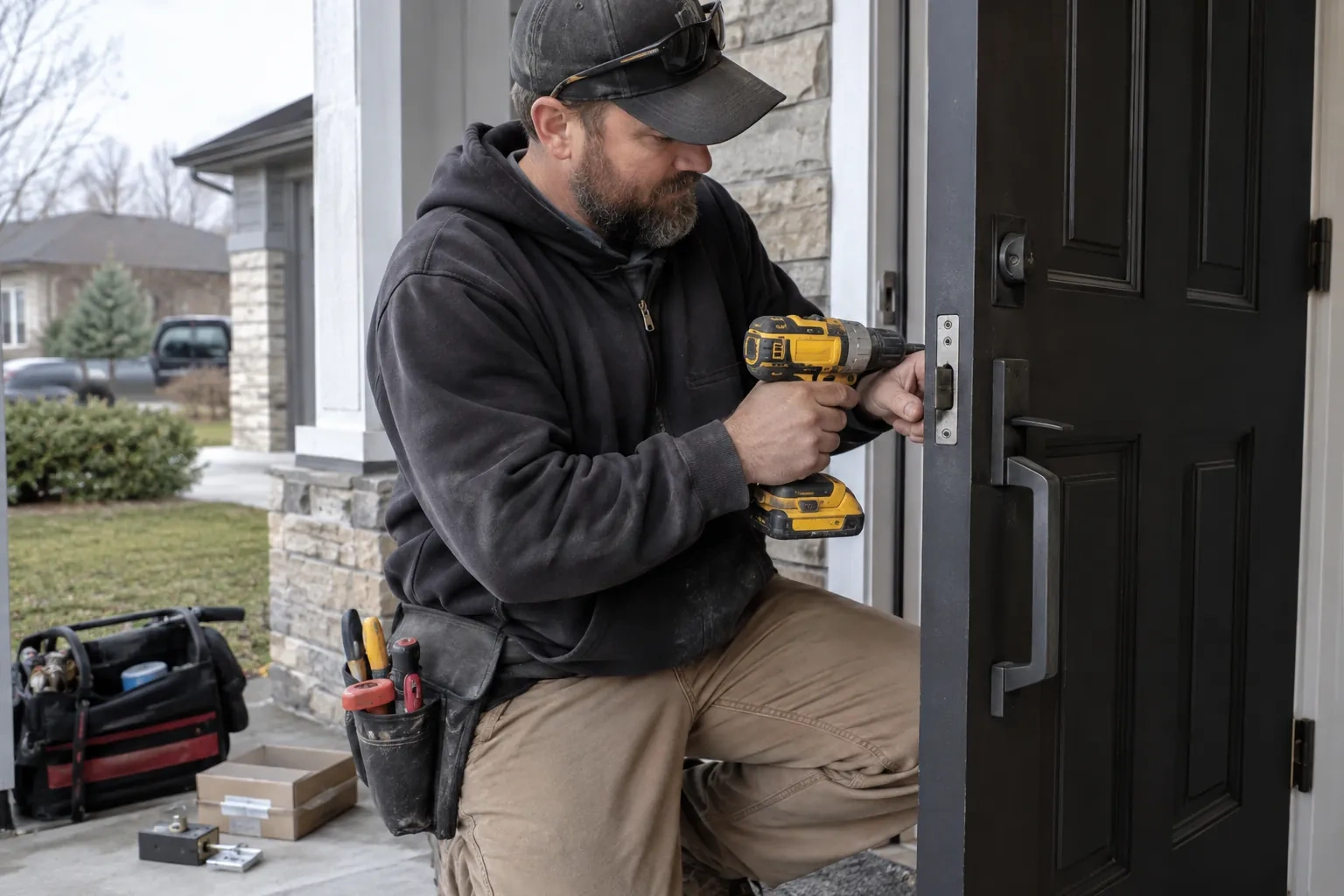
The visit runs in a set order. On the phone you describe what the key does: refuses to turn, spins freely, or works only when the door is pushed. That description tells the locksmith what to bring. At the door, identification and your connection to the property are confirmed. The key, keyway, door fit and strike are examined before anything is forced. The opening uses the least disruptive method the condition allows. Then the failed part is serviced or replaced, the door is adjusted if it caused the jam, and the lock is tested open and closed with every key before the locksmith leaves.
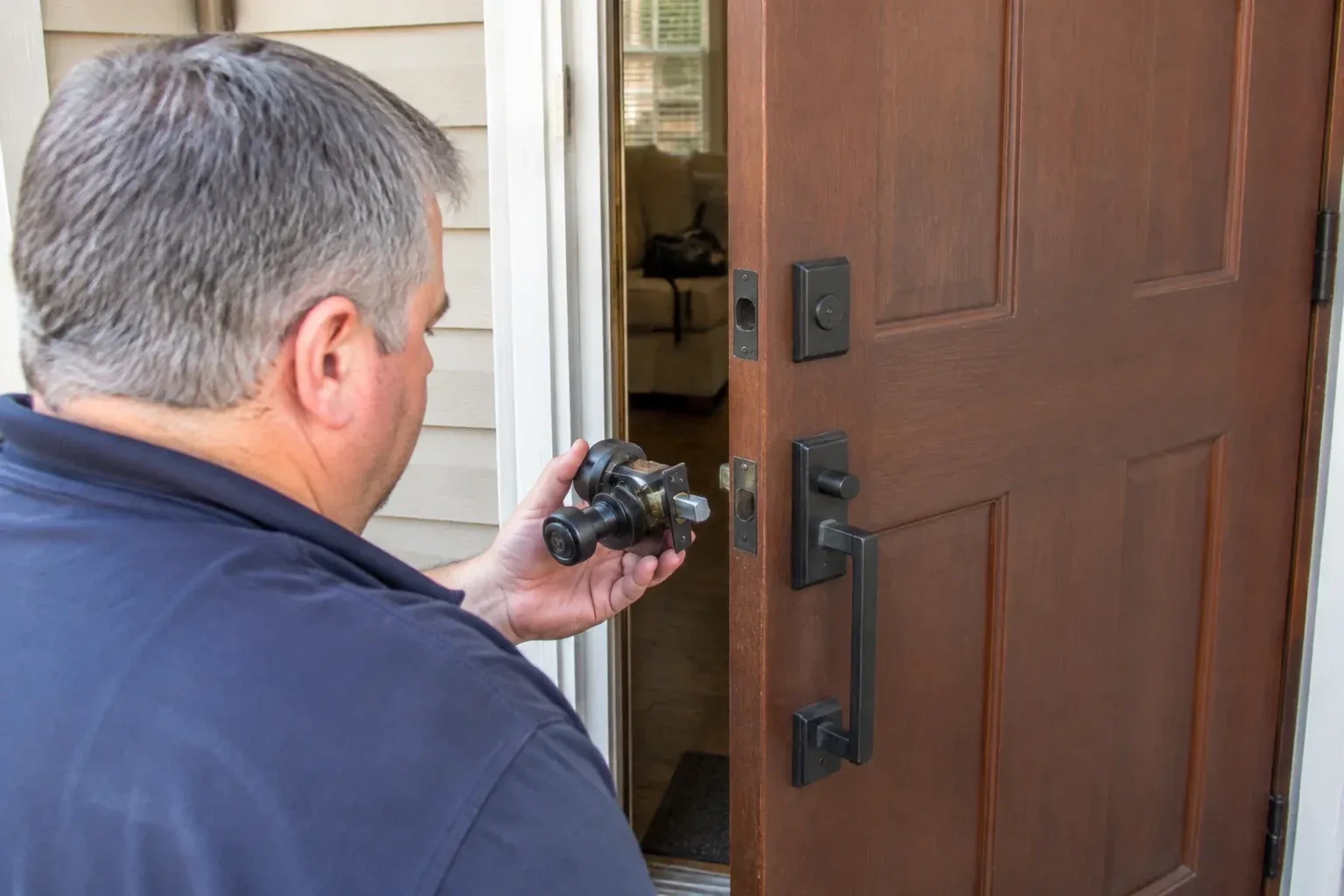
How the visit goesThe lock works, but only if you lean on the door with your hip while turning the key. After a week of humid weather the bolt is jammed against the strike plate, and without that push the key stops halfway.
Seized & Jammed Lock Opening
How the visit goes
The key in your hand
Before blaming the lock, the locksmith looks at the key. A key that has been copied from another copy several times drifts away from the true cuts, a worn key no longer lifts the pins to the shear line, and a bent key binds before it is fully seated. If an original or a rarely used spare exists, it is tried; a lock that opens with the spare has told you the problem. Some cylinders also retain the key until the plug is returned to its neutral position, and a key that seems trapped may simply be a plug that has not come back. A fresh key cut from the code is a common outcome.
Stripping and rebuilding the cylinder on the bench
With access restored, a cylinder that seized gets a proper service. The locksmith removes it from the door, slides the plug out with a follower so the top pins and springs stay put, and lays out the pin stacks. Everything is cleaned, worn bottom pins and tired springs are replaced, and any burr on the plug is dressed. The plug is reassembled to the same combination so your existing keys keep working, then lubricated with the product that cylinder's maker specifies and cycled until it turns with a fingertip. If the key that jammed was worn, a fresh one is cut from the code rather than from that key.
Set up for the freeze-thaw months
After a winter jam the cylinder has been dried and dressed with a lubricant that sheds moisture, and you know the routine for the next cold snap. A keyhole cover or a storm door keeps meltwater out of an exposed lock. A tube of de-icer in the car or coat pocket is the answer to a frosted cylinder, and boiling water is never the answer. Rinse salt spray off hardware near a treated driveway or walkway when the weather allows. Doors on the shaded side deserve a check after the first hard frost, because they hold ice long after the sunny side has cleared.
Seized & Jammed Lock Opening
In the van
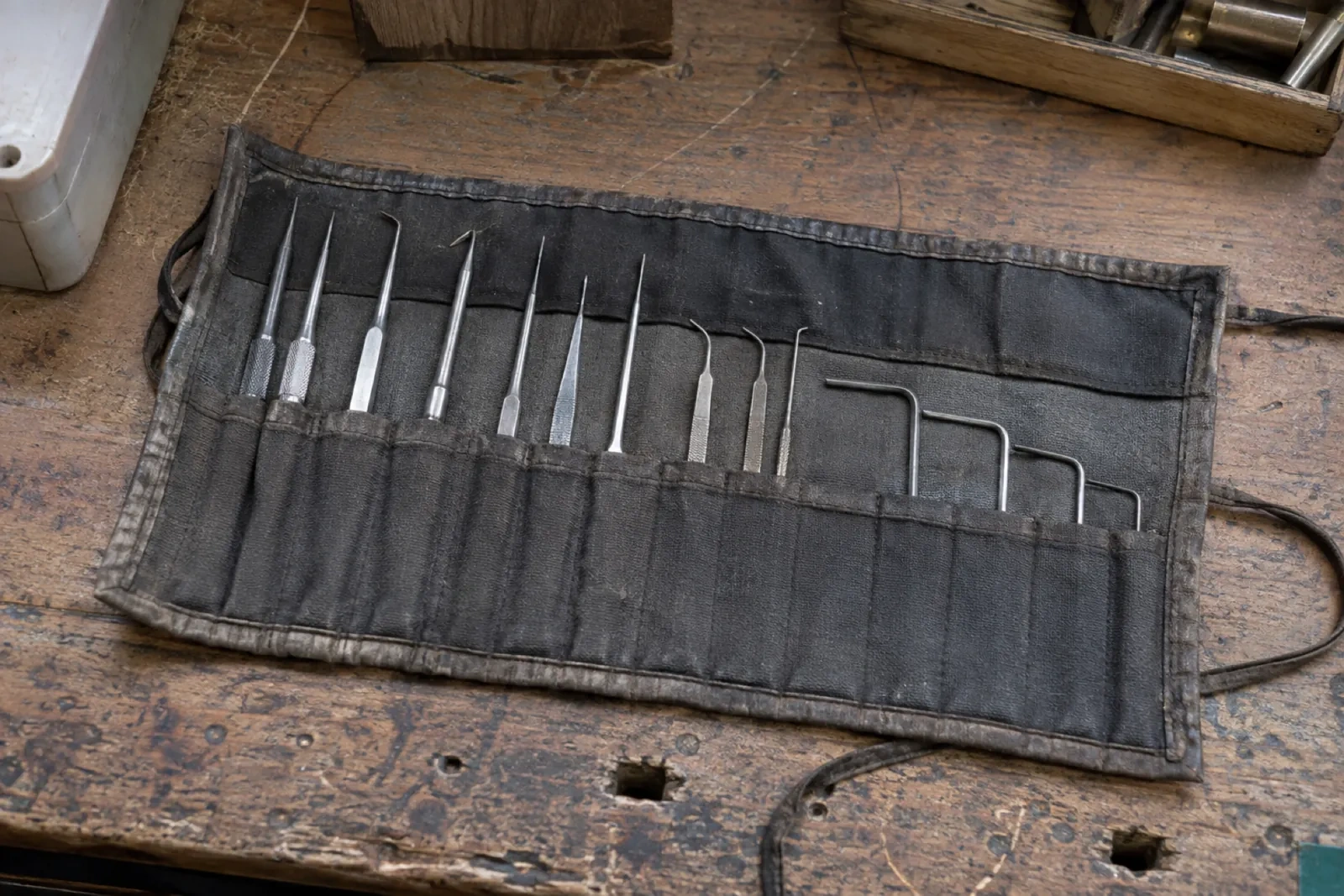
Plug follower and repinning kit
Key blanks and code cutter
Replacement tailpiece or cam
Cylinder springs, pins and cap
Dry PTFE or graphite lock lubricant
Seized & Jammed Lock Opening
What affects the quote
Cutting fresh keys
If a worn key was part of the trouble, keys cut from the code or a fresh master are counted individually, so say how many the household or staff need.
Inside door or outside door
A jammed bedroom or office privacy lock is generally a lighter job than a weather-exposed exterior deadbolt, and a mortise lock on an interior door sits between the two.
Service or replace the cylinder
A cylinder that can be stripped, cleaned and rebuilt is quoted as labour with a few small parts; one corroded through is quoted with a replacement cylinder matched to your finish and keyway.
What to have ready
- Do you have identification, a lease or a management contact for the property?
- Is anyone inside, and can the door be opened from that side?
- Which side of the building does the door face, and is it near a salted driveway?
Seized & Jammed Lock Opening: questions
QuestionsWhy do locks jam more in winter?
Two reasons meet in the same season. Freeze-thaw weather sends meltwater into the keyway by day and freezes it by night, and cold thickens any old grease or oil that has been sprayed into the pins. At the same time dry, heated indoor air shrinks wood doors so bolts move in their pockets. Doors on the shaded or windward side get the worst of it. A dry lubricant, a keyhole cover and a check of the strike after the first hard frost take care of most of it.
Will I need a whole new lock?
Usually not. Most jammed locks are saved by cleaning the cylinder, fitting a small part such as a tailpiece or spring, or adjusting the door so the bolt has room. A new cylinder is fitted when the plug or shell is corroded through or twisted by forcing, matched to your finish and, where possible, pinned to your current key. A complete new lockset is usually a choice you make rather than a requirement, though some internal failures cannot be serviced in place and call for a full replacement.
Can a seized lock be opened without damaging it?
In most cases, yes. A bolt held by the door is freed by relieving the pressure on the door. A cylinder clogged with grit or ice is cleaned and thawed until it turns. A failed tailpiece is bypassed and replaced. The lock stays on the door with its finish and your existing keys. A plug or shell that is worn, damaged, or eaten through by corrosion or earlier forcing is what has to be replaced, and that is explained before any work starts.
Related services
- Business Lockout ServiceIt is ten to nine, three staff are on the sidewalk with their coffees, and the key that has opened the glass front door for six years will not turn.
- Broken Key ExtractionThat key had been bending a little for years, and you kept straightening it.
- Break-In Damage Lock RepairPolice have come and gone, the occurrence number is on a sticky note, and you are standing in a cold hallway looking at a splintered frame, wondering how the house gets locked before everyone tries to sleep.