High security · New Hamburg
Safe Installation & Servicing in New Hamburg
The accountant's office keeps a decade of client files in cardboard boxes because the only safe in the building is a small drawer safe meant for a laptop, nowhere near large enough for binders of paper.
In plain words
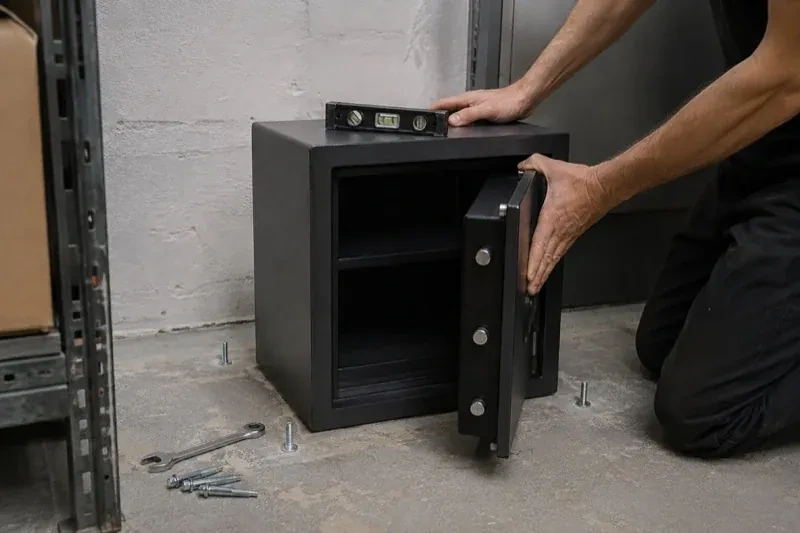
A safe that is not bolted down is not really a safe, just a heavy box that a thief can carry to somewhere quieter to open. Anchoring is the part of installation that turns a portable object into a fixed one: the floor or wall construction is identified first, correct anchor bolts and hardware are chosen for concrete or a wood subfloor, and the unit is leveled and torqued into place. The same principle applies to an existing safe discovered sitting loose in a corner; it can usually be anchored properly without moving it far.
How the visit goesThe till drawer has been holding two days of cash because the new shop never got a proper safe, and a locked drawer under the counter is the only thing standing between that cash and anyone who works late.
Safe Installation & Servicing
How the visit goes
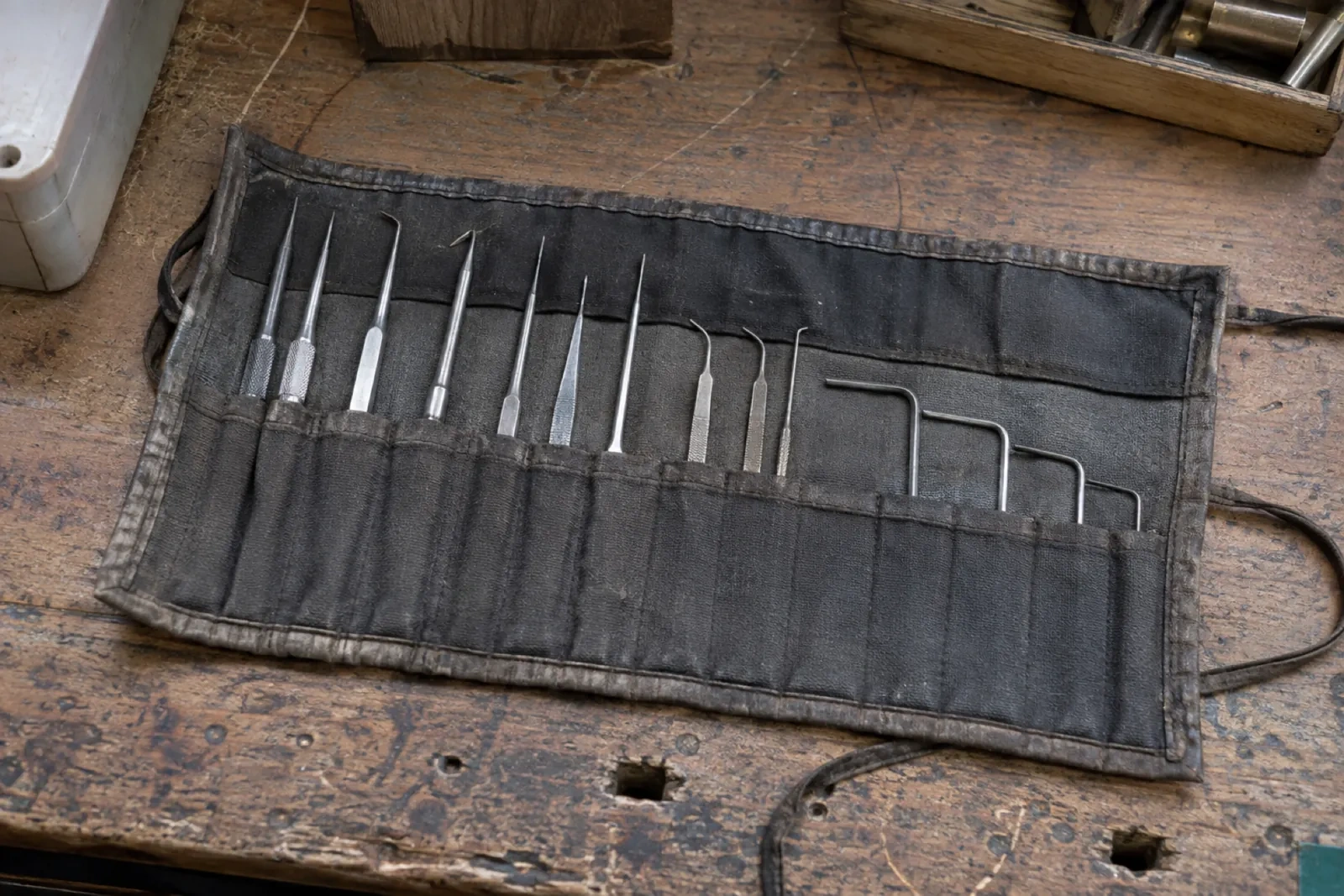
The condition of a safe that is already in place
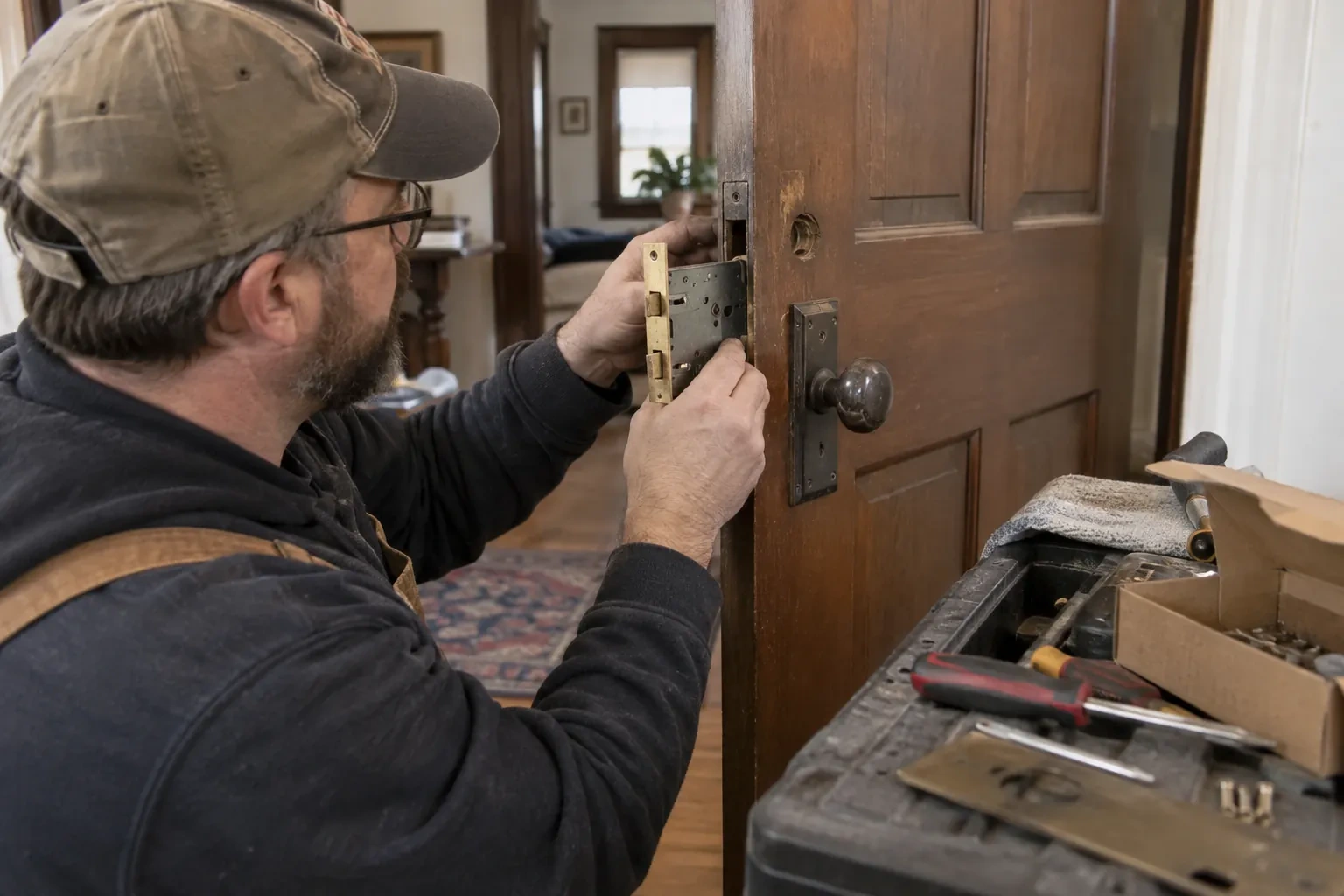
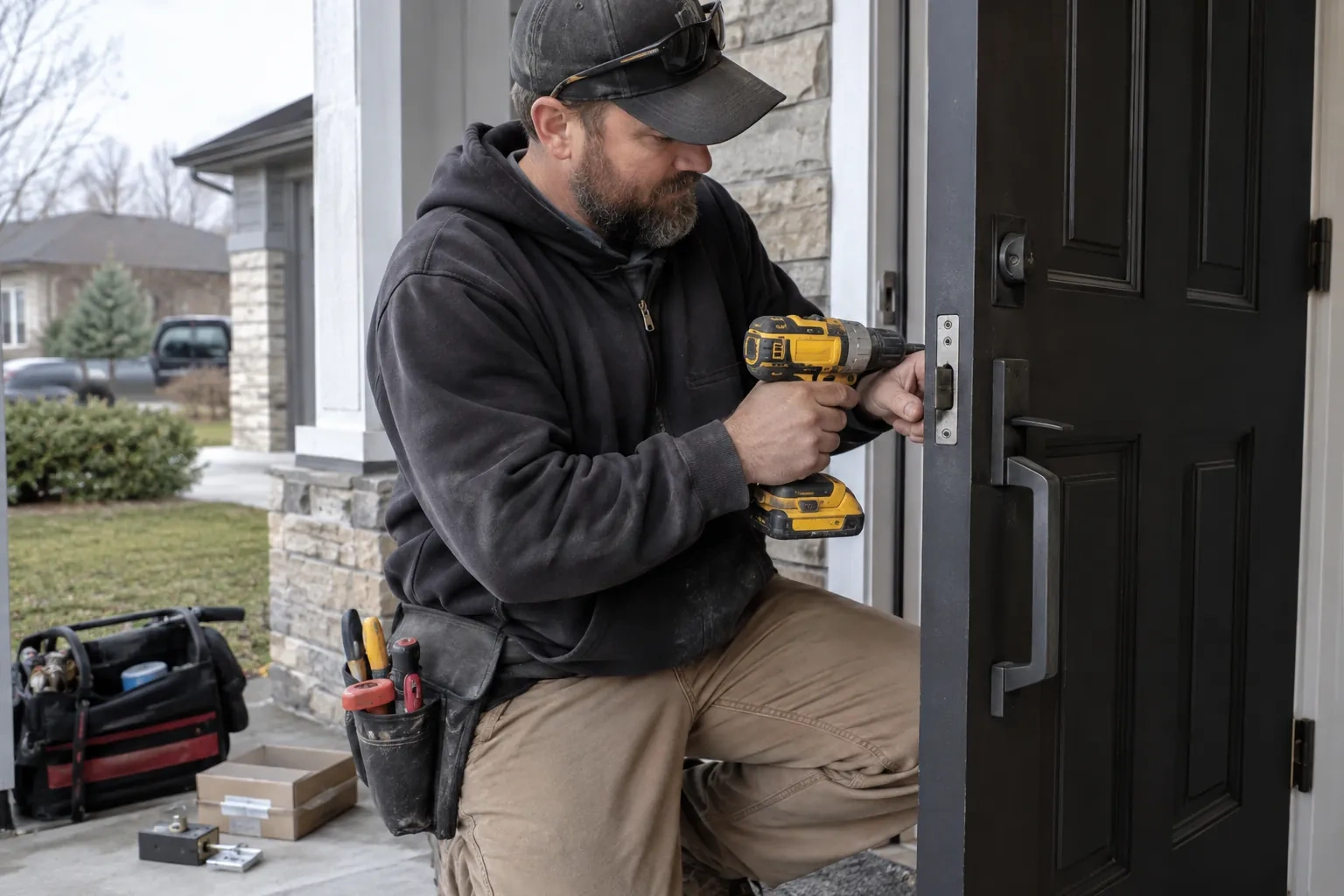
For a servicing visit, the first look is at what years of sitting quietly have done to the unit. Bolt-work is worked by hand to feel for stiffness, grinding, or a bolt that does not fully retract. Hinges and the door seal are checked for rust or a gap that lets in air. The locksmith also asks how long it has been since anyone changed the batteries or tested the lock, because a unit that has never had attention since it was installed usually needs more than a light check to bring it back to full working order.
Matching the safe to the two ratings
The visit begins by separating two decisions that people often blur together. Some burglary ratings come from an independent lab timing how long a trained attempt with real tools takes to force the door, expressed in minutes of net working time; others are construction classifications based on steel thickness and body design rather than a timed attack. A fire rating comes from a timed furnace test that measures how hot the interior gets, expressed as a temperature ceiling held for a set number of hours. A unit is chosen, or confirmed if it is already owned, against both numbers separately rather than a single vague idea of how secure a safe looks.
What changes if the household or business grows
A safe sized for today's cash float or paper files can be outgrown well before it wears out, and it is worth thinking about that possibility rather than assuming the same unit fits forever. A second smaller safe for a different purpose, an upgraded rating as a business takes on more overnight cash, or an additional user code as staff changes are all changes that build on the existing installation rather than replacing it outright.
Safe Installation & Servicing
In the van
Desiccant packets
Rated safe (burglary and fire)
Concrete anchor bolts
Mounting plate
Bolt-work lubricant
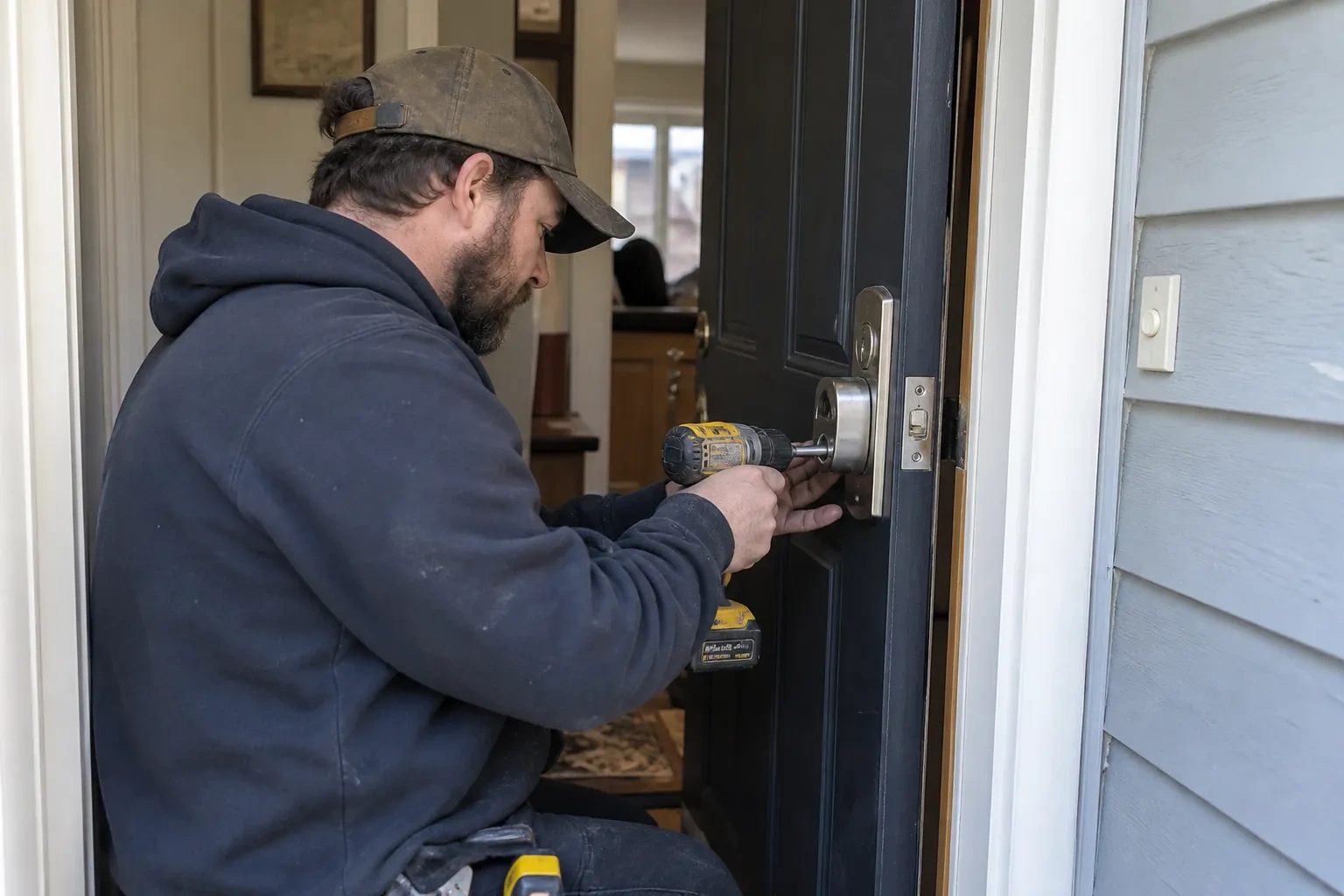
Safe Installation & Servicing
What affects the quote
Fire rating and duration chosen
A longer fire-rated duration or a lower protected temperature for digital media generally means thicker insulation and a larger overall footprint for the same interior storage space.
Floor or wall construction
Solid concrete, a wood subfloor reaching into joists, and tile each call for a different anchoring approach and different hardware, and the substrate is confirmed before any drilling begins.
Building access restrictions
A property requiring a booked loading dock, a service elevator reservation, or coordination with building management before a heavy delivery can arrive adds scheduling steps beyond the installation work itself.
What to have ready
- Which room or level of the building will it go in?
- When were the batteries last changed, if it is electronic?
- Has the safe ever been anchored to the floor or wall before?
Safe Installation & Servicing: questions
QuestionsHow often does the battery need replacing on an electronic lock?
Most electronic locks give a low-battery warning, usually a beep or flashing light, well before they actually stop working, and replacing the battery within that same week is the safer habit rather than waiting. Depending on how often the safe is opened, a battery commonly lasts somewhere between one and several years, and keeping a spare of the correct type near the safe avoids a search once the warning starts.
How do I prepare the room before a servicing visit?
Clearing a working space in front of the safe, moving anything stacked against or on top of it, and having a rough idea of when it was last serviced all help the visit start smoothly. If the combination or code is still known, having it on hand avoids needing to open the unit by other means first. Nothing more elaborate than that is generally needed beforehand.
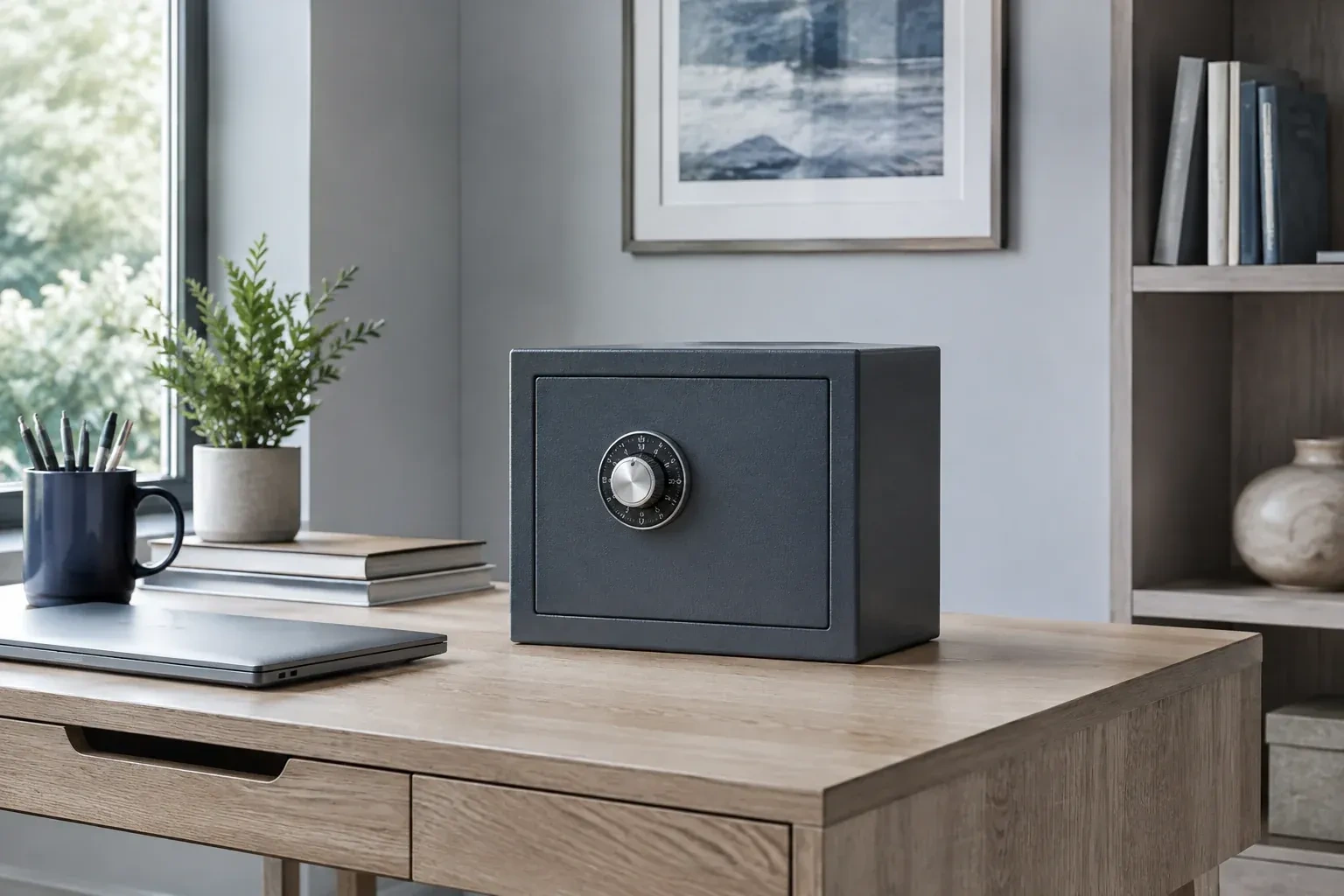
What is the difference between a mechanical dial lock and an electronic keypad?
A mechanical dial has no battery and is set by hand to a private combination, turning through a sequence to release the bolt; it never runs out of power but takes a little practice to open. An electronic keypad accepts a numeric code and can support several separate codes for different people, but it depends on a battery that eventually needs replacing. Many owners choose based on how many people need access rather than one being simply superior to the other.